Cancel Real Estate Contract Within 3 Days In Georgia
Description
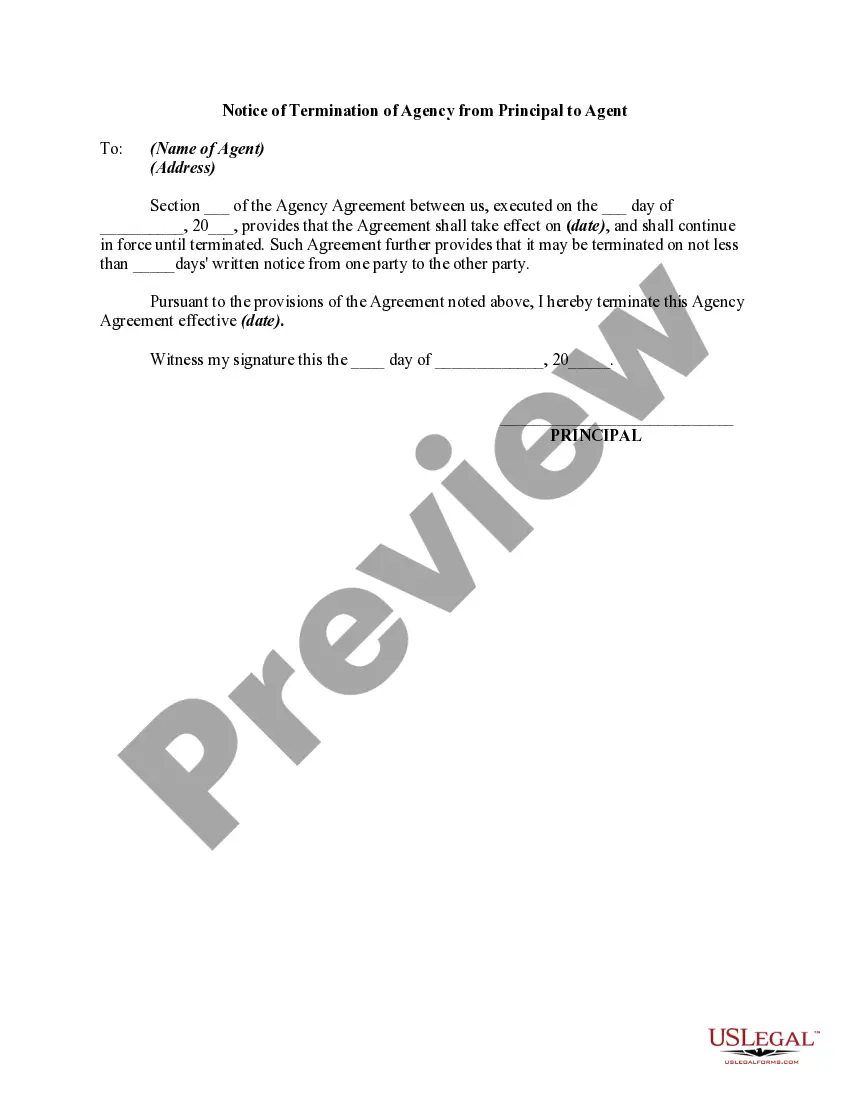
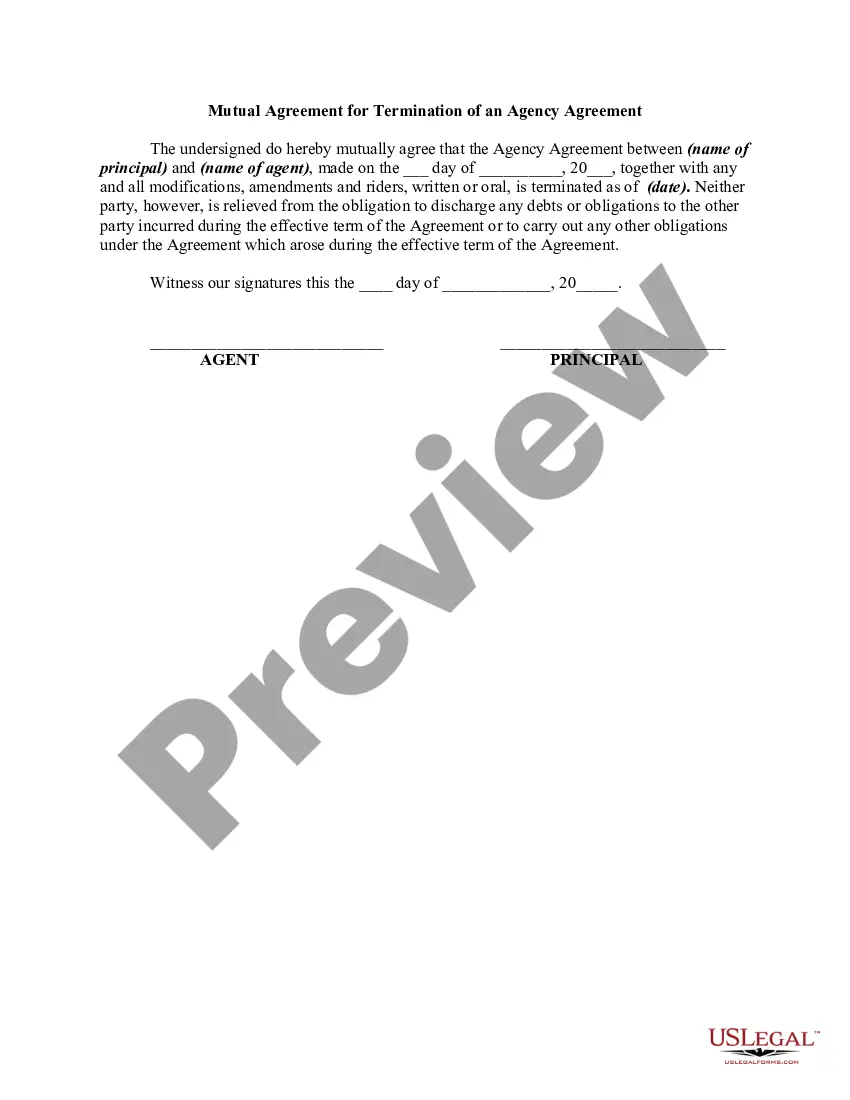
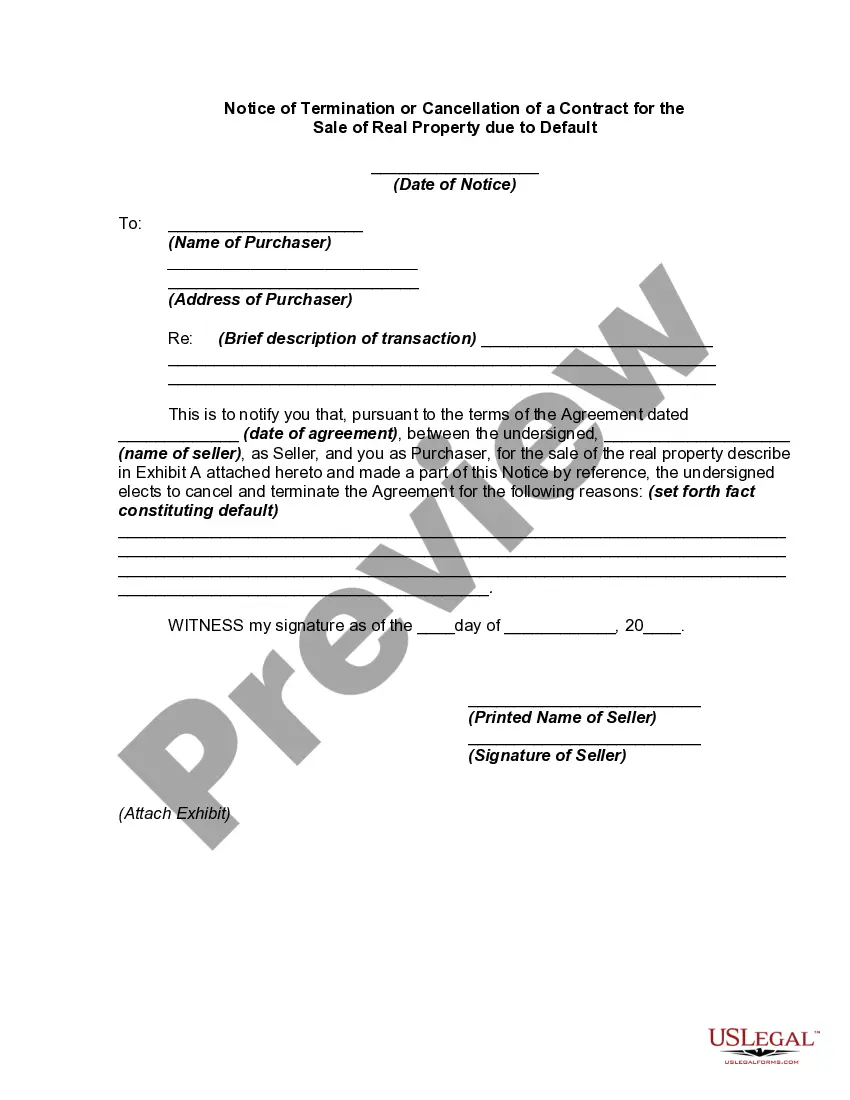
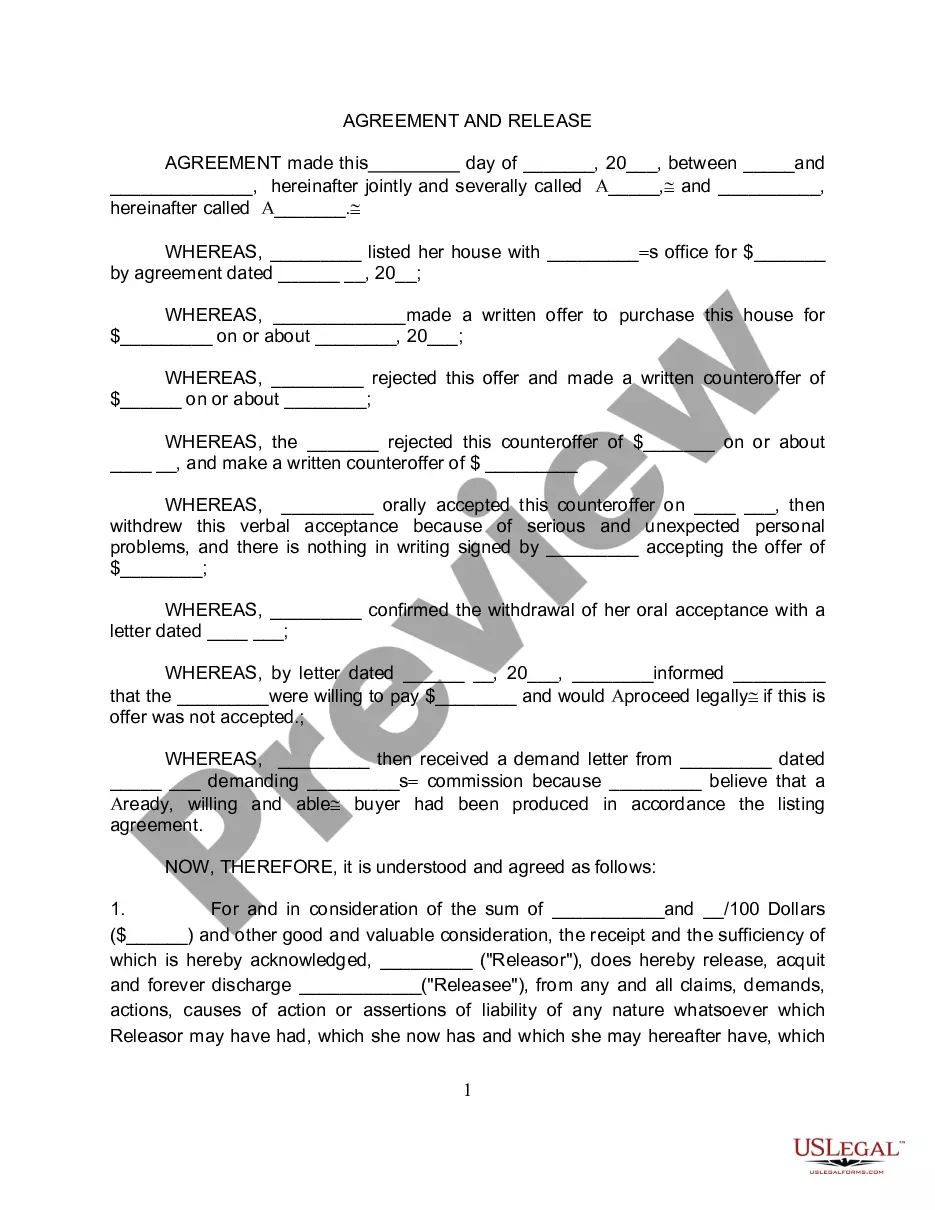
Get your form ready online
Our built-in tools help you complete, sign, share, and store your documents in one place.
Make edits, fill in missing information, and update formatting in US Legal Forms—just like you would in MS Word.
Download a copy, print it, send it by email, or mail it via USPS—whatever works best for your next step.
Sign and collect signatures with our SignNow integration. Send to multiple recipients, set reminders, and more. Go Premium to unlock E-Sign.
If this form requires notarization, complete it online through a secure video call—no need to meet a notary in person or wait for an appointment.
We protect your documents and personal data by following strict security and privacy standards.

Make edits, fill in missing information, and update formatting in US Legal Forms—just like you would in MS Word.

Download a copy, print it, send it by email, or mail it via USPS—whatever works best for your next step.

Sign and collect signatures with our SignNow integration. Send to multiple recipients, set reminders, and more. Go Premium to unlock E-Sign.

If this form requires notarization, complete it online through a secure video call—no need to meet a notary in person or wait for an appointment.

We protect your documents and personal data by following strict security and privacy standards.
Looking for another form?








Form popularity
FAQ
Typically, the answer is no. You have both signed a contract and must fulfill its terms. The only way out of the contract would be if the other party agreed to release you from it, if the contract allowed you to rescind it somehow, or if you sued to allow you to back out of the contract.
Cooling-off rule. Cooling-off Rule is a rule that allows you to cancel a contract within a few days (usually three days) after signing it. As explained by the Federal Trade Commission (FTC), the federal cooling-off rules gives the consumer three days to cancel certain sales for a full refund.
What if you just change your mind? First, whether it's called an accepted offer or an executed contract (there's no substantive difference between these terms), you absolutely can walk away. But depending on the circumstances, you can face legal and/or financial consequences.
While cancelling a contract after signing it is possible, it must be done carefully and within the legal framework of the agreement. Understanding the terms, conditions, and potential consequences is key to avoiding disputes or penalties.
Only certain very limited types of contracts can be canceled, within three business days after signing. When it is applicable under the law, this three-day cancellation or “cooling-off” period is designed to give you time to think about your decision and to compare the prices and quality of competing products.
The most amicable way to exit a contract is to have a frank and honest conversation with the parties involved. This is an opportunity to share why one cannot proceed with the contract in the first place. As long as both parties can come to a suitable agreement, then the agreement can be changed or terminated.
While most employment is at-will, meaning either party can terminate the agreement at any time, backing out after signing can damage your professional reputation. It's crucial to communicate your decision as professionally and promptly as possible to minimize any negative impact.
The 72-hour cancellation policy allows consumers a cooling-off period to cancel certain contracts without penalties. Federal and state laws, including the FTC Cooling-Off Rule, provide consumer protection for specific purchases, like home improvement loans and door-to-door sales.
To cancel the contract, sign and date both copies of the Notice of Cancellation and either mail or hand-deliver one copy to the merchant by midnight of the third business day after signing the contract. Keep the second copy for your records.

