Termination Of Contract Without Notice In Dallas
Description
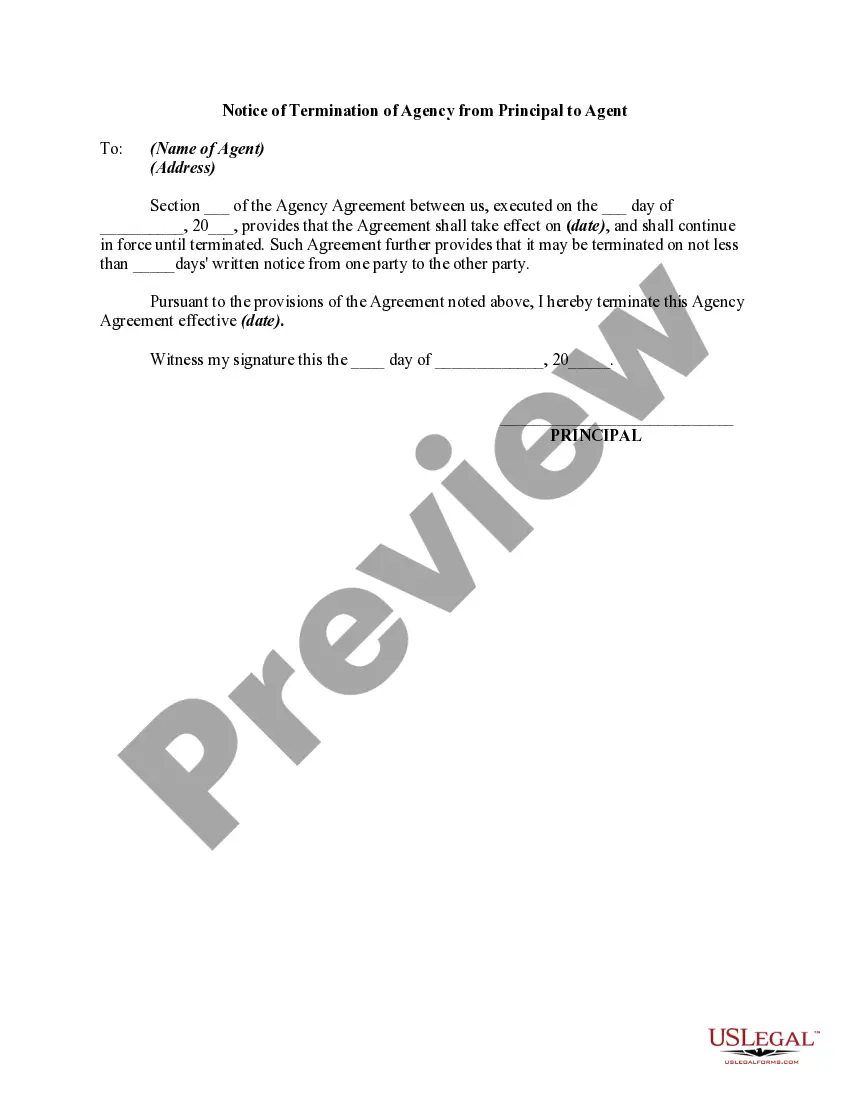
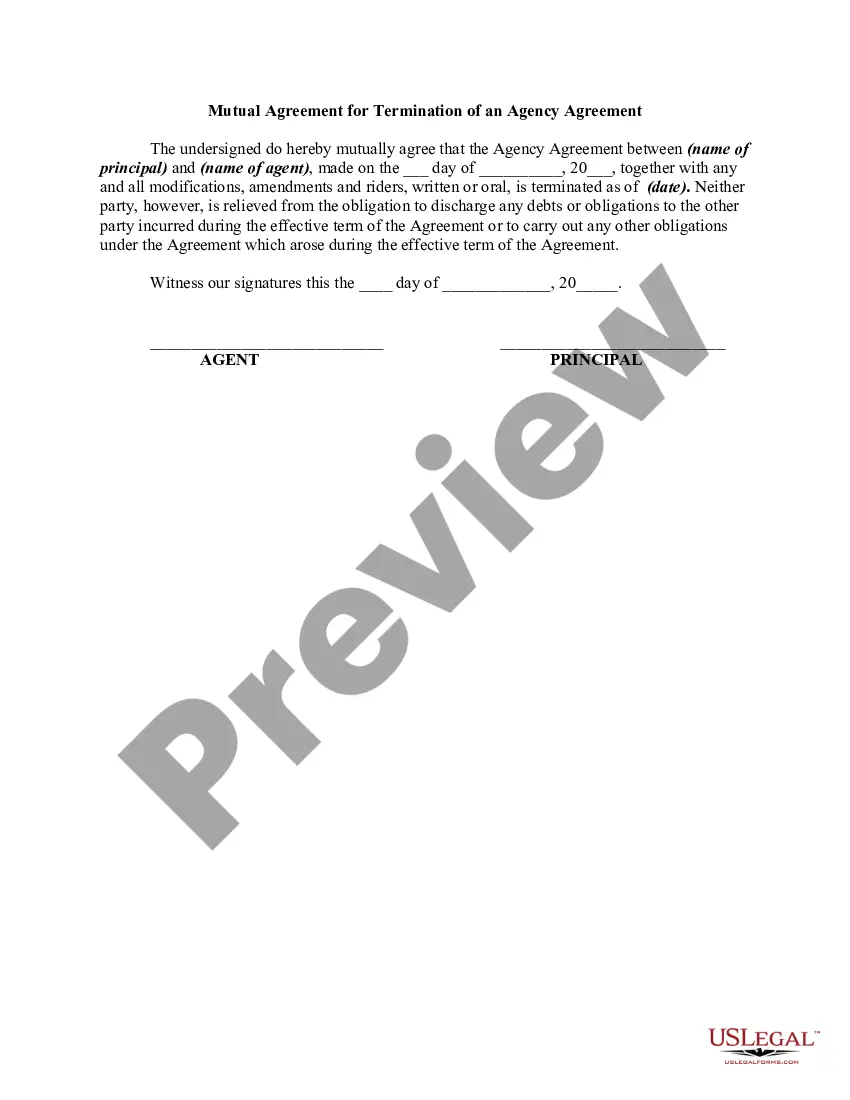
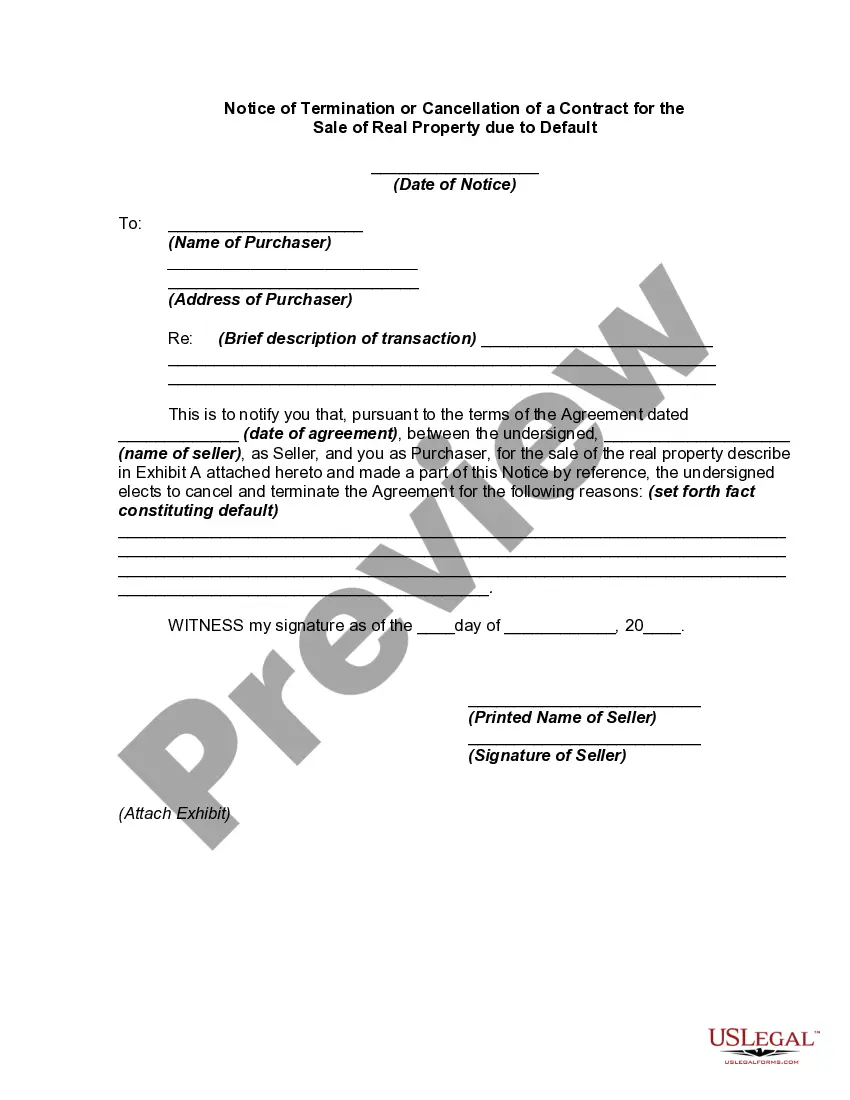

Get your form ready online
Our built-in tools help you complete, sign, share, and store your documents in one place.
Make edits, fill in missing information, and update formatting in US Legal Forms—just like you would in MS Word.
Download a copy, print it, send it by email, or mail it via USPS—whatever works best for your next step.
Sign and collect signatures with our SignNow integration. Send to multiple recipients, set reminders, and more. Go Premium to unlock E-Sign.
If this form requires notarization, complete it online through a secure video call—no need to meet a notary in person or wait for an appointment.
We protect your documents and personal data by following strict security and privacy standards.

Make edits, fill in missing information, and update formatting in US Legal Forms—just like you would in MS Word.

Download a copy, print it, send it by email, or mail it via USPS—whatever works best for your next step.

Sign and collect signatures with our SignNow integration. Send to multiple recipients, set reminders, and more. Go Premium to unlock E-Sign.

If this form requires notarization, complete it online through a secure video call—no need to meet a notary in person or wait for an appointment.

We protect your documents and personal data by following strict security and privacy standards.
Looking for another form?

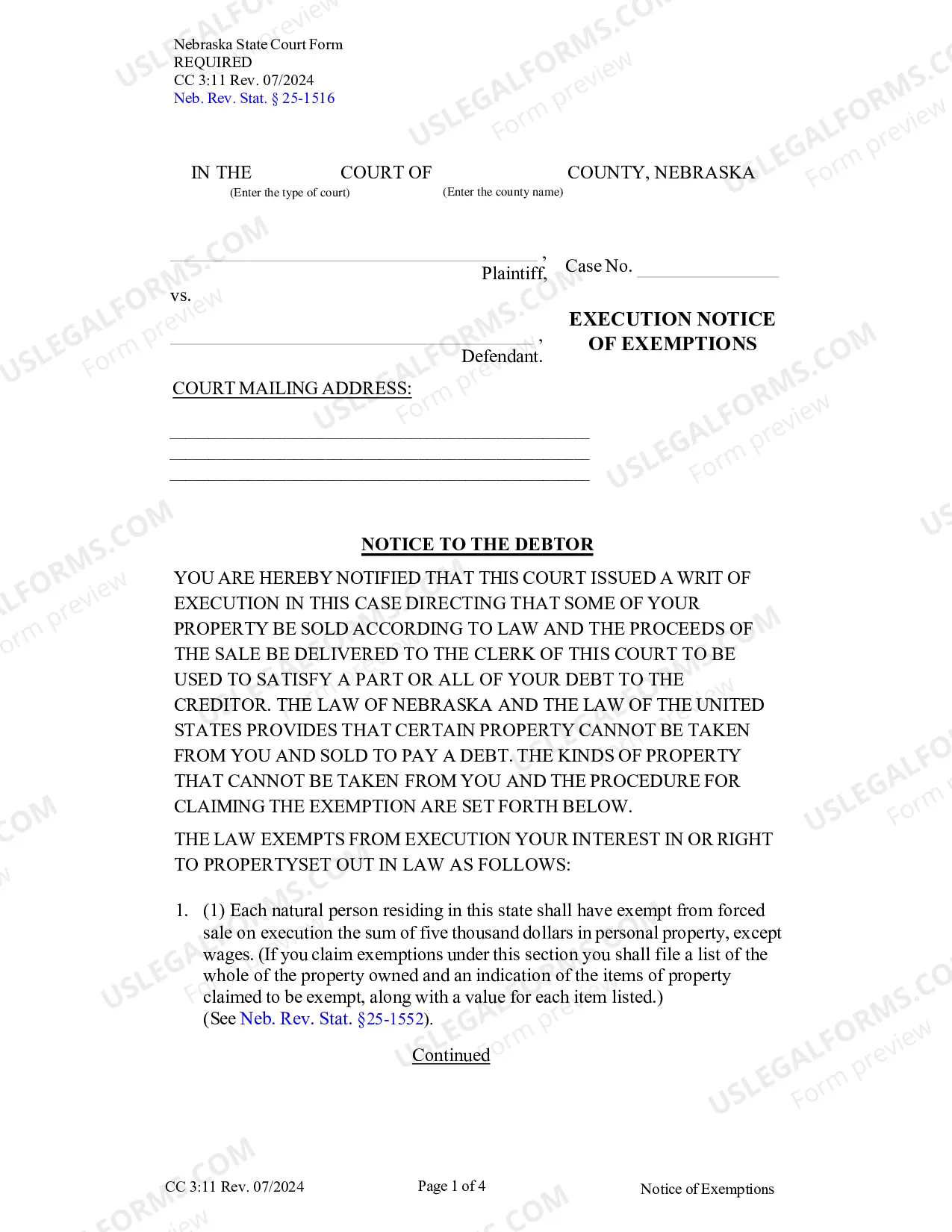







Form popularity
FAQ
Protecting Your Rights as an Employee In California, employers are not required to provide a reason for terminating an employee under the doctrine of at-will employment, as outlined in Labor Code Section 2922.
While not required under federal law when letting go of an employee, providing a notice of termination letter can put closure on an employment situation. The termination letter should be written carefully and provide certain details depending on the situation.
Mutual Agreement: Both parties may agree to terminate the contract early. This is often the simplest and least contentious method. Termination Clauses: Many contracts include specific clauses that outline the conditions under which the contract may be terminated before its natural conclusion.
No advance notice of termination or resignation is required. If advance notice of resignation is given, it can be accepted, rejected, or modified by the employer.
In Texas, an employer does not have to give a departing employee a termination notice or letter, or a letter of recommendation, based on a 1914 Texas Supreme Court ruling in the case of St. Louis Southwestern Railway Co. of Texas v. Griffin, 171 S.W.
How do you write a Termination Agreement? Provide the names and mailing addresses of each party involved. Provide details from the original contract. Select a termination date after which the contract will no longer be in effect. State if either party is providing compensation as part of the Termination Agreement.
Simply explain that you are terminating the contract because the terms were not met (or for whatever other reason you deem it necessary) and that any concerns can be returned to you in writing or via your preferred contact method.
A party may no longer be able to deliver on the contract - which in turn can give rise to rights to terminate the contract altogether. Termination by performance. Termination by Agreement. Termination for Breach of Contract. Termination by frustration.
Mutual Agreement: Both parties may agree to terminate the contract early. This is often the simplest and least contentious method. Termination Clauses: Many contracts include specific clauses that outline the conditions under which the contract may be terminated before its natural conclusion.

