Contract Termination For Convenience
Description
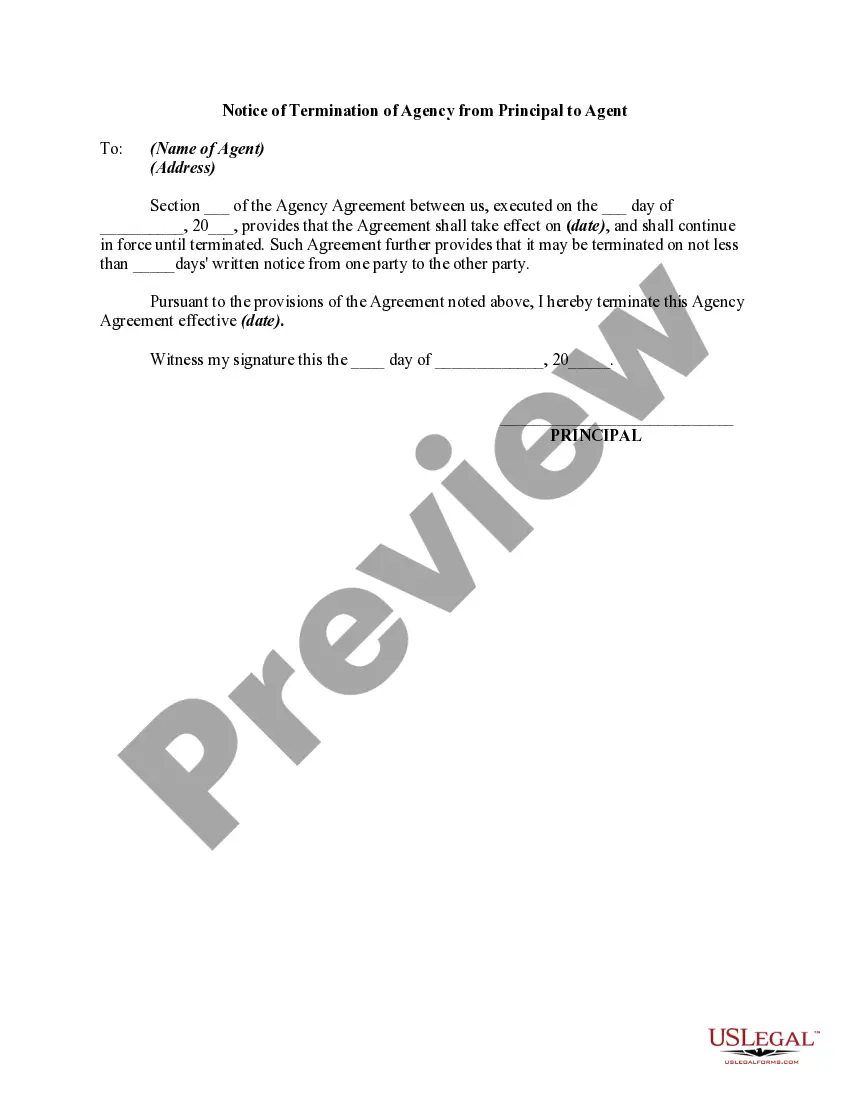
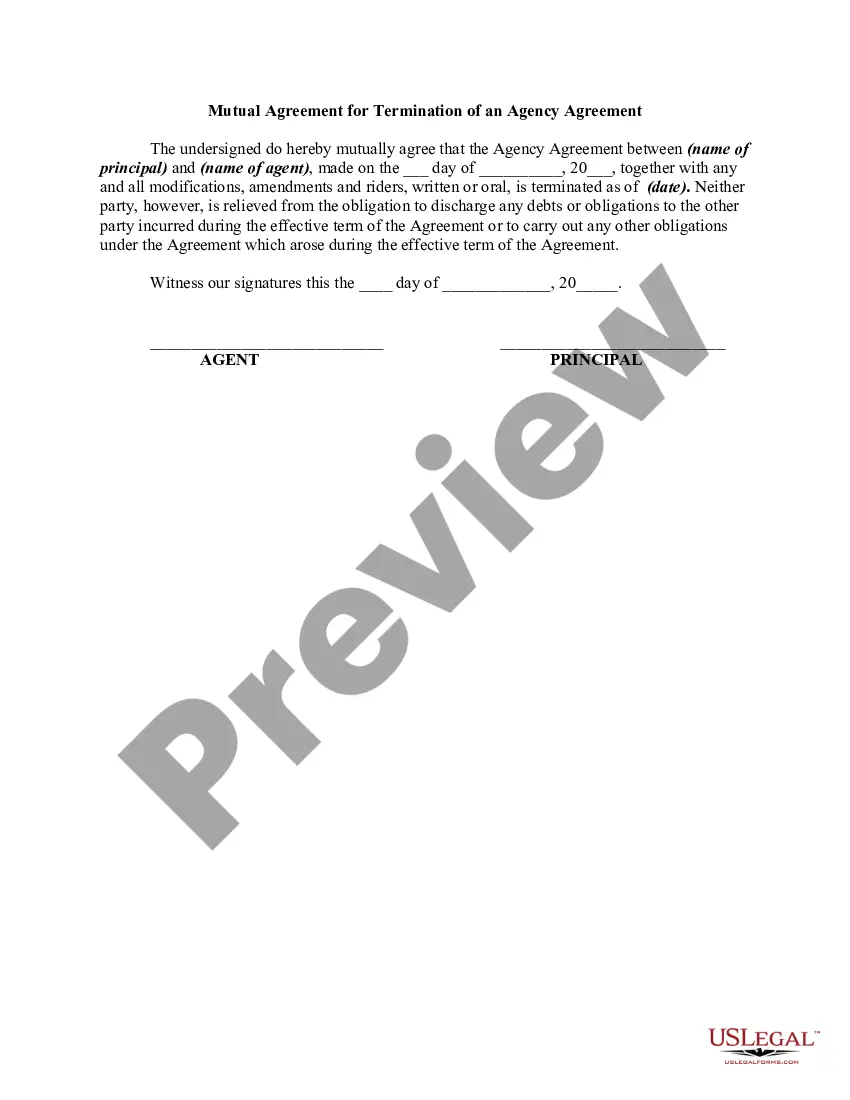
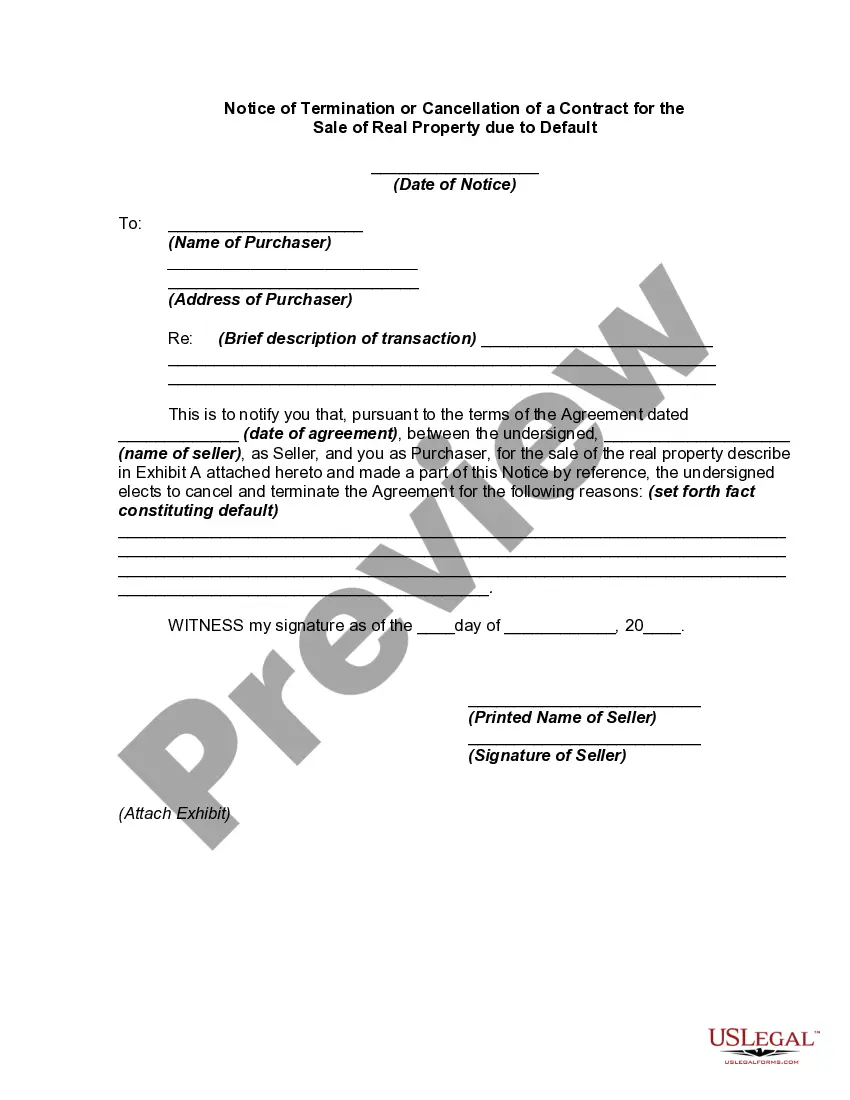
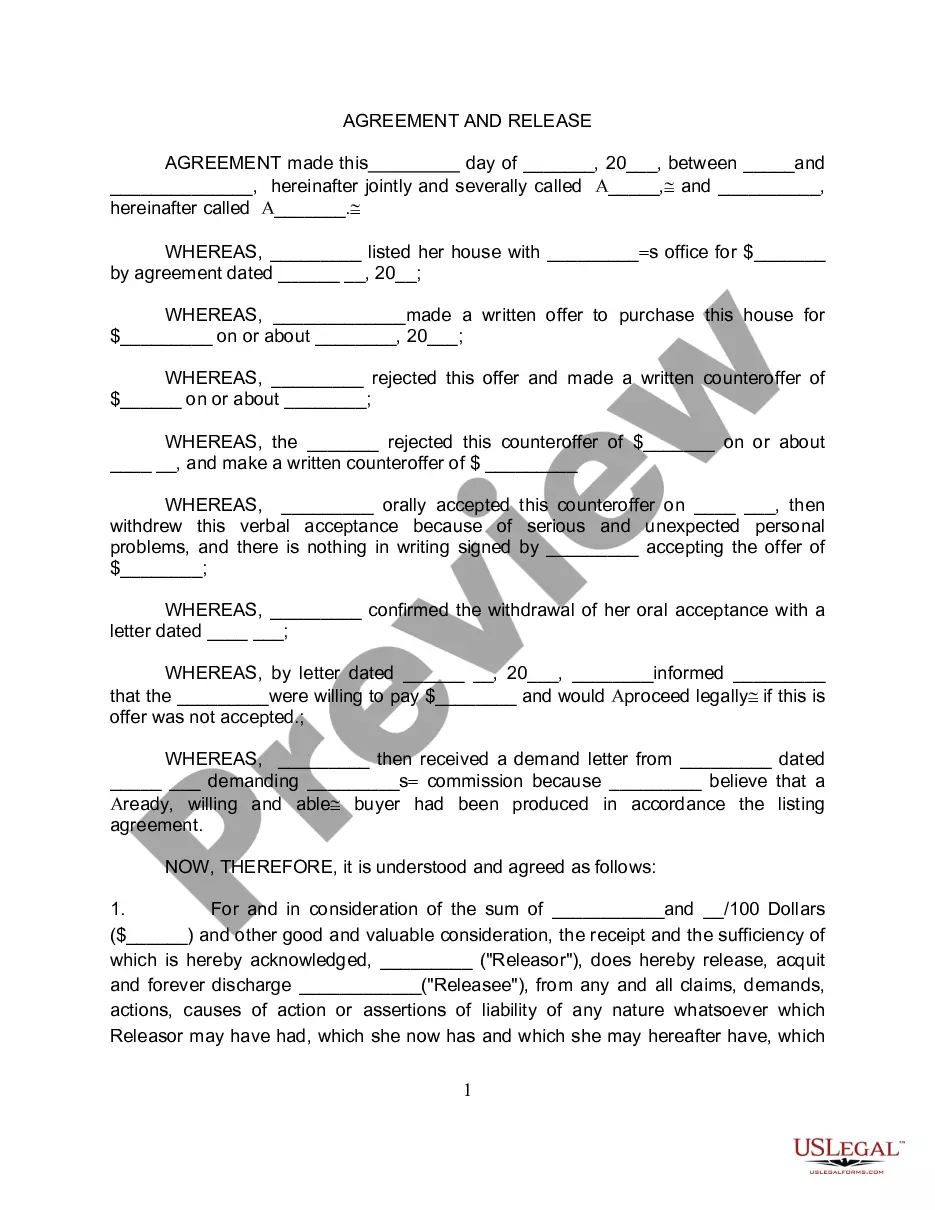
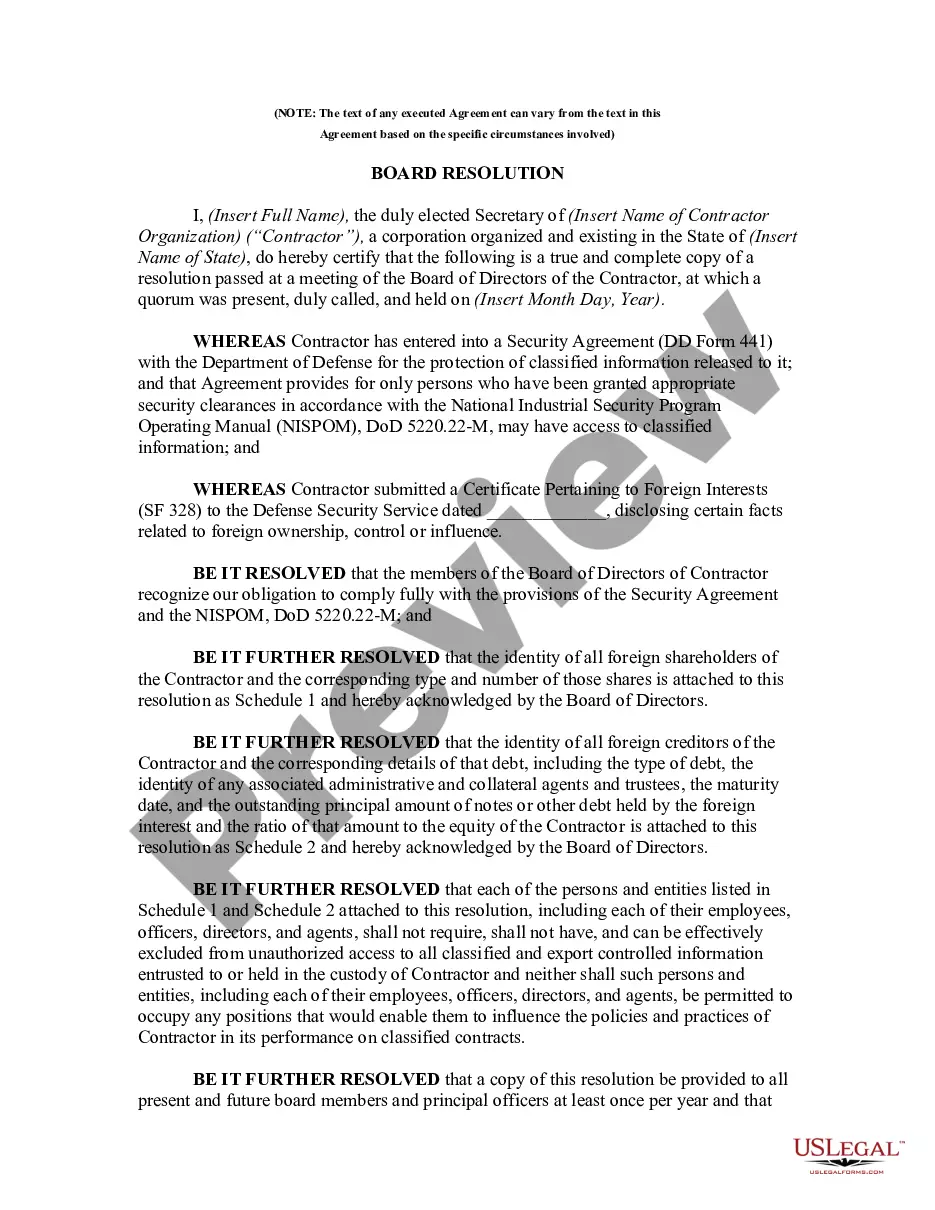
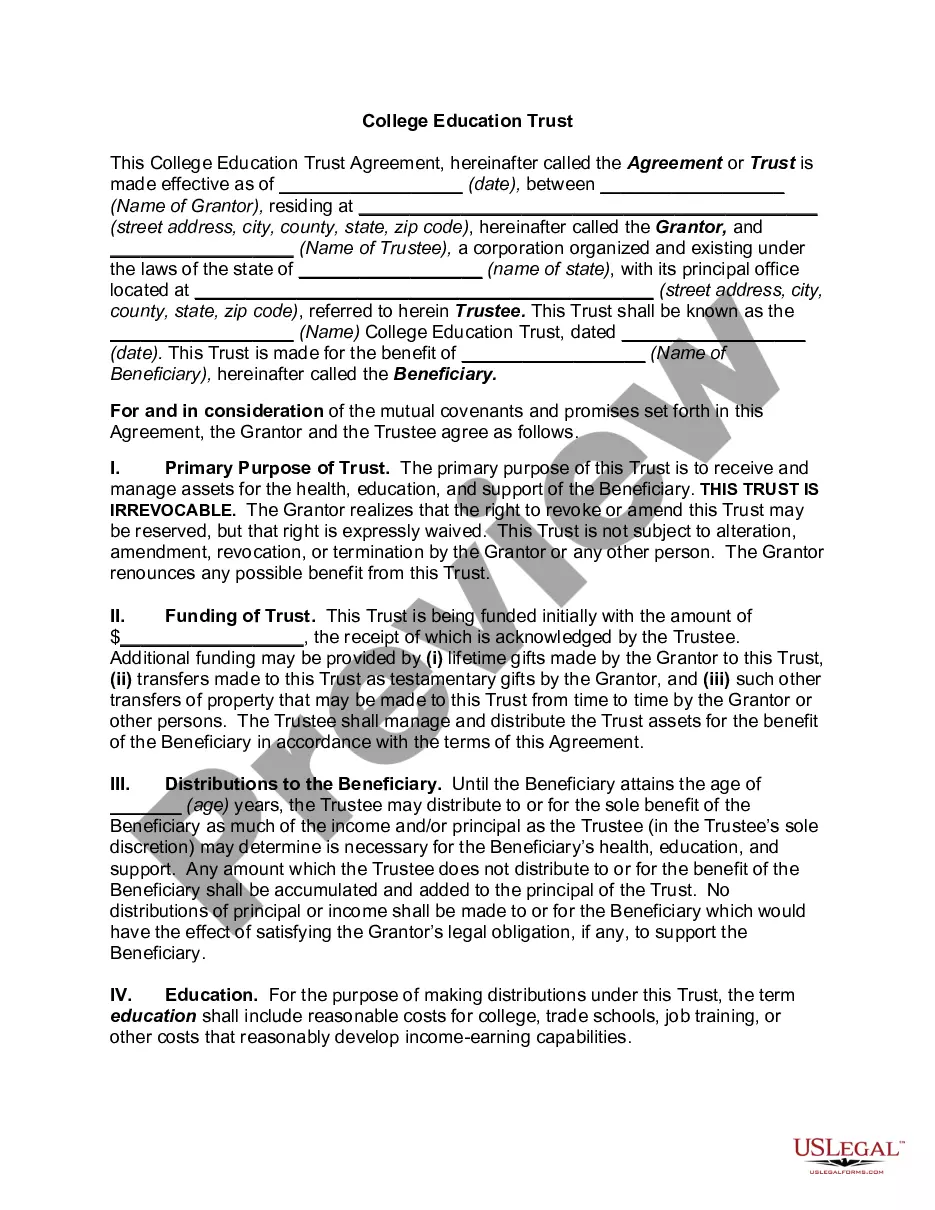
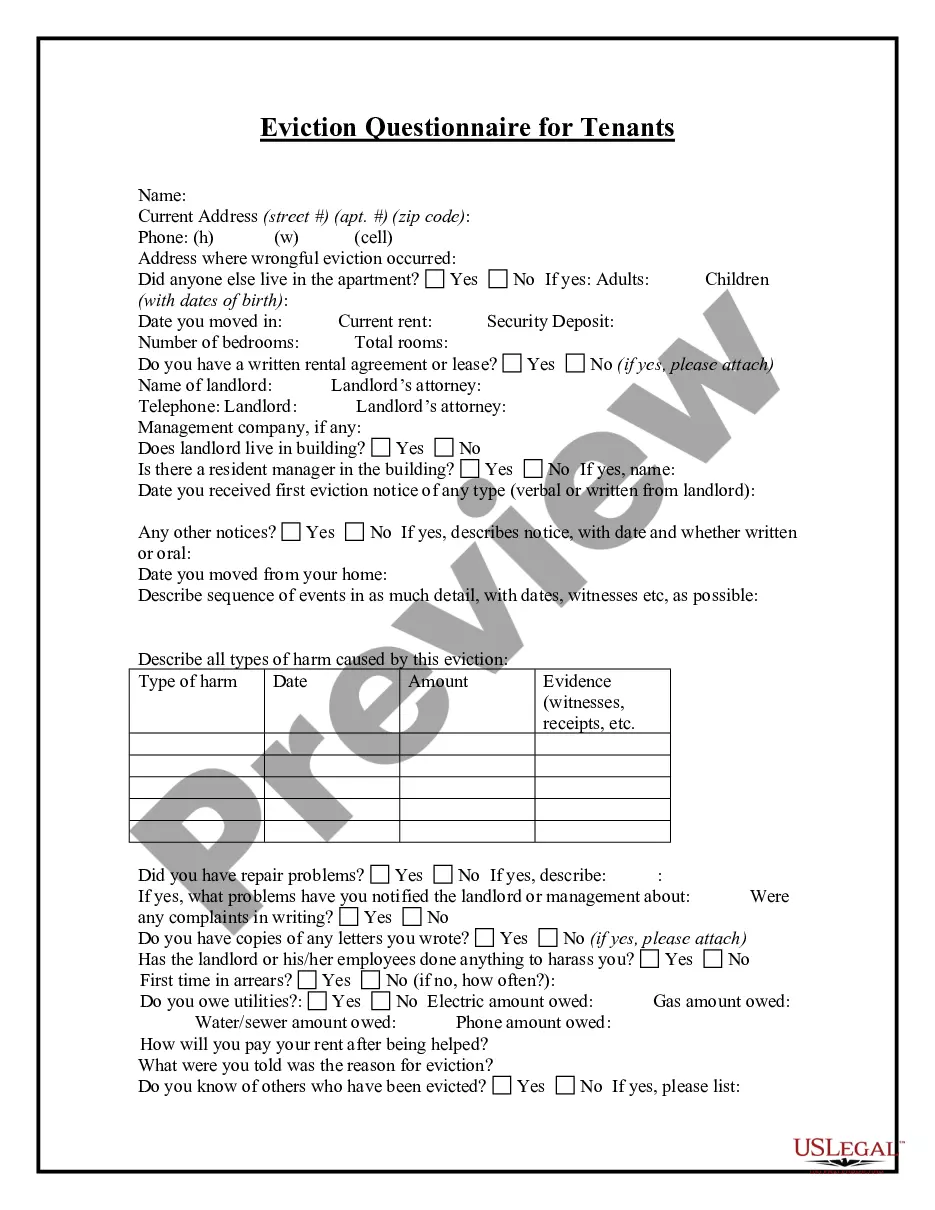
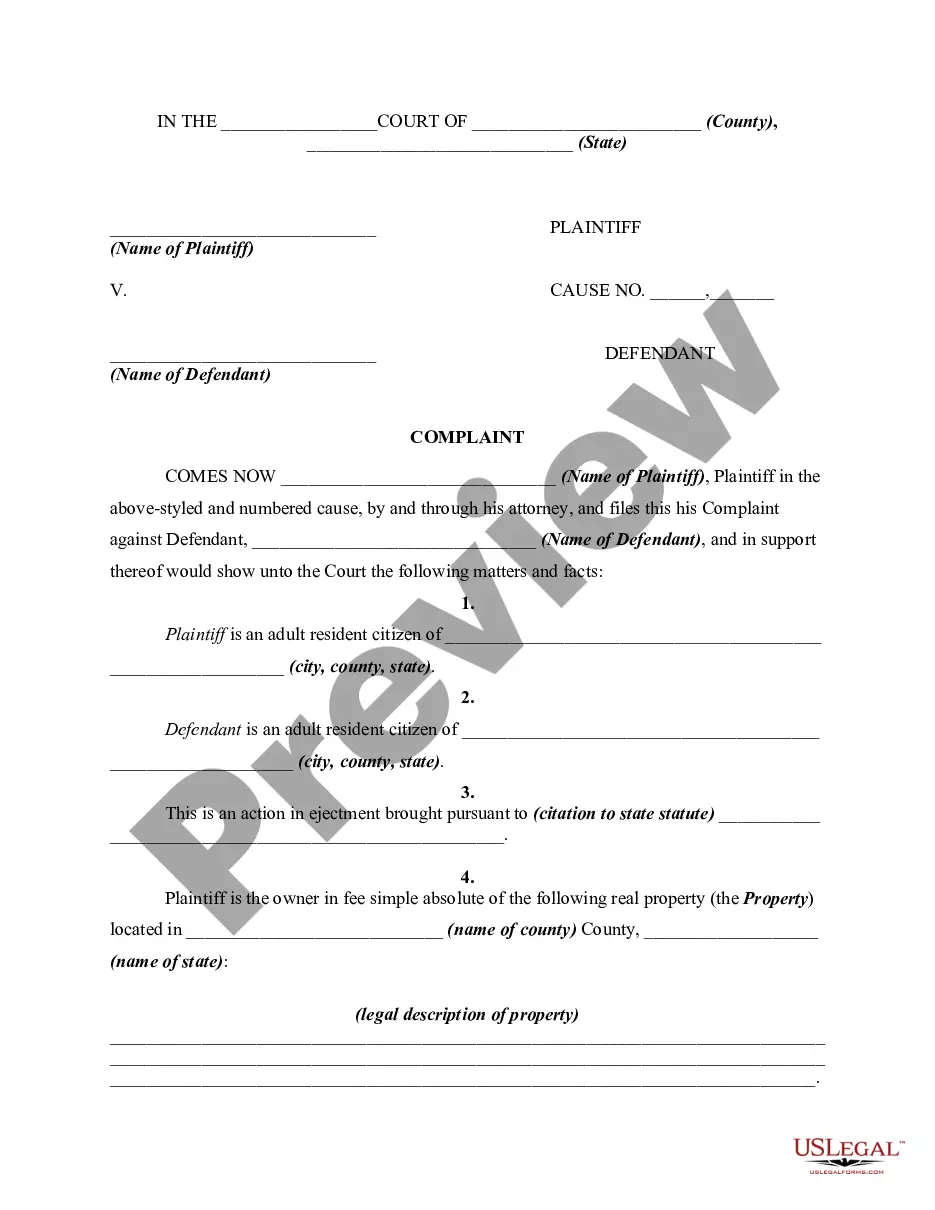
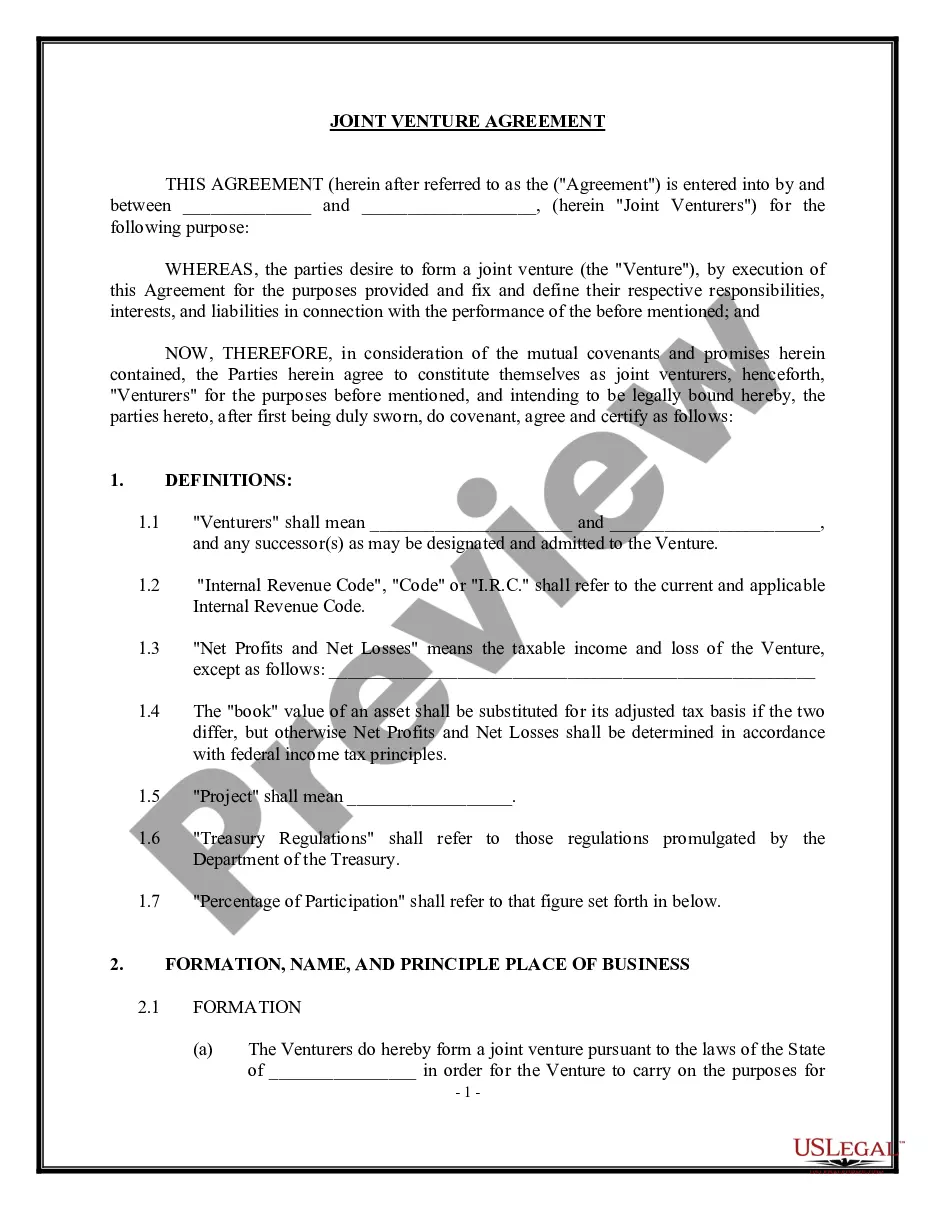
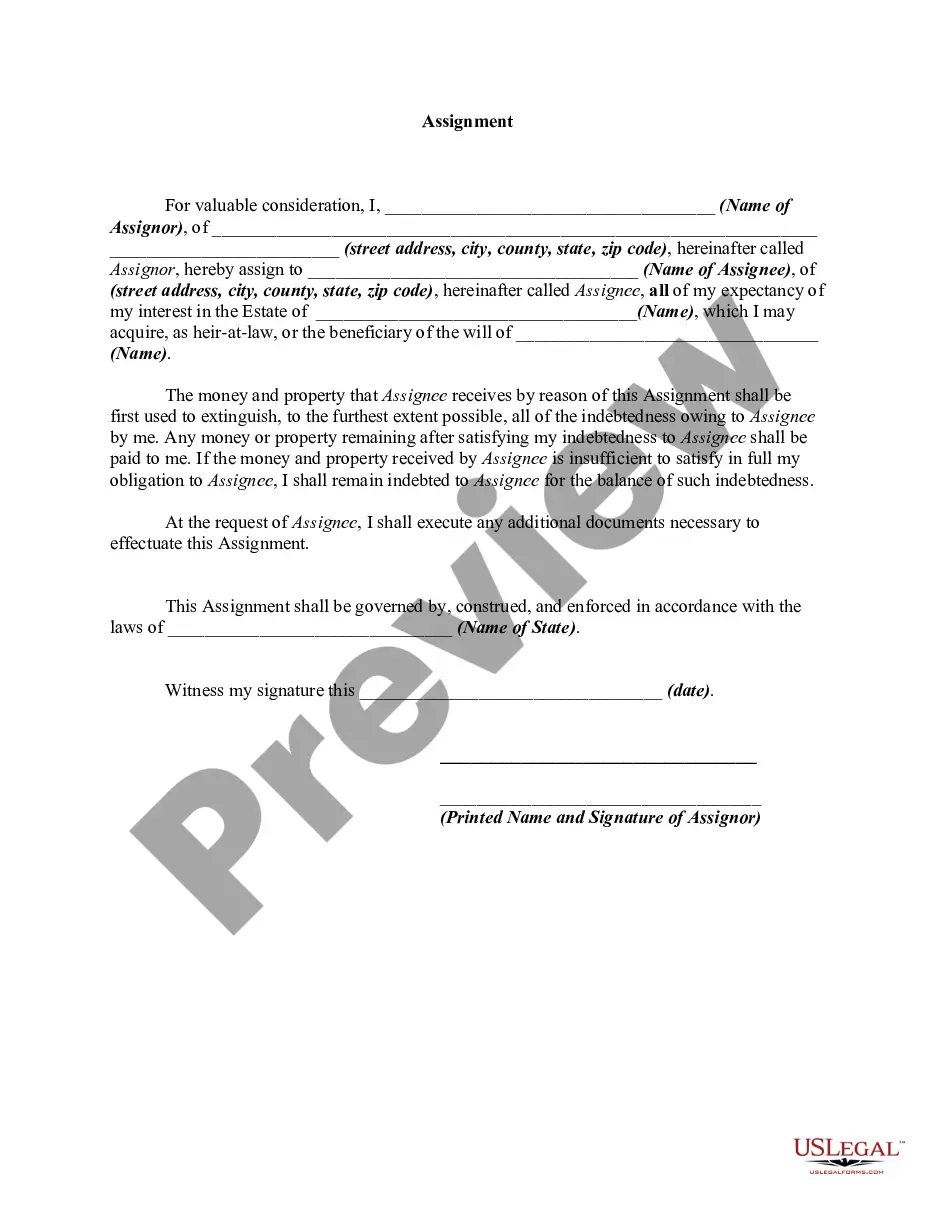
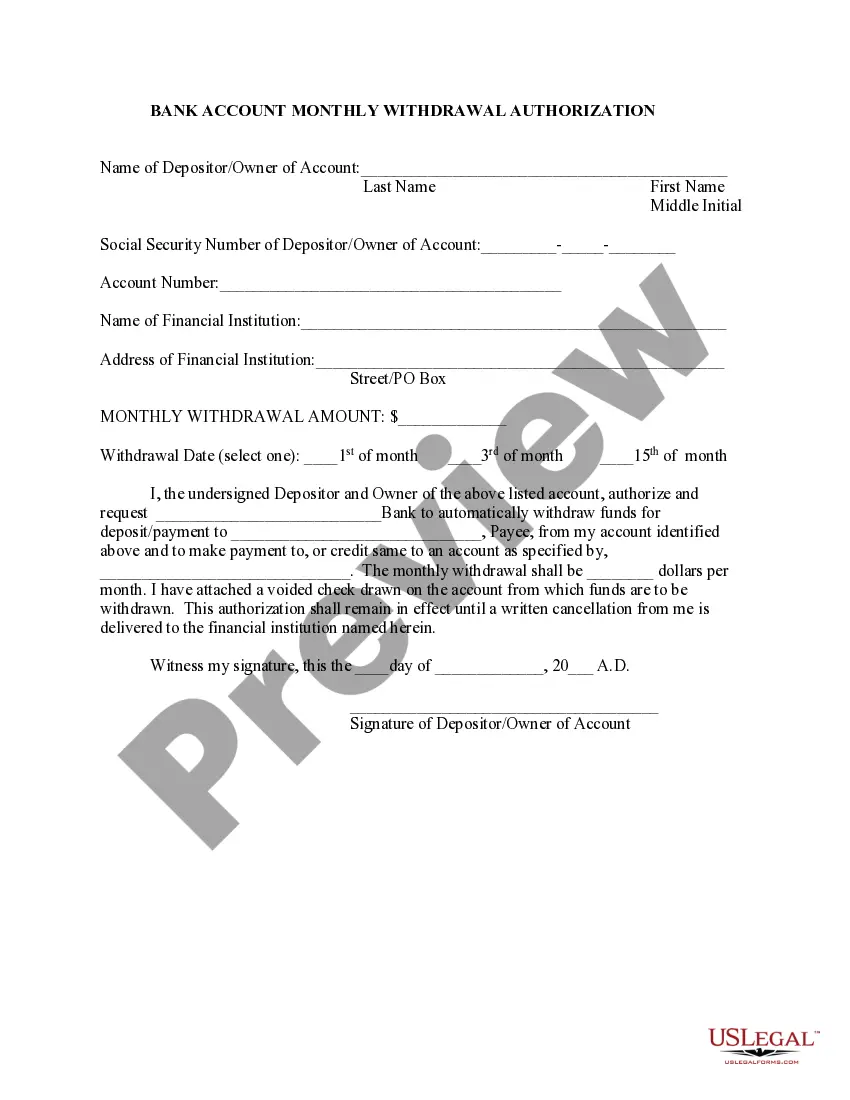
How to fill out Termination Or Cancellation Of Listing Agreement?
Acquiring legal templates that comply with federal and state regulations is essential, and the web provides numerous selections to choose from.
However, why spend time searching for the appropriately drafted Contract Termination For Convenience example online when the US Legal Forms online repository already compiles such templates in one location.
US Legal Forms is the largest online legal archive with over 85,000 fillable templates created by attorneys for various professional and personal scenarios. They are easy to navigate with all documents organized by state and intended use.
Explore other samples using the search tool at the top of the page if necessary.
- Our experts stay updated with legislative changes, ensuring that your form is current and compliant when obtaining a Contract Termination For Convenience from our platform.
- Acquiring a Contract Termination For Convenience is quick and straightforward for both existing and new users.
- If you already possess an account with an active subscription, Log In and store the document sample you need in the appropriate format.
- If you are unfamiliar with our site, follow the instructions provided.
- Review the template using the Preview feature or through the text outline to confirm it satisfies your requirements.
Form popularity
FAQ
A termination for convenience clause, or "T for C" clause, enables a party to a contract to bring the contract to an end without the need to establish that the other party is in default, for example because the client party's needs have changed, or in order to arrange for another party to complete the contract.
TERMINATION FOR CONVENIENCE The Owner may terminate this contract at any time by giving at least ten (10) days' notice in writing to the Contractor. If the contract is terminated by the Owner as provided herein, the Contractor will be paid for the time provided and expenses incurred up to the termination date.
Significant Distinctions A termination for cause can create negative impacts on the contractor's future work and can also hurt them regarding bonding capacity and credit rating. Termination for convenience, however, allows both parties to walk away satisfied.
Termination for convenience can be used when the upstream party is uncomfortable or would like to sever ties with the downstream party but does not have a reason to terminate for cause. Terminating for convenience often arises when continuing with the project is not financially feasible or desirable.
NOTICE OF TERMINATION FOR CONVENIENCE (SAMPLE) Pursuant to Section ___ (Termination) of the contract, this contract is hereby terminated effective [date]. [Contractor Name] is directed to immediately stop all work, terminate subcontracts, and place no further orders.
