Listing Agreements Can Be Terminated By In Contra Costa
Description
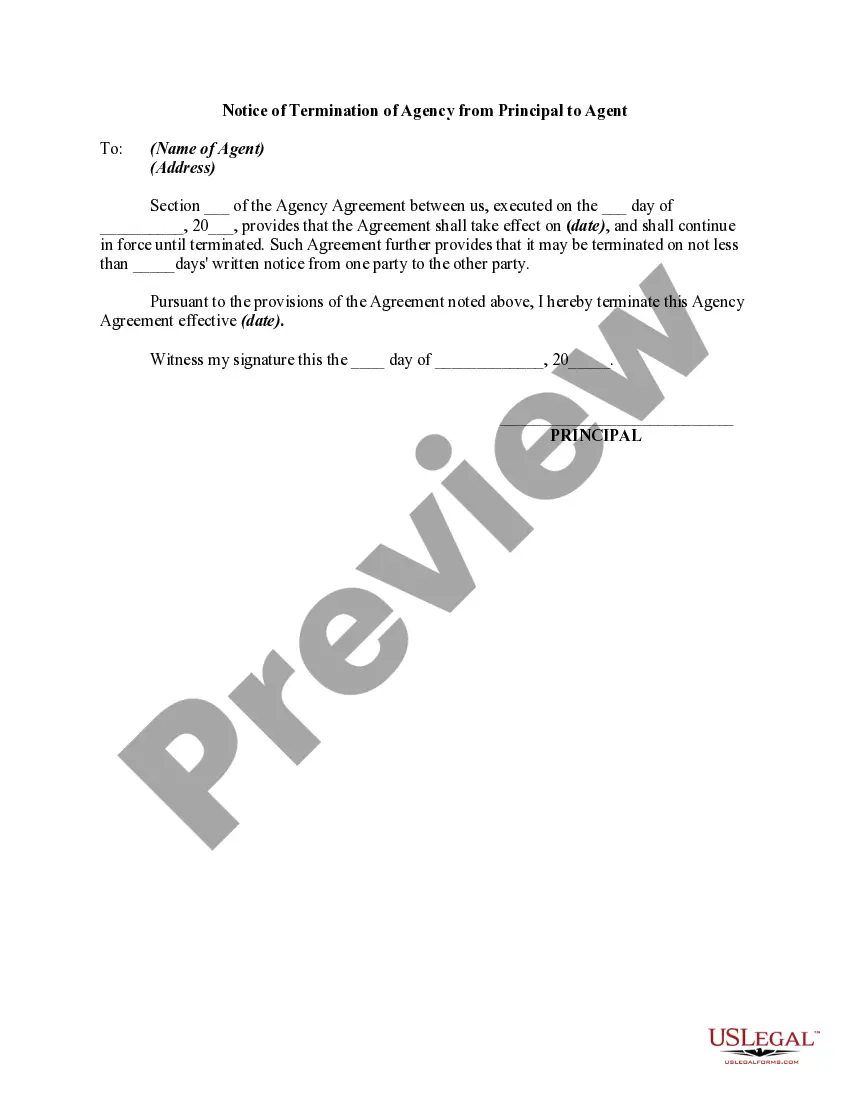
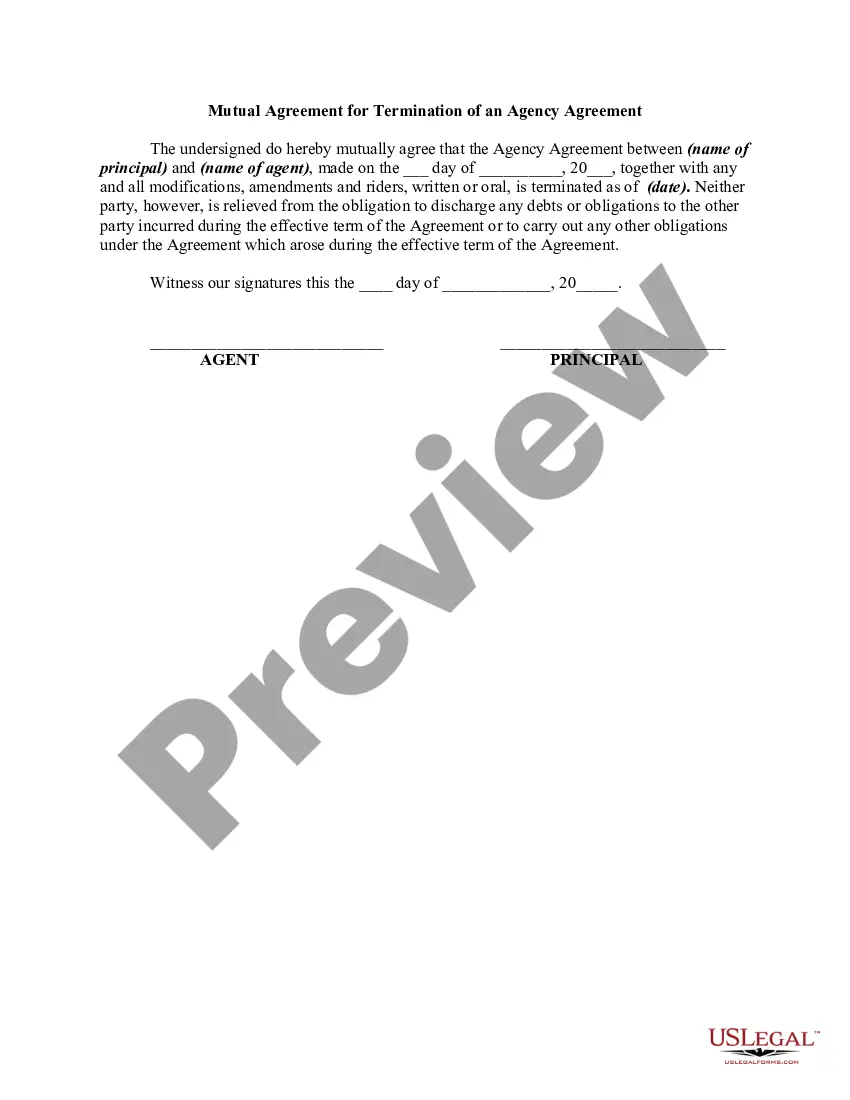
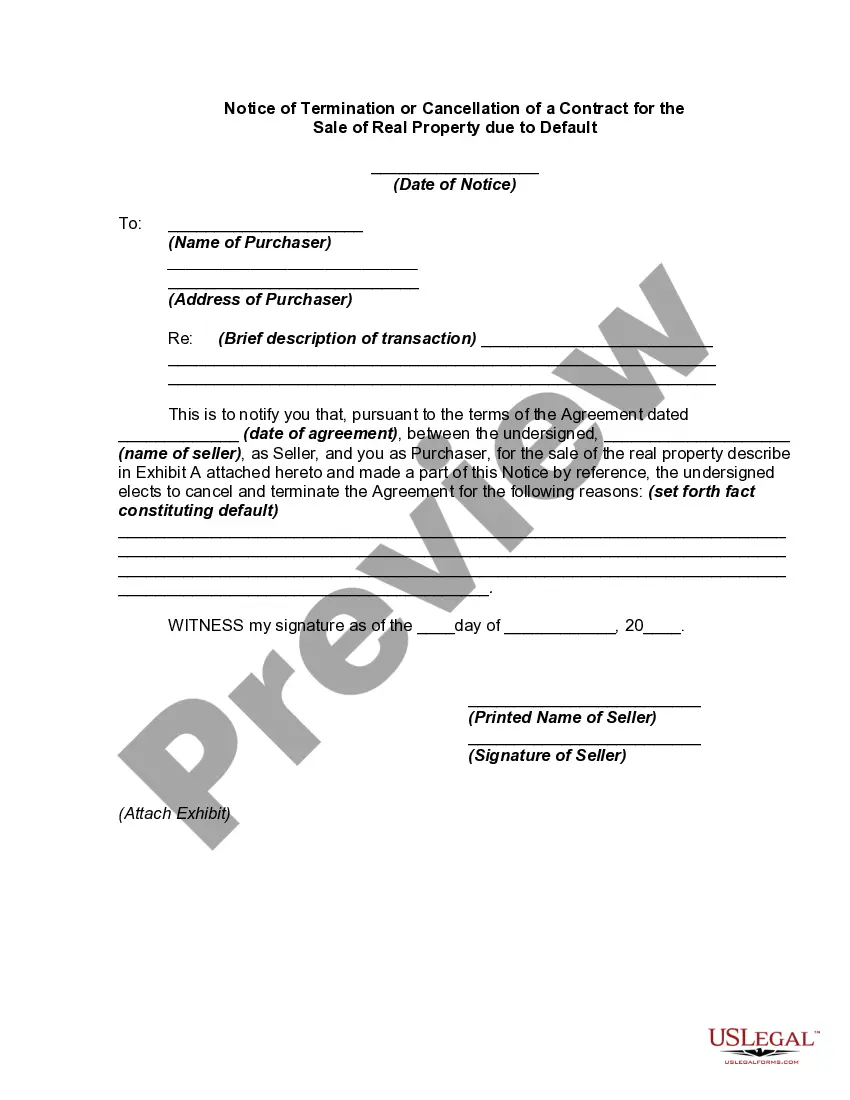

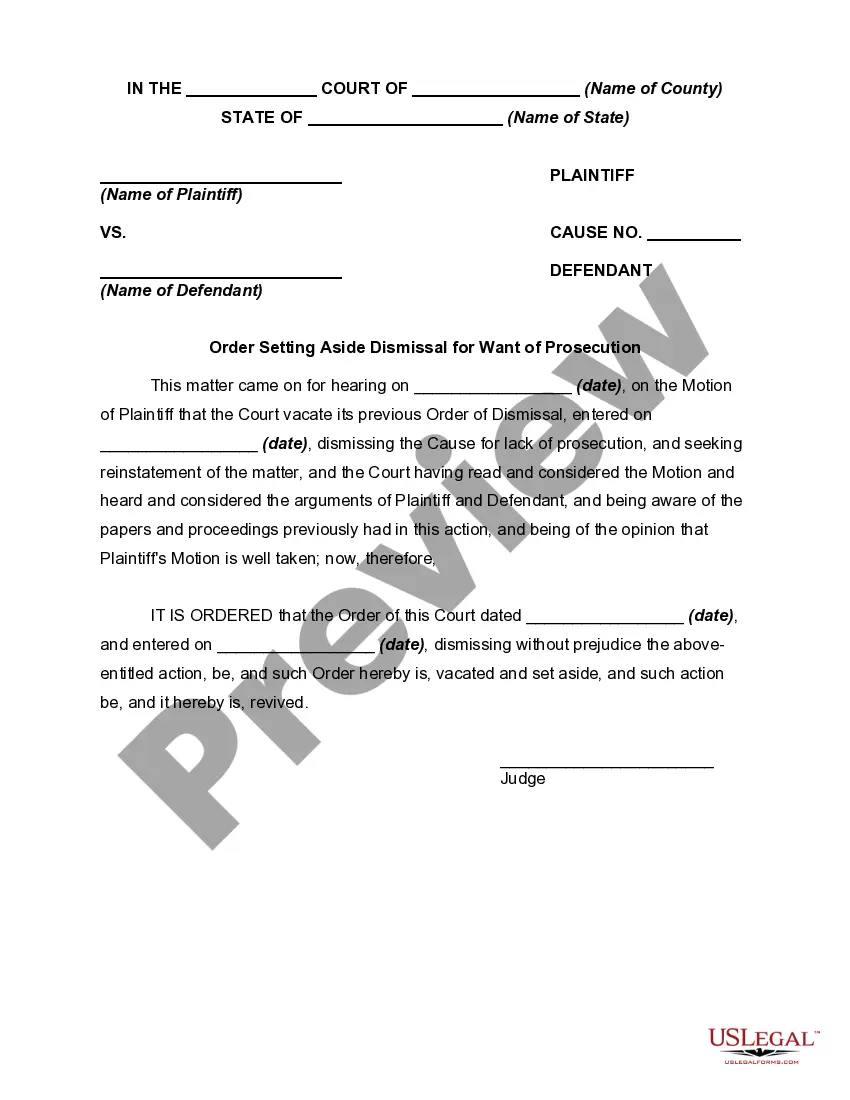
Get your form ready online
Our built-in tools help you complete, sign, share, and store your documents in one place.
Make edits, fill in missing information, and update formatting in US Legal Forms—just like you would in MS Word.
Download a copy, print it, send it by email, or mail it via USPS—whatever works best for your next step.
Sign and collect signatures with our SignNow integration. Send to multiple recipients, set reminders, and more. Go Premium to unlock E-Sign.
If this form requires notarization, complete it online through a secure video call—no need to meet a notary in person or wait for an appointment.
We protect your documents and personal data by following strict security and privacy standards.

Make edits, fill in missing information, and update formatting in US Legal Forms—just like you would in MS Word.

Download a copy, print it, send it by email, or mail it via USPS—whatever works best for your next step.

Sign and collect signatures with our SignNow integration. Send to multiple recipients, set reminders, and more. Go Premium to unlock E-Sign.

If this form requires notarization, complete it online through a secure video call—no need to meet a notary in person or wait for an appointment.

We protect your documents and personal data by following strict security and privacy standards.
Looking for another form?



Form popularity
FAQ
The cancellation provisions are found in Paragraphs 14C (1) and (2), and in Paragraph 14E of the CA-RPA. Regardless of the reason, the seller must give some type of notice to the buyer, however (either a Notice to Perform or a Demand to Close Escrow) before the seller can cancel.
In general, valid reasons for terminating a listing agreement include: A) Mutual agreement between the seller and agent, B) Completion of the sale, and C) Expiration of the agreed-upon time period, as these reasons reflect the successful conclusion or mutual termination of the contract.
You can indeed cancel a real estate listing agreement in California. Sellers might be asking themselves, “under what circumstances?” And the answer to that is: almost any. Maybe you changed your mind and you decided you don't want to sell your house after all.
Both principals to the listing agreement have the power to revoke the contract at any time. They do not, however, always have the right. That is, client or broker may cancel a listing but remain liable for damages to the other party.
A listing agreement is a binding contract, but there are a number of ways to get out of one. Whether you change your mind about selling, have ethical or performance concerns about the agent, or you just don't find a buyer, you can get out of a listing agreement.
Whether you change your mind about selling, have ethical or performance concerns about the agent, or you just don't find a buyer, you can get out of a listing agreement. But before you sign one, you should understand your options for terminating a listing agreement so you don't feel stuck in a bad situation.
The simplest way to terminate a listing agreement is through mutual consent. If both you and your agent agree to part ways, you can cancel the agreement without penalties. Make sure to document this agreement in writing, as it will serve as evidence in case of any disputes later on.
Yes, a seller can ask their listing agent to remove their house from the MLS. A seller might decide to delist their house for a number of reasons, such as a change in personal circumstances.
Among the options given, 'nonpayment of the commission by the seller' would not necessarily result in the termination of a listing. However, the other scenarios, such as the expiration of the contract, death or incapacity of the broker, and destruction of the improvements on the property, may lead to termination.

