Contract Termination For Cause In Contra Costa
Description
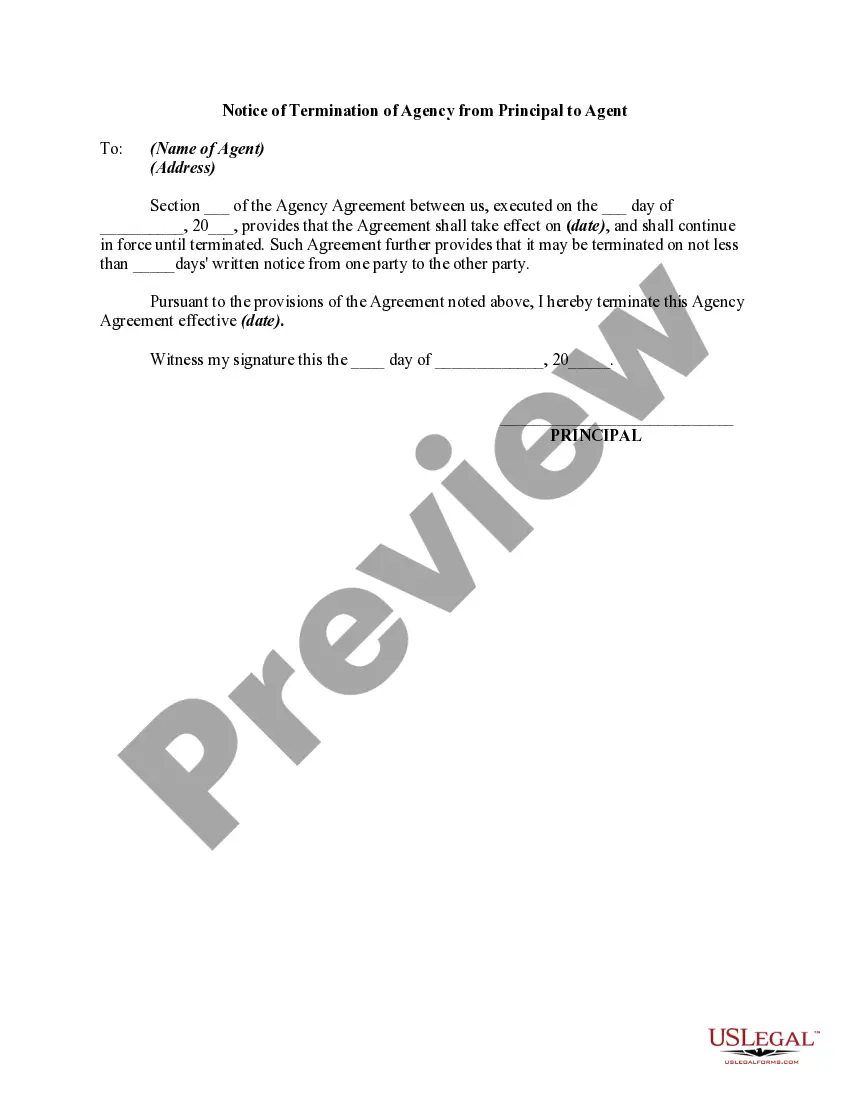
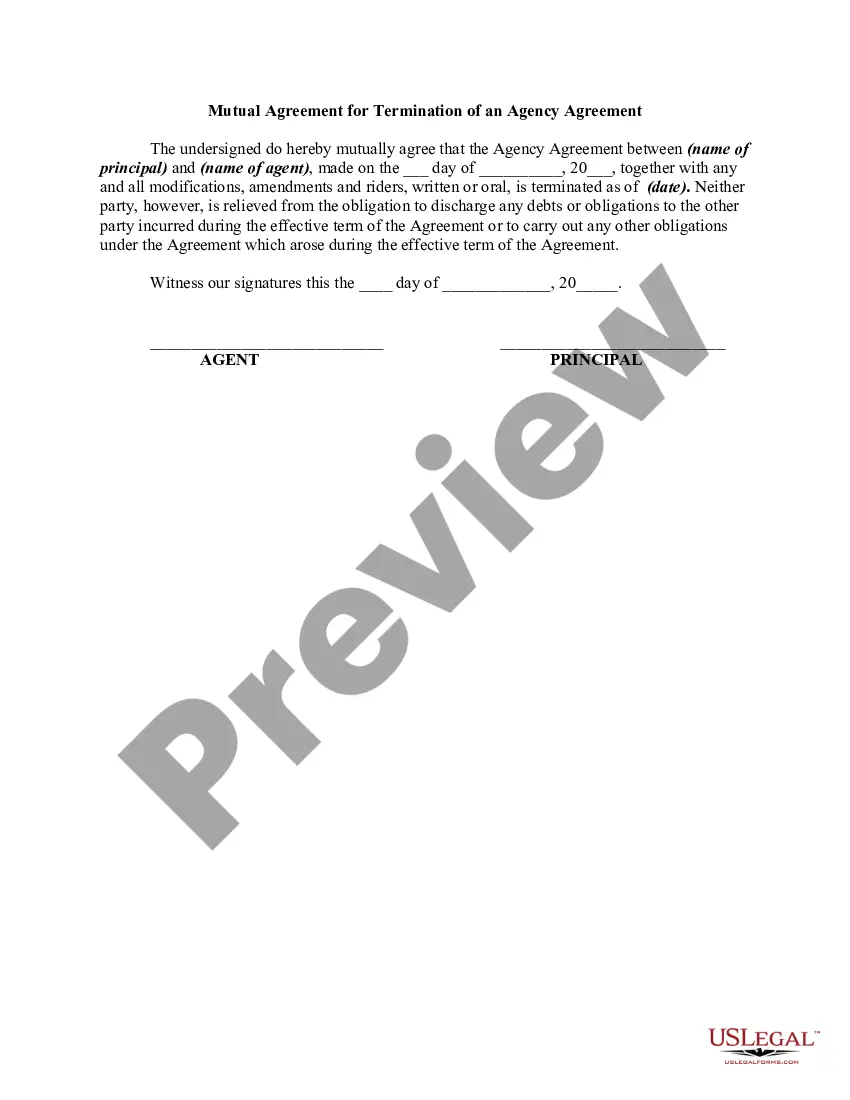
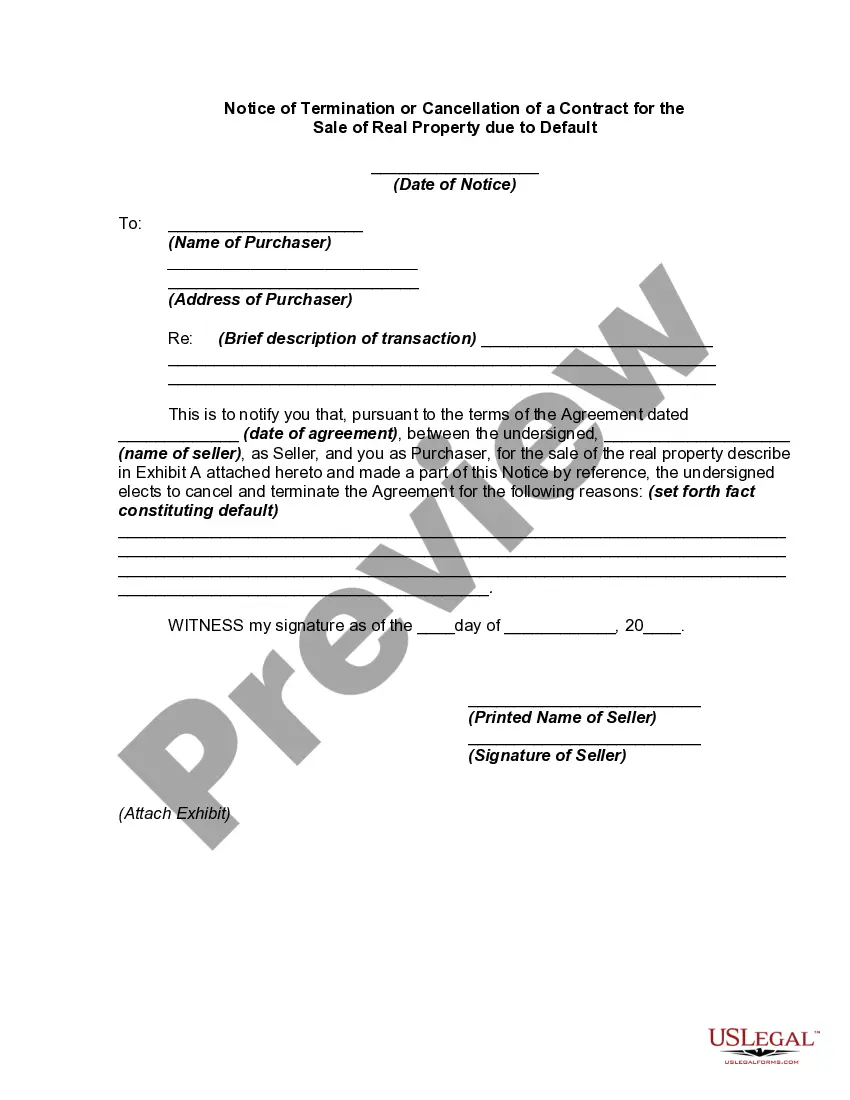
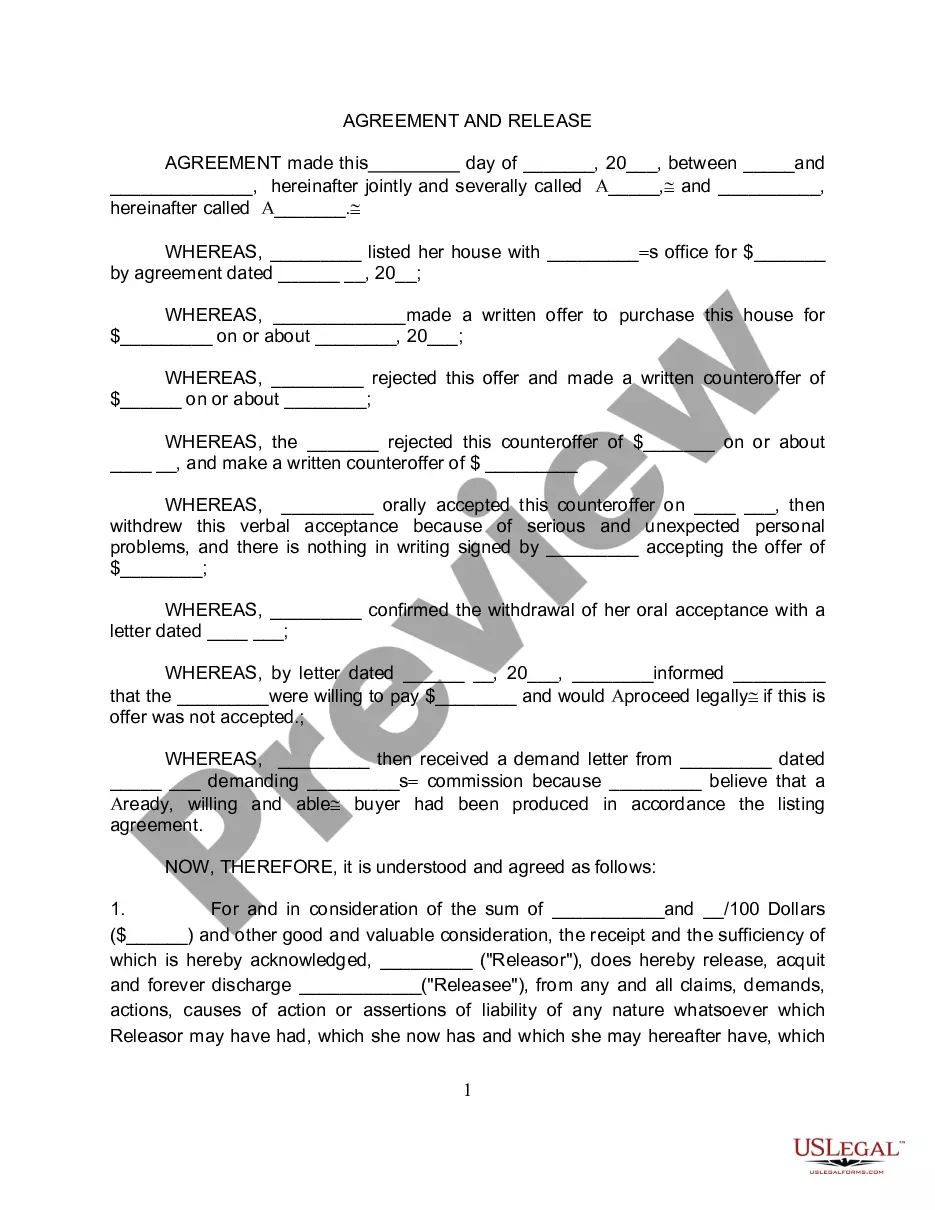
Get your form ready online
Our built-in tools help you complete, sign, share, and store your documents in one place.
Make edits, fill in missing information, and update formatting in US Legal Forms—just like you would in MS Word.
Download a copy, print it, send it by email, or mail it via USPS—whatever works best for your next step.
Sign and collect signatures with our SignNow integration. Send to multiple recipients, set reminders, and more. Go Premium to unlock E-Sign.
If this form requires notarization, complete it online through a secure video call—no need to meet a notary in person or wait for an appointment.
We protect your documents and personal data by following strict security and privacy standards.

Make edits, fill in missing information, and update formatting in US Legal Forms—just like you would in MS Word.

Download a copy, print it, send it by email, or mail it via USPS—whatever works best for your next step.

Sign and collect signatures with our SignNow integration. Send to multiple recipients, set reminders, and more. Go Premium to unlock E-Sign.

If this form requires notarization, complete it online through a secure video call—no need to meet a notary in person or wait for an appointment.

We protect your documents and personal data by following strict security and privacy standards.
Looking for another form?







Form popularity
FAQ
Shortest Possible Timeline: ~30–45 days if the tenant does not contest the eviction. Average Timeline: 60–90 days, factoring in tenant responses, court delays, and sheriff availability. Extended Timeline: 3–6 months if the tenant appeals, requests a Stay of Execution, or legal complexities arise.
Step-by-step guide to writing an eviction notice without a lease Start with a clear and concise header. State the reason for eviction. Specify the time frame for vacating. Include a section on unpaid rent or damages. Provide information on the consequences of non-compliance. Sign and date the notice.
To start the eviction case, fill out 4 court forms: Summons - Unlawful Detainer-Eviction (form SUM-130) Complaint - Unlawful Detainer (form UD-100) Plaintiff's Mandatory Cover Sheet and Supplemental Allegations – Unlawful Detainer (form UD-101)
If you get a 3, 30, 60 or 90-day notice and don't take action, your landlord can file a lawsuit against you called an Unlawful Detainer. An Unlawful Detainer tells you that the landlord is suing to have you evicted. It names the landlord as the Plaintiff and you as the Defendant.
California's Tenant Protection Act The only lawful way to evict a tenant is to file lawsuit and wait for the court to order the Sheriff or Marshal to carry out the eviction. Landlords cannot change the locks, shut off power, or remove personal property in order to force a tenant out of their home.
Termination for cause clauses allow parties to terminate an agreement due to the other party's inaction or actions or a breach of contract. For example, suppose a software development project depends on parties completing their contractual duties by .
Just cause termination refers to an employer's right to terminate an employee for a valid reason, such as serious misconduct or repeated violations of company policies, without providing severance or other compensation.
Termination for cause occurs when a party's actions or inactions cause the contract to break down. This could be because they've failed or refused to perform their contractual obligations and breached the contract, for example.
Contract termination is the process of ending a contract before the obligations within it have been fulfilled by all parties. This means that one or more parties have made the decision to conclude the contract earlier than they had originally agreed when drafting and signing it.
A contract may allow a party or both parties to elect to bring it to an end, for no specific reason. If that is the case, understanding the notice requirements will be incredibly important.
