Terminate Contract For In Chicago
Description
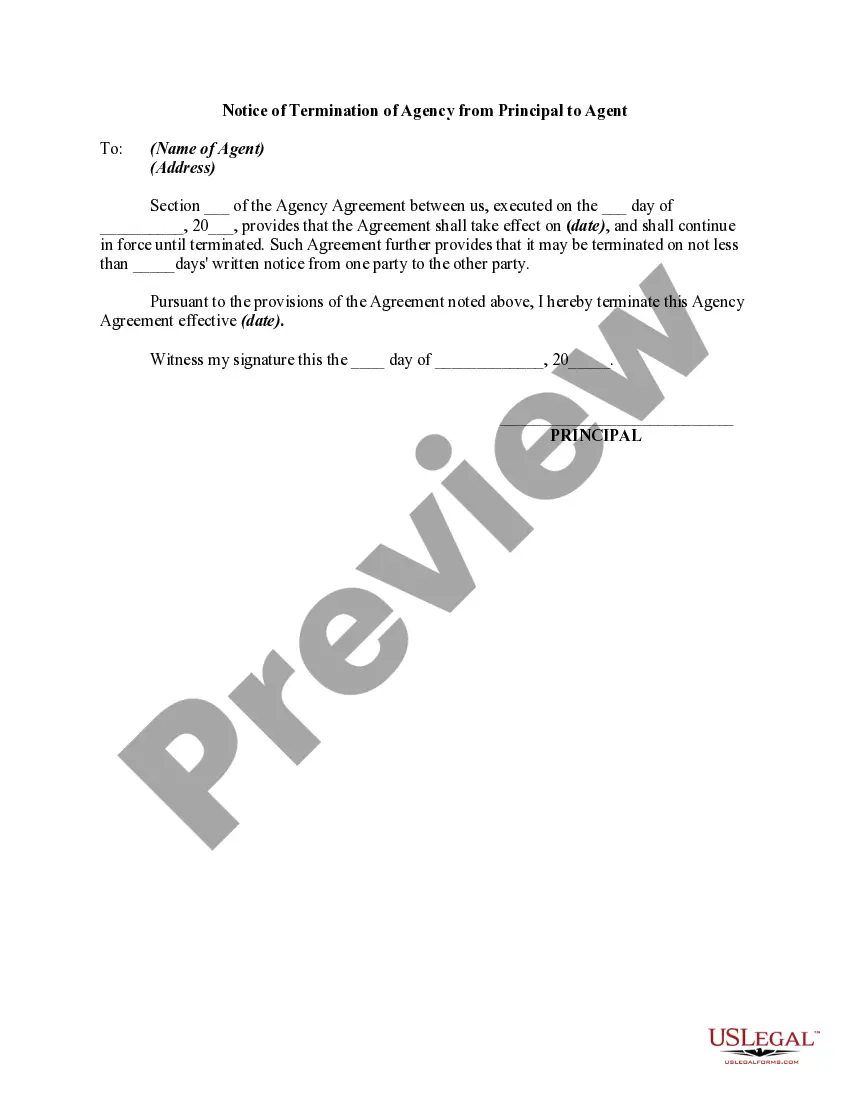
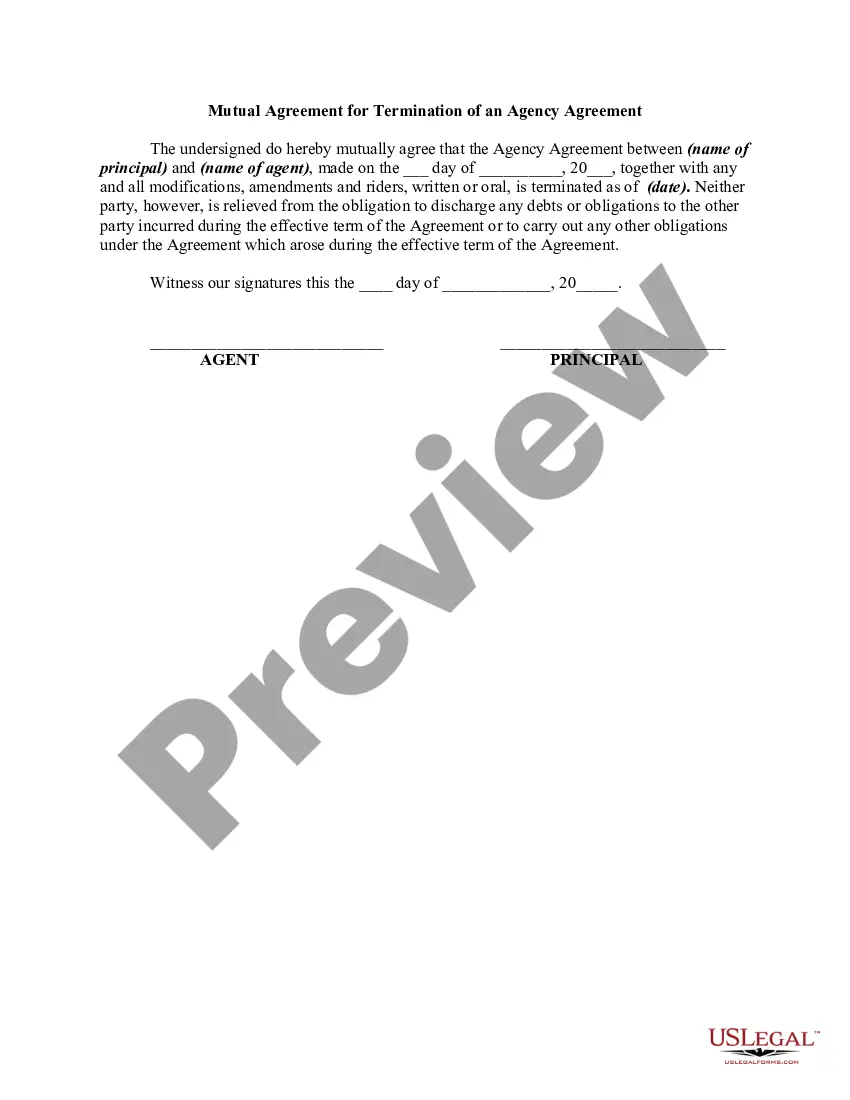
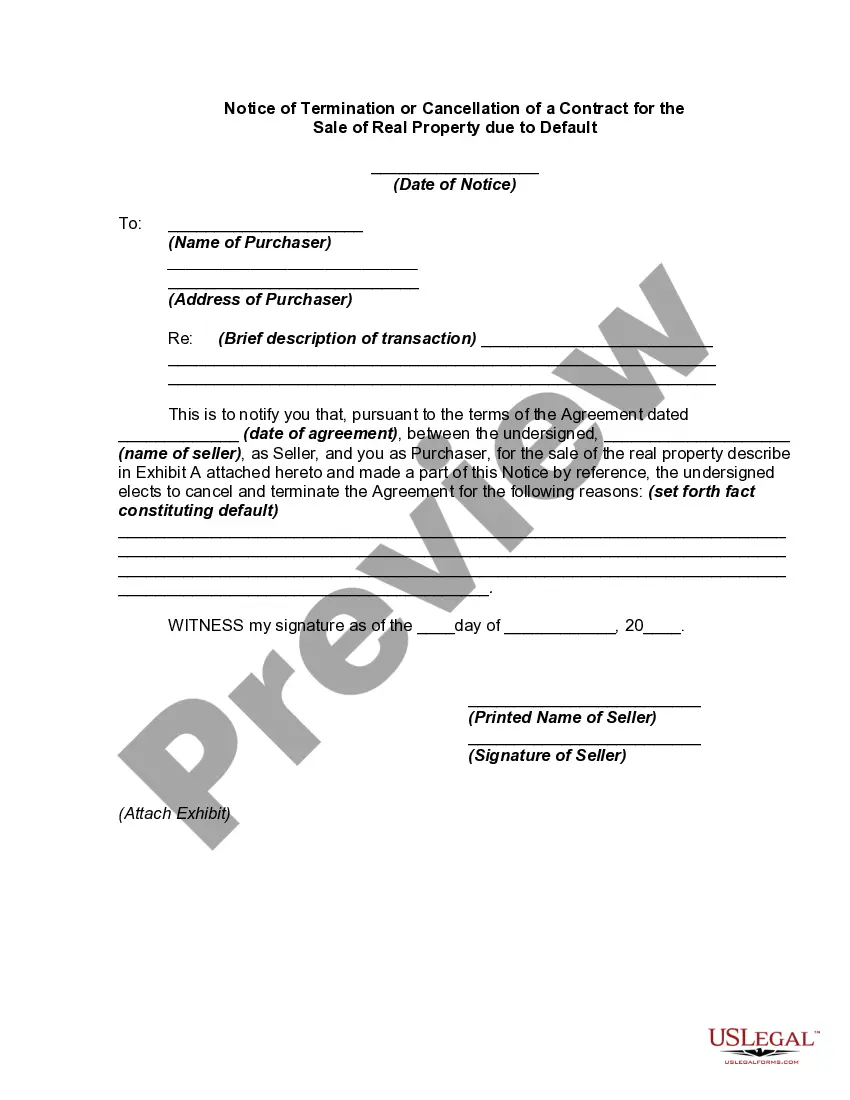
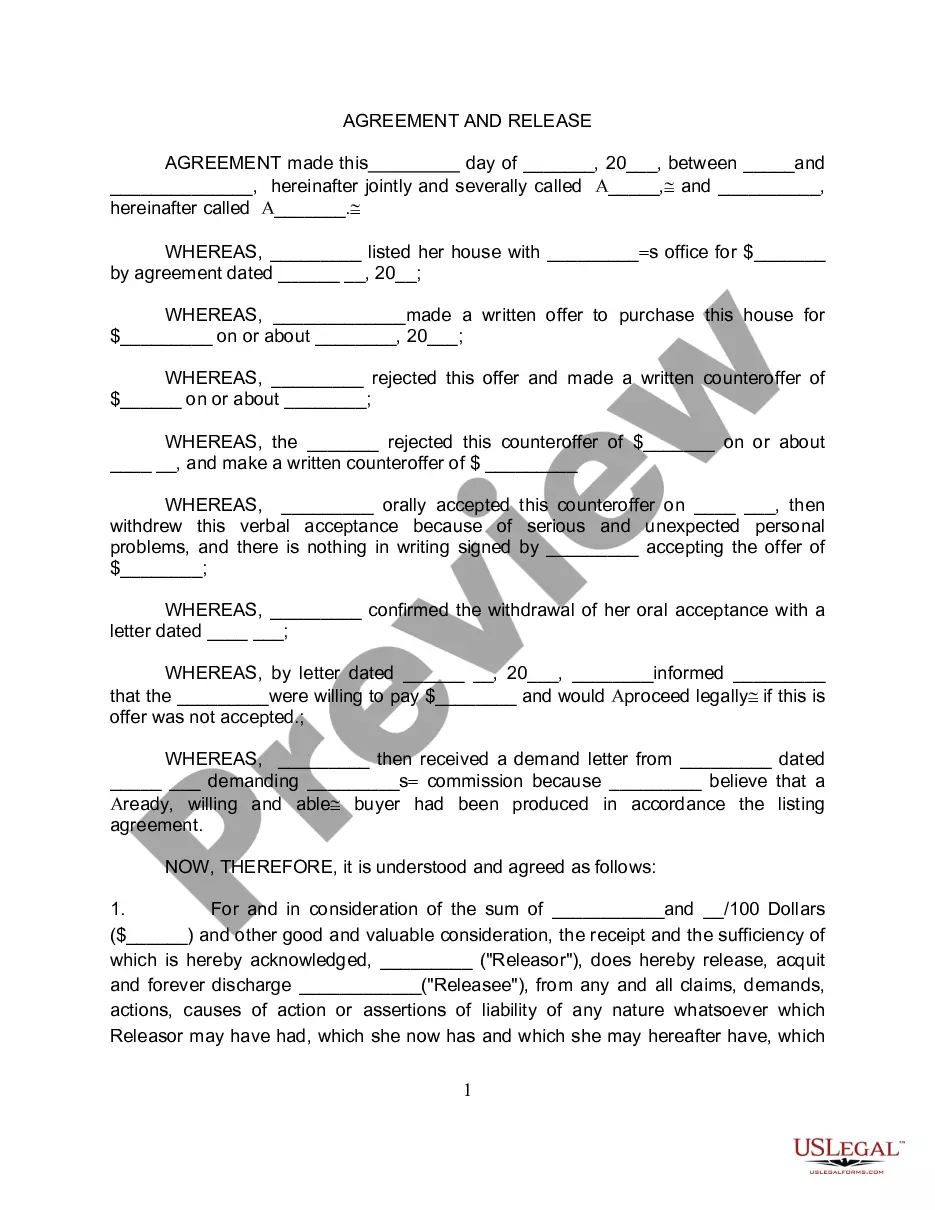
Get your form ready online
Our built-in tools help you complete, sign, share, and store your documents in one place.
Make edits, fill in missing information, and update formatting in US Legal Forms—just like you would in MS Word.
Download a copy, print it, send it by email, or mail it via USPS—whatever works best for your next step.
Sign and collect signatures with our SignNow integration. Send to multiple recipients, set reminders, and more. Go Premium to unlock E-Sign.
If this form requires notarization, complete it online through a secure video call—no need to meet a notary in person or wait for an appointment.
We protect your documents and personal data by following strict security and privacy standards.

Make edits, fill in missing information, and update formatting in US Legal Forms—just like you would in MS Word.

Download a copy, print it, send it by email, or mail it via USPS—whatever works best for your next step.

Sign and collect signatures with our SignNow integration. Send to multiple recipients, set reminders, and more. Go Premium to unlock E-Sign.

If this form requires notarization, complete it online through a secure video call—no need to meet a notary in person or wait for an appointment.

We protect your documents and personal data by following strict security and privacy standards.
Looking for another form?








Form popularity
FAQ
A lease can be terminated in a number of ways, but most frequently, a lease or rental agreement is terminated by expiration of the lease's term OR by mutual consent.
Terminating a Lease If you are renting month-to-month, you are entitled to a 30-day written notice. Leases running year-to-year require a 60-day written notice. YOUR LANDLORD DOES NOT HAVE TO GIVE YOU ANY REASON FOR TERMINATING THE LEASE.
It's typically best to provide a written notice to your landlord, at least 30 to 60 days in advance of moving out, that you plan to break your lease. In your notice, include a move-out date and your reasons for breaking your lease.
The tenant must give a 30 day notice in order to terminate the lease. The rent must be pro-rated up until the date of the lease termination. (New Jersey Safe Housing Act, N.J.S.A. -9.4 et seq.)
Except as provided in Section 9-206 and Section 9-207.5 of this Act, in all cases of tenancy from year to year, 60 days' notice, in writing, shall be sufficient to terminate the tenancy at the end of the year. The notice may be given at any time within 4 months preceding the last 60 days of the year.
30 days of notice to terminate a month-to-month tenancy, decline to renew your lease or raise your rent if you have lived in your apartment for less than six months. 60 days of notice for the same if you have lived in your apartment for more than six months but less than three years.
An Illinois lease termination letter is a legal document required by law to be issued by the landlord to the tenant to initiate the process of ending an Illinois lease contract. It marks the start of the lease termination notice period, during which the tenant is expected to vacate the premises or face eviction.
If you've been living in your rental unit for more than six months but less than three years, your landlord should give you 60 days' notice before they raise your rent. For those who've called their apartment home for over three years, this notice period extends to 120 days.
Terminating a Lease If you are renting month-to-month, you are entitled to a 30-day written notice. Leases running year-to-year require a 60-day written notice. YOUR LANDLORD DOES NOT HAVE TO GIVE YOU ANY REASON FOR TERMINATING THE LEASE.
Ing to state law, landlords in Illinois must provide tenants on month-to-month leases with at least 30 days written notice to vacate the rental unit. Otherwise, the tenant is guaranteed another 60 days on the premises. Note that this applies for tenancies of less than six months.

