Termination Of Contract With Cause In California
Description
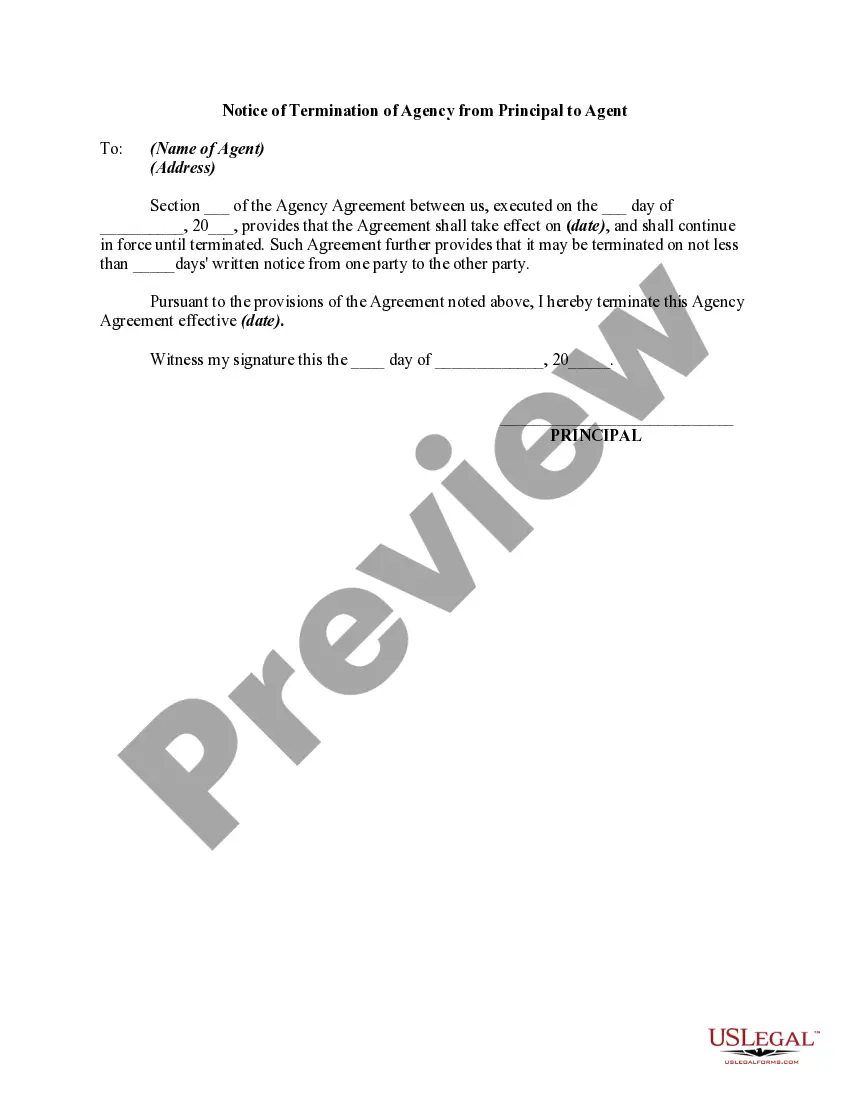
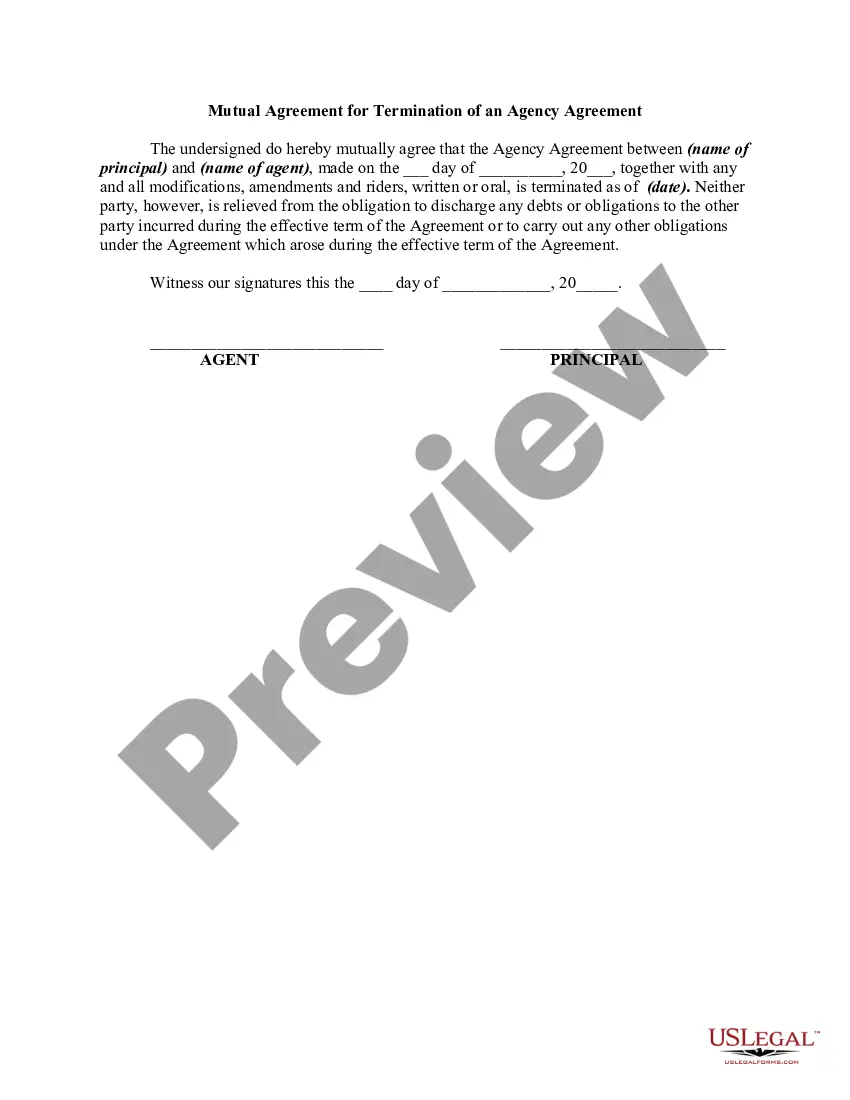

Get your form ready online
Our built-in tools help you complete, sign, share, and store your documents in one place.
Make edits, fill in missing information, and update formatting in US Legal Forms—just like you would in MS Word.
Download a copy, print it, send it by email, or mail it via USPS—whatever works best for your next step.
Sign and collect signatures with our SignNow integration. Send to multiple recipients, set reminders, and more. Go Premium to unlock E-Sign.
If this form requires notarization, complete it online through a secure video call—no need to meet a notary in person or wait for an appointment.
We protect your documents and personal data by following strict security and privacy standards.

Make edits, fill in missing information, and update formatting in US Legal Forms—just like you would in MS Word.

Download a copy, print it, send it by email, or mail it via USPS—whatever works best for your next step.

Sign and collect signatures with our SignNow integration. Send to multiple recipients, set reminders, and more. Go Premium to unlock E-Sign.

If this form requires notarization, complete it online through a secure video call—no need to meet a notary in person or wait for an appointment.

We protect your documents and personal data by following strict security and privacy standards.
Looking for another form?



Form popularity
FAQ
Circumstances for termination that are often included in a contract are the other party's breach, insolvency, or change in ownership, or the occurrence or non-occurrence of a specified event or condition.
Proving Just Cause: Employer's Burden An employer must establish that the employee's misconduct was so severe that it fractured the employment relationship beyond repair. This burden of proof is not an easy one to meet. The employer must first provide clear evidence of the employee's misconduct.
Authorized Causes for Termination Redundancy - The position is no longer necessary due to changes in the business. Retrenchment - Reduction of personnel due to business losses or to prevent losses. Closure or Cessation of Operation - When the business is closing permanently or temporarily.
Termination for cause is the dismissal of an employee for a satisfactory reason. An employee may be fired for various reasons that may include misconduct, fraud and disclosure of confidential information.
Legally, this is described as firing “for cause.” In general, there are a half-dozen categories of acceptable reasons for termination: Incompetence, including lack of productivity or poor quality of work. Insubordination and related issues such as dishonesty or breaking company rules.
Termination for cause occurs when a party's actions or inactions cause the contract to break down. This could be because they've failed or refused to perform their contractual obligations and breached the contract, for example.
Just cause termination refers to an employer's right to terminate an employee for a valid reason, such as serious misconduct or repeated violations of company policies, without providing severance or other compensation.
There are many reasons for termination, such as layoffs and downsizing. Still, it can also link to performance, behavior, safety, or actions that significantly breach employment terms or negatively impact the organization's operations or reputation.
To ensure everything is completed on time, the parties could include the following termination for cause clause: “If any of the parties to this Contract do not complete their duties under this Contract by , any non-breaching Party may terminate this Contract.”
The six critical pieces of information to include are: The effective date of termination. The reason for dismissal. Compensation and benefits information going forward. Company property that is to be returned. Reminder of signed employment documents. Name and contact information for a human resources representative.

