Listing Agreement Cancellation Clause Within Article Iv In California
Description
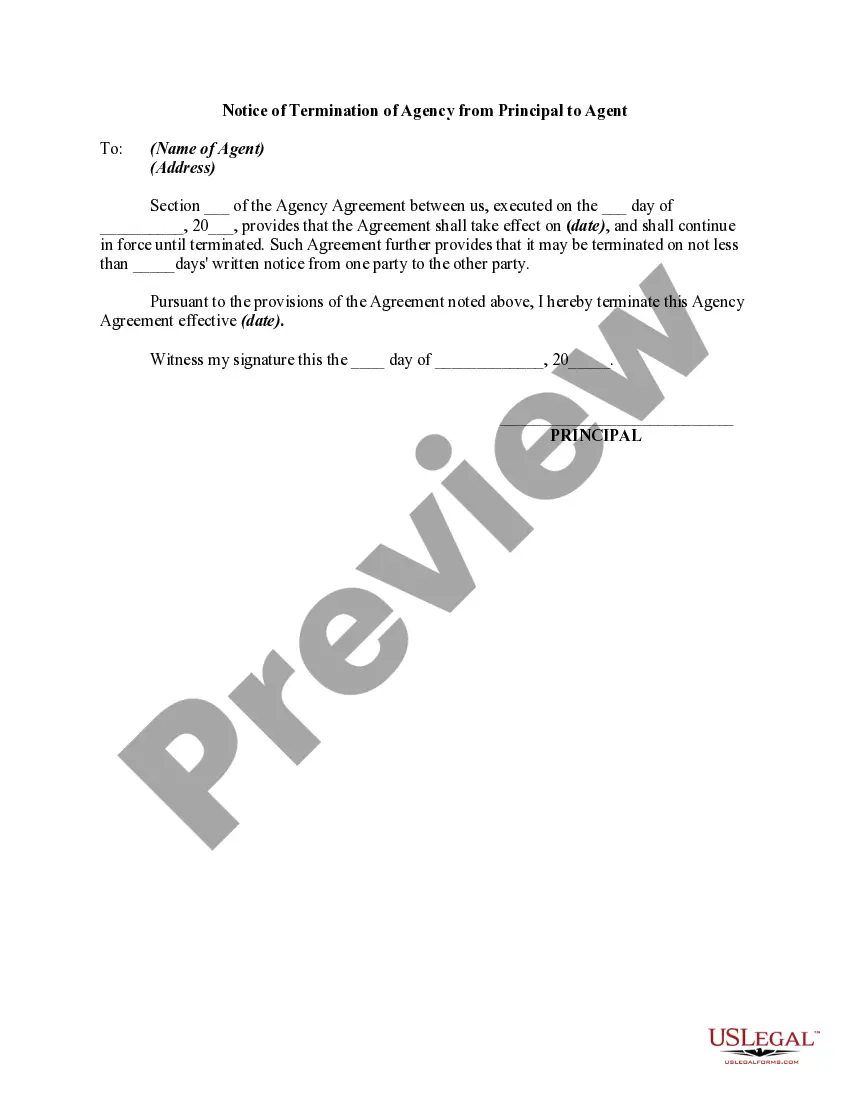
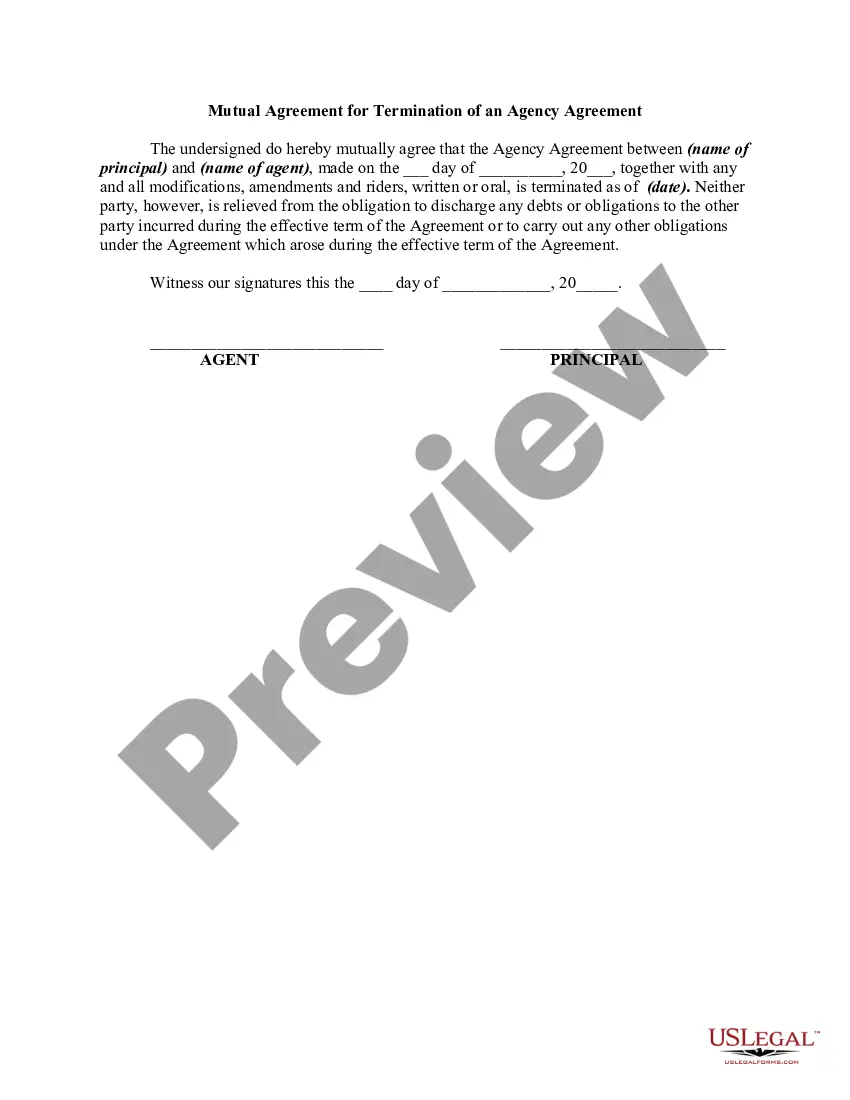
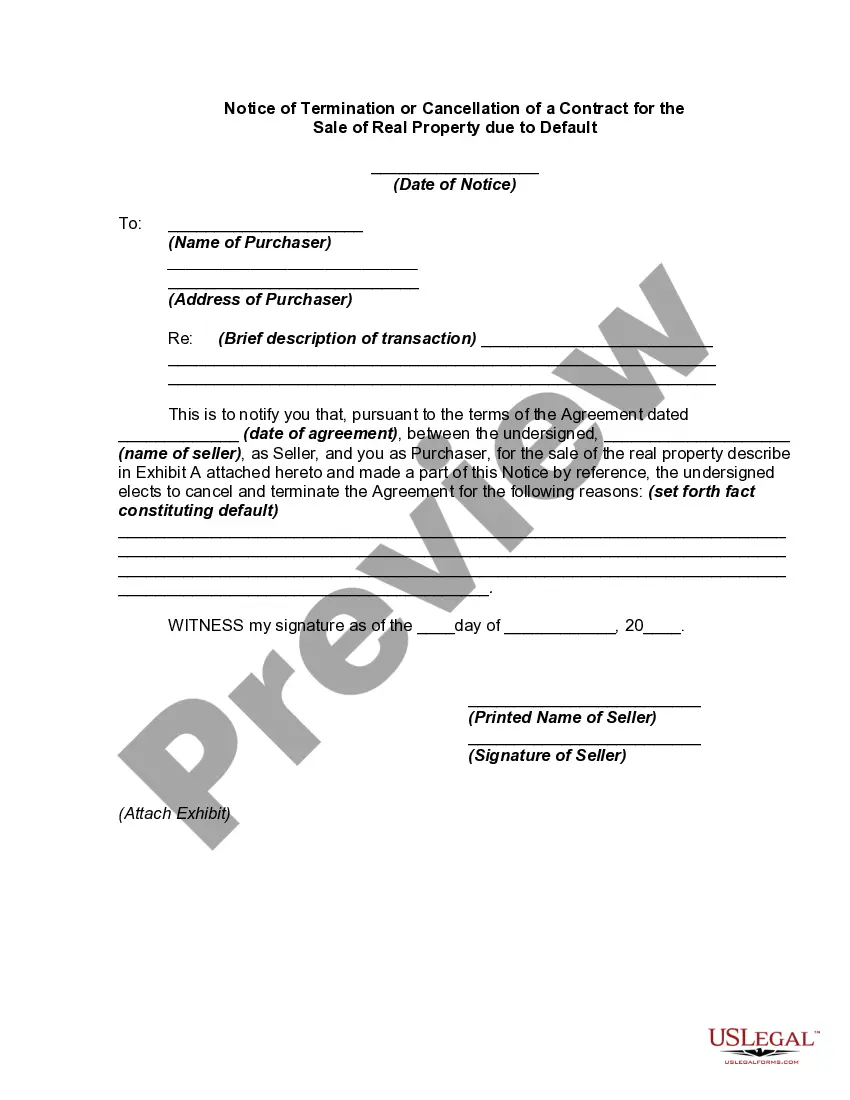
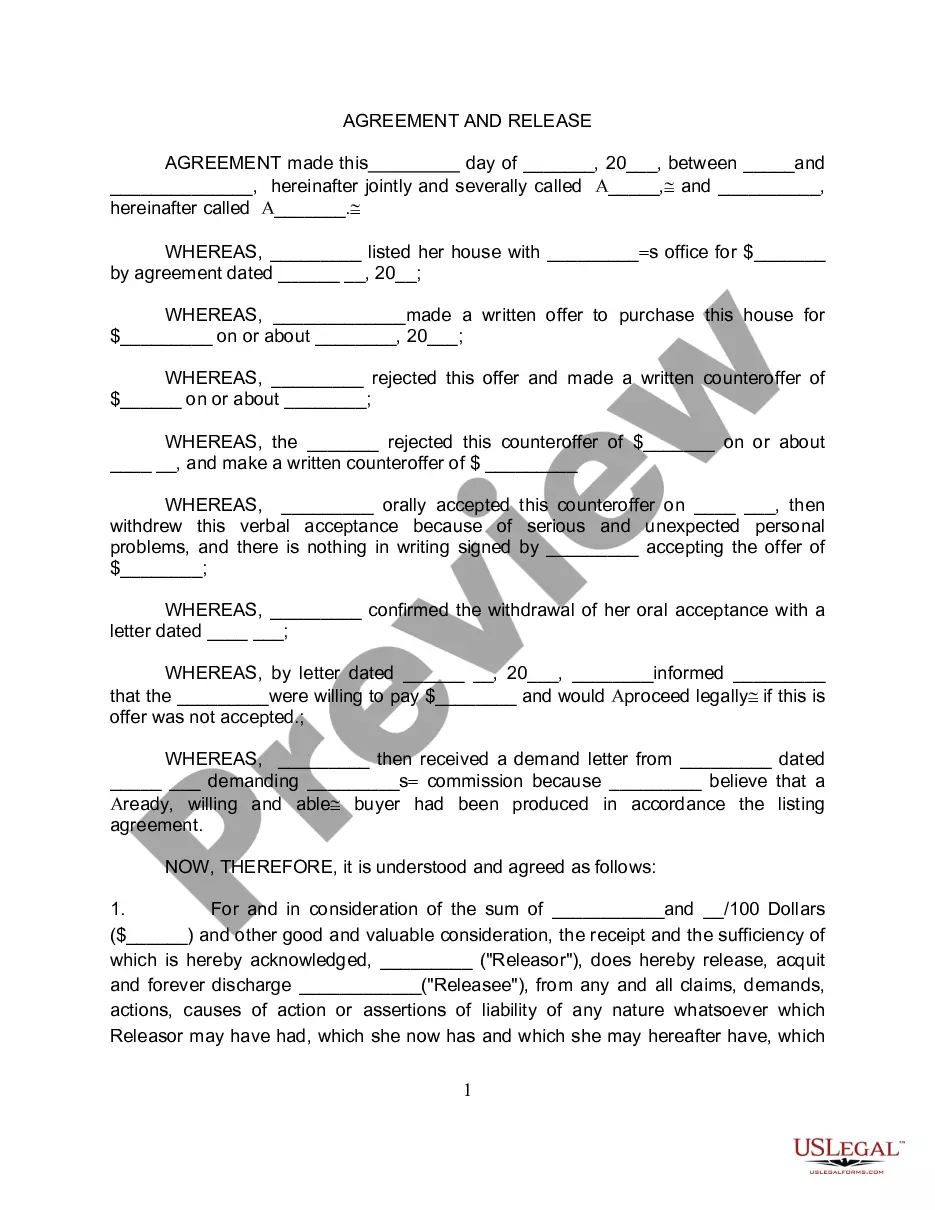
Get your form ready online
Our built-in tools help you complete, sign, share, and store your documents in one place.
Make edits, fill in missing information, and update formatting in US Legal Forms—just like you would in MS Word.
Download a copy, print it, send it by email, or mail it via USPS—whatever works best for your next step.
Sign and collect signatures with our SignNow integration. Send to multiple recipients, set reminders, and more. Go Premium to unlock E-Sign.
If this form requires notarization, complete it online through a secure video call—no need to meet a notary in person or wait for an appointment.
We protect your documents and personal data by following strict security and privacy standards.

Make edits, fill in missing information, and update formatting in US Legal Forms—just like you would in MS Word.

Download a copy, print it, send it by email, or mail it via USPS—whatever works best for your next step.

Sign and collect signatures with our SignNow integration. Send to multiple recipients, set reminders, and more. Go Premium to unlock E-Sign.

If this form requires notarization, complete it online through a secure video call—no need to meet a notary in person or wait for an appointment.

We protect your documents and personal data by following strict security and privacy standards.
Looking for another form?








Form popularity
FAQ
Termination clauses can always be customized but standard ones are included in almost every agreement.
The most amicable way to exit a contract is to have a frank and honest conversation with the parties involved. This is an opportunity to share why one cannot proceed with the contract in the first place. As long as both parties can come to a suitable agreement, then the agreement can be changed or terminated.
The seller can back out for reasons written into the contract, including (but not limited to) contingencies. The buyer is in breach of the contract. If the buyer is “failing to perform” — a legal term meaning that they're not holding up their side of the contract — the seller can likely get out of the contract.
First off, without a defined expiration date, you didn't have a ratified listing agreement. Second, in California, as of 2024, you cannot have a listing agreement term for longer than 24 months, and if you essentially had an indefinite listing agreement, this would be unlawful.
Unjustly backing out of a contract could land the seller in legal trouble, especially if the buyer files a lawsuit to force the sale (a legal action known as “specific performance”).
As noted, to cancel or otherwise amend a listing or buyer agency contract the seller/buyer and brokerage must both agree. Be sure to: Discuss your concerns directly with your Realtor and ask for a resolution of the issues that are bothering you. Keep written notes and make your instructions in writing.
One of the most important clauses to examine is the termination clause, which outlines how either party can legally cancel the agreement. Common reasons for termination include: Agent performance issues - If the agent fails to communicate effectively or lacks a strong marketing strategy.
Cooling-off Rule is a rule that allows you to cancel a contract within a few days (usually three days) after signing it. As explained by the Federal Trade Commission (FTC), the federal cooling-off rules gives the consumer three days to cancel certain sales for a full refund.
A listing agreement is a binding contract, but there are a number of ways to get out of one. Whether you change your mind about selling, have ethical or performance concerns about the agent, or you just don't find a buyer, you can get out of a listing agreement.
Only the parties to a contract can amend it and then, only if they both agree to do so. Standard form listing and buyer agency contracts doesn't contain any provision for an early cancellation. As noted, to cancel or otherwise amend a listing or buyer agency contract the seller/buyer and brokerage must both agree.
