Contract Termination For Convenience In California
Description
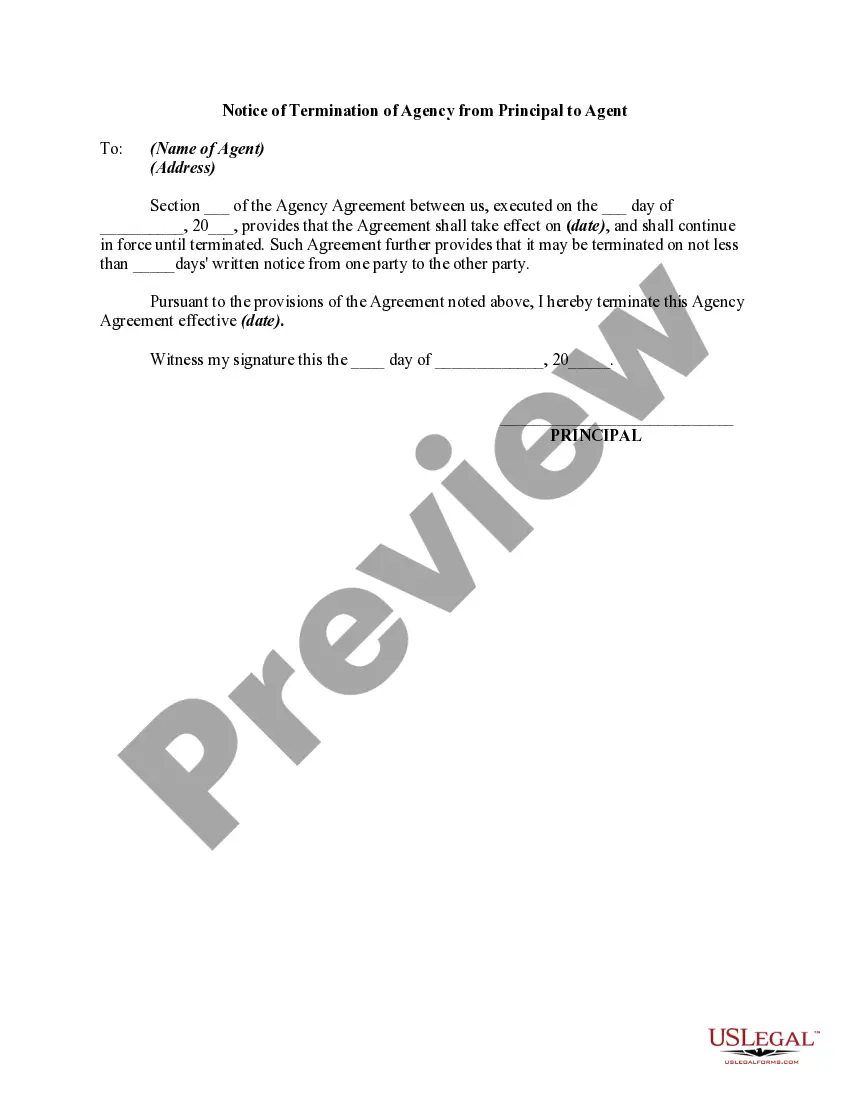
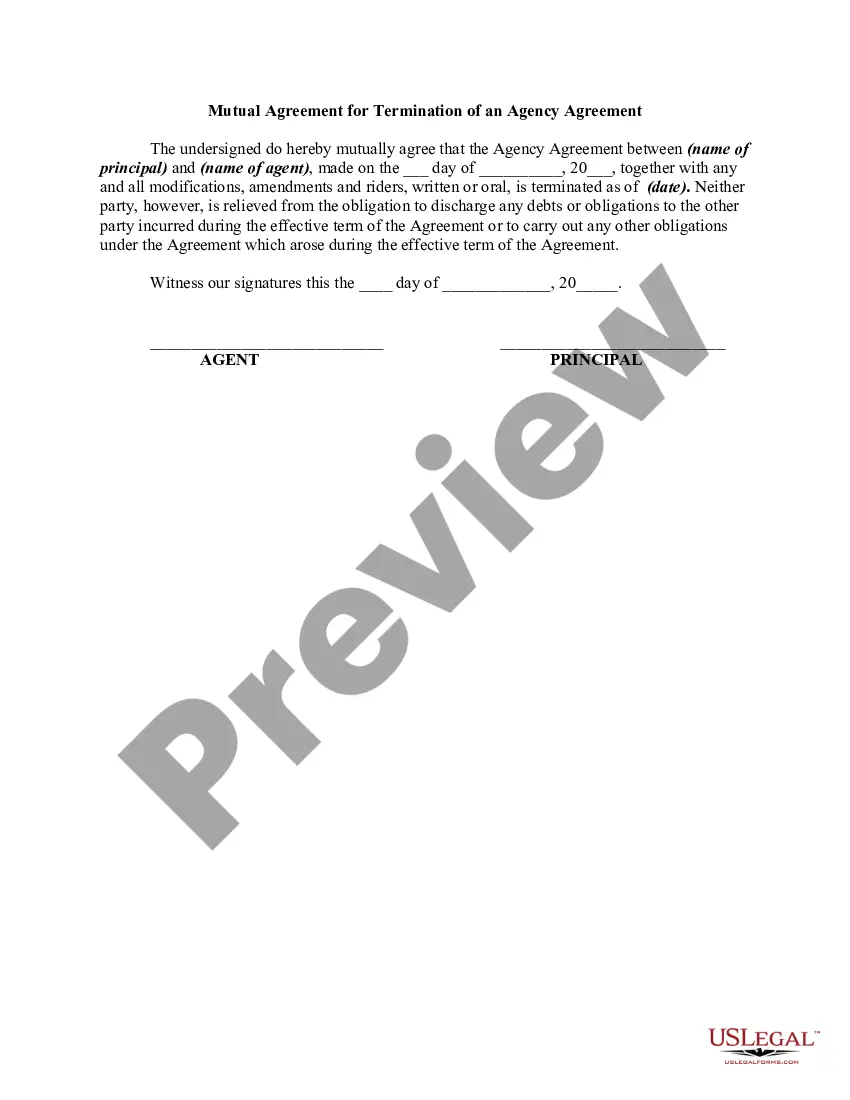
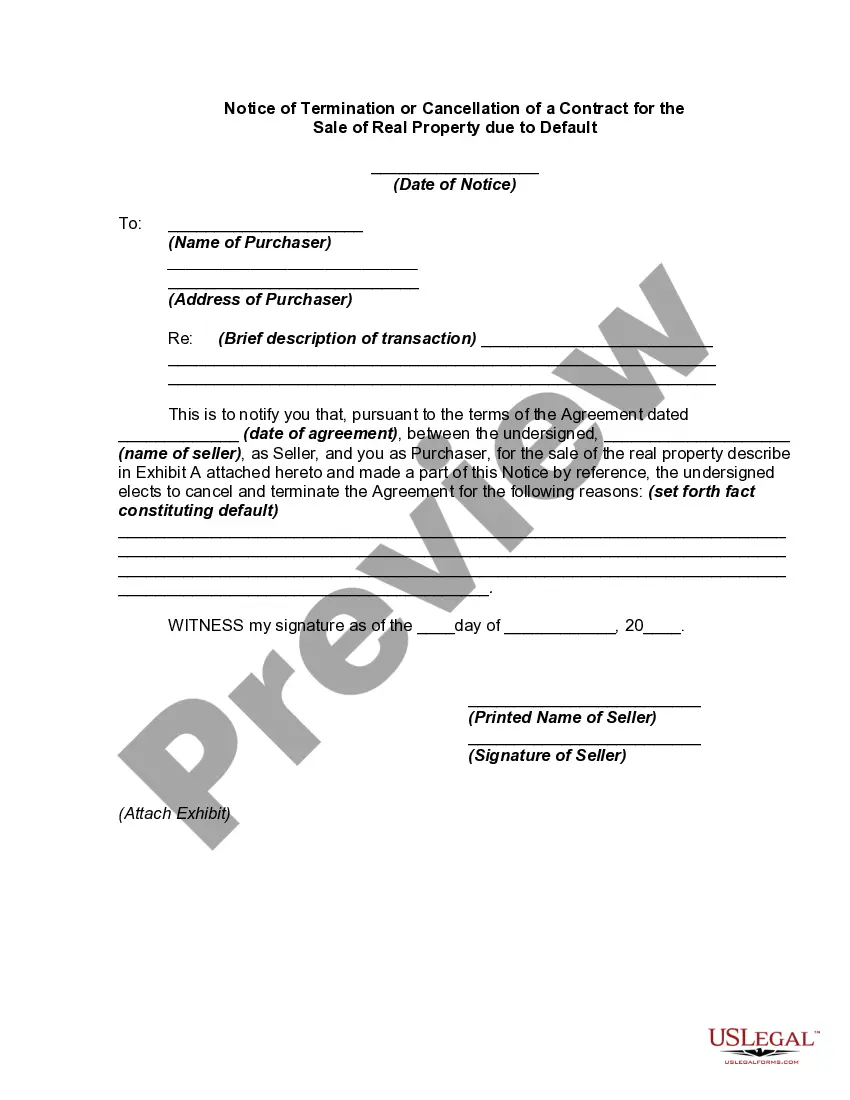
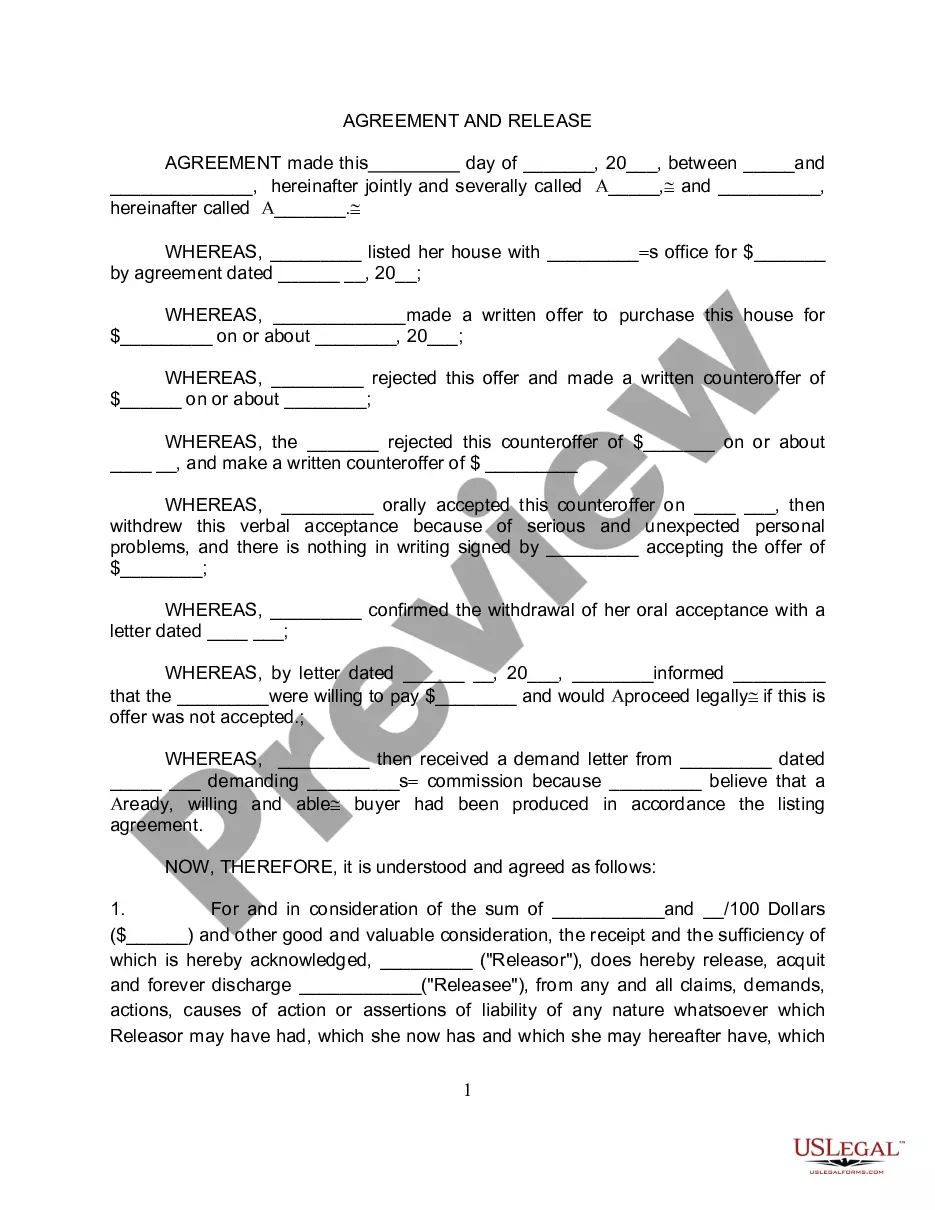
Get your form ready online
Our built-in tools help you complete, sign, share, and store your documents in one place.
Make edits, fill in missing information, and update formatting in US Legal Forms—just like you would in MS Word.
Download a copy, print it, send it by email, or mail it via USPS—whatever works best for your next step.
Sign and collect signatures with our SignNow integration. Send to multiple recipients, set reminders, and more. Go Premium to unlock E-Sign.
If this form requires notarization, complete it online through a secure video call—no need to meet a notary in person or wait for an appointment.
We protect your documents and personal data by following strict security and privacy standards.

Make edits, fill in missing information, and update formatting in US Legal Forms—just like you would in MS Word.

Download a copy, print it, send it by email, or mail it via USPS—whatever works best for your next step.

Sign and collect signatures with our SignNow integration. Send to multiple recipients, set reminders, and more. Go Premium to unlock E-Sign.

If this form requires notarization, complete it online through a secure video call—no need to meet a notary in person or wait for an appointment.

We protect your documents and personal data by following strict security and privacy standards.
Looking for another form?









Form popularity
FAQ
A termination for convenience clause is a contractual provision that allows one party to terminate the agreement without cause or penalty. In the construction industry, this clause is often included in subcontracts between a general contractor and a subcontractor.
Termination for Convenience: Some contracts may allow for termination by either party for any reason, commonly referred to as termination for convenience. Survival Clauses: These clauses specify which provisions of the contract continue to be enforceable even after the termination of the agreement.
Ensure Proper Grounds for Termination Common grounds for this sort of action include a breach of the contract terms, changes in business circumstances, or non-performance of the breaching party. Be sure that the grounds for termination are legally sound and appropriately documented.
A contractual right to terminate an agreement for any reason. It may also be referred to as termination without cause. A right to terminate for convenience usually requires the terminating party to provide a certain period of notice before the termination is effective and usually in writing.
A termination for convenience clause is a contractual provision that allows one party to terminate the agreement without cause or penalty. In the construction industry, this clause is often included in subcontracts between a general contractor and a subcontractor.
A “termination for convenience” clause states that a property owner may terminate a contractor at its convenience for no reason at all. There does not need to be any breach of contract in place. However, the clauses typically require advance notice (such as 30 days).
Termination for convenience allows parties to exit a contract without needing to prove fault or cause, which can be beneficial when circumstances change. This flexibility helps avoid protracted disputes related to performance and breach, fostering a more amicable separation.
Contracting parties are increasingly using'termination for convenience'clauses ('tC clauses') to provide that flexibility. atC clause grants one party ('the principal') the power to terminate a contract at its discretion,regardless of whether the other party ('the contractor') is in breach.
