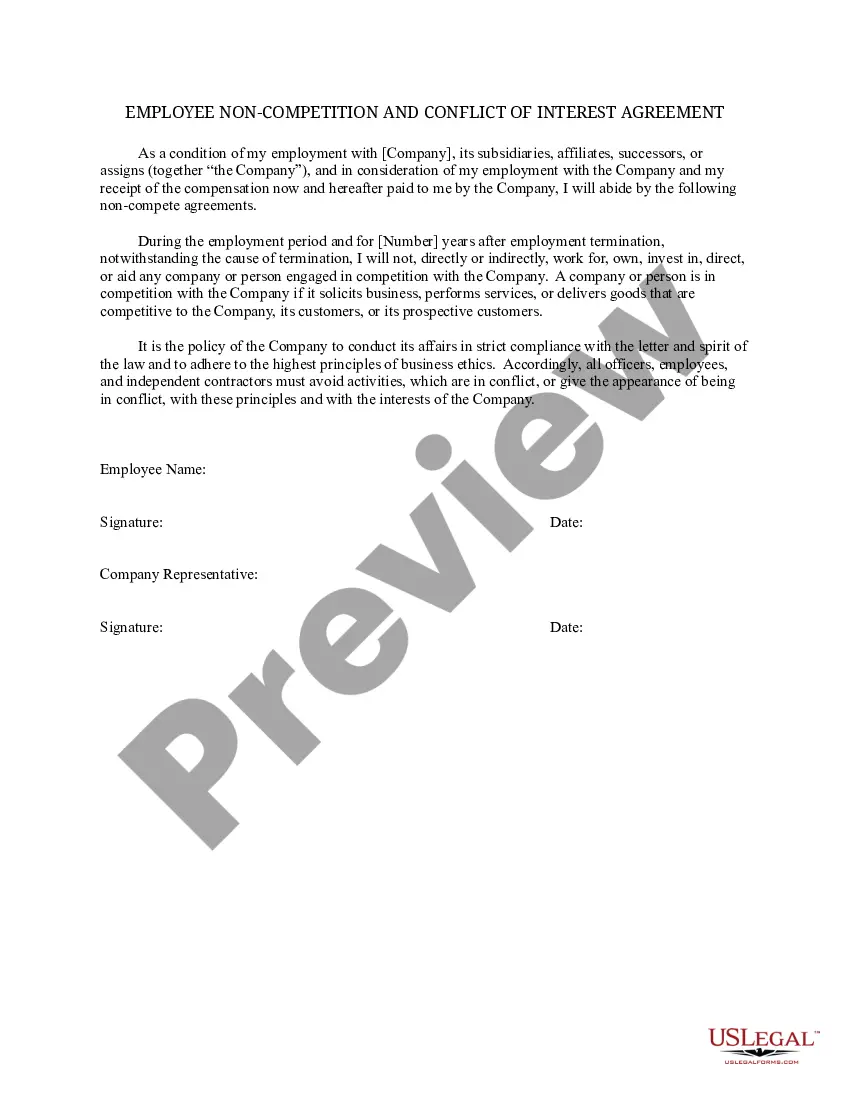
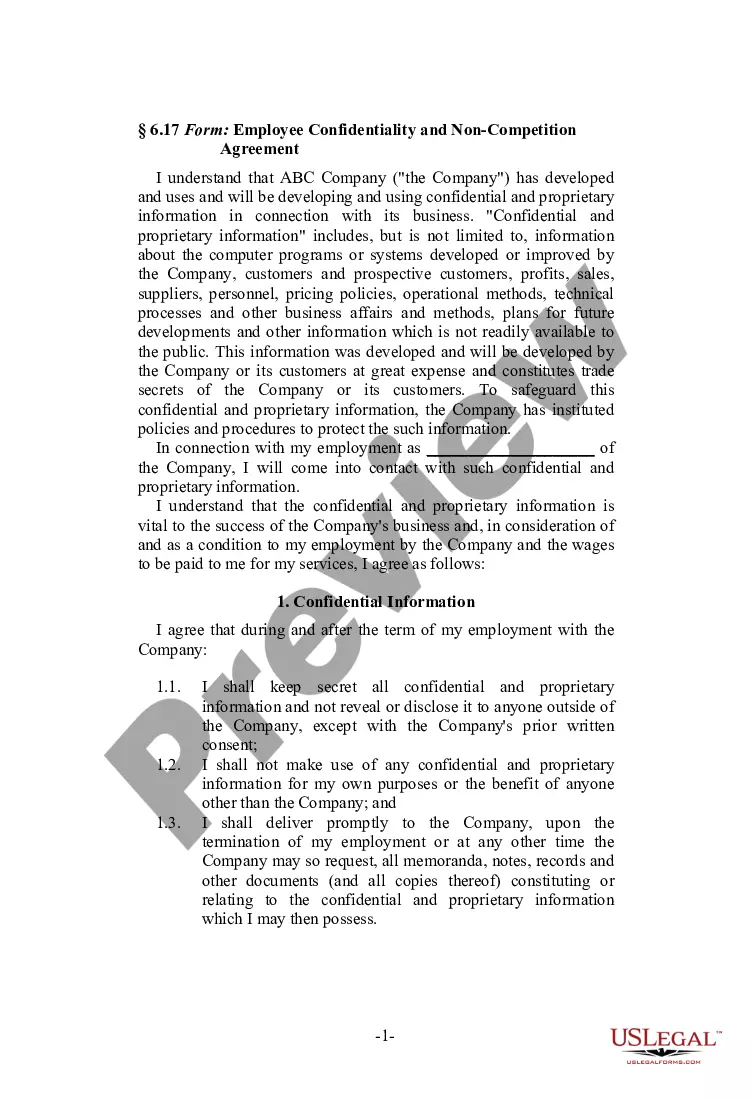
Competition Non Competition For Resources In Wayne
Description

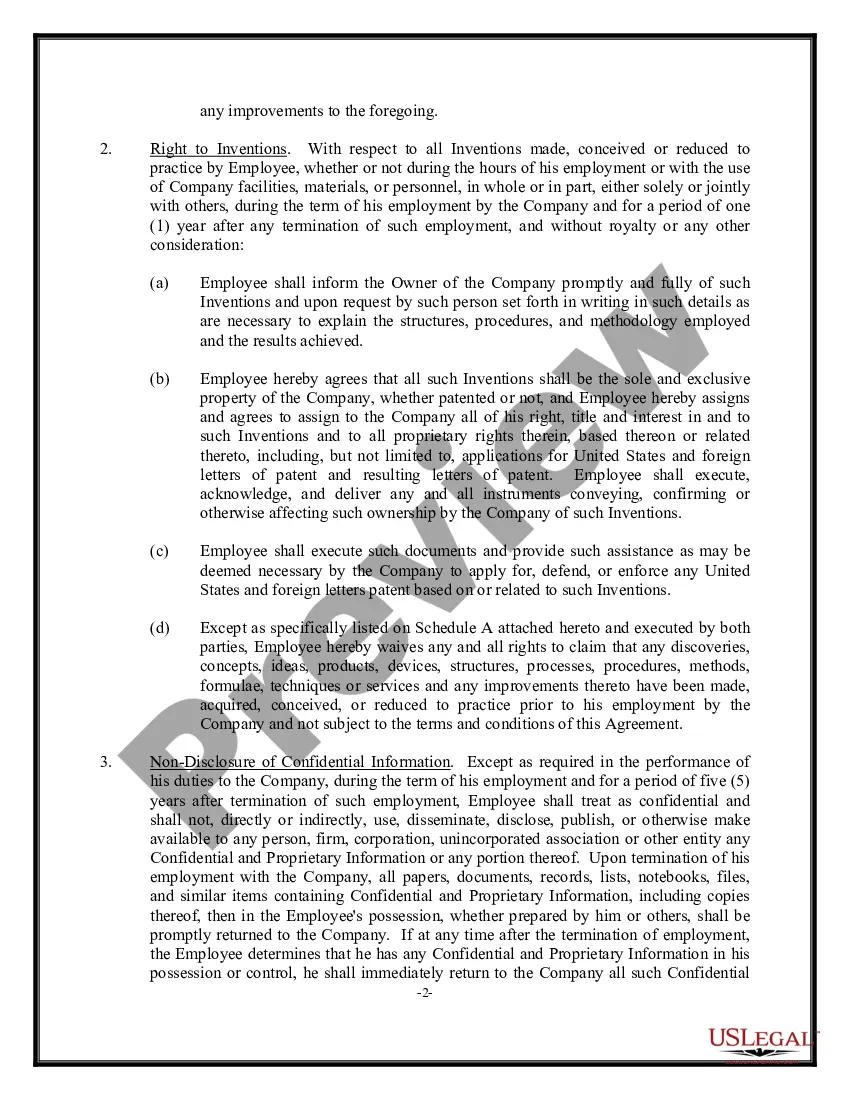
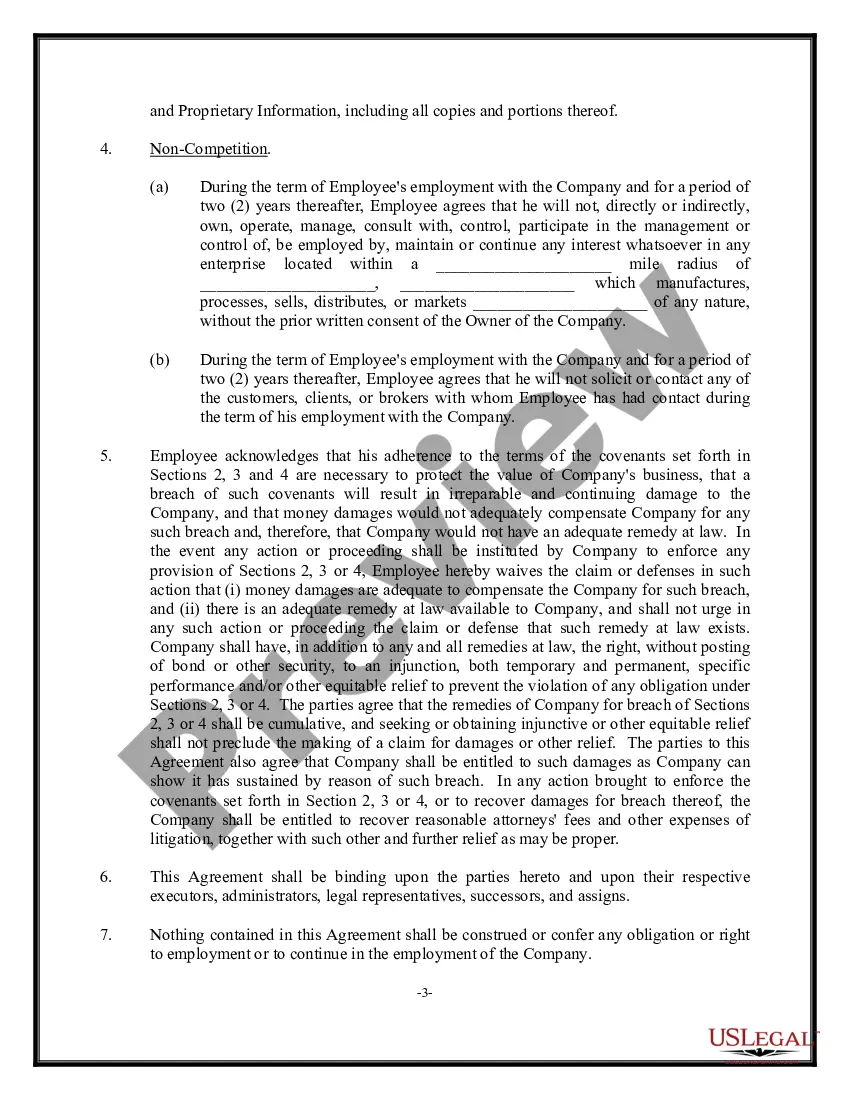
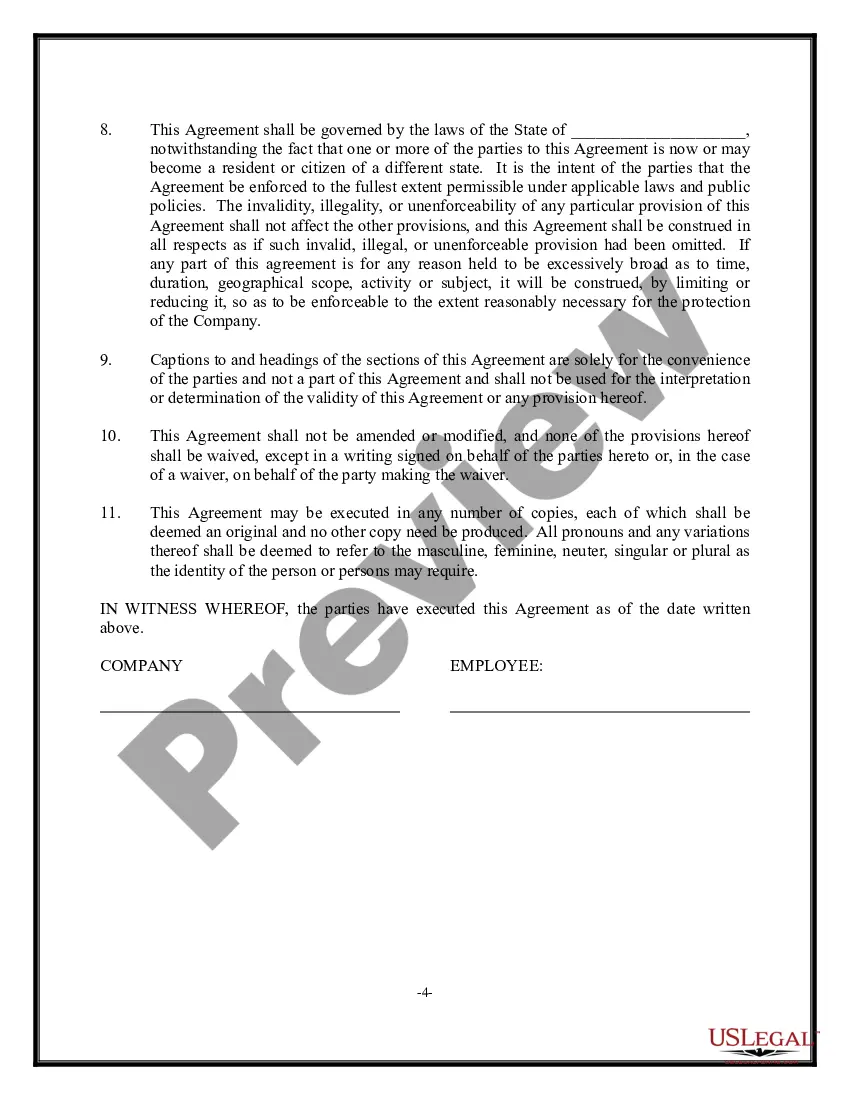
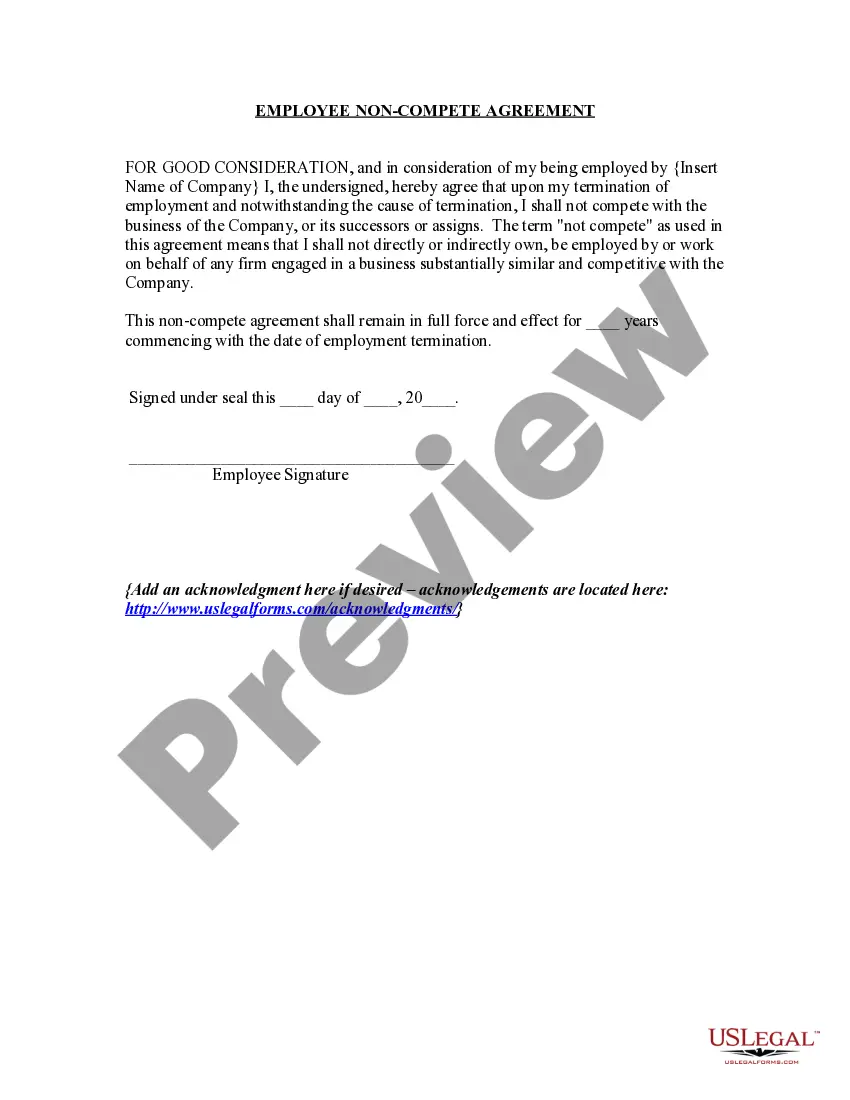
Get your form ready online
Our built-in tools help you complete, sign, share, and store your documents in one place.
Make edits, fill in missing information, and update formatting in US Legal Forms—just like you would in MS Word.
Download a copy, print it, send it by email, or mail it via USPS—whatever works best for your next step.
Sign and collect signatures with our SignNow integration. Send to multiple recipients, set reminders, and more. Go Premium to unlock E-Sign.
If this form requires notarization, complete it online through a secure video call—no need to meet a notary in person or wait for an appointment.
We protect your documents and personal data by following strict security and privacy standards.

Make edits, fill in missing information, and update formatting in US Legal Forms—just like you would in MS Word.

Download a copy, print it, send it by email, or mail it via USPS—whatever works best for your next step.

Sign and collect signatures with our SignNow integration. Send to multiple recipients, set reminders, and more. Go Premium to unlock E-Sign.

If this form requires notarization, complete it online through a secure video call—no need to meet a notary in person or wait for an appointment.

We protect your documents and personal data by following strict security and privacy standards.
Looking for another form?




Form popularity
FAQ
“A purchaser is bound by any instrument of record found within his chain of title.” So, even if a restrictive covenant is not located within a deed, such a covenant, if located within other documents (inium records, for instance), the covenants will be enforceable against the purchaser.
In order to be enforceable in Indiana, a non-compete clause must be reasonable throughout the terms of the agreement. Many courts do not smile upon non-competes, simply because they can be seen as inhibiting a person's ability to make a living.
In Indiana, judges decide if a non-compete is enforceable based on whether or not it is reasonable. The state of Indiana has some of the highest standards for non-compete agreements.
Showing that the agreement is not related to a legitimate business interest is the most effective way of getting out of a non-compete contract. The goal of any non-compete agreement is to protect trade secrets.
Indiana state laws still govern non-compete agreements while the FTC's rule is on hold. Indiana enforces these agreements if they meet specific standards: Reasonable scope and duration: The agreement must have reasonable limits on where and how long it applies.
How To Legally Get Out of a Non-Compete Agreement Get a New Job That Doesn't Involve Competitive Activities. Prove That Your Former Employer Breached the Contract. Argue That the Non-Compete Provision Isn't Enforceable. Show That Your Previous Employer Has No Legitimate Business Interests.
The Indian Contract Act, 1872, prohibits any agreement that is in restraint of trade. Therefore, any obligation of non-competition that extends beyond the term of employment is void and not enforceable.
On April 23, 2024, the FTC passed a final rule to ban most non-compete clauses in employment agreements, finding such agreements to be unfair methods of competition (the “FTC Rule”).
In Indiana, judges decide if a non-compete is enforceable based on whether or not it is reasonable. The state of Indiana has some of the highest standards for non-compete agreements.
Valid non-solicitation agreements are enforceable regardless of an employee's earnings or position with the company. However, Washington's new law, effective June 6, 2024, substantially limits the scope of what an employer may include in a non-solicitation agreement.
