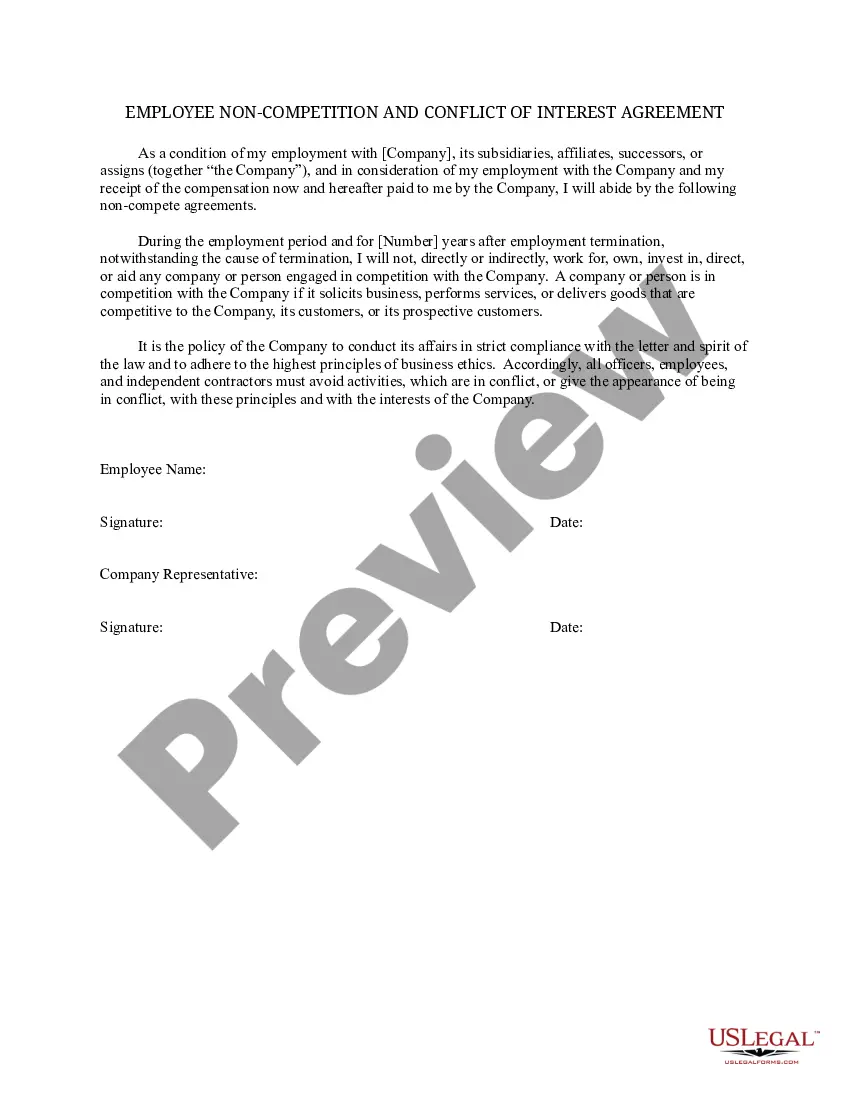
Competition Non Competition With Minimal Apparel In Washington
Description

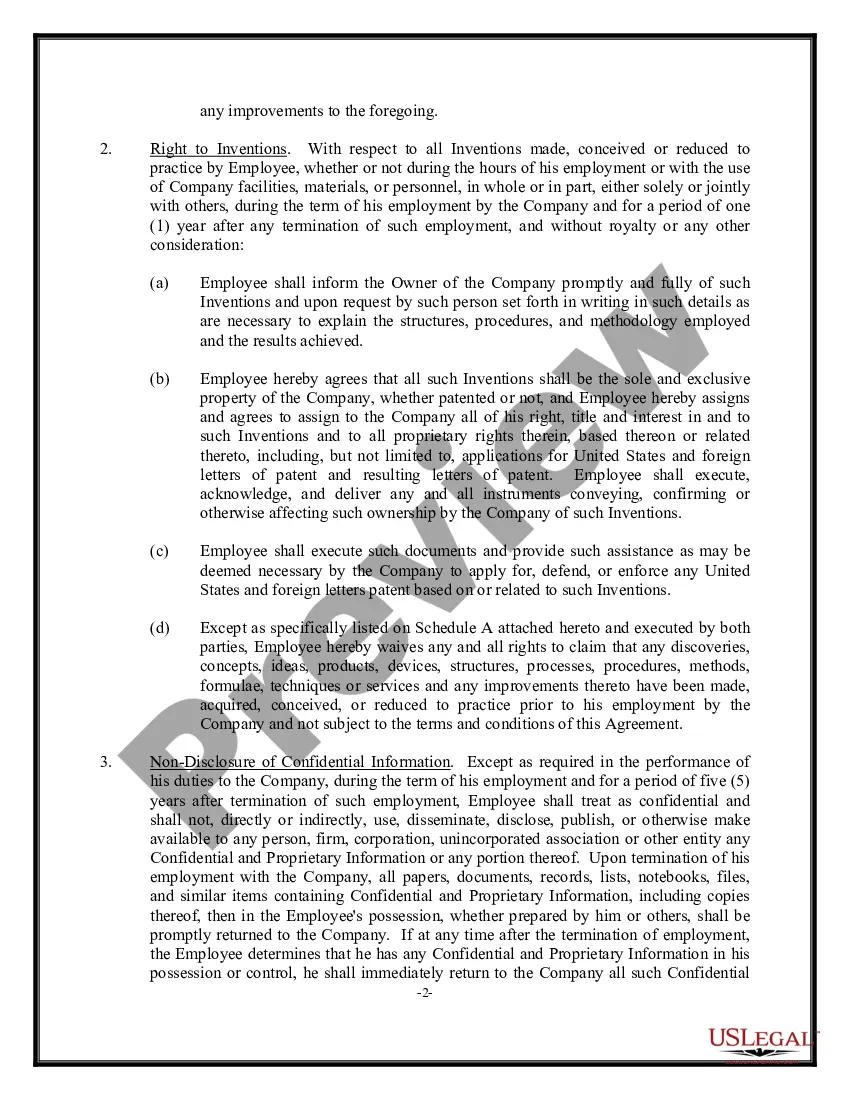
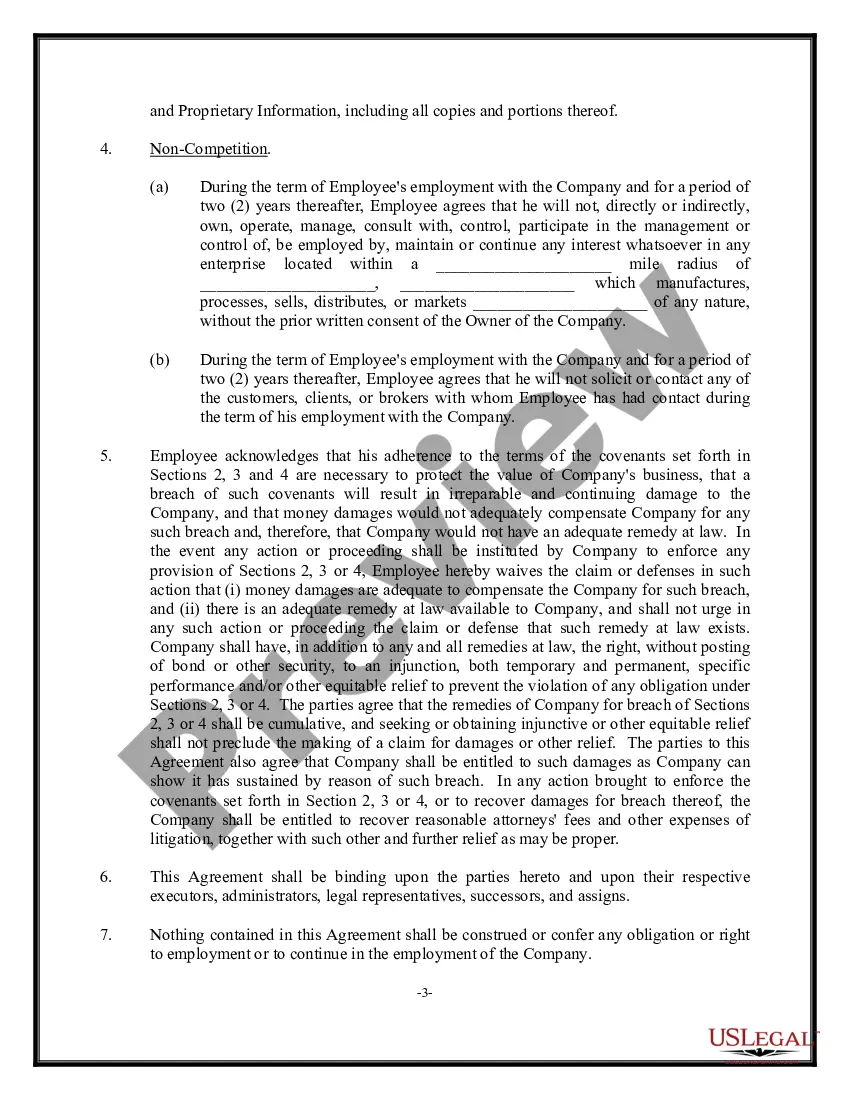
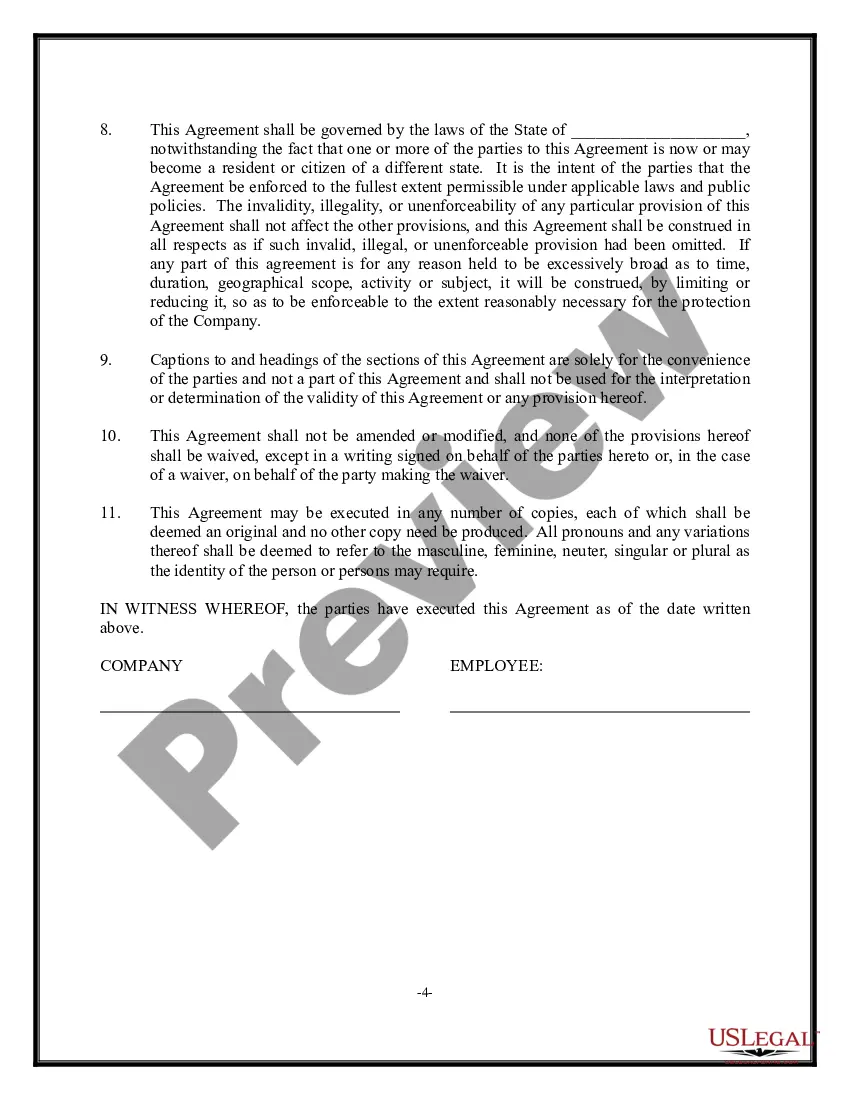
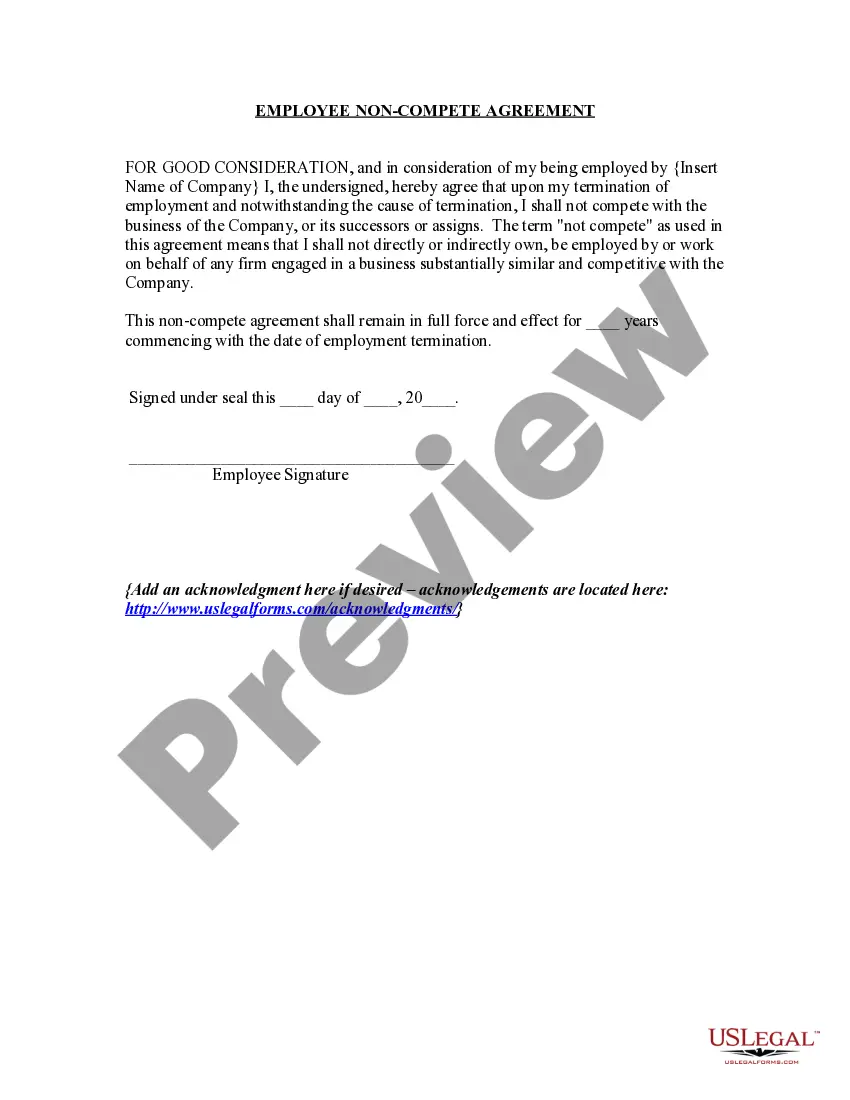
Get your form ready online
Our built-in tools help you complete, sign, share, and store your documents in one place.
Make edits, fill in missing information, and update formatting in US Legal Forms—just like you would in MS Word.
Download a copy, print it, send it by email, or mail it via USPS—whatever works best for your next step.
Sign and collect signatures with our SignNow integration. Send to multiple recipients, set reminders, and more. Go Premium to unlock E-Sign.
If this form requires notarization, complete it online through a secure video call—no need to meet a notary in person or wait for an appointment.
We protect your documents and personal data by following strict security and privacy standards.

Make edits, fill in missing information, and update formatting in US Legal Forms—just like you would in MS Word.

Download a copy, print it, send it by email, or mail it via USPS—whatever works best for your next step.

Sign and collect signatures with our SignNow integration. Send to multiple recipients, set reminders, and more. Go Premium to unlock E-Sign.

If this form requires notarization, complete it online through a secure video call—no need to meet a notary in person or wait for an appointment.

We protect your documents and personal data by following strict security and privacy standards.
Looking for another form?






Form popularity
FAQ
In order for an employee non-compete agreement to be valid and enforceable in Washington in 2025, an employee must earn at least $123,394.17 per year from the employer seeking to enforce the non-compete.
(1) A noncompetition covenant is void and unenforceable against an independent contractor unless the independent contractor's earnings from the party seeking enforcement exceed two hundred fifty thousand dollars per year. This dollar amount must be adjusted annually in ance with RCW 49.62. 040.
For 2024, the threshold is $120,559.99 for employees and $301,399.98 for independent contractors. The noncompete is effective for no more than 18 months, or the business can show by clear and convincing evidence that a longer duration is necessary to protect the business or goodwill.
Are Any Washington State Non-Competes Still Enforceable? Yes, but only for an employee or independent contractor whose annual income exceeds the current year's earnings thresholds of $101,390.00 and $253,475.00 respectively.
The Washington state has a three-factor test that helps determine whether a non-compete clause is enforceable or not. It examines the clause's scope, the time frame in which it is enforceable, and the interests protected by the clause. In Valdez's contract, there is a non-compete clause.
Generally, the three part test for reasonableness of a covenant not to compete asked (1) whether the restraint is necessary to protect the employer's business or goodwill, (2) whether it imposes on the employee any greater restraint than is reasonably necessary to secure the employer's business or goodwill, and (3) ...
Employers do enforce non-competes, but the extent varies. Some employers rigorously enforce these agreements to protect their business interests, while others may choose not to pursue legal action.
Washington's law applies only to noncompetes as defined and clearly states that certain nonsolicitation agreements are not noncompetes. But the amendment narrows the definition of a customer nonsolicitation agreement and, in doing so, broadens the range of agreements potentially subject to the law's requirements.
Reasonableness: Non-compete agreements must be reasonable in terms of their scope and duration. This means that the restrictions must be no broader than necessary to protect the legitimate business interests of the employer, such as protecting trade secrets, confidential information, and/or customer relationships.
