Competition Non Competition For Resources In Washington
Description

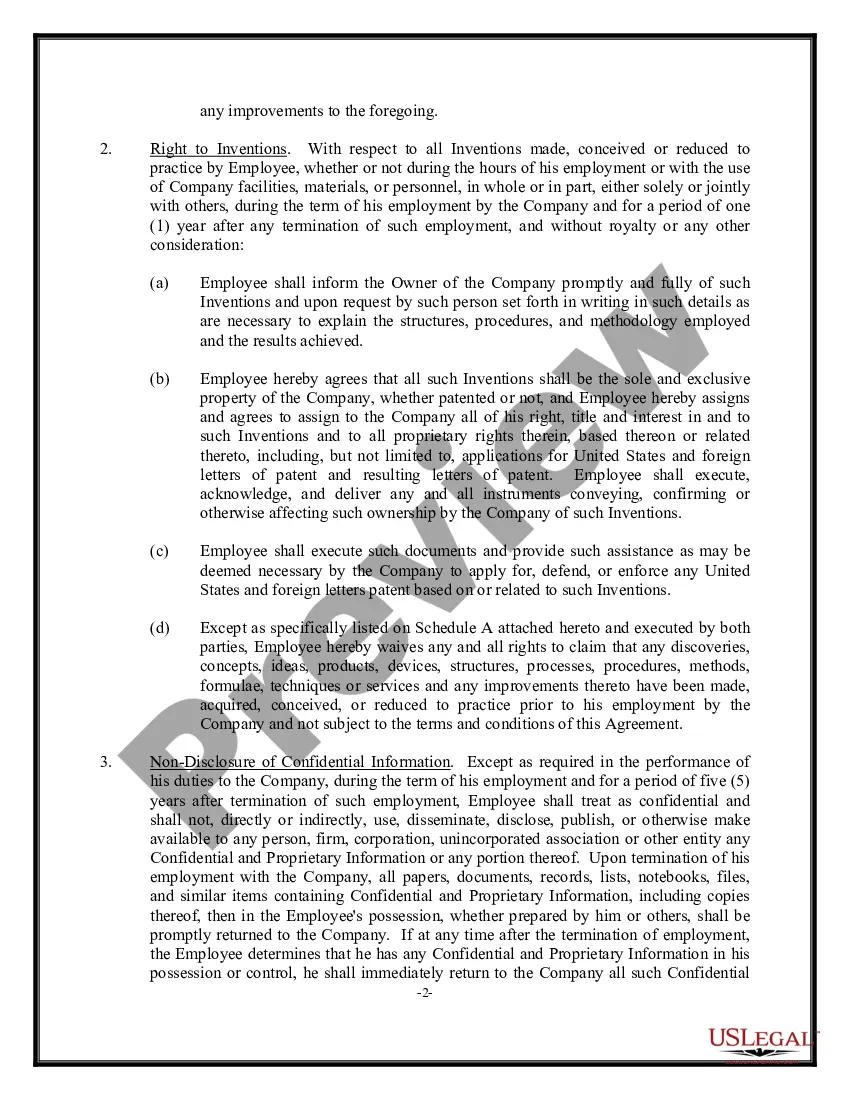
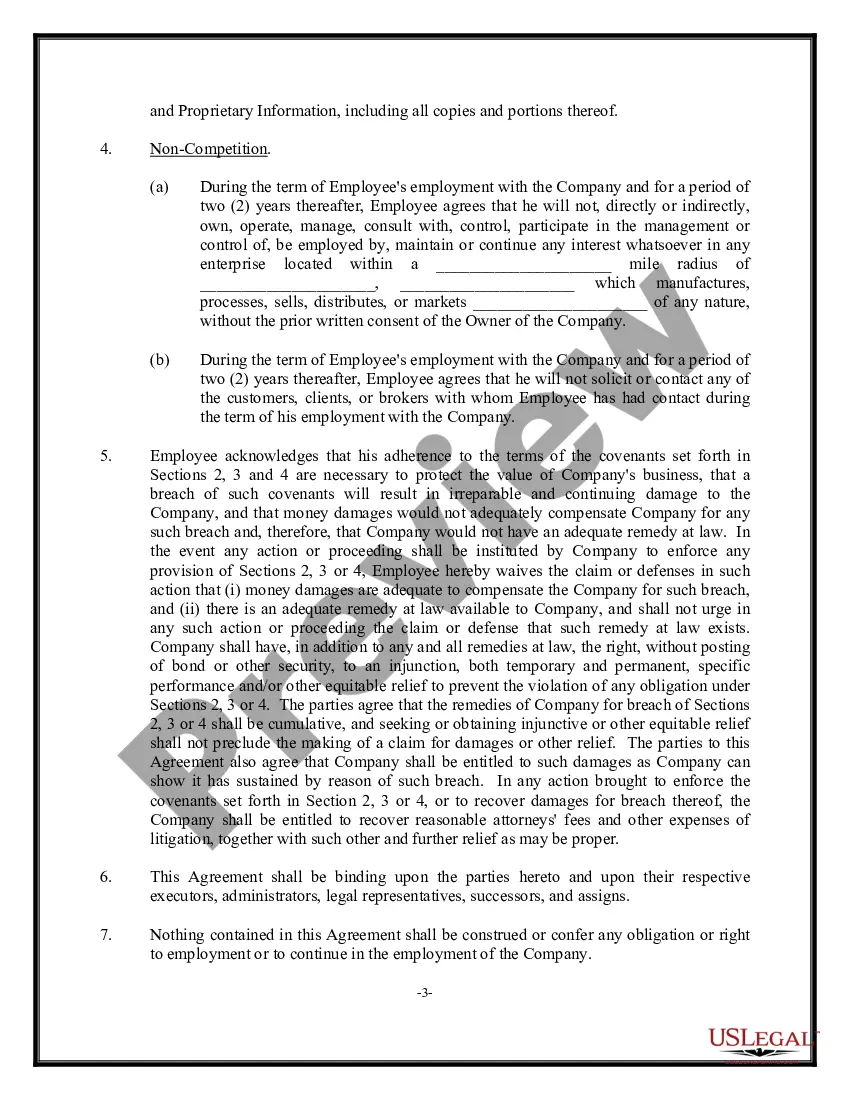
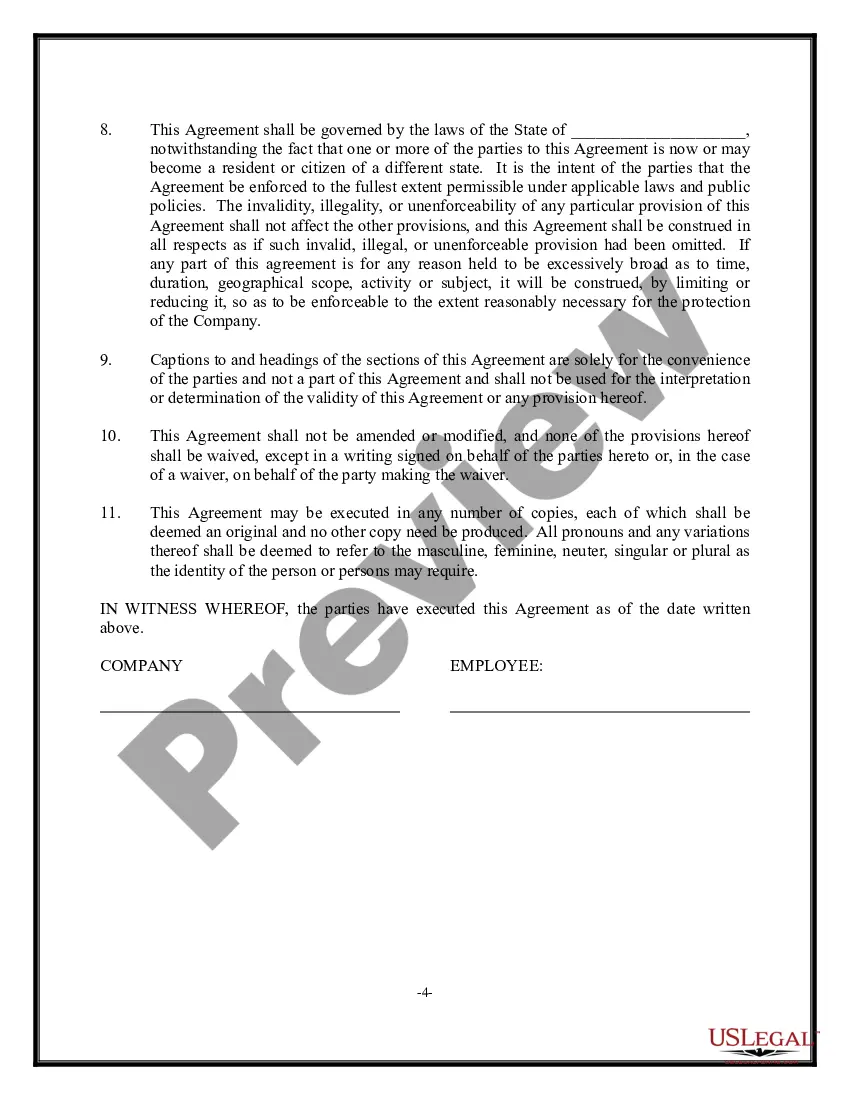
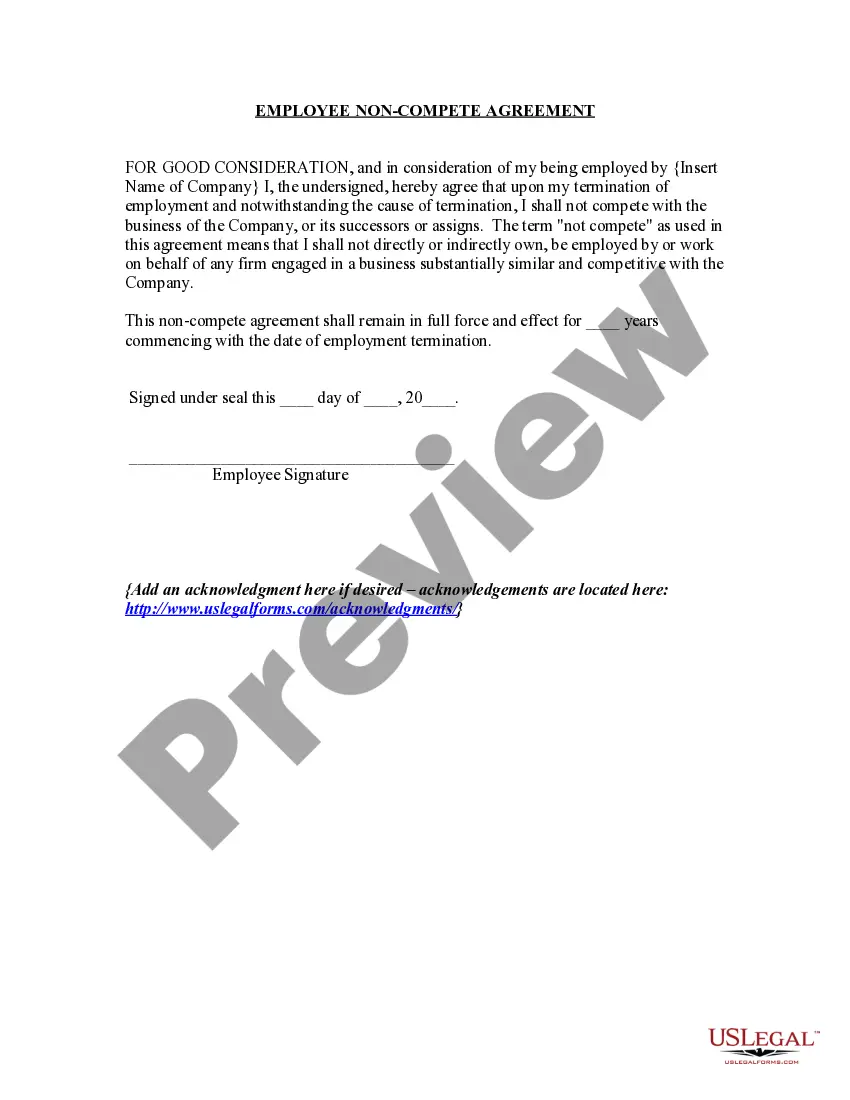
Get your form ready online
Our built-in tools help you complete, sign, share, and store your documents in one place.
Make edits, fill in missing information, and update formatting in US Legal Forms—just like you would in MS Word.
Download a copy, print it, send it by email, or mail it via USPS—whatever works best for your next step.
Sign and collect signatures with our SignNow integration. Send to multiple recipients, set reminders, and more. Go Premium to unlock E-Sign.
If this form requires notarization, complete it online through a secure video call—no need to meet a notary in person or wait for an appointment.
We protect your documents and personal data by following strict security and privacy standards.

Make edits, fill in missing information, and update formatting in US Legal Forms—just like you would in MS Word.

Download a copy, print it, send it by email, or mail it via USPS—whatever works best for your next step.

Sign and collect signatures with our SignNow integration. Send to multiple recipients, set reminders, and more. Go Premium to unlock E-Sign.

If this form requires notarization, complete it online through a secure video call—no need to meet a notary in person or wait for an appointment.

We protect your documents and personal data by following strict security and privacy standards.
Looking for another form?




Form popularity
FAQ
For 2024, the threshold is $120,559.99 for employees and $301,399.98 for independent contractors. The noncompete is effective for no more than 18 months, or the business can show by clear and convincing evidence that a longer duration is necessary to protect the business or goodwill.
Exempt Employees – Salary Thresholds For 2025, that will be $58.31 per hour.
Only employees or independent contractors who earn more than the thresholds established by law can be held to non-competition agreements. If an employee or independent contractor has earnings less than the threshold specified under law, the non-compete agreements is considered void and unenforceable under RCW 49.62.
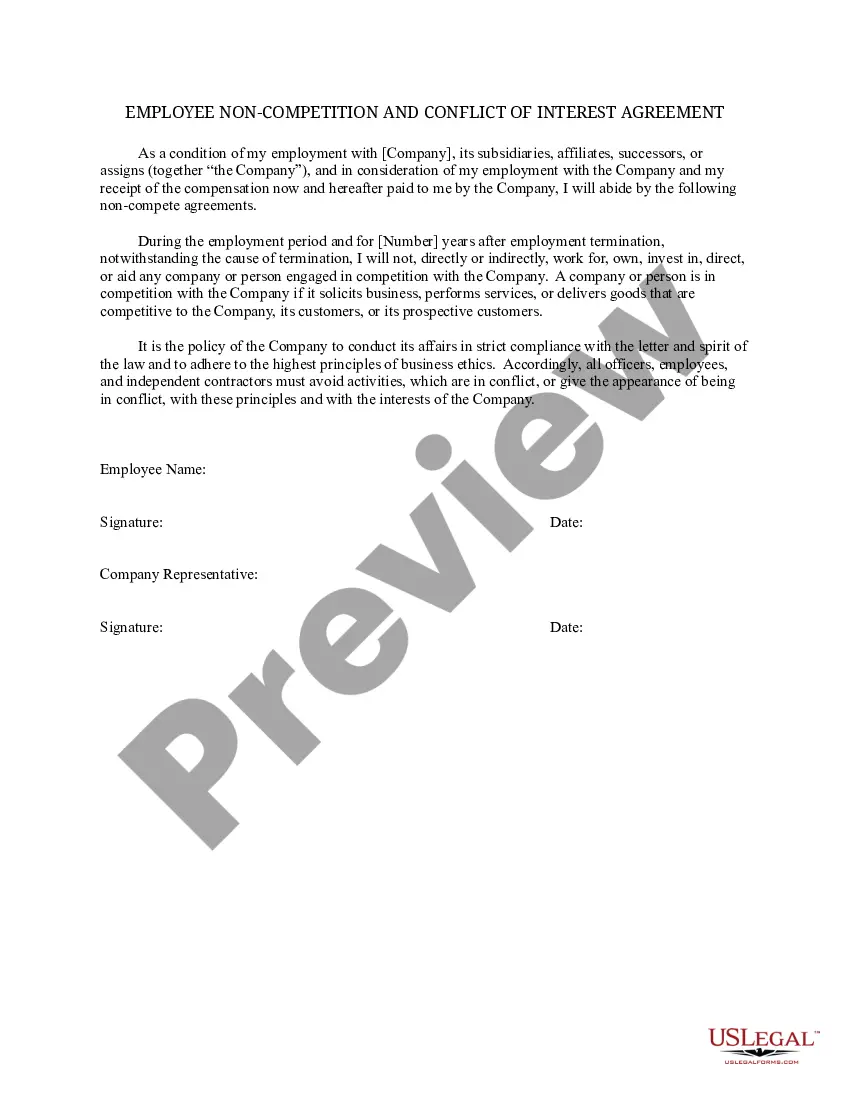
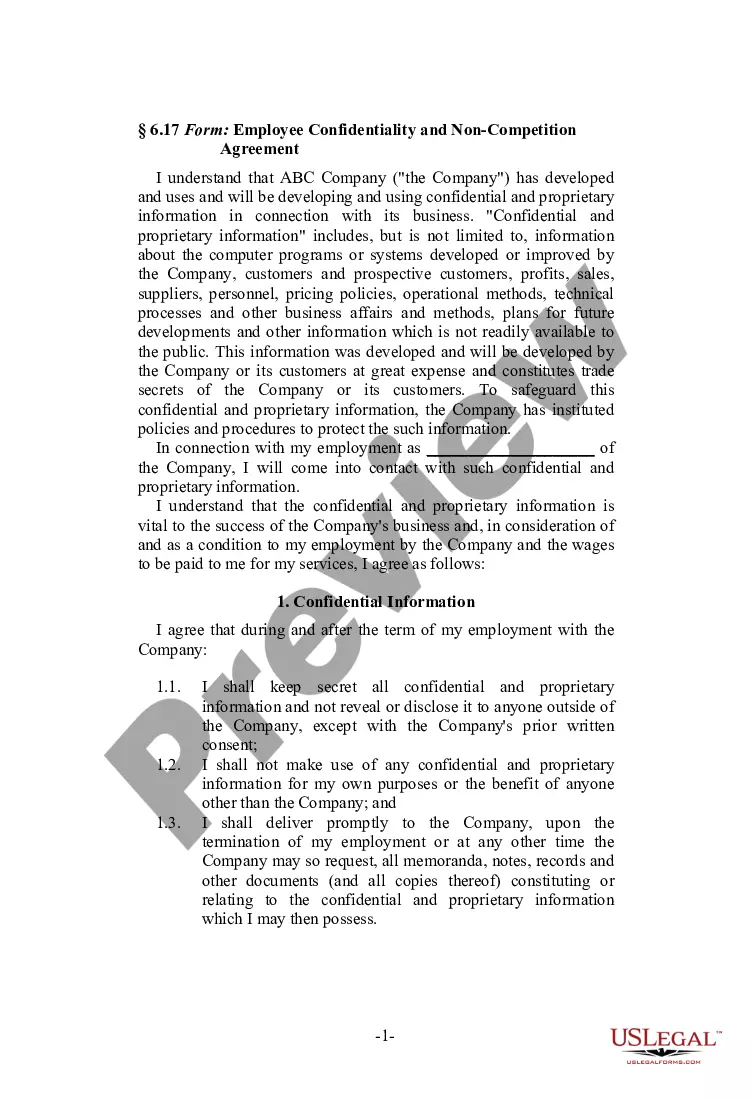
Non-competes ensure that the employee will not use information learned during employment to start a business and compete with the employer once work is over. It also ensures that the employer keeps its place in the market.
Enforceability of Non-Compete Clauses In 2025, employees must earn at least $123,394.17, and independent contractors must earn $308,485.43, for such agreements to be valid, compared to the previous thresholds of $120,599.99 and $301,399.98, respectively.
Only workers who earn more than $123,394.17 per year or $308,485.43 per year for independent contractors can be held to non-competition agreements. The maximum wage reimbursements for the Stay at Work and Preferred Worker Programs are increasing from $10,000 to $25,000 per claim in 2025.
For 2025, the minimum salary threshold is: $1,332.80/week ($69,305.60) for small employers (1-50 employees) $1,499.40/week ($77,968.80) or large employers (51 or more employees)
Washington law allows employers to restrict current employees from “moonlighting” (i.e., working other jobs at the same time) if the employee is making at least twice the state minimum hourly wage.
