Unfair Competition Sample For An Ice Cream Franchise In Utah
Description

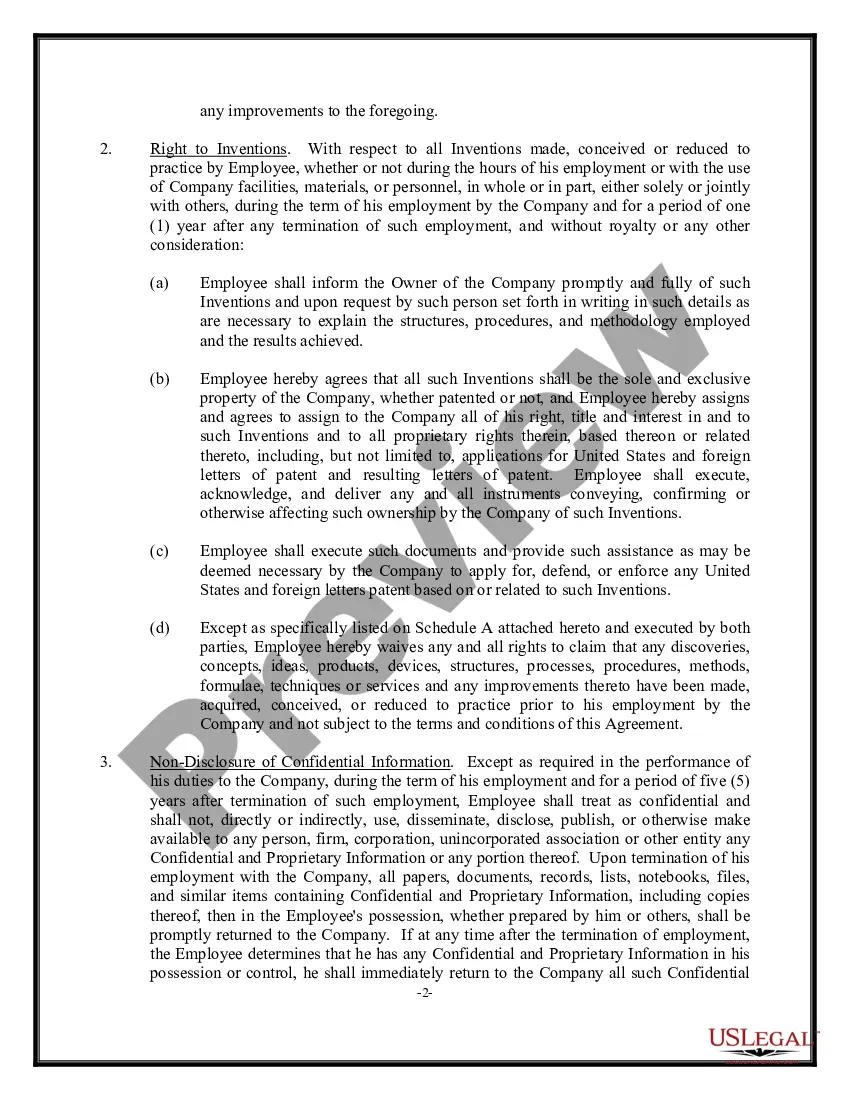
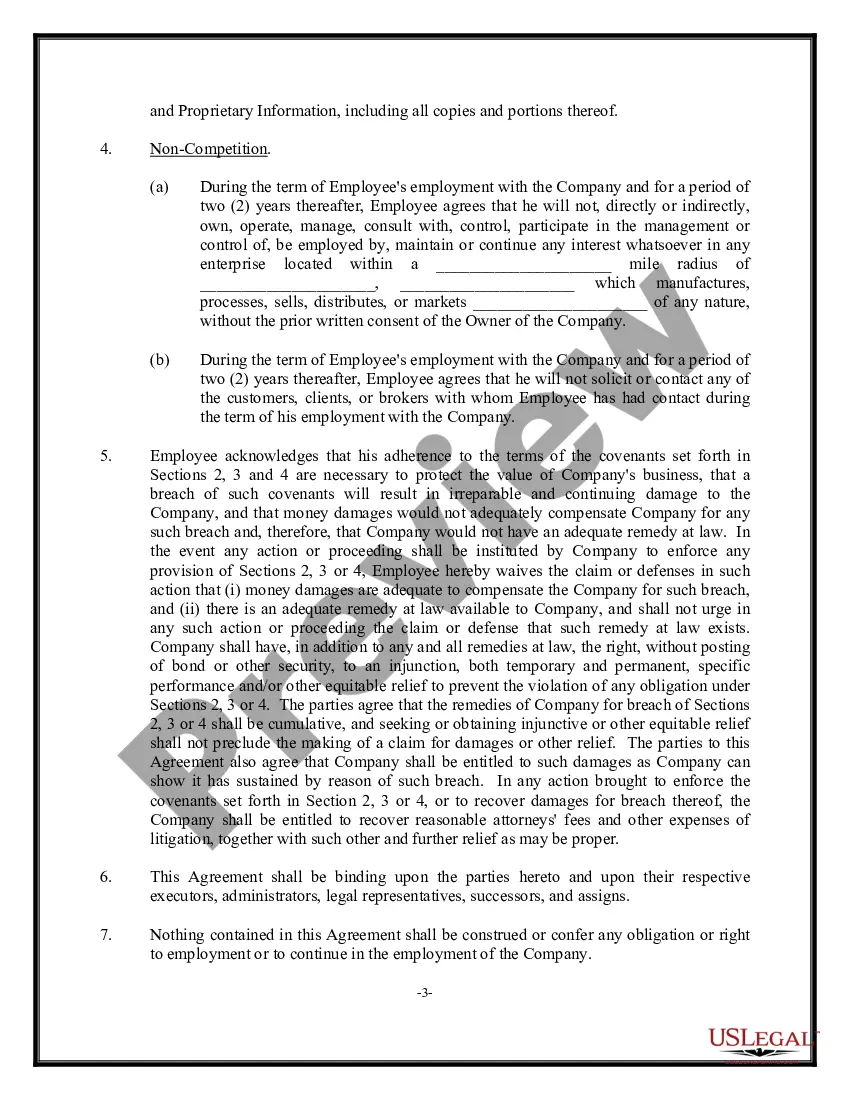
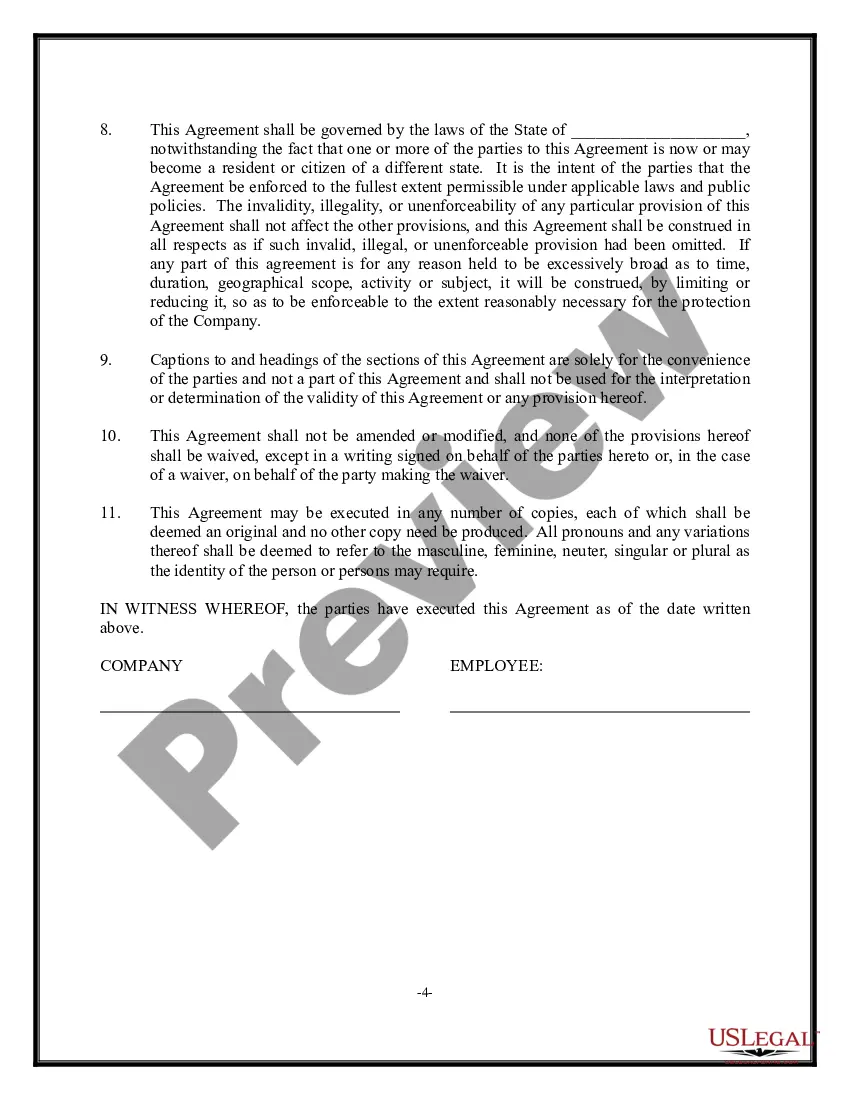
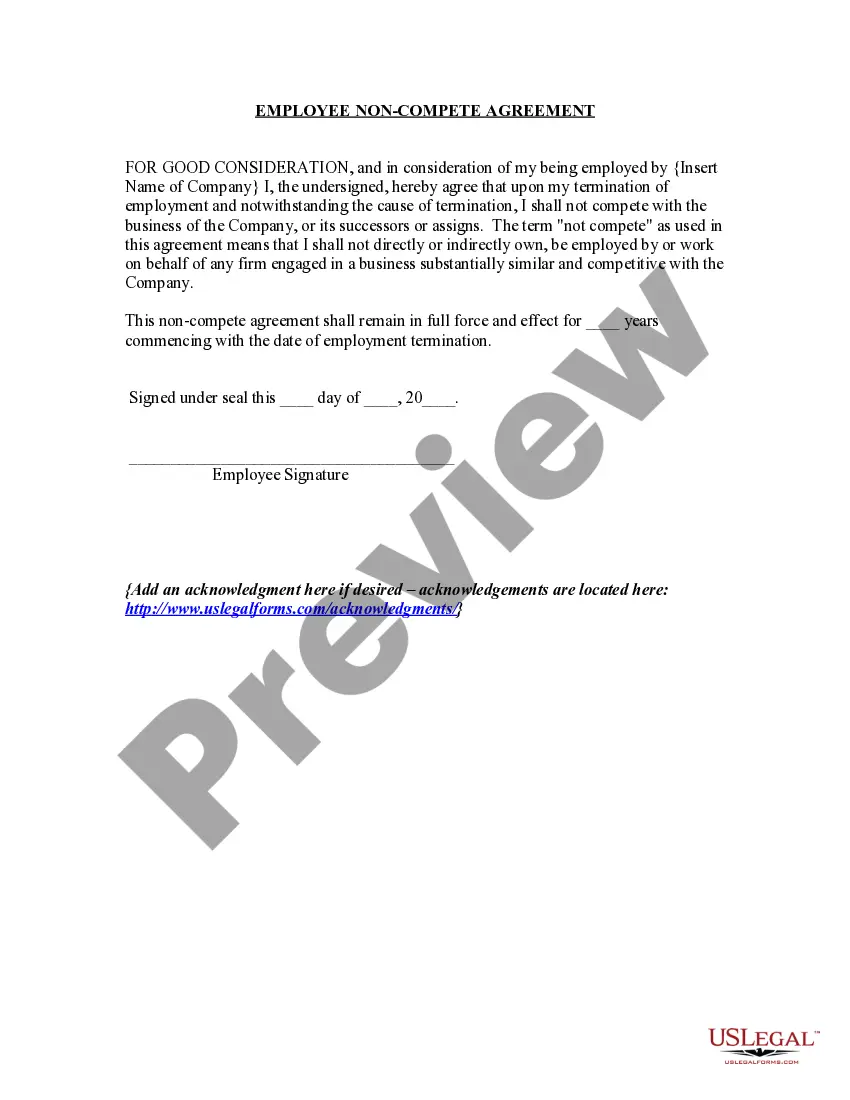
Get your form ready online
Our built-in tools help you complete, sign, share, and store your documents in one place.
Make edits, fill in missing information, and update formatting in US Legal Forms—just like you would in MS Word.
Download a copy, print it, send it by email, or mail it via USPS—whatever works best for your next step.
Sign and collect signatures with our SignNow integration. Send to multiple recipients, set reminders, and more. Go Premium to unlock E-Sign.
If this form requires notarization, complete it online through a secure video call—no need to meet a notary in person or wait for an appointment.
We protect your documents and personal data by following strict security and privacy standards.

Make edits, fill in missing information, and update formatting in US Legal Forms—just like you would in MS Word.

Download a copy, print it, send it by email, or mail it via USPS—whatever works best for your next step.

Sign and collect signatures with our SignNow integration. Send to multiple recipients, set reminders, and more. Go Premium to unlock E-Sign.

If this form requires notarization, complete it online through a secure video call—no need to meet a notary in person or wait for an appointment.

We protect your documents and personal data by following strict security and privacy standards.
Looking for another form?







Form popularity
FAQ
Ice cream franchises can be profitable for business owners depending on the market, customer demographics, and competition present in the area.
The Utah Unfair Competition Act is one of the most vital pieces of legislation in regard to unfair competition contracts. The Act prohibits several types of agreements, including those that restrain trade and those that unlawfully interfere with a person's business interests.
Utah's Unfair Practices Act was enacted to “safeguard the public against the creation or per- petuation of monopolies and to foster and encourage competition, by prohibiting unfair and discrimi- natory practices by which fair and honest competition is destroyed or prevented.”
Any deceptive act or practice in the course of trade that causes, or is likely to cause, confusion with respect to another person or his activities, in particular with regard to the products or services offered by such person, shall constitute an act of unfair competition.
Common Examples of Unfair Competition False advertising. “Bait and switch” selling tactics. Unauthorized substitution of one brand of goods for another. Use of confidential information by former employee to solicit customers.
These include: Performance enhancing drugs: When athletes turn to performance enhancing drugs such as steroids or human growth hormones, they gain an unfair advantage over others. Discrimination: Discrimination based race, gender, religion, ethnicity and other factors is illegal.
Two common examples of unfair competition are trademark infringement and misappropriation. The right to publicity is often invoked in misappropriation issues. Other practices that fall into the area of unfair competition include: False advertising.
Unfair competition is conduct by a market participant which gains or seeks to gain an advantage over its rivals through misleading, deceptive, dishonest, fraudulent, coercive or unconscionable conduct in trade or commerce.
Two common examples of unfair competition are trademark infringement and misappropriation. The right to publicity is often invoked in misappropriation issues. Other practices that fall into the area of unfair competition include: False advertising.
