Competition Noncompetition For 50 In Texas
Description

Get your form ready online
Our built-in tools help you complete, sign, share, and store your documents in one place.
Make edits, fill in missing information, and update formatting in US Legal Forms—just like you would in MS Word.
Download a copy, print it, send it by email, or mail it via USPS—whatever works best for your next step.
Sign and collect signatures with our SignNow integration. Send to multiple recipients, set reminders, and more. Go Premium to unlock E-Sign.
If this form requires notarization, complete it online through a secure video call—no need to meet a notary in person or wait for an appointment.
We protect your documents and personal data by following strict security and privacy standards.

Make edits, fill in missing information, and update formatting in US Legal Forms—just like you would in MS Word.

Download a copy, print it, send it by email, or mail it via USPS—whatever works best for your next step.

Sign and collect signatures with our SignNow integration. Send to multiple recipients, set reminders, and more. Go Premium to unlock E-Sign.

If this form requires notarization, complete it online through a secure video call—no need to meet a notary in person or wait for an appointment.

We protect your documents and personal data by following strict security and privacy standards.
Looking for another form?






Form popularity
FAQ
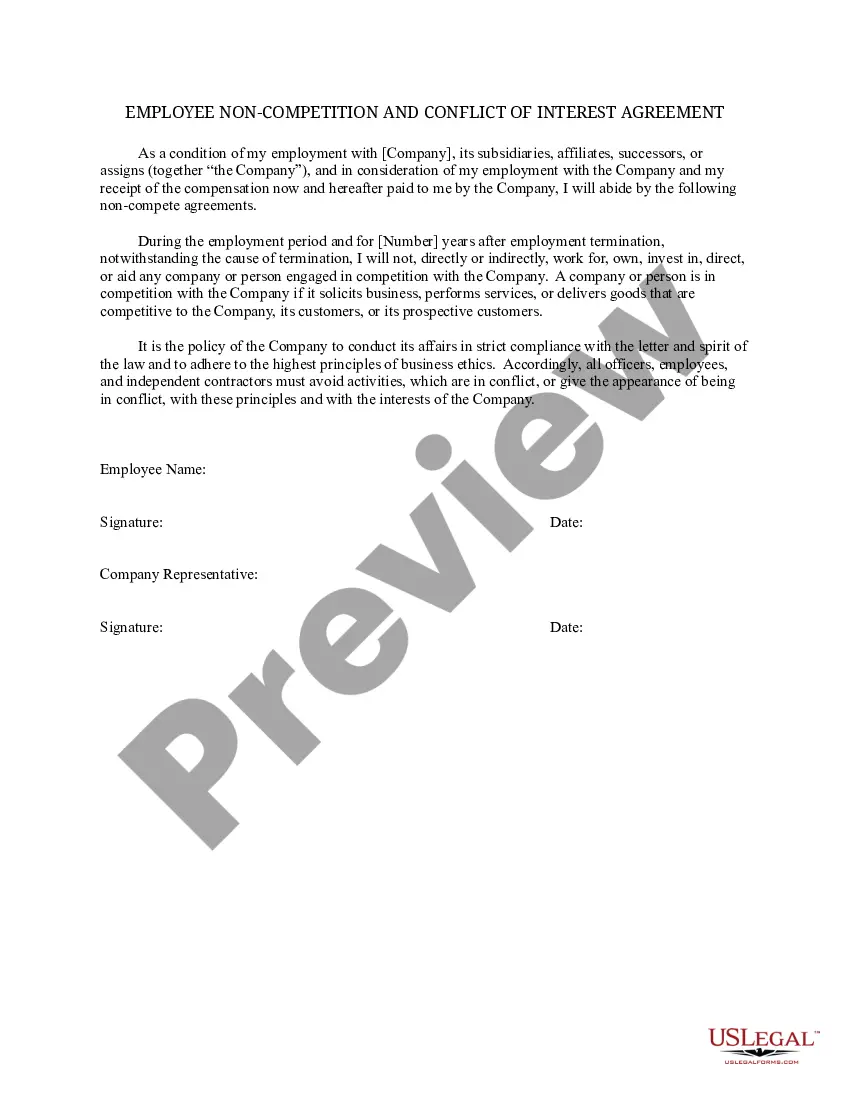
The agreement can't be unreasonable, vague, or ambiguous about activities. In other words, it needs to outline any restrictions to your future employment opportunities specifically, and it can't be so broad that you can't find a new job.
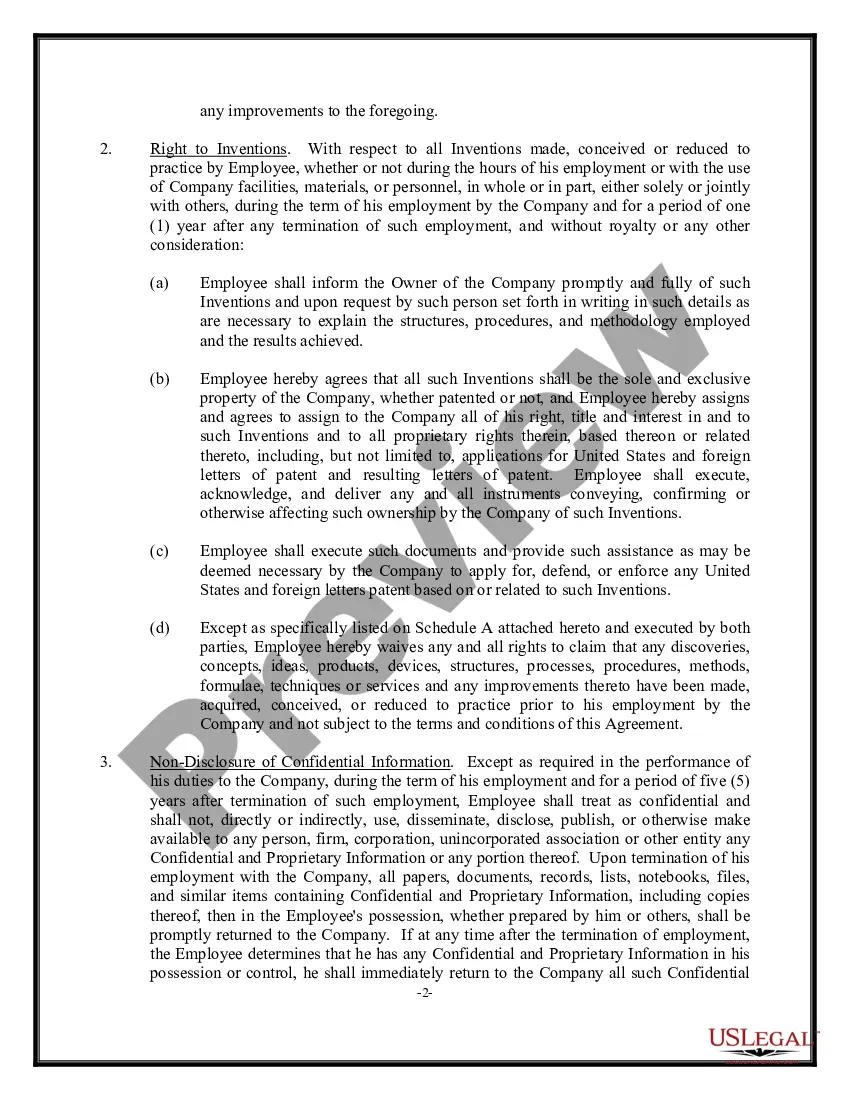
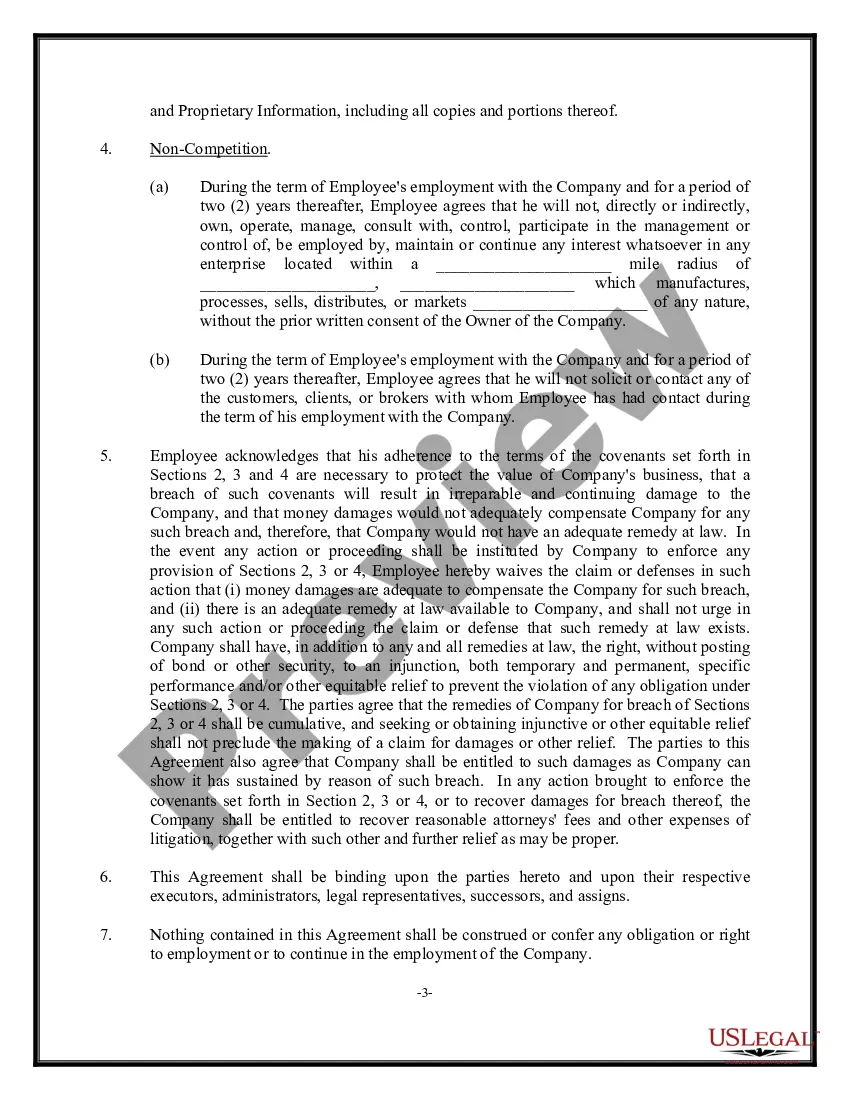
With that said, most states agree that two of the main factors to consider are geographical scope and the duration of the restriction. Over time, courts across the country have largely come to agree that the most restrictive (and enforceable) non-compete is 50 miles and two years after termination of employment.
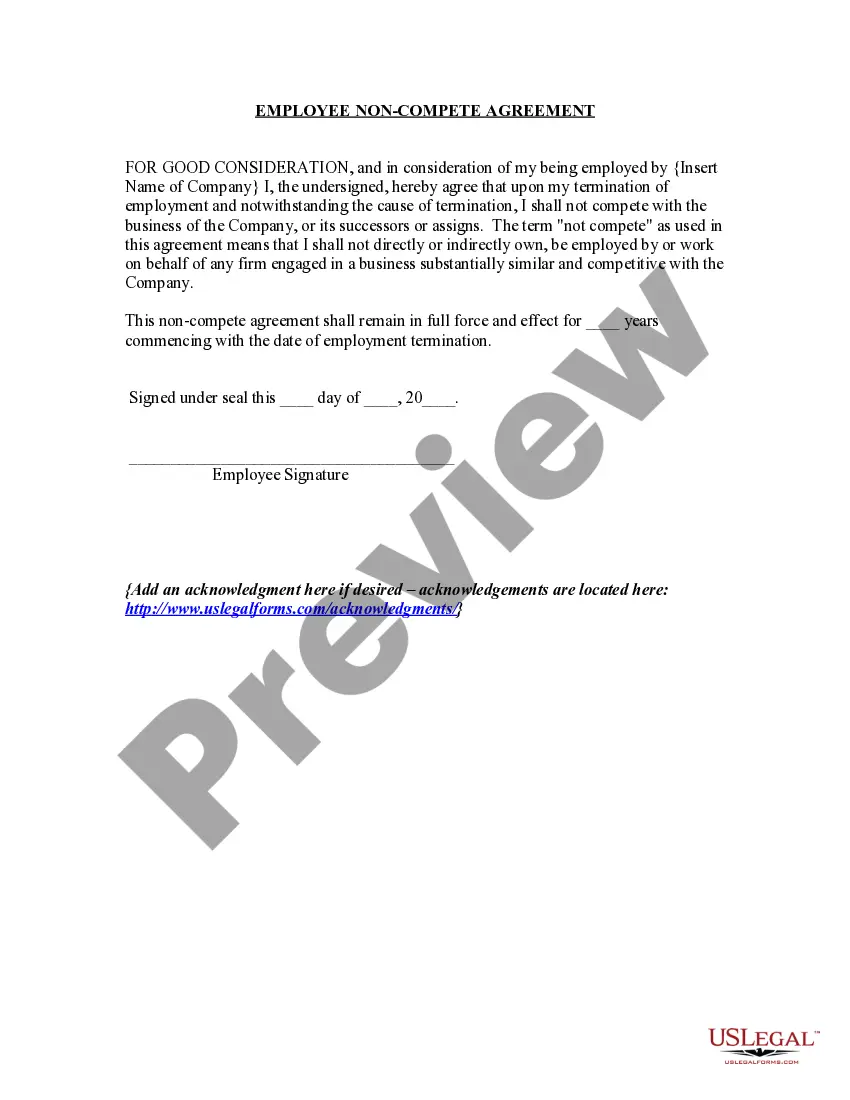
As for a time limit on a non-compete agreement, most employers see between six months and two years as a reasonable non-compete time frame, with one year being quite common. However, the time frame depends on the industry and type of career path the individual has.
California is an outlier compared to most states; non-compete agreements are unenforceable. While employers can seek out other ways to protect confidential company information, a non-compete agreement will not accomplish those goals. Here's what you need to know about California non-compete enforceability.
To get out of a non-compete agreement in Texas, you may negotiate with your employer, prove that the terms are unreasonable or unenforceable, or show that it violates legal standards.
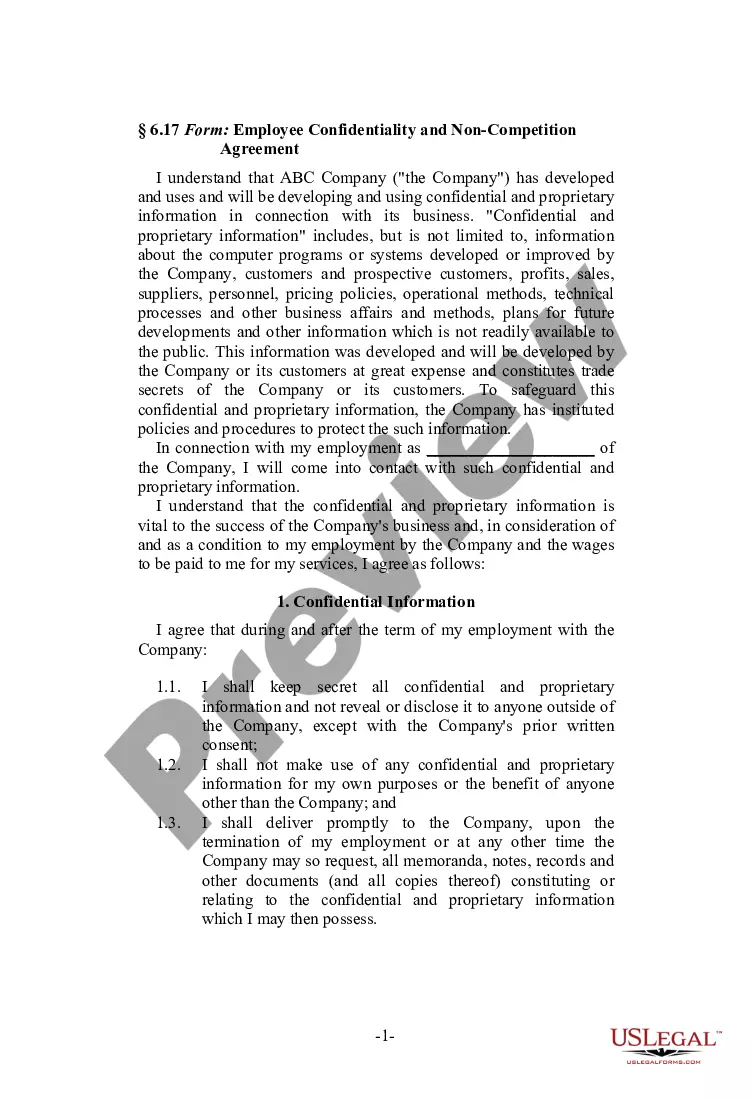
Reasonableness: Non-compete agreements must be reasonable in terms of their scope and duration. This means that the restrictions must be no broader than necessary to protect the legitimate business interests of the employer, such as protecting trade secrets, confidential information, and/or customer relationships.
Reasonableness: Non-compete agreements must be reasonable in terms of their scope and duration. This means that the restrictions must be no broader than necessary to protect the legitimate business interests of the employer, such as protecting trade secrets, confidential information, and/or customer relationships.
The Non-Compete Rule would prohibit employers from entering into or otherwise enforcing non-compete clauses and some similar agreements, beginning on September 4, 2024. It would also require employers to notify workers subject to such agreements that their agreements are no longer enforceable.
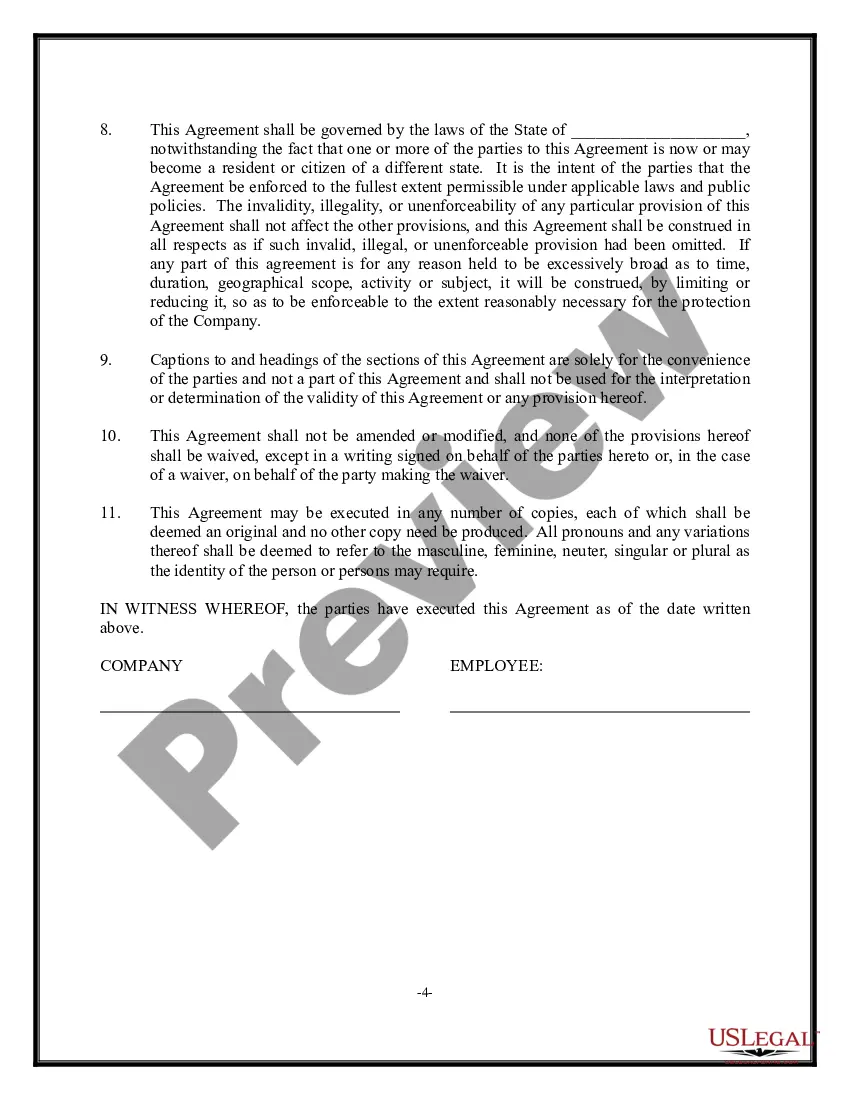
In Texas, a court has the ability to modify – or even nullify – the non-compete if the court determines that it is not reasonable. The courts are given wide latitude to reform a non-compete if the court believes the scope of activity, duration, or geographic area are too restrictive.
