Volunteer Service Agreement Format Between Two Companies In Tarrant
Description

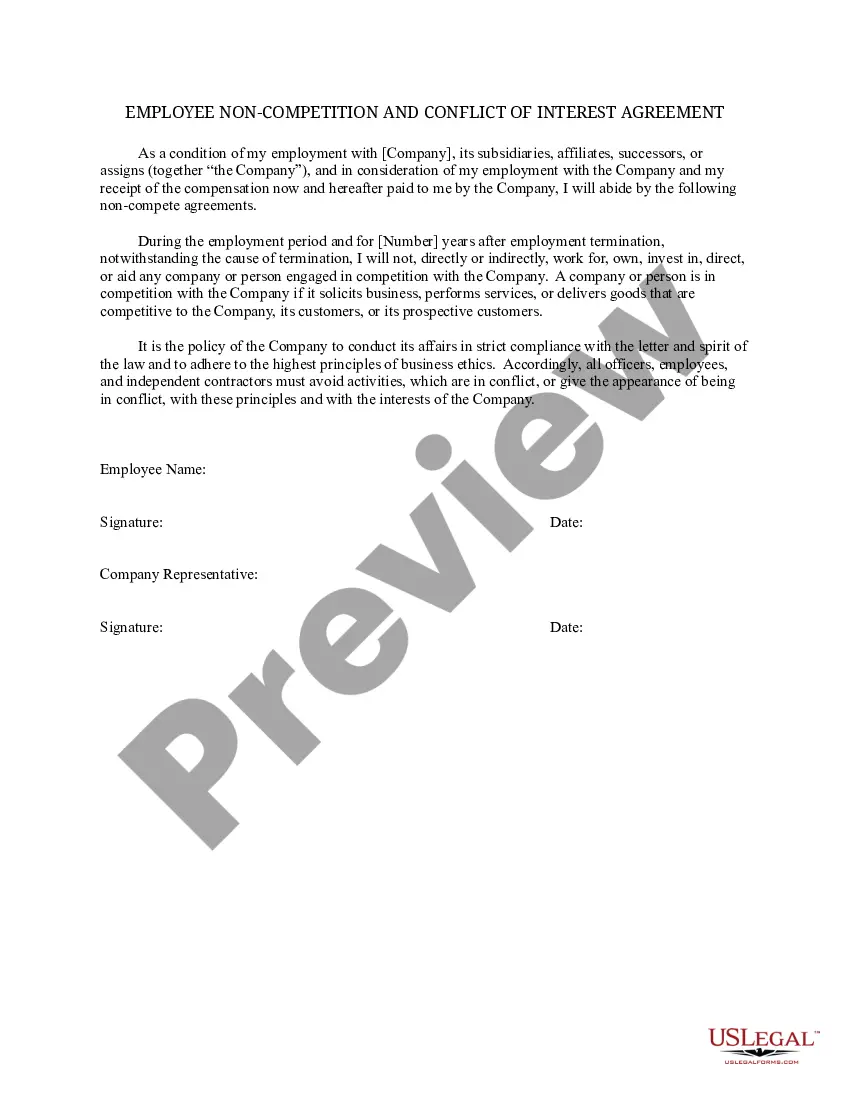
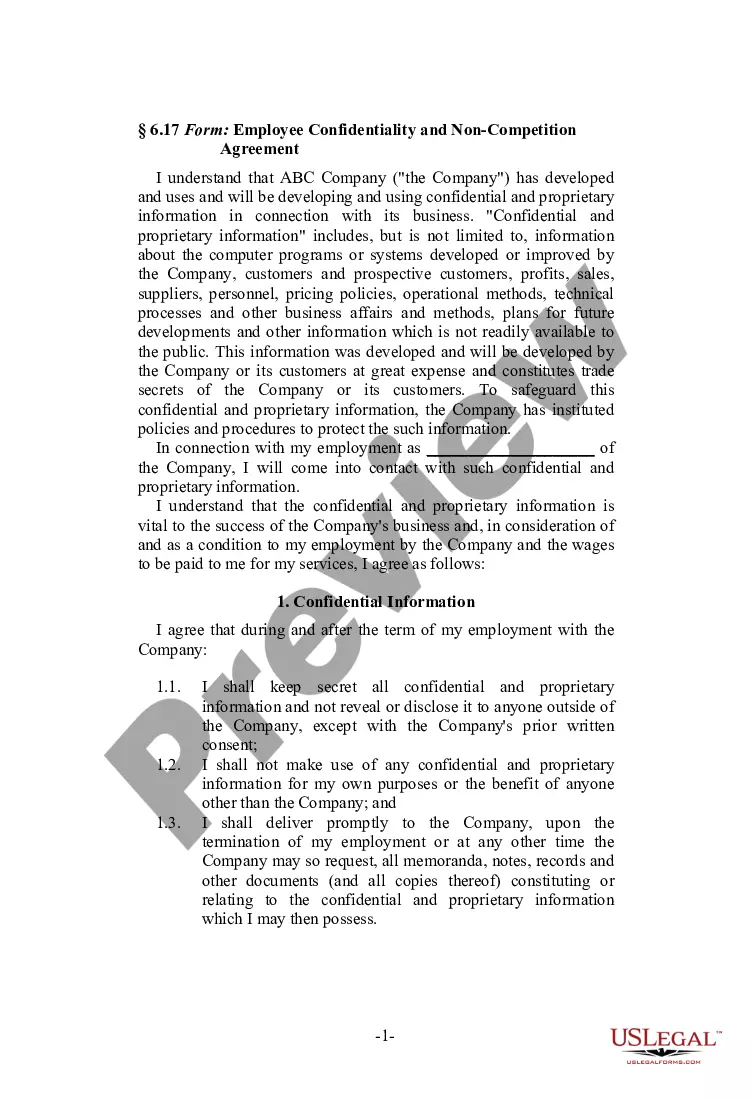
Get your form ready online
Our built-in tools help you complete, sign, share, and store your documents in one place.
Make edits, fill in missing information, and update formatting in US Legal Forms—just like you would in MS Word.
Download a copy, print it, send it by email, or mail it via USPS—whatever works best for your next step.
Sign and collect signatures with our SignNow integration. Send to multiple recipients, set reminders, and more. Go Premium to unlock E-Sign.
If this form requires notarization, complete it online through a secure video call—no need to meet a notary in person or wait for an appointment.
We protect your documents and personal data by following strict security and privacy standards.

Make edits, fill in missing information, and update formatting in US Legal Forms—just like you would in MS Word.

Download a copy, print it, send it by email, or mail it via USPS—whatever works best for your next step.

Sign and collect signatures with our SignNow integration. Send to multiple recipients, set reminders, and more. Go Premium to unlock E-Sign.

If this form requires notarization, complete it online through a secure video call—no need to meet a notary in person or wait for an appointment.

We protect your documents and personal data by following strict security and privacy standards.
Looking for another form?










Form popularity
FAQ
You do not have a contract of employment as a volunteer, so you do not have the same rights as an employee or worker. You will usually be given a volunteer agreement that explains: the level of supervision and support you'll get. what training you'll get.
A Volunteer Agreement sets out the terms and conditions for your volunteers, ensuring that they are clearly defined. Apart from stating the obligations and responsibilities of the volunteer, it also sets clear boundaries when it comes to the handling of sensitive and confidential information.
COMMUNITY SERVICE AGREEMENT. (Faith-Based Organizations) This agreement is made this day of by and between the. (Program) and (Organization). This agreement is intended to delineate the responsibilities of each party.
I, full name of volunteer, agree to work for Nonprofit as a volunteer on name project or activity on/from timeframe of project. As a volunteer, I understand that I control the dates and times when I do the work and that Nonprofit is not responsible for scheduling my volunteer work.
An SLA details the service expected of the vendor, the metrics the deliverables will be measured by, and penalties that will be implemented should the agreement not be met by either party. SLAs are usually between a vendor and the companies it supplies. They can also be between departments within a company.
What is it called when two companies work together? An equal and mutual partnership between two companies is a strategic partnership agreement. ing to the provisions of this agreement, each party is the strategic partner of the other one.
What are the three types of SLAs? There are three basic types of SLAs: customer, internal and multilevel service-level agreements. A customer service-level agreement is between a service provider and its external or internal customers.
A service-level agreement (SLA) is a contract between two companies or internal teams. SLAs define the deliverables, timeframe, and metrics to align expectations and help teams succeed.
A service-level agreement (SLA) defines the level of service expected from a vendor, laying out metrics by which service is measured, as well as remedies should service levels not be achieved. It is a critical component of any technology vendor contract.
