Competition Noncompetition For Students In Suffolk
Description

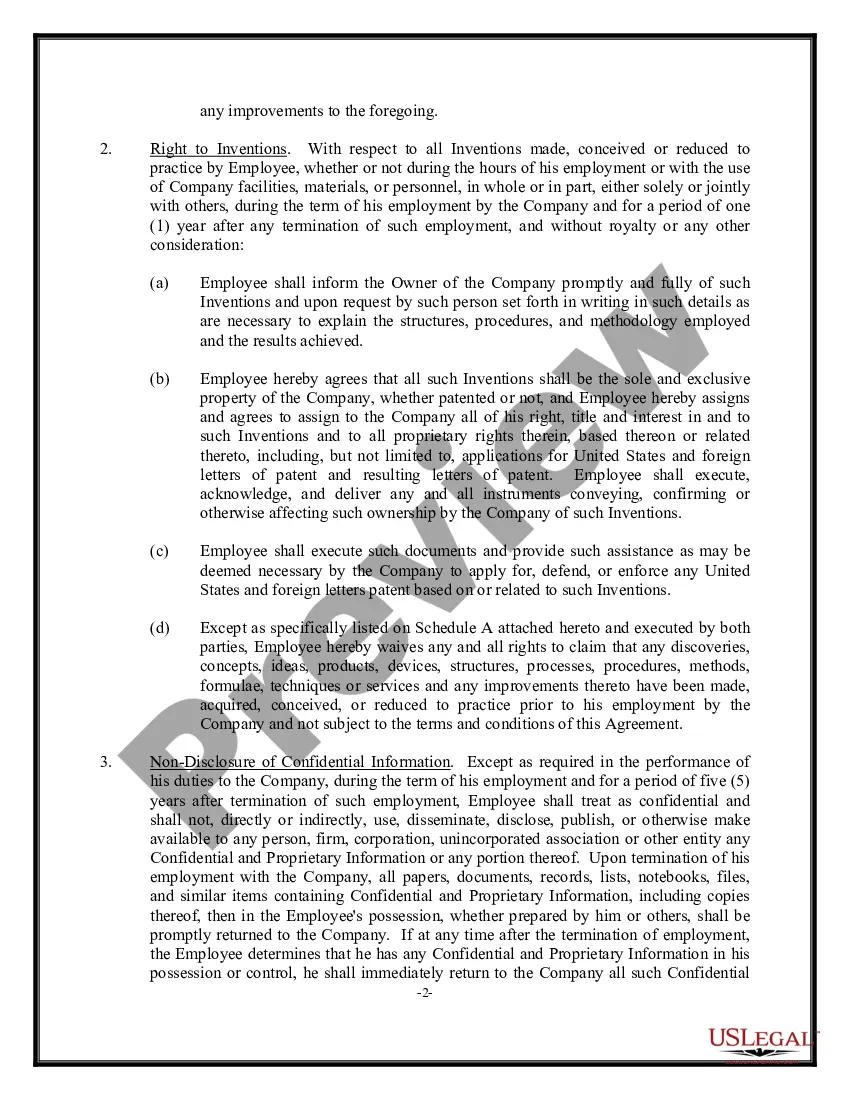
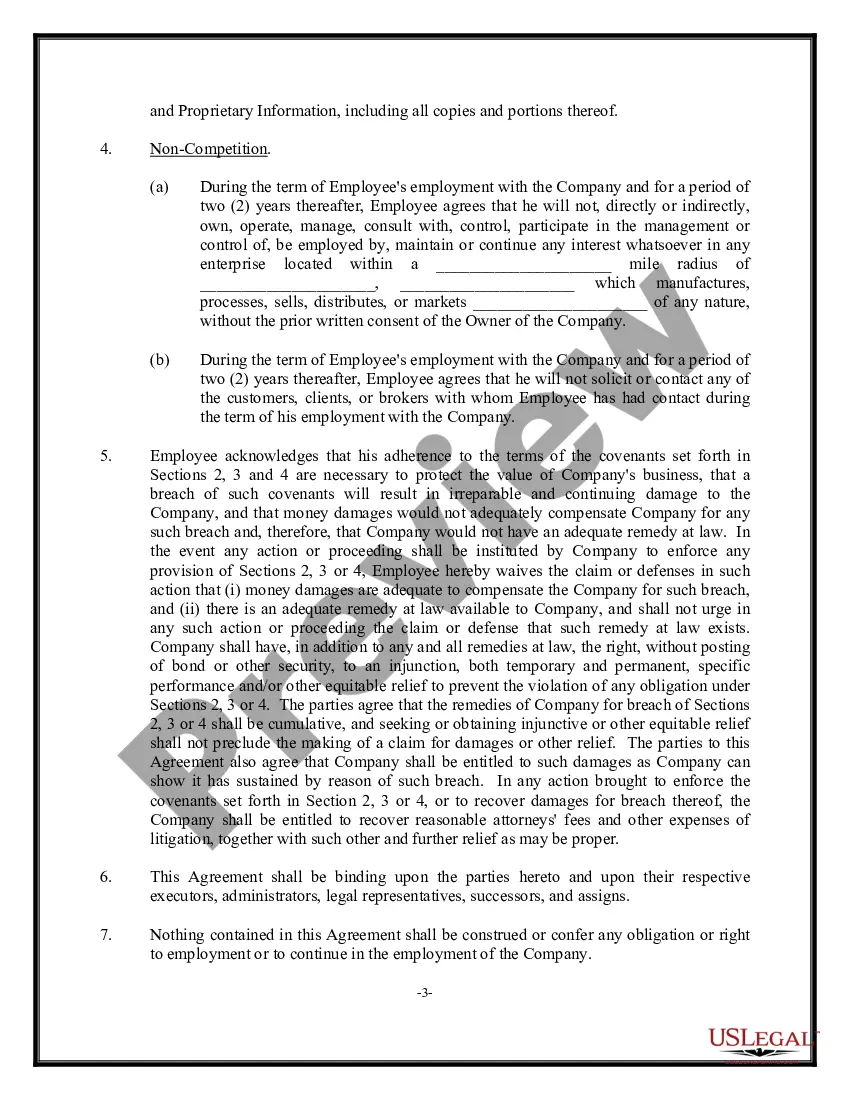
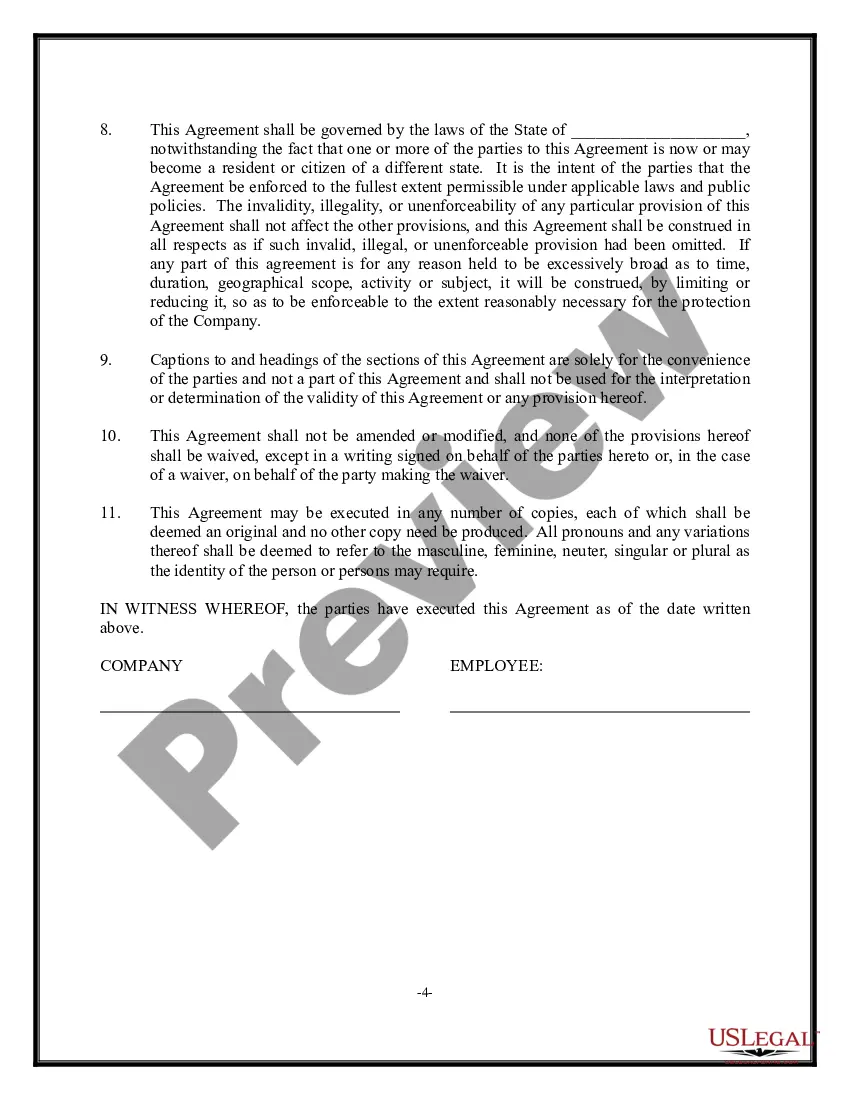
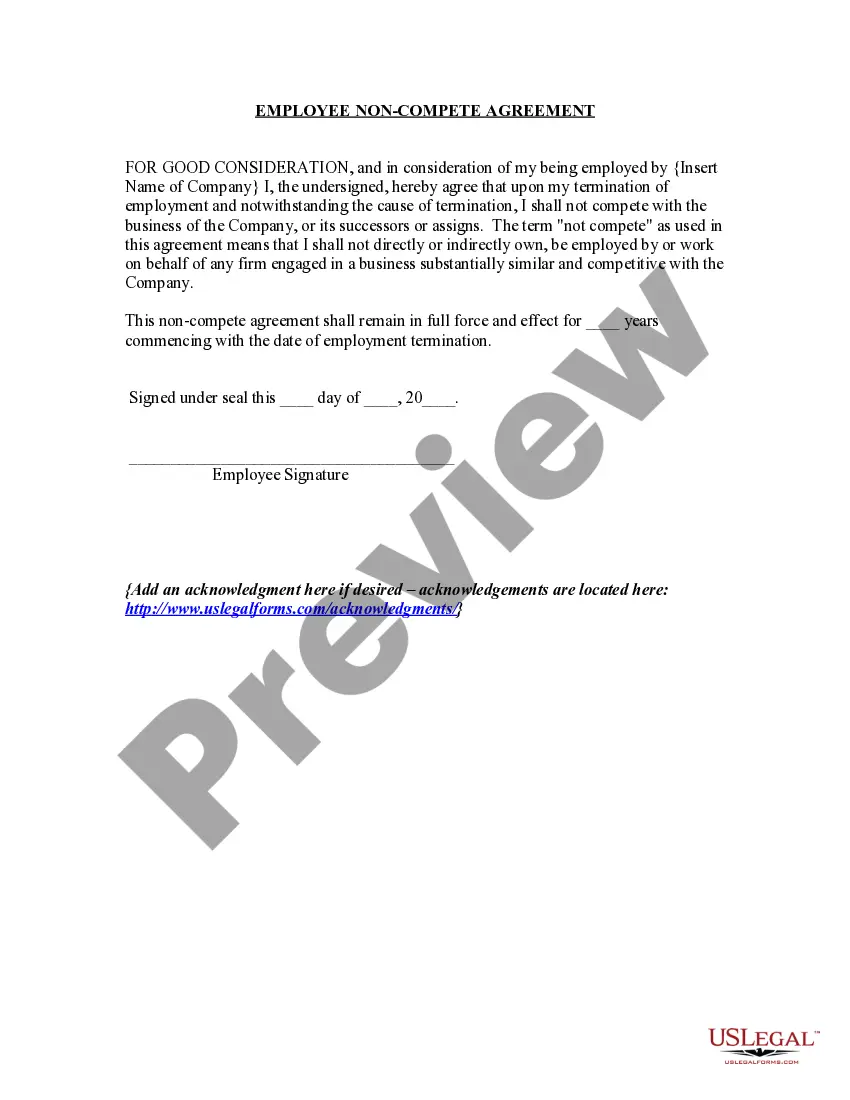
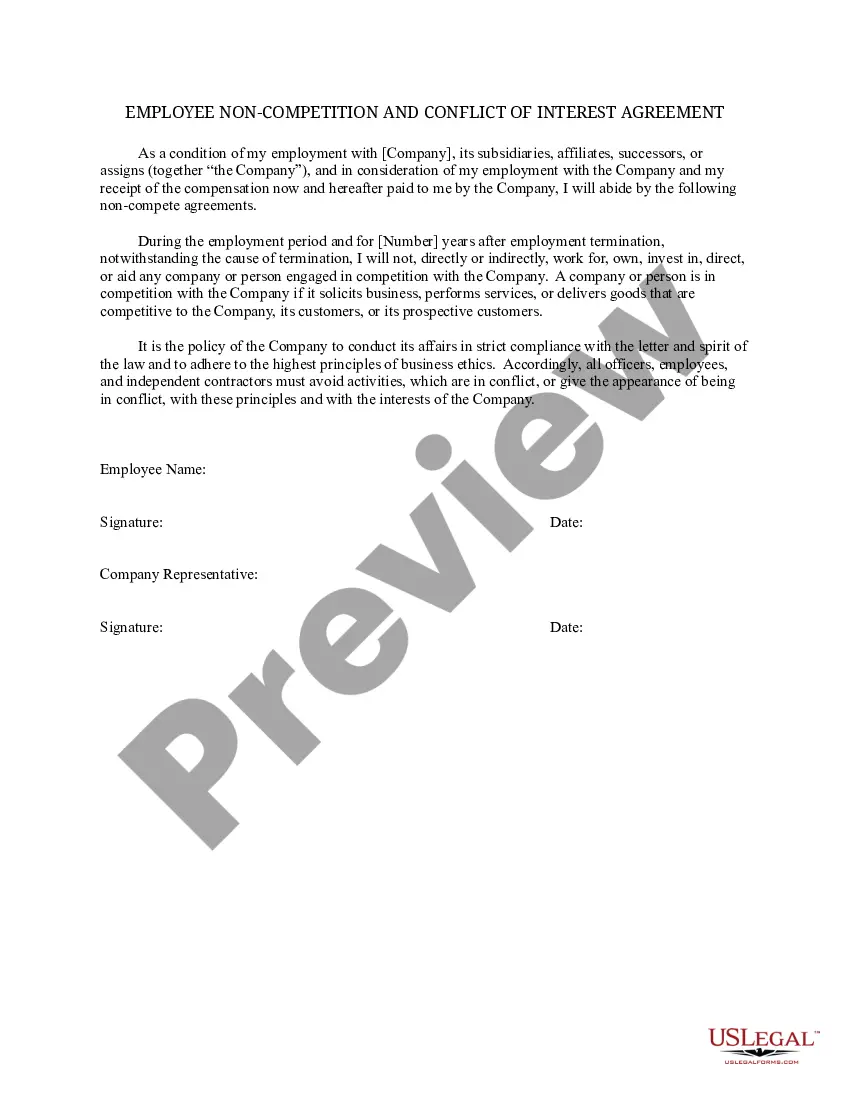
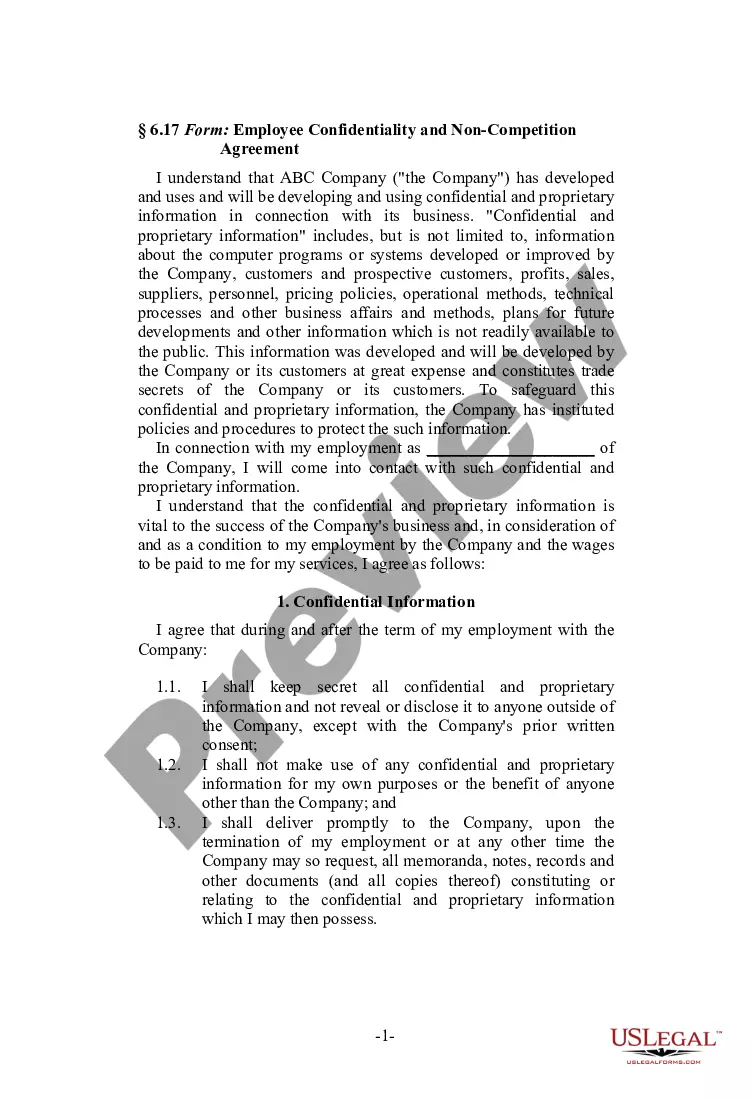
Get your form ready online
Our built-in tools help you complete, sign, share, and store your documents in one place.
Make edits, fill in missing information, and update formatting in US Legal Forms—just like you would in MS Word.
Download a copy, print it, send it by email, or mail it via USPS—whatever works best for your next step.
Sign and collect signatures with our SignNow integration. Send to multiple recipients, set reminders, and more. Go Premium to unlock E-Sign.
If this form requires notarization, complete it online through a secure video call—no need to meet a notary in person or wait for an appointment.
We protect your documents and personal data by following strict security and privacy standards.

Make edits, fill in missing information, and update formatting in US Legal Forms—just like you would in MS Word.

Download a copy, print it, send it by email, or mail it via USPS—whatever works best for your next step.

Sign and collect signatures with our SignNow integration. Send to multiple recipients, set reminders, and more. Go Premium to unlock E-Sign.

If this form requires notarization, complete it online through a secure video call—no need to meet a notary in person or wait for an appointment.

We protect your documents and personal data by following strict security and privacy standards.
Looking for another form?







Form popularity
FAQ
Under California law, non-solicitation agreements are invalid and unenforceable if they: Prohibit an employee from engaging in lawful, off-duty conduct; Restrict an employee's right to terminate their employment; Violate an employee's right to work in a particular profession or field; or.
Under the MNAA, to be valid and enforceable a non-compete agreement must: Be in writing and signed by both the employer and the employee. Expressly state that the employee may consult with an attorney before signing. – at least ten business days before the employment begins.
Under Massachusetts contract law, consideration is an exchange of value. For an agreement to be a binding contract, both sides have to give something and both sides have to receive something. For non-solicitation agreements, the employer gets the employee to promise not to solicit clients or workers from the employer.
Residential property - No person shall engage in solicitation or canvassing in or upon any residential property upon which is displayed a sign prohibiting trespassing or solicitation or canvassing.
The MNAA does not apply retroactively. That really should not come as a surprise to anyone. “Reaffirmation” of an existing noncompete may be considered a new agreement subject to the MNAA. But don't worry too much.
California's BPC section 16600 provides that non-competition and non-solicitation agreements are generally void and unenforceable unless they fall within certain limited exceptions.
Non-competes are generally binding. So they are enforceable when an employee leaves the company. It doesn't matter if you're fired or resign. Valid agreements must be reasonable in scope.
Under the new law, the geographic restrictions regarding where a former employee may not compete are limited to the area where, during the past two years of the employee's employment, he or she provided services or had a “material presence or influence.” The statute does not define the phrase “material presence or ...
The legislation proposed a sweeping and aggressive prohibition of new non-compete agreements with employees and other workers and service providers, without any exceptions for highly compensated employees, for partners leaving a partnership or even for non-competes entered into in the sale of a business context.
Employers do not need to notarize non-compete agreements. The dated signatures of a company representative, such as a manager or HR representative, and the employee are typically sufficient.
