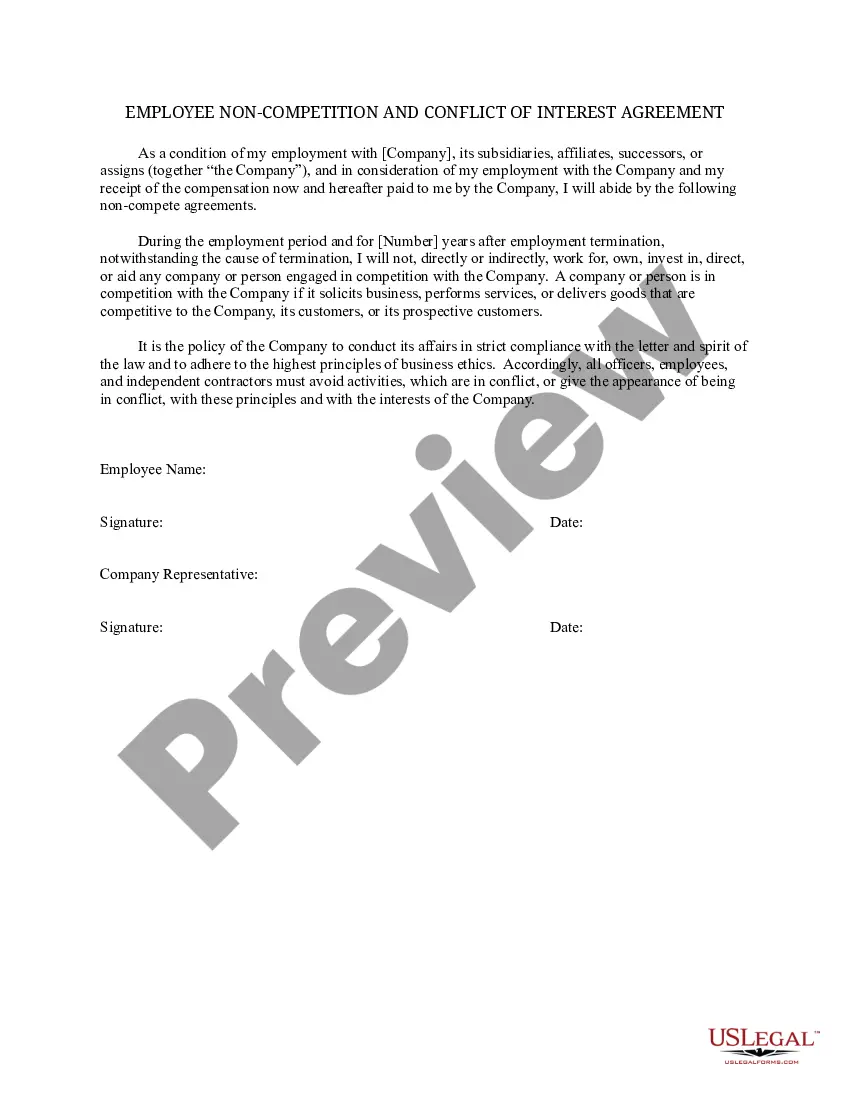
Competition Noncompetition For 50 In Philadelphia
Description

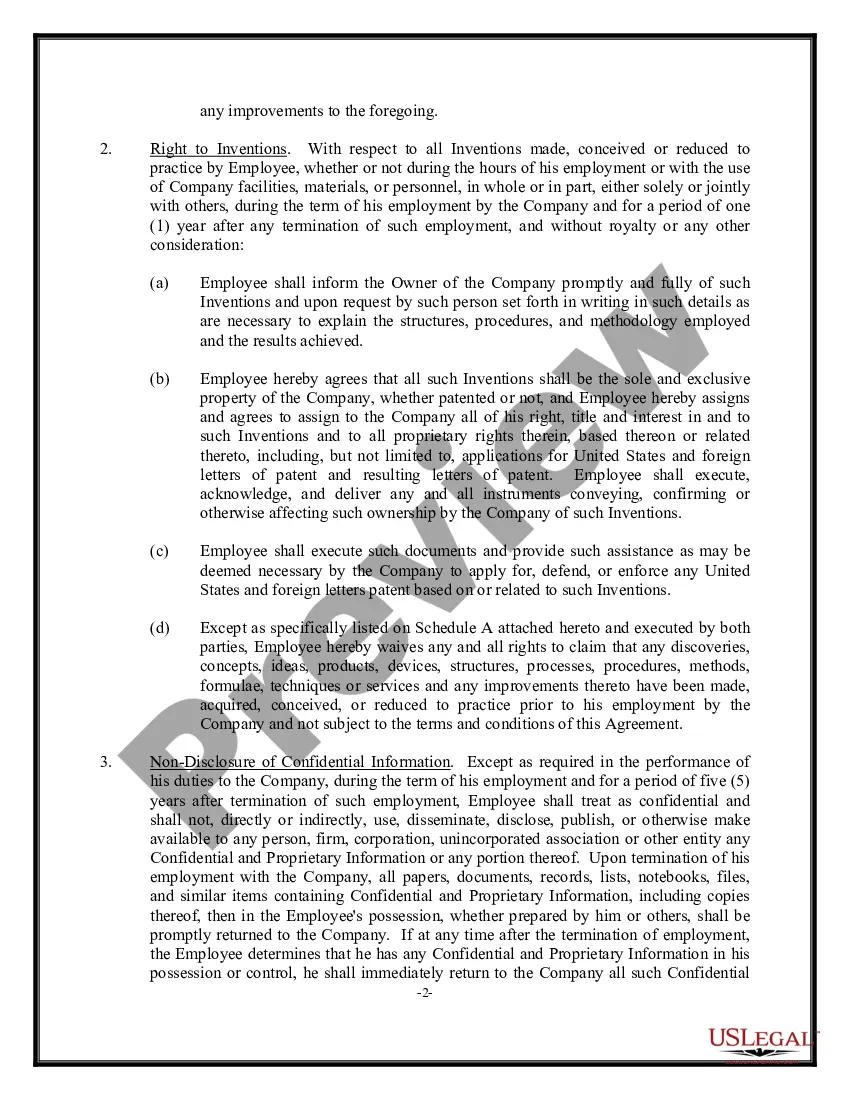
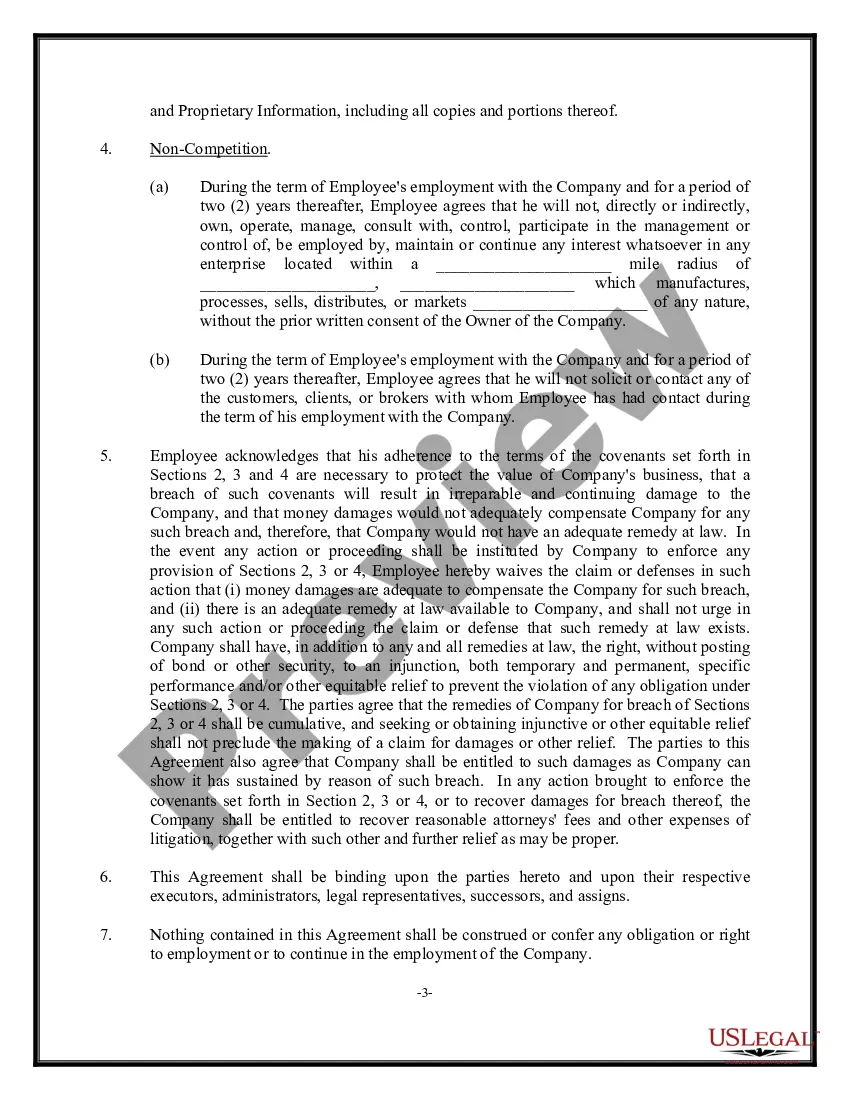
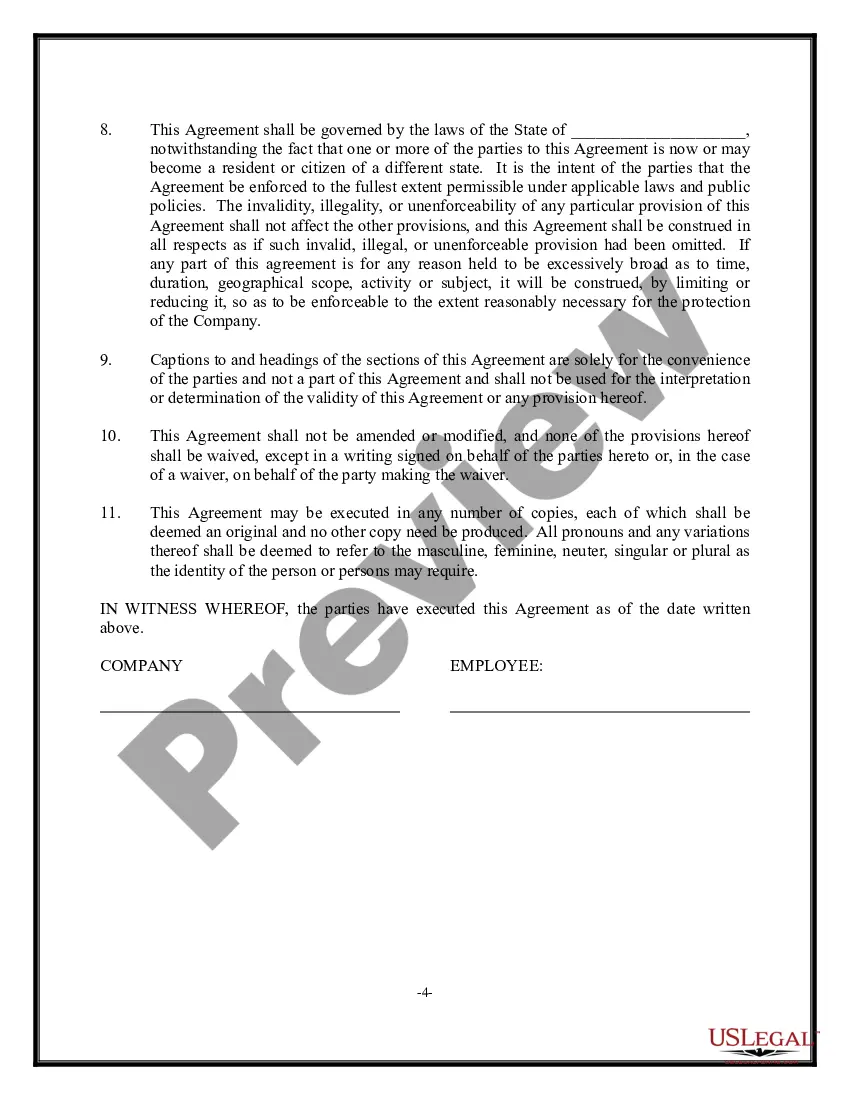
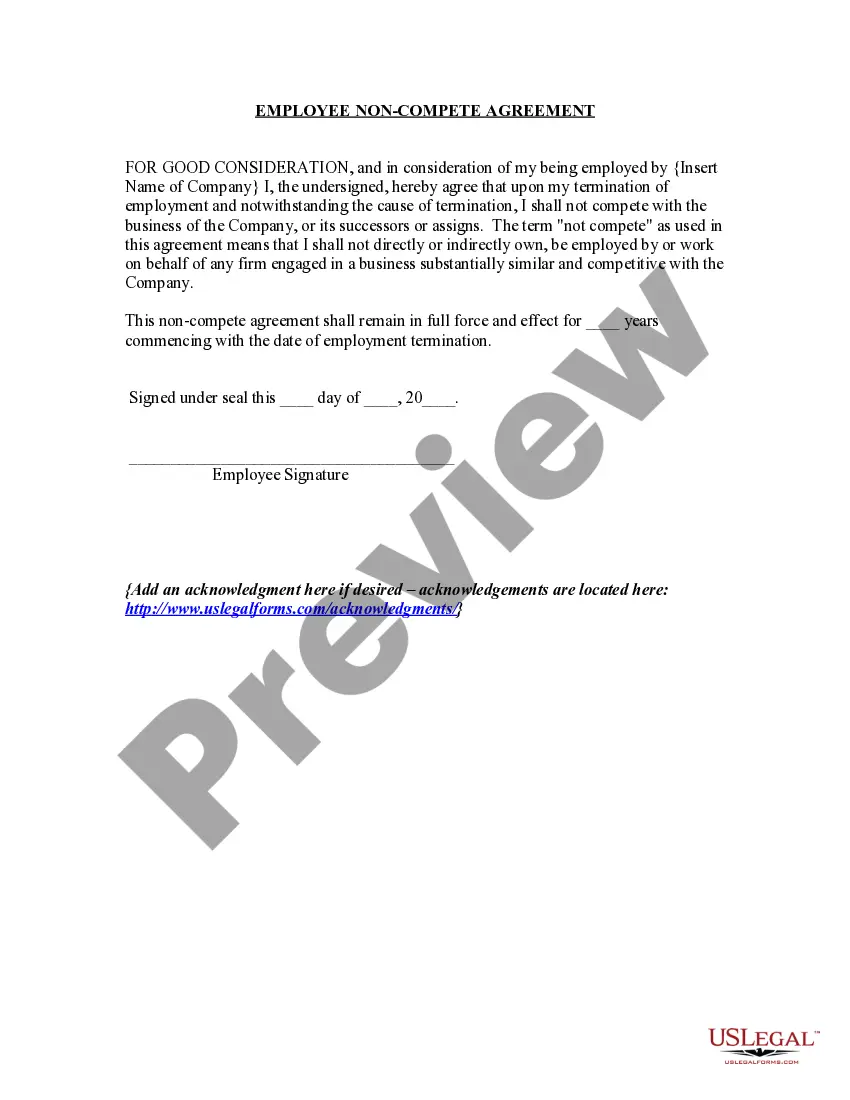
Get your form ready online
Our built-in tools help you complete, sign, share, and store your documents in one place.
Make edits, fill in missing information, and update formatting in US Legal Forms—just like you would in MS Word.
Download a copy, print it, send it by email, or mail it via USPS—whatever works best for your next step.
Sign and collect signatures with our SignNow integration. Send to multiple recipients, set reminders, and more. Go Premium to unlock E-Sign.
If this form requires notarization, complete it online through a secure video call—no need to meet a notary in person or wait for an appointment.
We protect your documents and personal data by following strict security and privacy standards.

Make edits, fill in missing information, and update formatting in US Legal Forms—just like you would in MS Word.

Download a copy, print it, send it by email, or mail it via USPS—whatever works best for your next step.

Sign and collect signatures with our SignNow integration. Send to multiple recipients, set reminders, and more. Go Premium to unlock E-Sign.

If this form requires notarization, complete it online through a secure video call—no need to meet a notary in person or wait for an appointment.

We protect your documents and personal data by following strict security and privacy standards.
Looking for another form?








Form popularity
FAQ
Non-compete agreements are legal and enforceable but the courts are open to investigating the causes and may be open to legal attack if they are “unreasonable,” i.e., overly long with respect to the time period restrictions or overly broad with respect to the geographical region.
The following are the most common ways to get out of a non-compete agreement: Determine that the terms of the contract do not in fact prevent you from a desired course of action. Recognize when a non-compete contradicts the law. Negotiate a release agreement with the involved parties. Ignore the agreement.
Pennsylvania courts have generally found non-compete agreements to be enforceable if the agreement is incident to an employment relationship between the employer and employee; the restriction imposed is reasonably necessary for the protection of the employer's business interest; and the restrictions imposed are ...
Even then, some employers do not enforce the clauses. However, if you breach the terms of a non-compete, the company may sue. If the company changes ownership, the new owners may also have the option of pursuing legal action. For this reason, it is important to negotiate your employment agreement before you sign.
Choropleth map showing California, Minnesota, North Dakota and Oklahoma have full bans on noncompete agreements. Nine states and D.C. have restrictions on noncompetes based on an employee's income level. 25 states have other restrictions on noncompetes while 12 states have no restrictions.
On July 23, 2024, Pennsylvania Governor Josh Shapiro signed the Fair Contracting for Health Care Practitioners Act (the “Act”), which bans certain noncompete covenants, including patient nonsolicitation provisions, between an employer and health care practitioner if the covenant is more than one year or the health care ...
Consideration: Non-compete agreements must be supported by valid consideration, which means that the employee must receive something of value in exchange for agreeing to the restrictions. For example, the offer of initial employment, a promotion, or additional compensation may serve as valid consideration.
At Xite Realty, we always recommend our clients hire attorneys to review legal documents before signing. Negotiate the smallest non-compete radius. A reasonable non-compete radius should be between three to five miles. We've seen radius as large as 20 miles!
Under case law, non-competes will only be enforceable if they are no wider than reasonably necessary to protect a legitimate interest (e.g. protection of confidential information or customer contacts) and are not contrary to the public interest.
