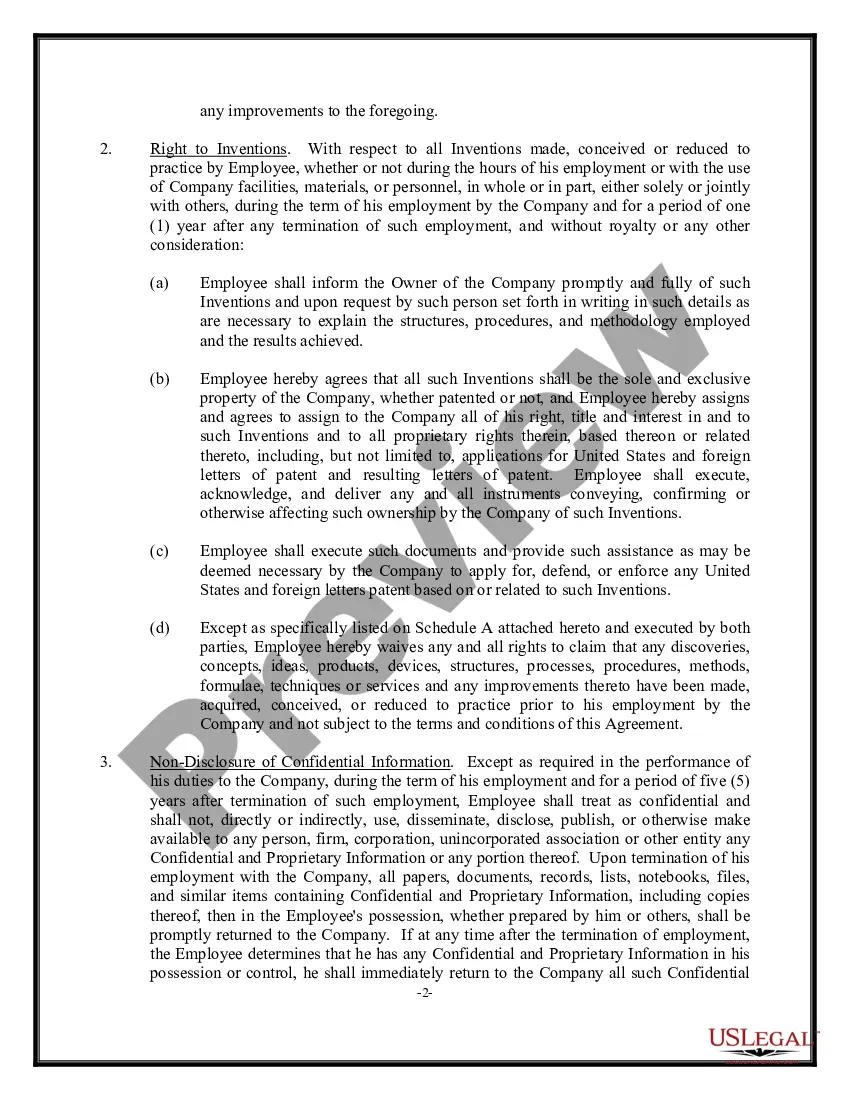
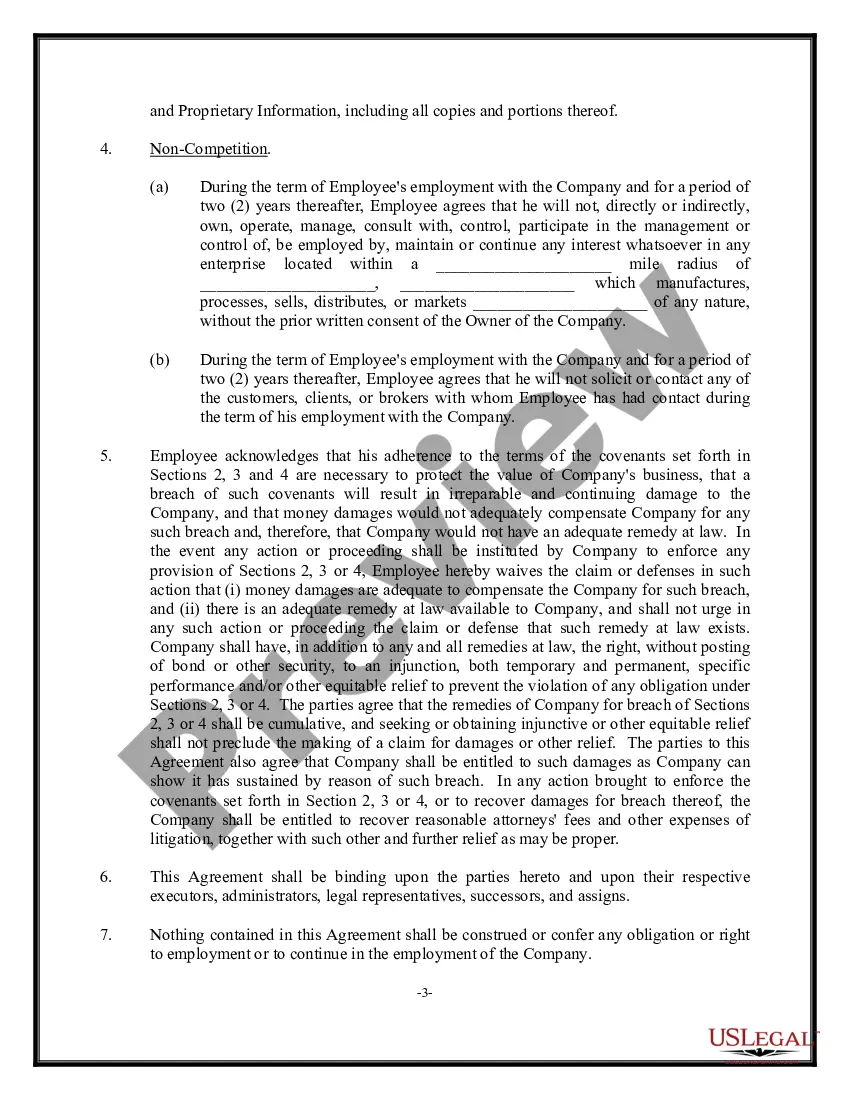
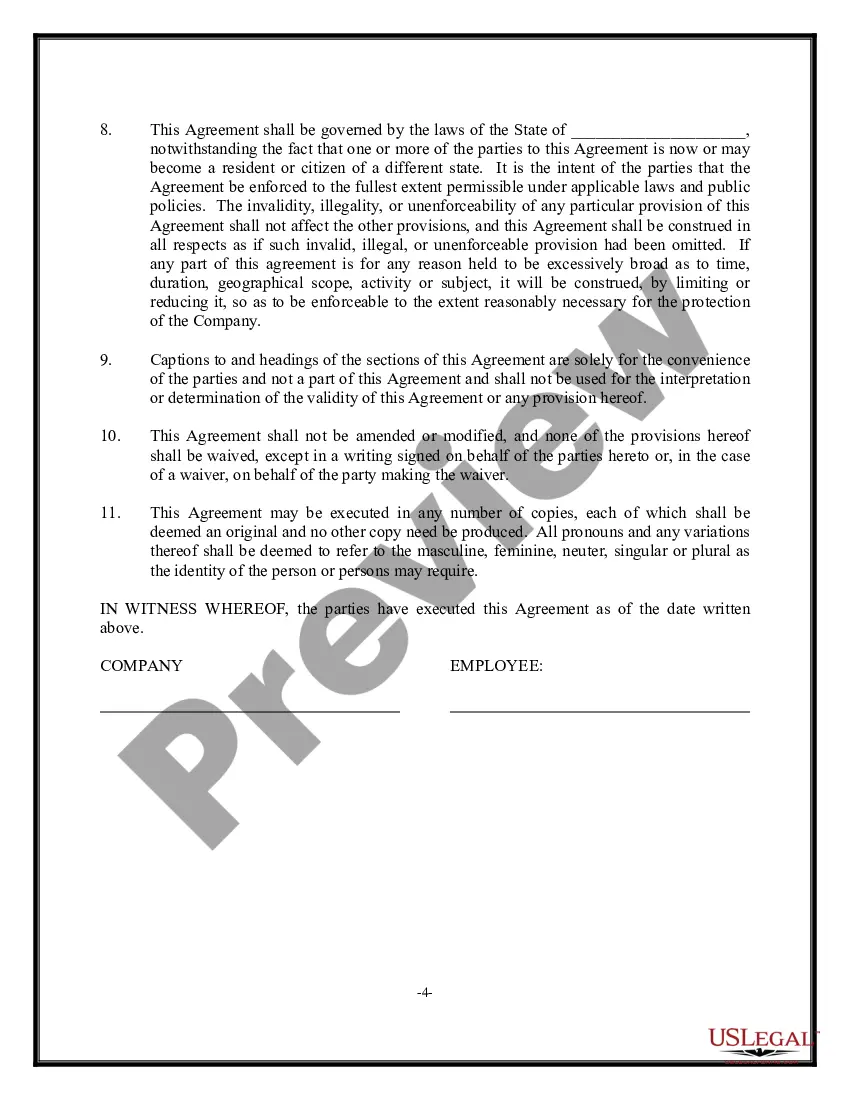
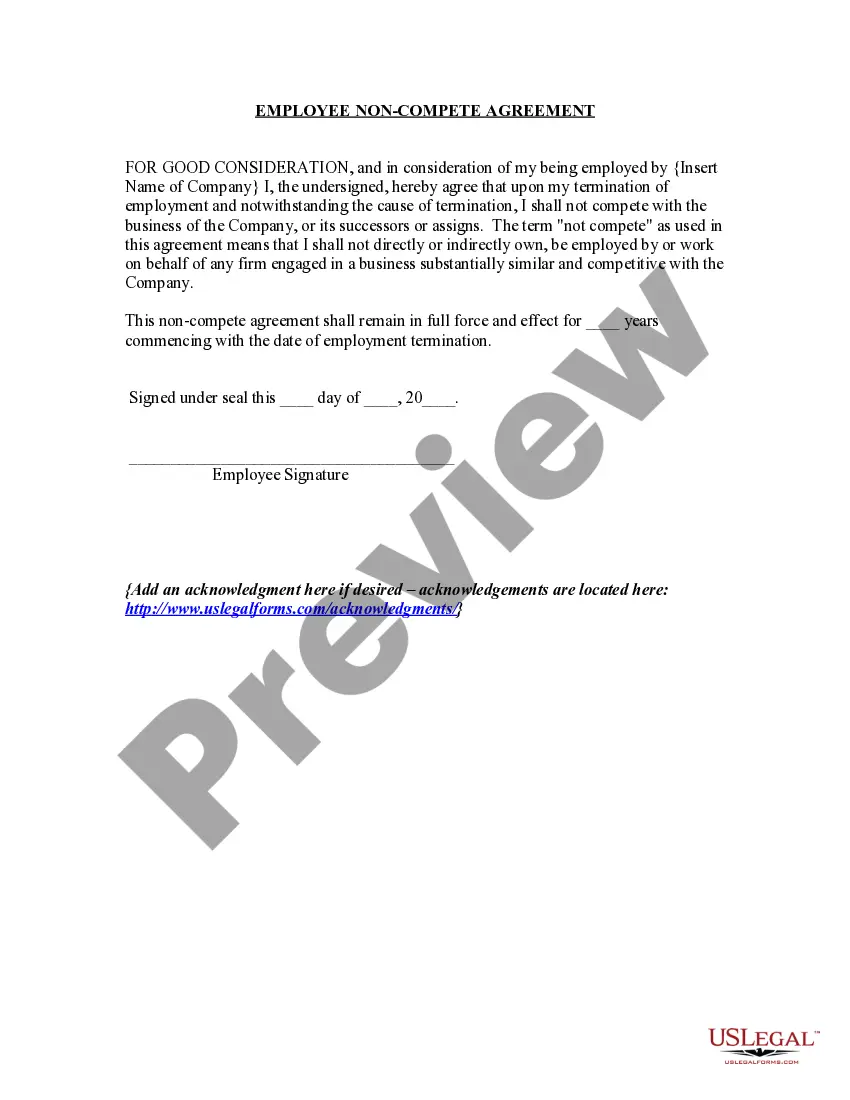
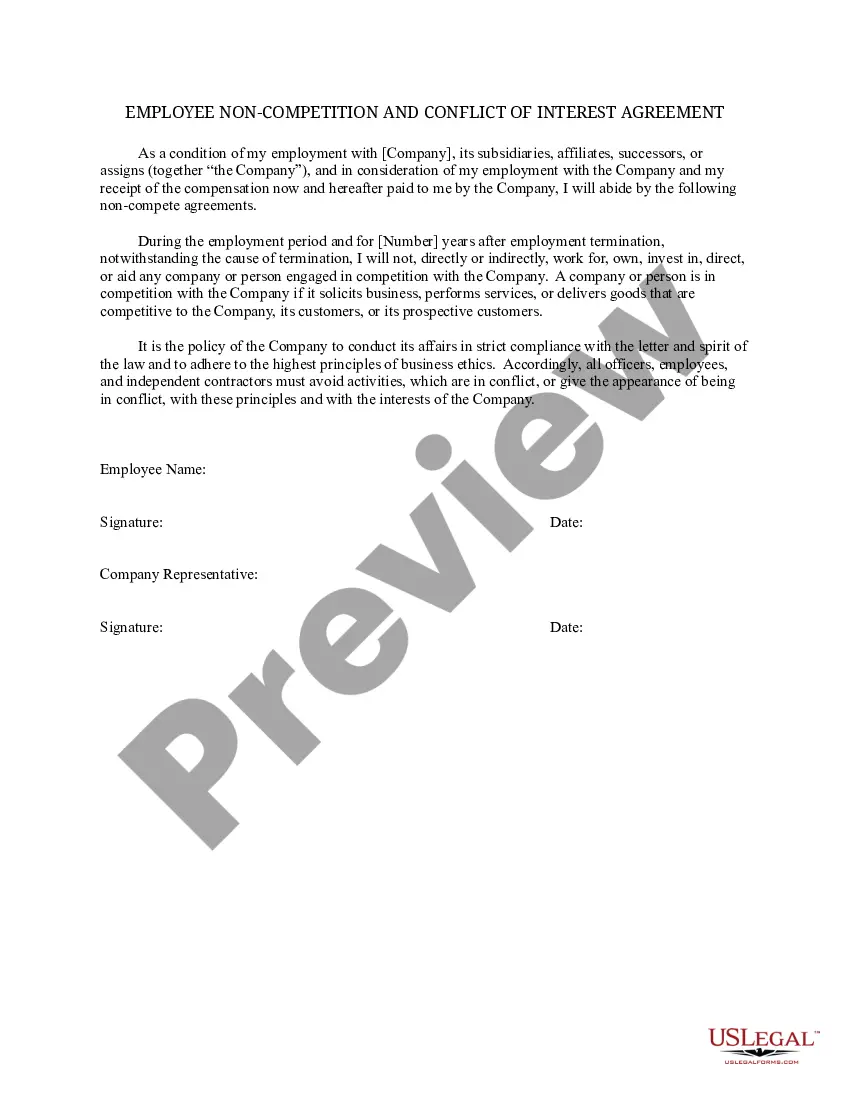
Competition Non Competition For Resources In Philadelphia
Description

Get your form ready online
Our built-in tools help you complete, sign, share, and store your documents in one place.
Make edits, fill in missing information, and update formatting in US Legal Forms—just like you would in MS Word.
Download a copy, print it, send it by email, or mail it via USPS—whatever works best for your next step.
Sign and collect signatures with our SignNow integration. Send to multiple recipients, set reminders, and more. Go Premium to unlock E-Sign.
If this form requires notarization, complete it online through a secure video call—no need to meet a notary in person or wait for an appointment.
We protect your documents and personal data by following strict security and privacy standards.

Make edits, fill in missing information, and update formatting in US Legal Forms—just like you would in MS Word.

Download a copy, print it, send it by email, or mail it via USPS—whatever works best for your next step.

Sign and collect signatures with our SignNow integration. Send to multiple recipients, set reminders, and more. Go Premium to unlock E-Sign.

If this form requires notarization, complete it online through a secure video call—no need to meet a notary in person or wait for an appointment.

We protect your documents and personal data by following strict security and privacy standards.
Looking for another form?








Form popularity
FAQ
If you violate the terms of your non-compete agreement, your former employer can sue you and seek a temporary injunction against you. You don't want to be involved in a lengthy legal process and keep in mind the legal process can also affect your employment opportunities. Do not rely on non-enforcement.
The enforceability of non-compete agreements always depends on the facts of the case. If you violate the terms of the agreement, your employer may seek injunctive relief or monetary, punitive, or compensatory damages.
Non-compete agreements in Pennsylvania are enforceable only if they meet strict standards. Courts may void or modify agreements that are too restrictive. The legal landscape is evolving with state law changes and the FTC's rule potentially banning non-competes.
A Pennsylvania company dropped its lawsuit challenging the FTC's noncompete rule after a judge refused to enjoin it. The move leaves the fate of the rule to litigation stemming from Florida and Texas federal courts that have ruled against it. The rule is currently enjoined nationwide based on the Texas court's order.
Although every non-compete agreement and employer are different, you may be able to get out of a non-compete by raising one of the following defenses: The employer breached your employment contract; The restrictions are overly broad; or.
Non-Compete Agreements are enforceable as long as they're reasonable in time, space, and scope .
Non-Compete Agreements are generally not enforceable unless they're used to protect trade secrets or a purchaser of a business, recover education or training expenses from an employee of less than two years, or restrict executive and management personnel or professional staff to those personnel ( C.R.S.
The FTC noncompete rule seeks to ban nearly all noncompete agreements and provisions that function as noncompete agreements between employers and workers as “unfair methods of competition.” The rule would further prohibit employers from enforcing most existing such agreements and notify their employees that any such ...
Pennsylvania courts have generally found non-compete agreements to be enforceable if the agreement is incident to an employment relationship between the employer and employee; the restriction imposed is reasonably necessary for the protection of the employer's business interest; and the restrictions imposed are ...
Showing that the agreement is not related to a legitimate business interest is the most effective way of getting out of a non-compete contract. The goal of any non-compete agreement is to protect trade secrets.
