Unfair Competition Sample Foreign In Orange
Description

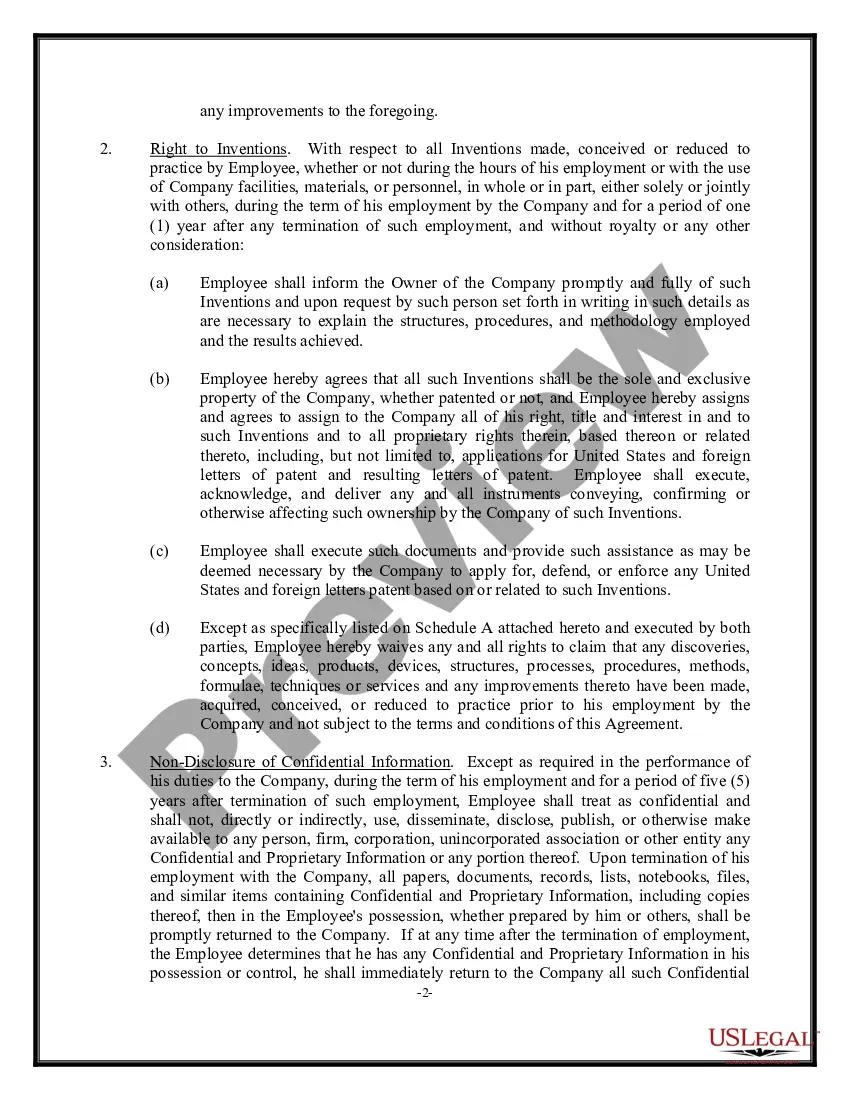
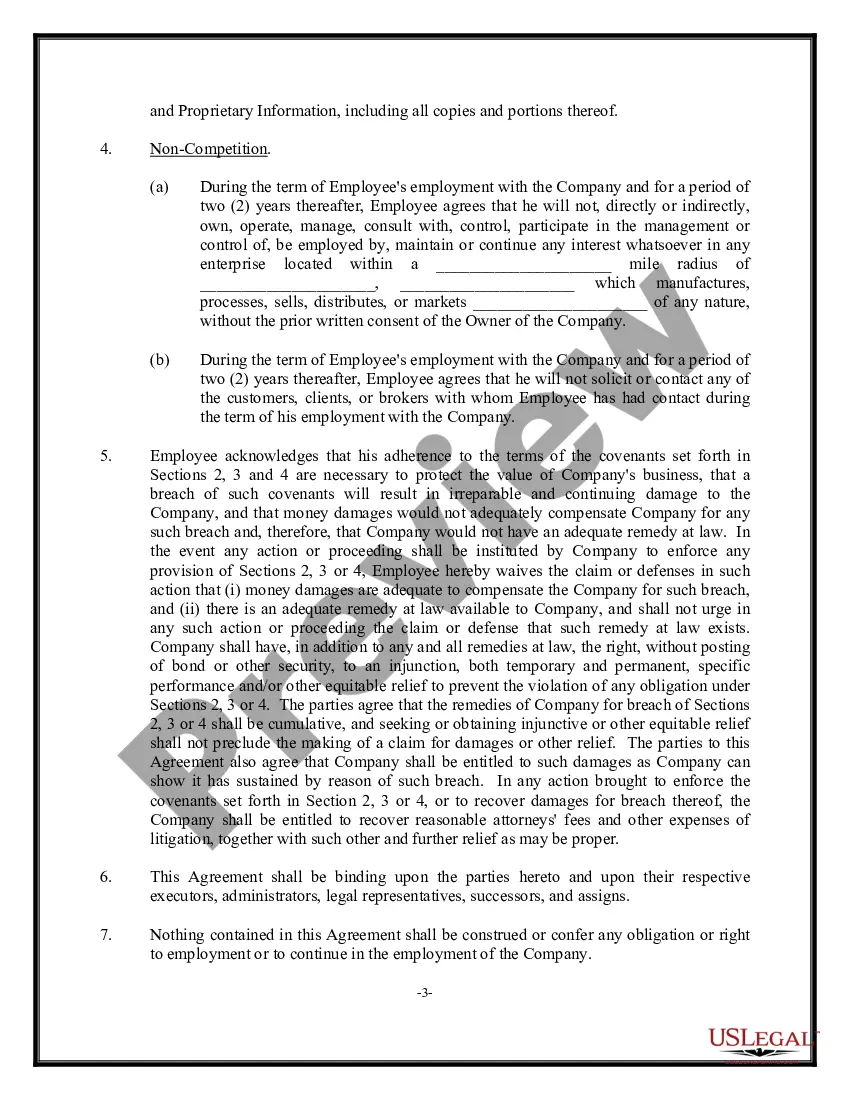
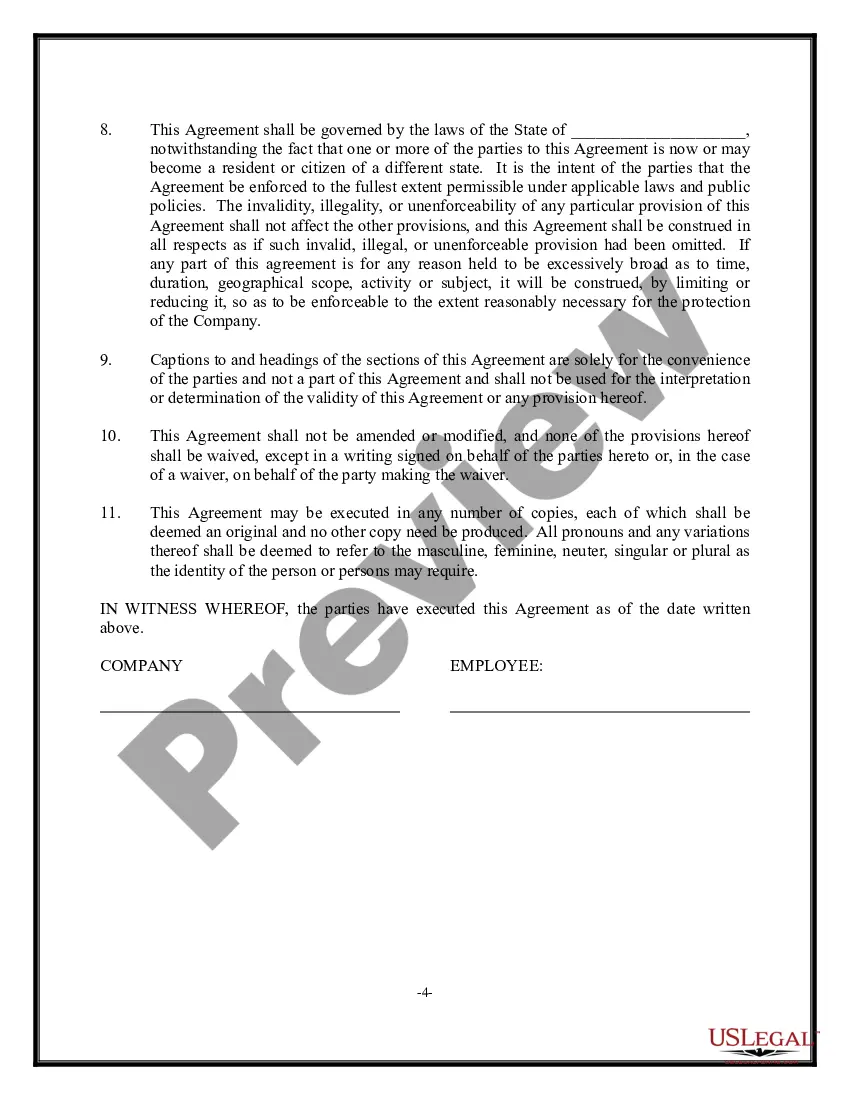
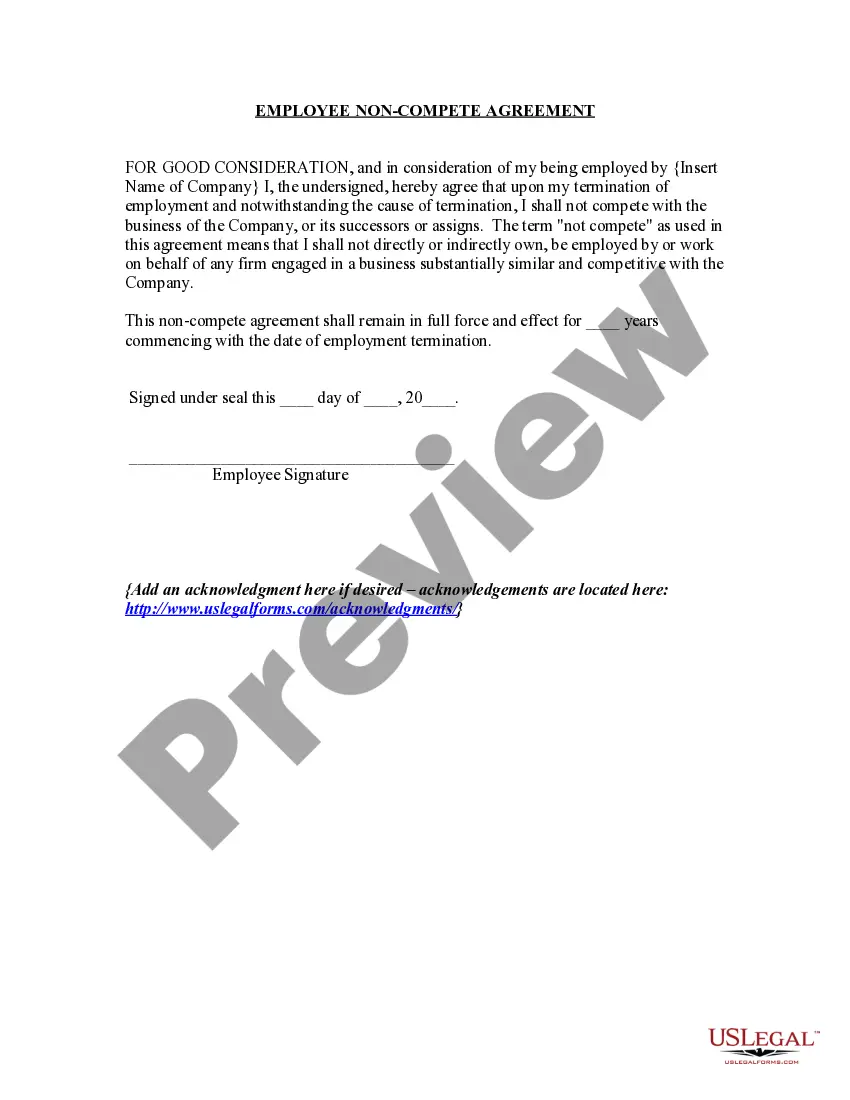
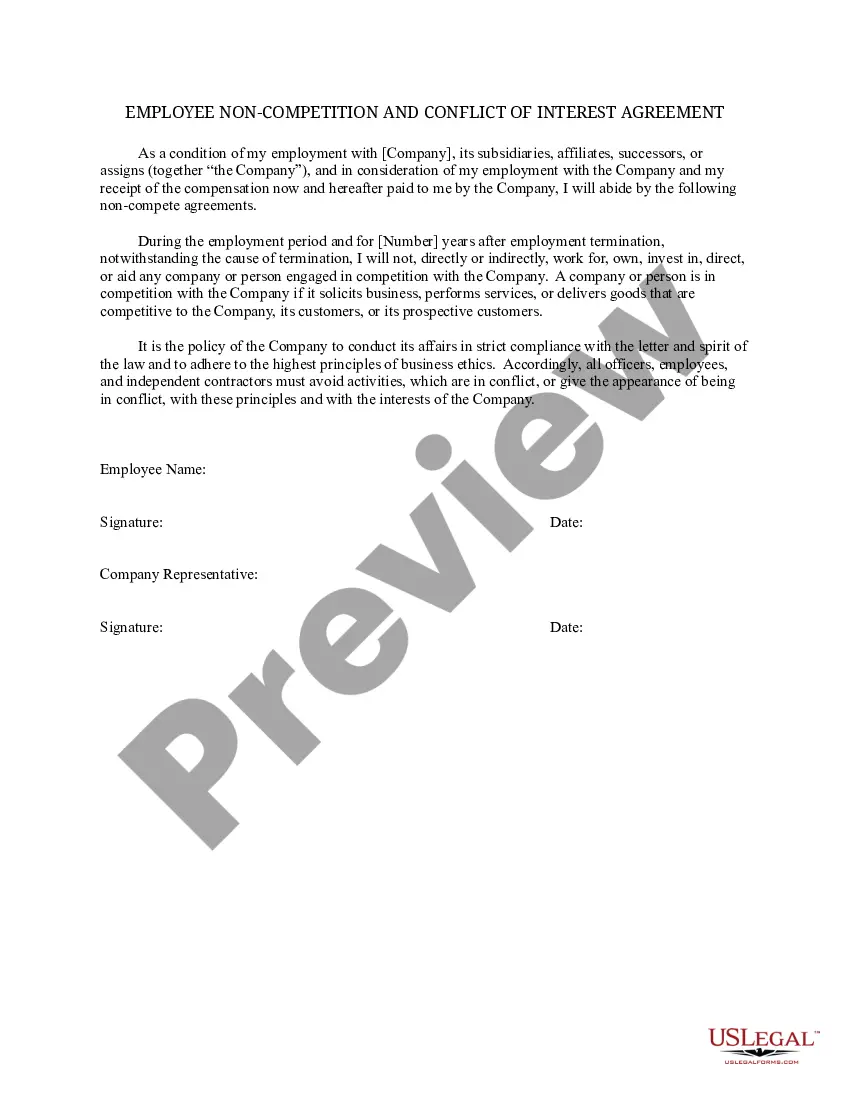
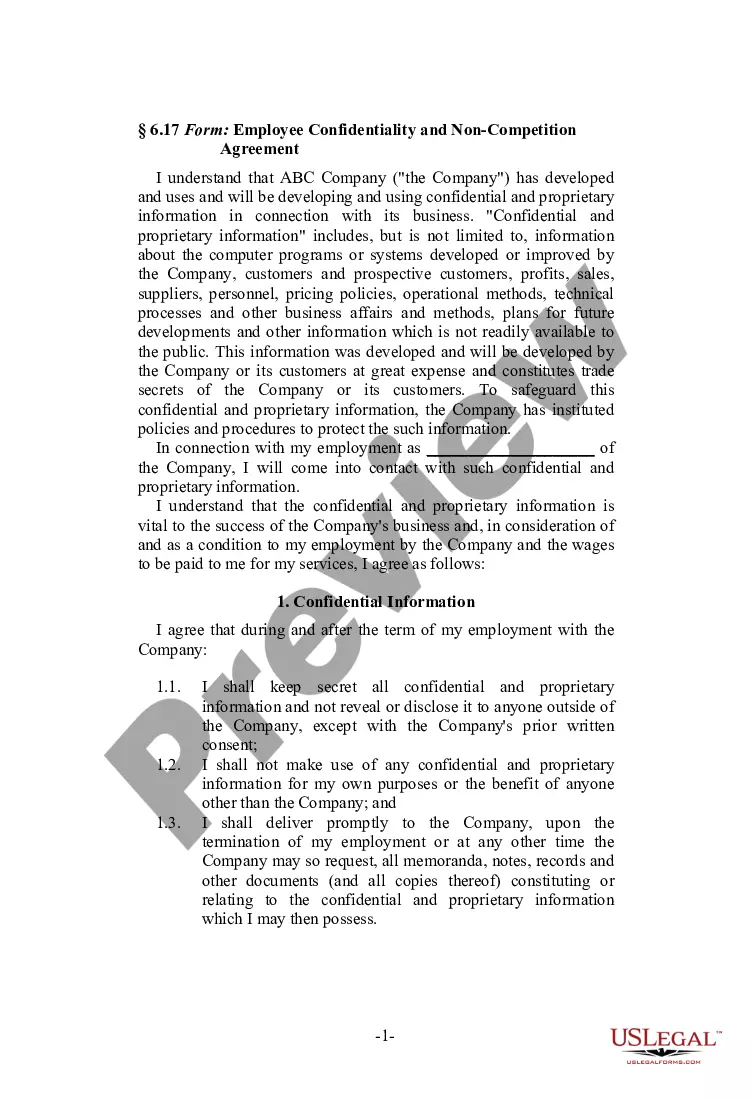
Get your form ready online
Our built-in tools help you complete, sign, share, and store your documents in one place.
Make edits, fill in missing information, and update formatting in US Legal Forms—just like you would in MS Word.
Download a copy, print it, send it by email, or mail it via USPS—whatever works best for your next step.
Sign and collect signatures with our SignNow integration. Send to multiple recipients, set reminders, and more. Go Premium to unlock E-Sign.
If this form requires notarization, complete it online through a secure video call—no need to meet a notary in person or wait for an appointment.
We protect your documents and personal data by following strict security and privacy standards.

Make edits, fill in missing information, and update formatting in US Legal Forms—just like you would in MS Word.

Download a copy, print it, send it by email, or mail it via USPS—whatever works best for your next step.

Sign and collect signatures with our SignNow integration. Send to multiple recipients, set reminders, and more. Go Premium to unlock E-Sign.

If this form requires notarization, complete it online through a secure video call—no need to meet a notary in person or wait for an appointment.

We protect your documents and personal data by following strict security and privacy standards.
Looking for another form?






Form popularity
FAQ
To justify a finding of unfairness the injury must satisfy three tests. It must be substantial; it must not be outweighed by any countervailing benefits to consumers or competition that the practice produces; and it must be an injury that consumers themselves could not reasonably have avoided.
Unfair competition: This term is sometimes used specifically to refer to torts that confuse consumers about the source of a product, known as deceptive trade practices. Unfair trade practices: This category includes all other forms of unfair competition not directly related to consumer confusion.
The two most significant statutory provisions are Section 5(a) of the FTC Act and the Clayton Act. Section 5(a) of the FTC Act, 15 U.S.C. Sec. 45(a), prohibits, inter alia, “unfair methods of competition.” Unfair methods of competition include any conduct that would violate the Sherman Antitrust Act or the Clayton Act.
Section 5 of the Federal Trade Commission Act (FTC Act) (15 USC 45) prohibits ''unfair or deceptive acts or practices in or affecting commerce. '' The prohibition applies to all persons engaged in commerce, including banks.
Any deceptive act or practice in the course of trade that causes, or is likely to cause, confusion with respect to another person or his activities, in particular with regard to the products or services offered by such person, shall constitute an act of unfair competition.
Common Examples of Unfair Competition False advertising. “Bait and switch” selling tactics. Unauthorized substitution of one brand of goods for another. Use of confidential information by former employee to solicit customers.
Patents that are eligible to be listed in the Orange Book are patents that have claims that cover the drug substance (active ingredient), the drug product (formulation and composition), or the approved method of use.
If a plaintiff wins their case under the Lanham Act, they can receive monetary damages, which can include: Lost profits, Reasonable royalties, Funds to issue “corrective advertising,” meant to re-educate the public as to the correct source of goods or services affected by the unfair competition.
Definition. Unfair competition is conduct by a market participant which gains or seeks to gain an advantage over its rivals through misleading, deceptive, dishonest, fraudulent, coercive or unconscionable conduct in trade or commerce.
The law describes “unfair competition” as any unlawful, unfair, or fraudulent business act or practice, or false, deceptive, or misleading advertising. To pursue lawsuits under California's unfair competition law, a consumer or business must prove suffering and financial or property losses due to an unfair practice.
