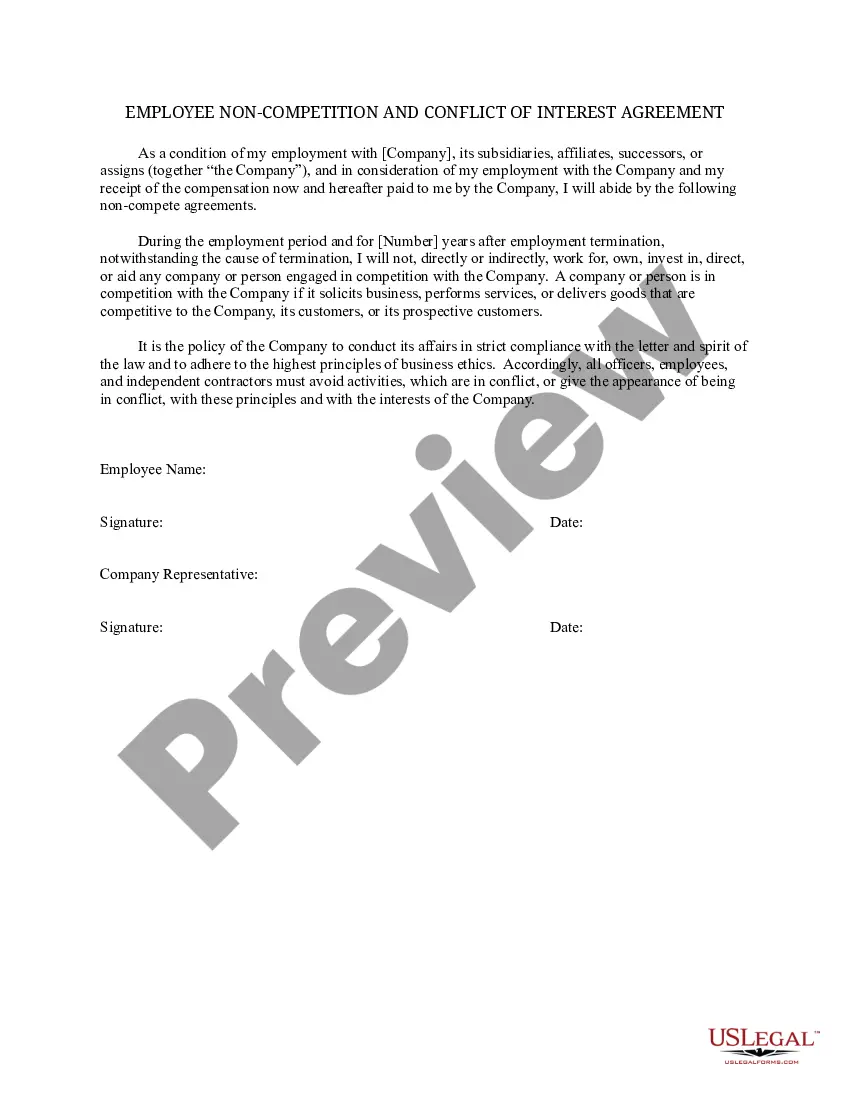
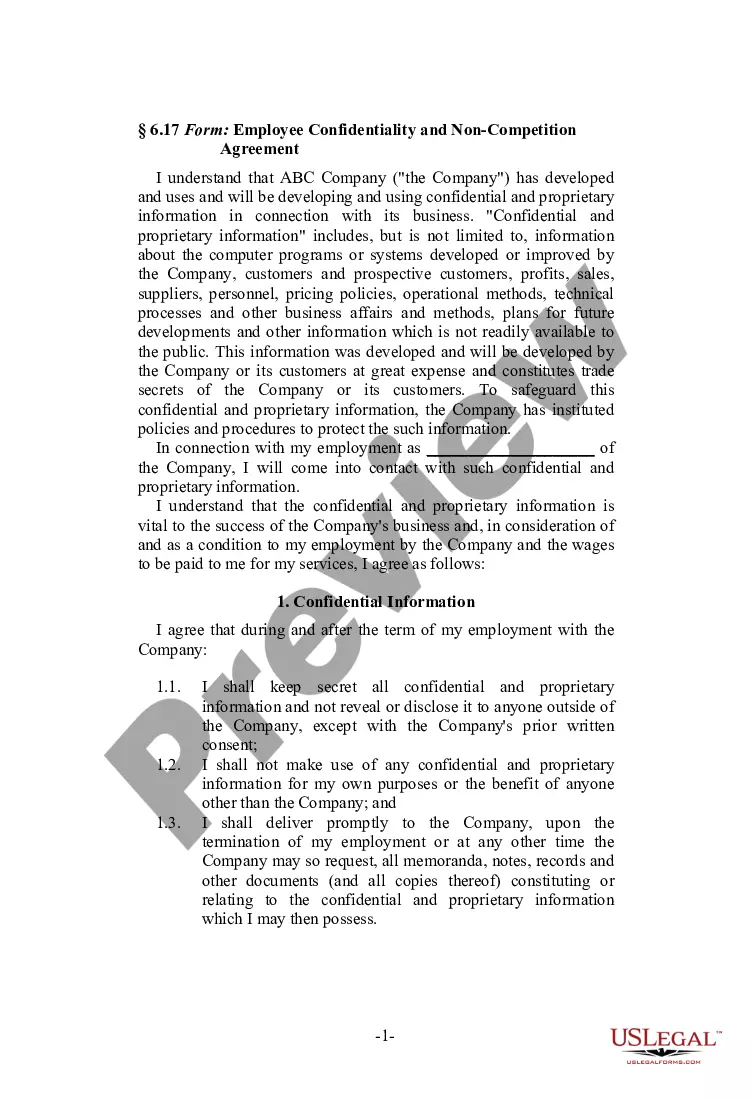
Competition Non Competition For Sale In Orange
Description

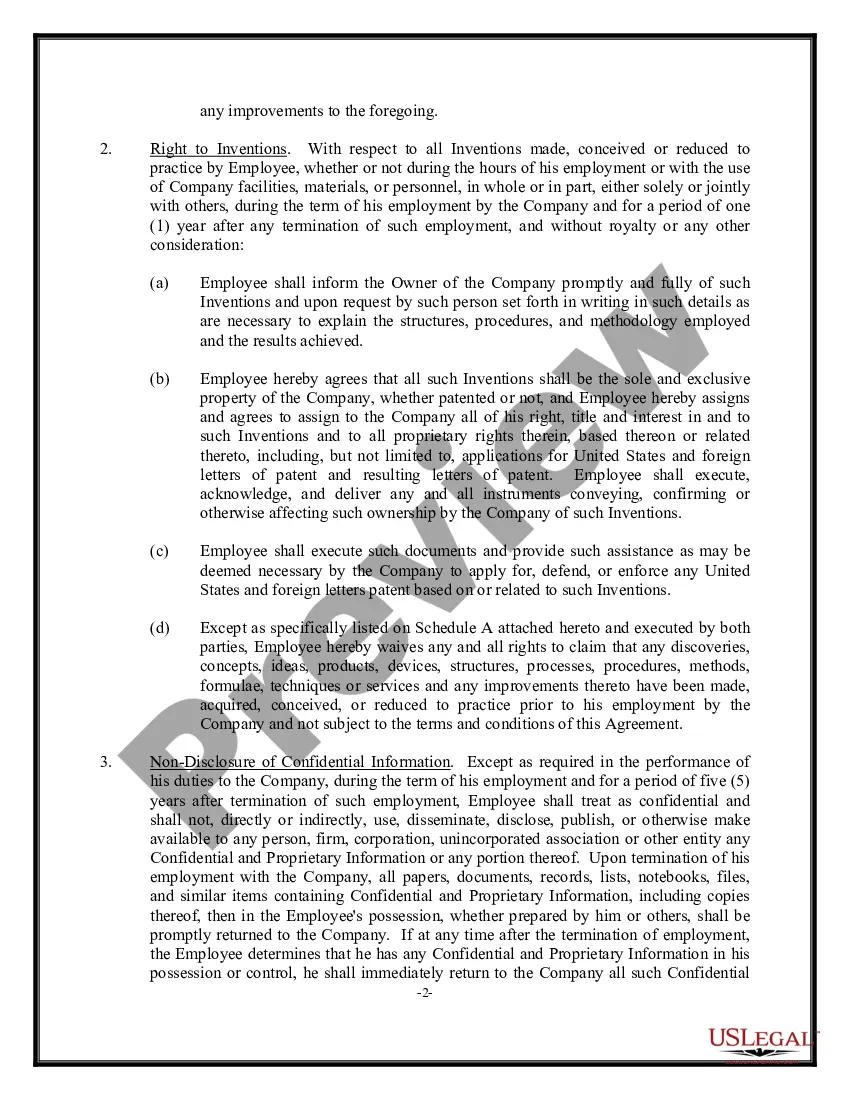
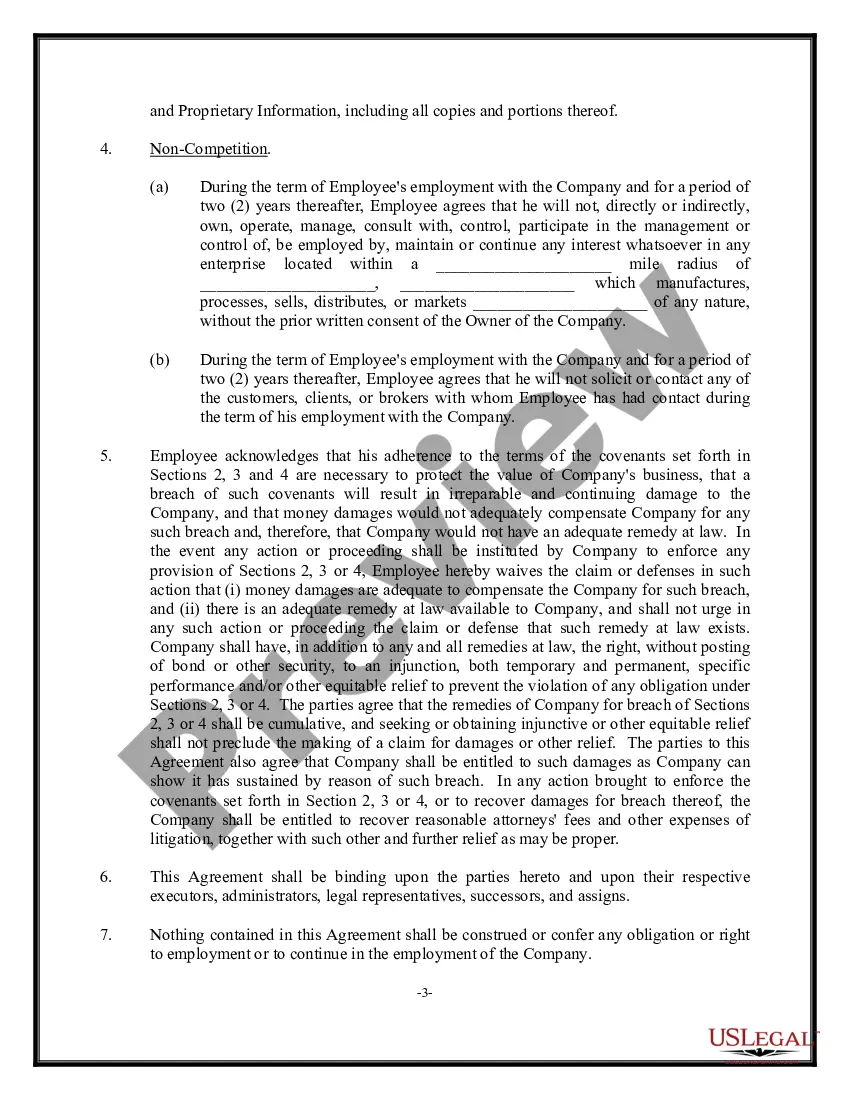
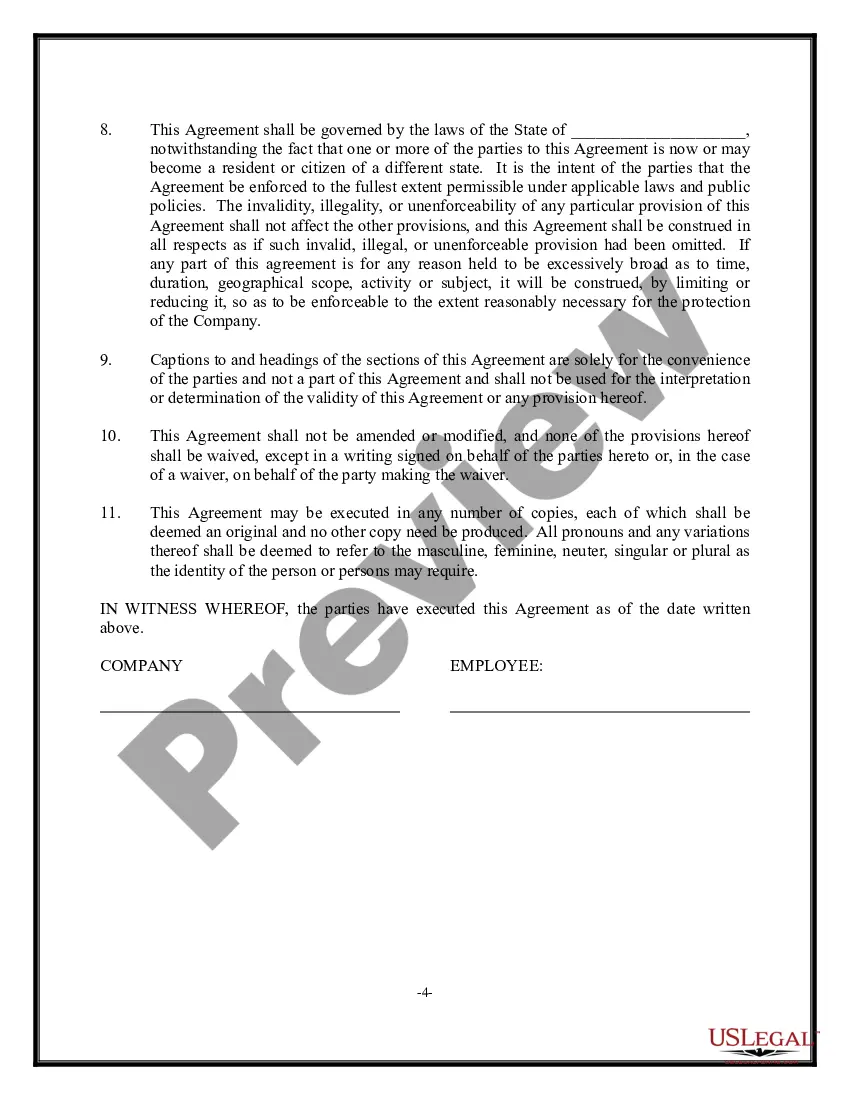
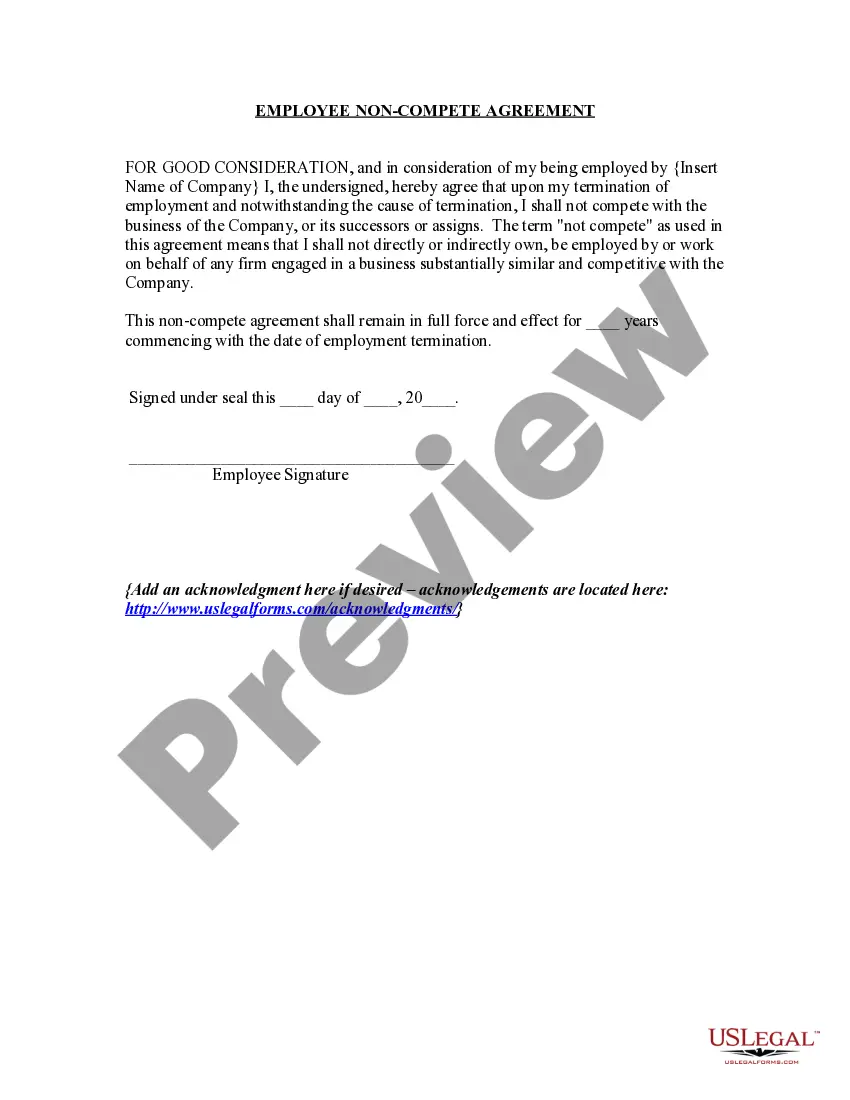
Get your form ready online
Our built-in tools help you complete, sign, share, and store your documents in one place.
Make edits, fill in missing information, and update formatting in US Legal Forms—just like you would in MS Word.
Download a copy, print it, send it by email, or mail it via USPS—whatever works best for your next step.
Sign and collect signatures with our SignNow integration. Send to multiple recipients, set reminders, and more. Go Premium to unlock E-Sign.
If this form requires notarization, complete it online through a secure video call—no need to meet a notary in person or wait for an appointment.
We protect your documents and personal data by following strict security and privacy standards.

Make edits, fill in missing information, and update formatting in US Legal Forms—just like you would in MS Word.

Download a copy, print it, send it by email, or mail it via USPS—whatever works best for your next step.

Sign and collect signatures with our SignNow integration. Send to multiple recipients, set reminders, and more. Go Premium to unlock E-Sign.

If this form requires notarization, complete it online through a secure video call—no need to meet a notary in person or wait for an appointment.

We protect your documents and personal data by following strict security and privacy standards.
Looking for another form?









Form popularity
FAQ
The answer is, it depends. The determining factors are how and what the new company acquired in the transaction and also whether the employee had to reapply for the new company or experienced any major changes in the terms and conditions of employment.
A noncompete agreement has the ability to threaten your future job prospects, prohibit you from using your hard earned skills and compromise your livelihood. Fortunately, it is unlawful for an employer to enforce non-compete agreements in California.
To be enforceable, non-compete clauses must not be too restrictive. In other words, they must be limited in scope, duration, and geographic area. The courts can assess the reasonableness of a non-compete clause if they are found overly broad or unreasonable; the courts may refuse to uphold it.
Non-compete agreements are generally taxed as ordinary income to the seller, which from the seller's perspective is less than desirable. But, for a buyer, it is expensed as incurred, which is desirable for the buyer but not the seller.
The Income Tax Act stipulates that entrepreneurs are exempt from capital gains tax if they sell their business to a third party, but are taxed at a rate of up to 48.7% if a family member buys it. New tax rules for intergenerational transfers of family businesses came into effect on January 1, 2024.
Provide written request: Send a written request via email or letter to your former employer asking for a copy of the non-compete agreement. By doing this, you will have a record of your request and may be able to use it as evidence if necessary.
To determine if you've signed a non-compete agreement, begin by reviewing the documents you received when starting your job, such as your employment contract, offer letter, or any separate agreements.
Provide written request: Send a written request via email or letter to your former employer asking for a copy of the non-compete agreement. By doing this, you will have a record of your request and may be able to use it as evidence if necessary.
The General Rule in California: Covenants Not to Compete Are Not Enforceable. Any discussion of California law on non-compete agreements starts with the general principle. As the California Supreme Court ruled in its landmark decision on the topic, Edwards v. Arthur Andersen LLP, 44 Cal.
