Competition Noncompetition For Us Treasuries In Ohio
Description

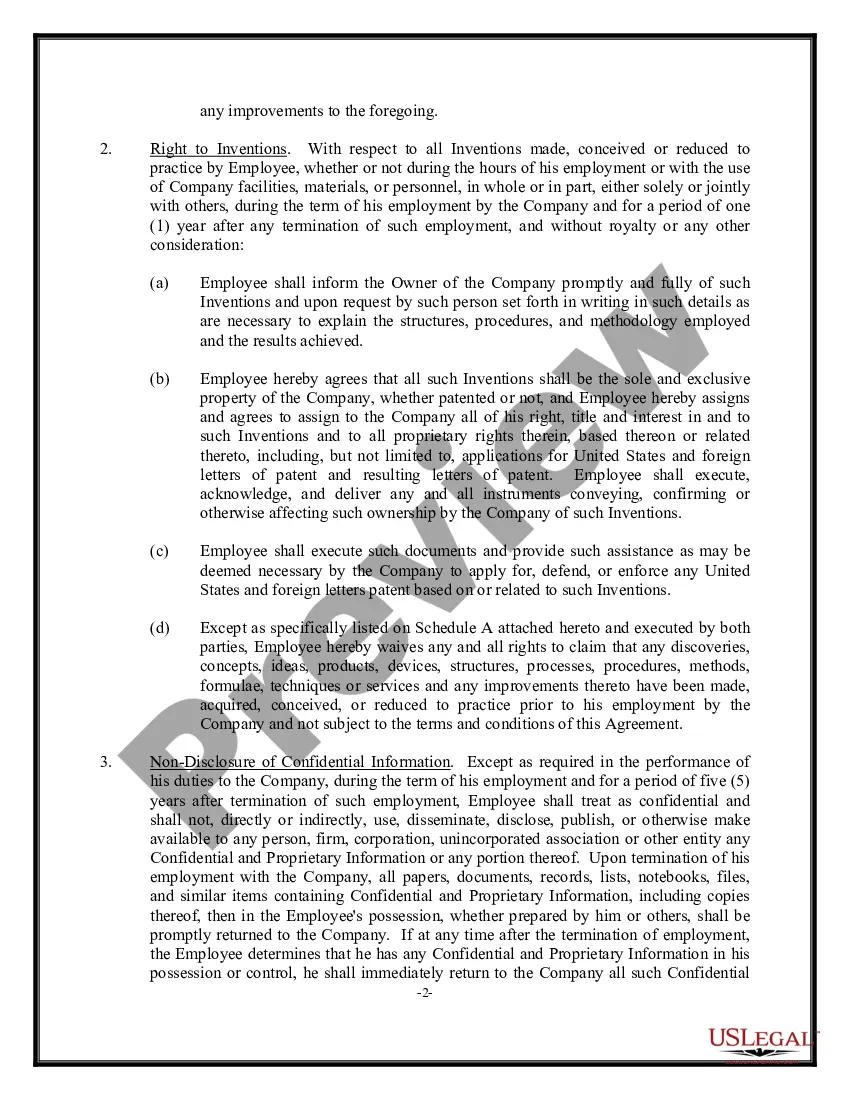
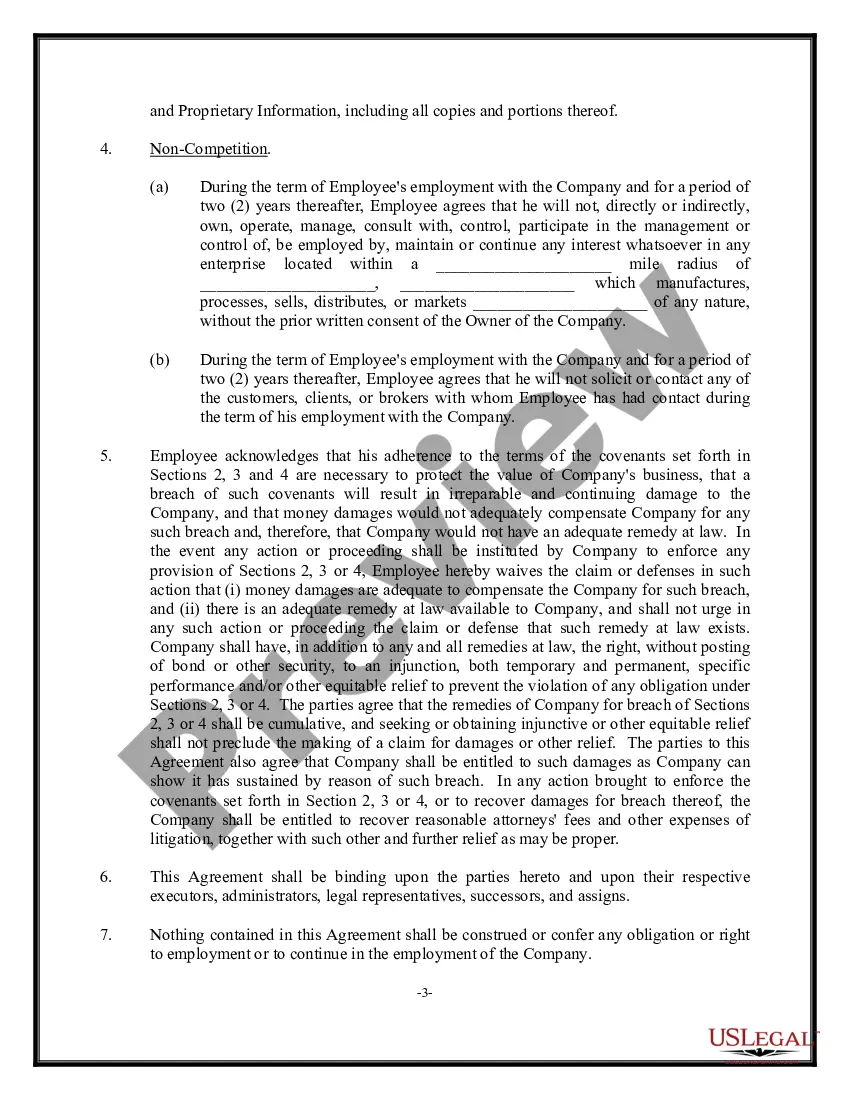
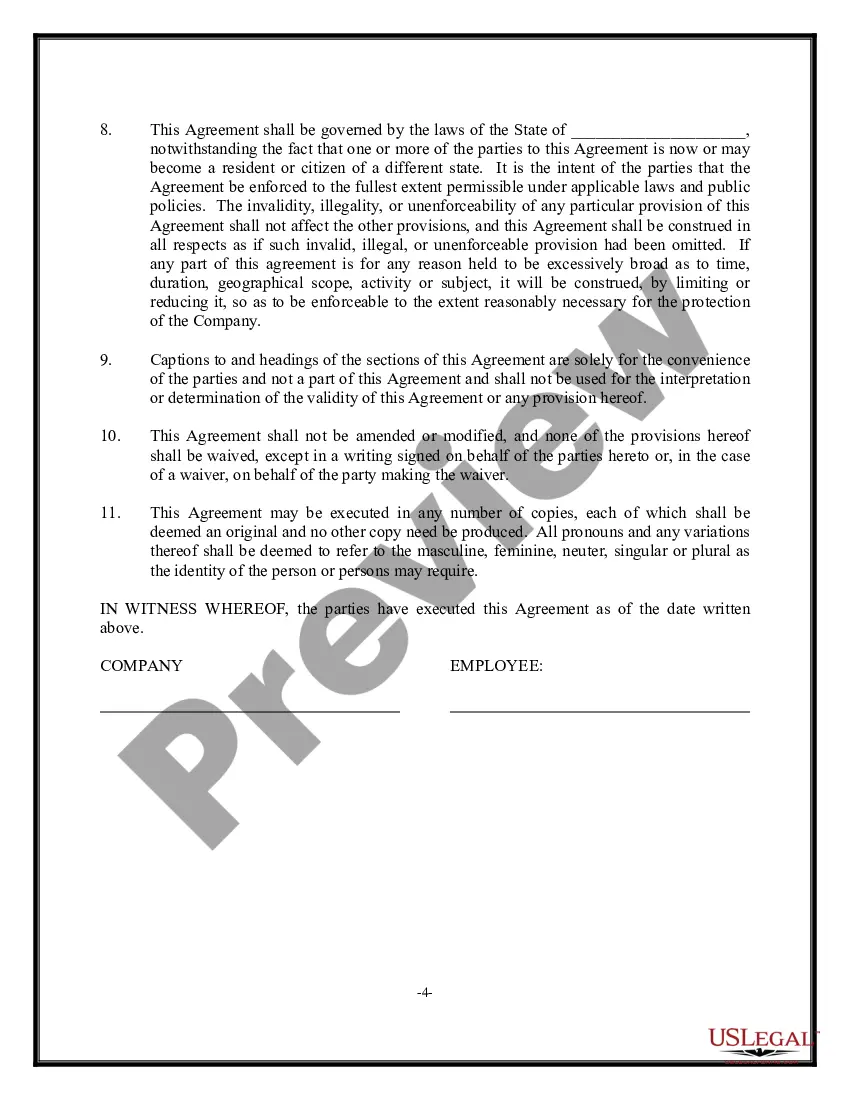
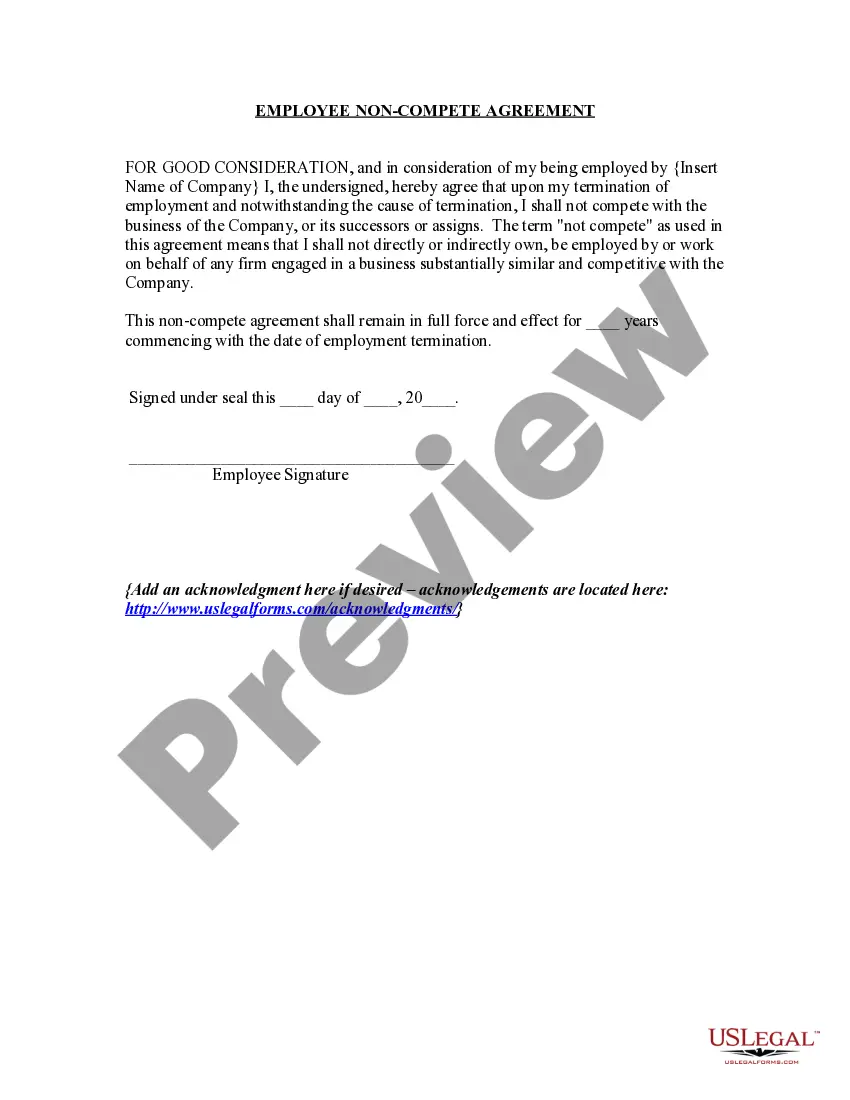
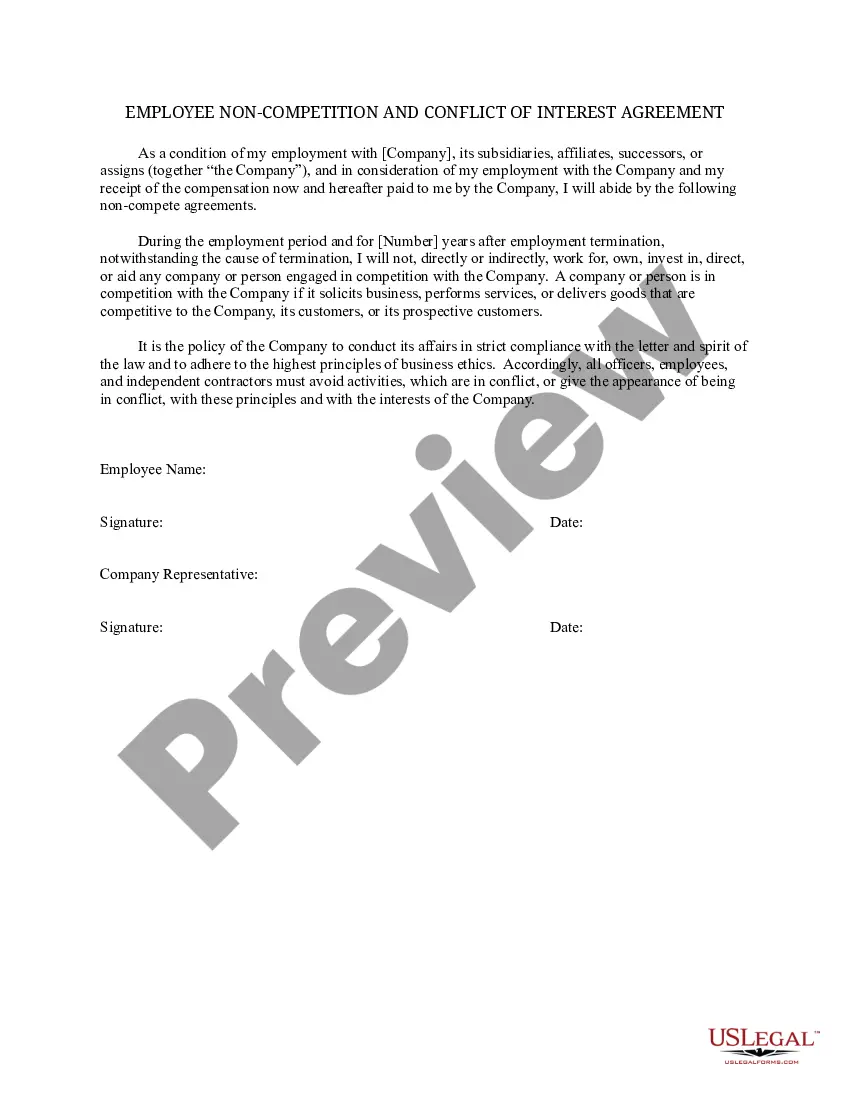
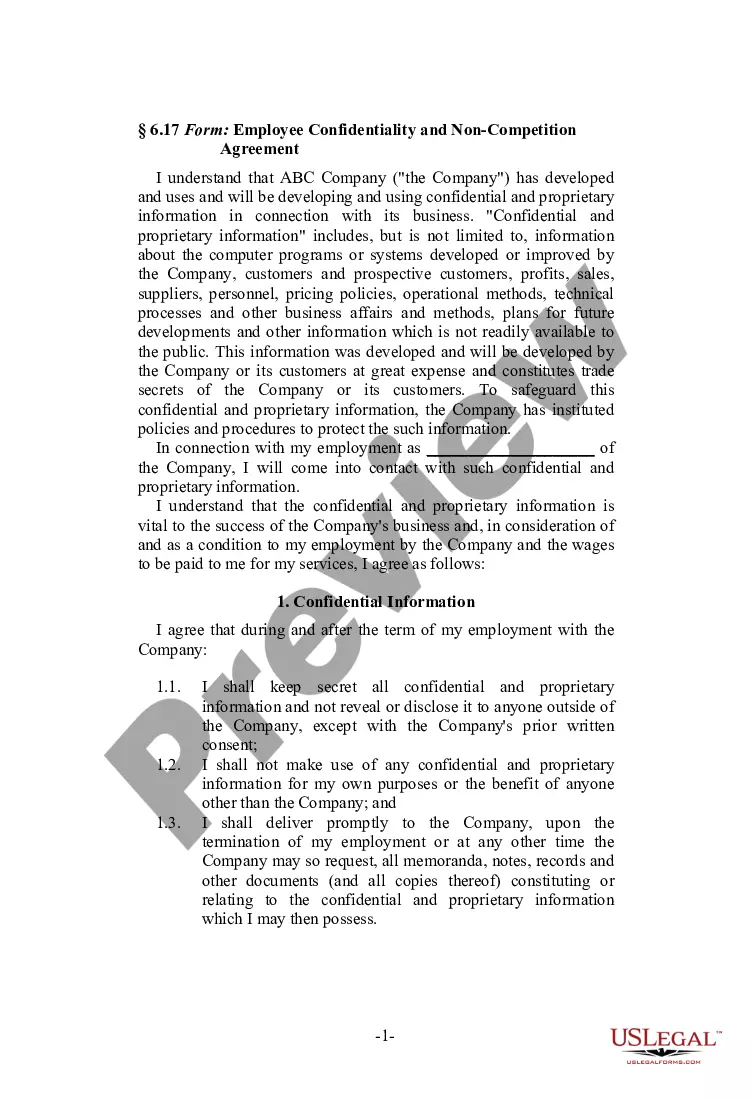
Get your form ready online
Our built-in tools help you complete, sign, share, and store your documents in one place.
Make edits, fill in missing information, and update formatting in US Legal Forms—just like you would in MS Word.
Download a copy, print it, send it by email, or mail it via USPS—whatever works best for your next step.
Sign and collect signatures with our SignNow integration. Send to multiple recipients, set reminders, and more. Go Premium to unlock E-Sign.
If this form requires notarization, complete it online through a secure video call—no need to meet a notary in person or wait for an appointment.
We protect your documents and personal data by following strict security and privacy standards.

Make edits, fill in missing information, and update formatting in US Legal Forms—just like you would in MS Word.

Download a copy, print it, send it by email, or mail it via USPS—whatever works best for your next step.

Sign and collect signatures with our SignNow integration. Send to multiple recipients, set reminders, and more. Go Premium to unlock E-Sign.

If this form requires notarization, complete it online through a secure video call—no need to meet a notary in person or wait for an appointment.

We protect your documents and personal data by following strict security and privacy standards.
Looking for another form?






Form popularity
FAQ
To enforce your non-compete agreement against you in Court, your employer must be able to prove that the restrictions in the agreement: (1) are no greater than necessary to protect its legitimate business interests, (2) do not impose an undue hardship on you as the employee, and (3) are not injurious to the public.
For example, Ohio law recognizes that “continued employment” of an at-will employee is sufficient consideration for entering into a non- competition agreement with that employee, even after that employee has begun working for the company. B.J. Alan Co., supra, 2014-Ohio-2938, ¶ 30.
The bottom line is that reasonable noncompete agreements are still enforceable in Ohio. Many physician employers (including physician practices, health systems and other organizations) still take noncompete provisions seriously and are willing to enforce them.
Under Ohio law, noncompetition contracts are generally enforceable if they are reasonable. The question of what's reasonable is a very fact-specific one though. It depends on the particular circumstances of a given situation, and the Ohio Supreme Court has set out a legal test for courts to apply.
Fighting a Non-Compete in Ohio In the cases where a non-compete in Ohio is disputed, Ohio courts will evaluate the reasonability of the contract itself. The criteria used in this evaluation include: The duration prohibiting you from competing. The geographic area where you are prohibited from working.
An Ohio Standard Clause limiting an employee's solicitation of employees and customers during the term of the employee's employment and for a specified period after the employment relationship ends. This Standard Clause is intended for use by private employers.
Under Ohio law, noncompetition contracts are generally enforceable if they are reasonable. The question of what's reasonable is a very fact-specific one though. It depends on the particular circumstances of a given situation, and the Ohio Supreme Court has set out a legal test for courts to apply.
On average, noncompete agreements stop former employees from taking a new job at a competing company for anywhere from six months to a year. However, in some high tech fields where employees have access to extremely sensitive information about new technologies, noncompete agreements could last as long as two years.
On April 23, 2024, the FTC passed a final rule to ban most non-compete clauses in employment agreements, finding such agreements to be unfair methods of competition (the “FTC Rule”).
Scheduled to take effect on September 4, 2024, the Non-Compete Rule banned non-compete agreements, including any agreements that “function or prevent” a worker from seeking or accepting work or operating a business; made it unlawful to enter into, enforce, or attempt to enter into or enforce, a non-compete agreement ...
