Competition Non Competition For Sale In Ohio
Description

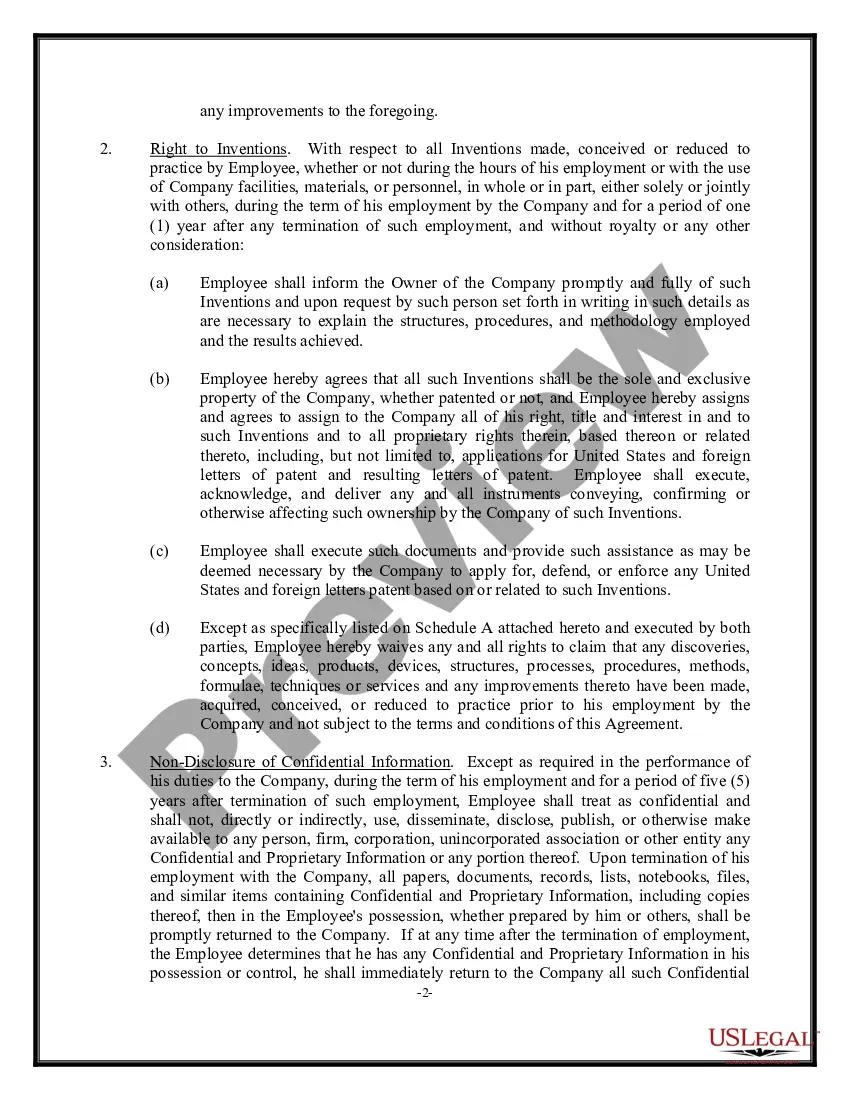
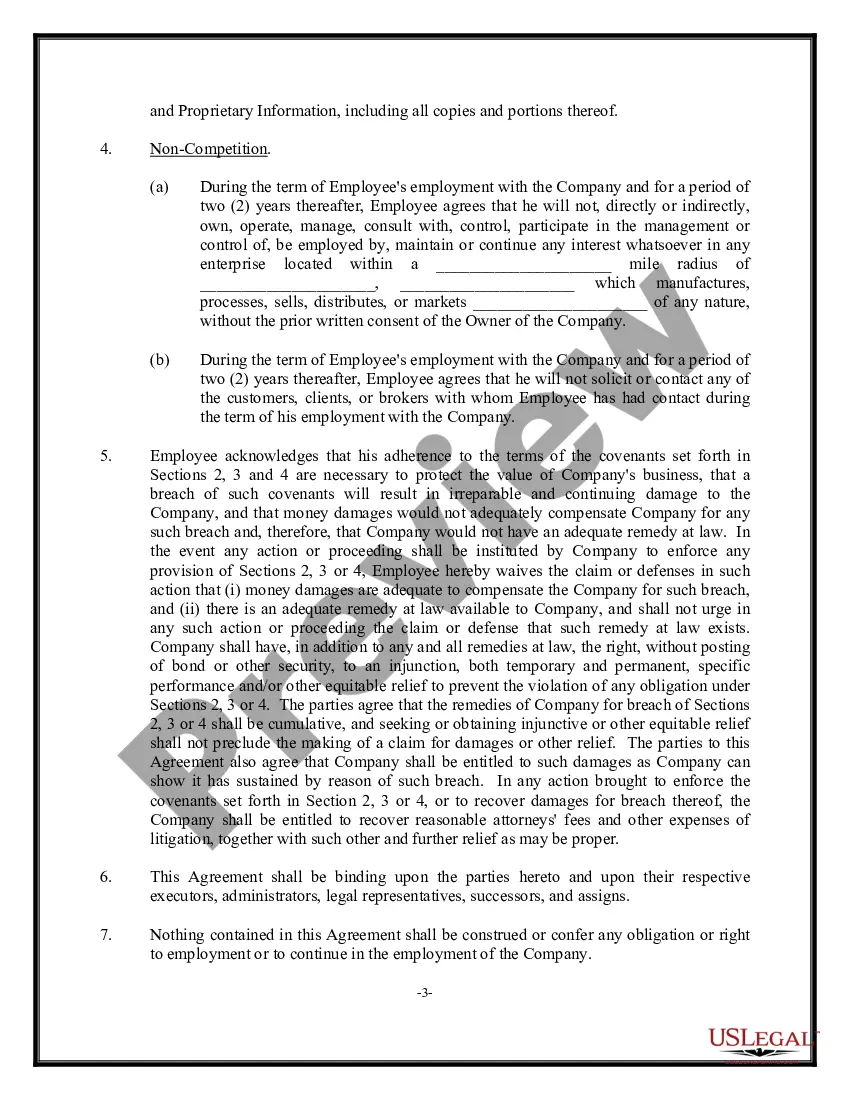
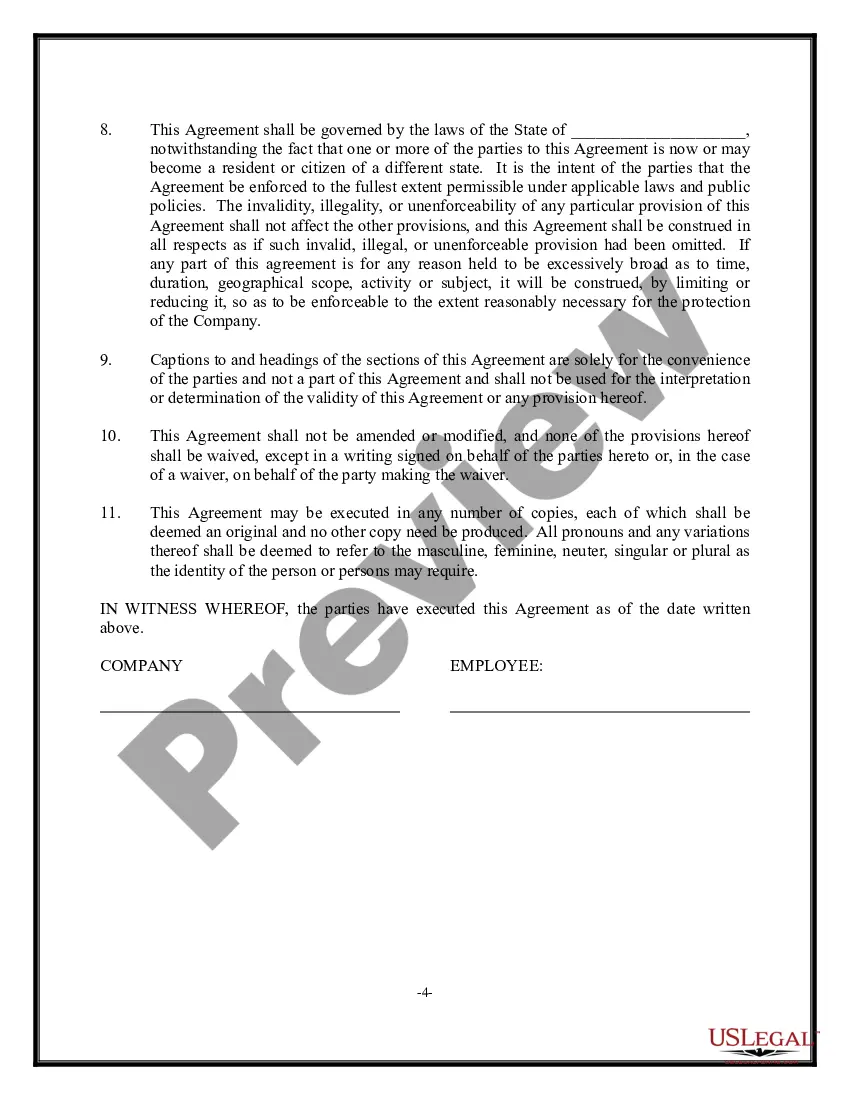
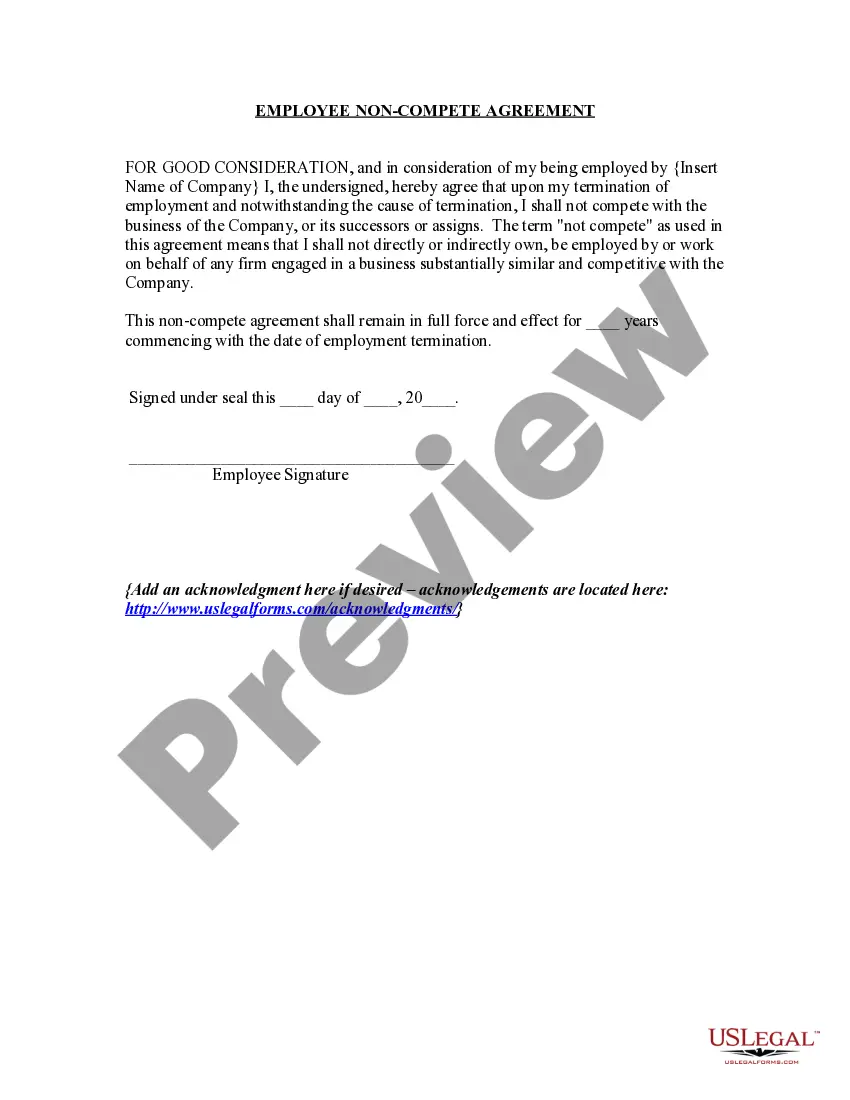
Get your form ready online
Our built-in tools help you complete, sign, share, and store your documents in one place.
Make edits, fill in missing information, and update formatting in US Legal Forms—just like you would in MS Word.
Download a copy, print it, send it by email, or mail it via USPS—whatever works best for your next step.
Sign and collect signatures with our SignNow integration. Send to multiple recipients, set reminders, and more. Go Premium to unlock E-Sign.
If this form requires notarization, complete it online through a secure video call—no need to meet a notary in person or wait for an appointment.
We protect your documents and personal data by following strict security and privacy standards.

Make edits, fill in missing information, and update formatting in US Legal Forms—just like you would in MS Word.

Download a copy, print it, send it by email, or mail it via USPS—whatever works best for your next step.

Sign and collect signatures with our SignNow integration. Send to multiple recipients, set reminders, and more. Go Premium to unlock E-Sign.

If this form requires notarization, complete it online through a secure video call—no need to meet a notary in person or wait for an appointment.

We protect your documents and personal data by following strict security and privacy standards.
Looking for another form?

Form popularity
FAQ
California is an outlier compared to most states; non-compete agreements are unenforceable. While employers can seek out other ways to protect confidential company information, a non-compete agreement will not accomplish those goals. Here's what you need to know about California non-compete enforceability.
The General Rule in California: Covenants Not to Compete Are Not Enforceable. Any discussion of California law on non-compete agreements starts with the general principle. As the California Supreme Court ruled in its landmark decision on the topic, Edwards v. Arthur Andersen LLP, 44 Cal.
Under case law, non-competes will only be enforceable if they are no wider than reasonably necessary to protect a legitimate interest (e.g. protection of confidential information or customer contacts) and are not contrary to the public interest.
Ohio Senators Introduce Bill to Ban Non-Compete Agreements. On January 22, 2025, Ohio state Senators Louis W. Blessing (R) and William P. DeMora (D) introduced Senate Bill 11, which, if enacted, would prohibit employers from entering into and/or enforcing a noncompete agreement with a “worker” or “prospective worker”.
Yes, but it's rare. Most non compete agreements don't hold up under legal challenge, as a company cannot keep you from employment in your specialty. The only ones that hold up are VERY narrow in their focus, pertaining to highly confidential materials/intellectual property.
If the non-compete is attempting to eliminate unfair competition or competition in general. If the benefits to the employer outweigh the hardship placed on you. If the non-compete agreement would interfere with your ability to find suitable financial support.
The restrictive provisions of the non-compete agreement must be reasonable, and courts will only enforce non-compete agreements to the extent necessary to protect the employer's “legitimate business interests.” If this requires the court to reduce or otherwise edit or remove terms in the non-compete agreement, it will ...
Non-compete agreements usually restrict when and where you will be permitted to compete against your former employer, while non-solicitation agreements preclude you from soliciting your former employer's clients and/or employees to join you at your new business or that of a competitor's.
Non-solicitation of clients The restrictions can either be in the form of a “non-solicitation”, or “non-dealing” clause – the latter being more onerous as it is a more blanket restriction of dealing with the contacts, rather than limiting it to your actual “soliciting” those contacts for business.
Fighting a Non-Compete in Ohio In the cases where a non-compete in Ohio is disputed, Ohio courts will evaluate the reasonability of the contract itself. The criteria used in this evaluation include: The duration prohibiting you from competing. The geographic area where you are prohibited from working.
