Competition Noncompetition For Us Treasuries In North Carolina
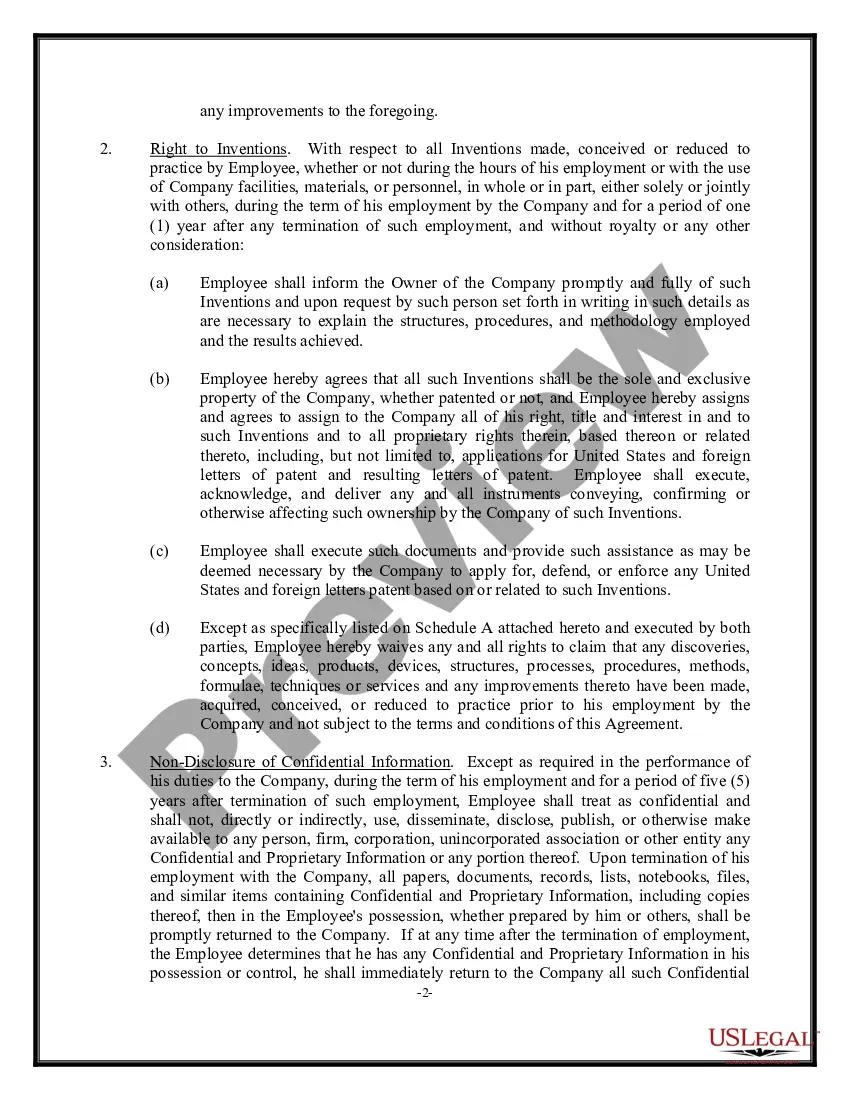
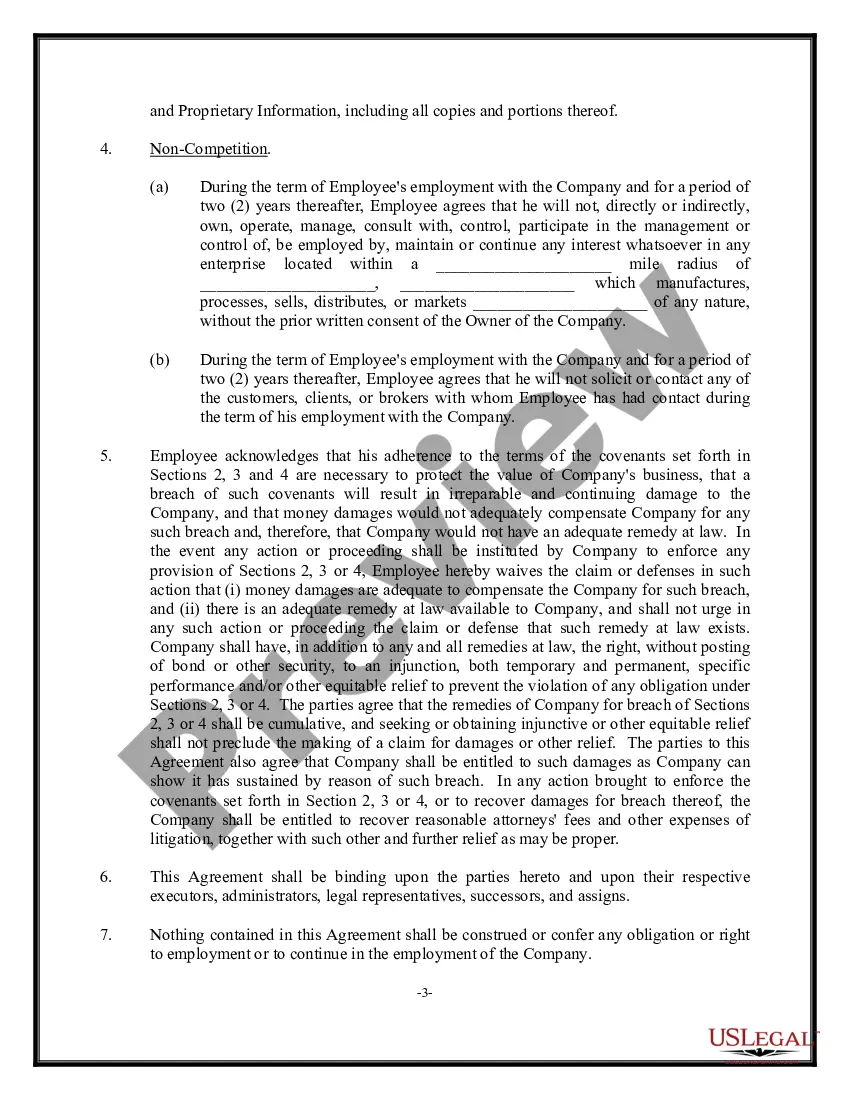
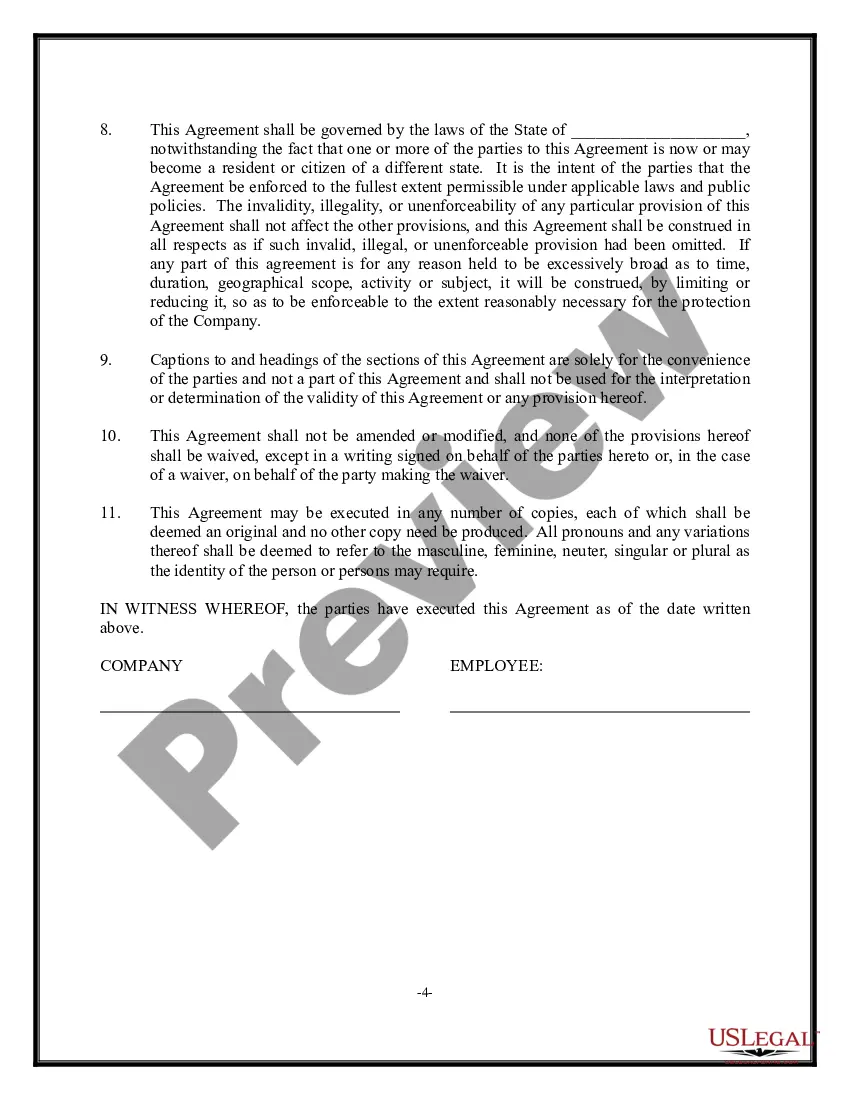
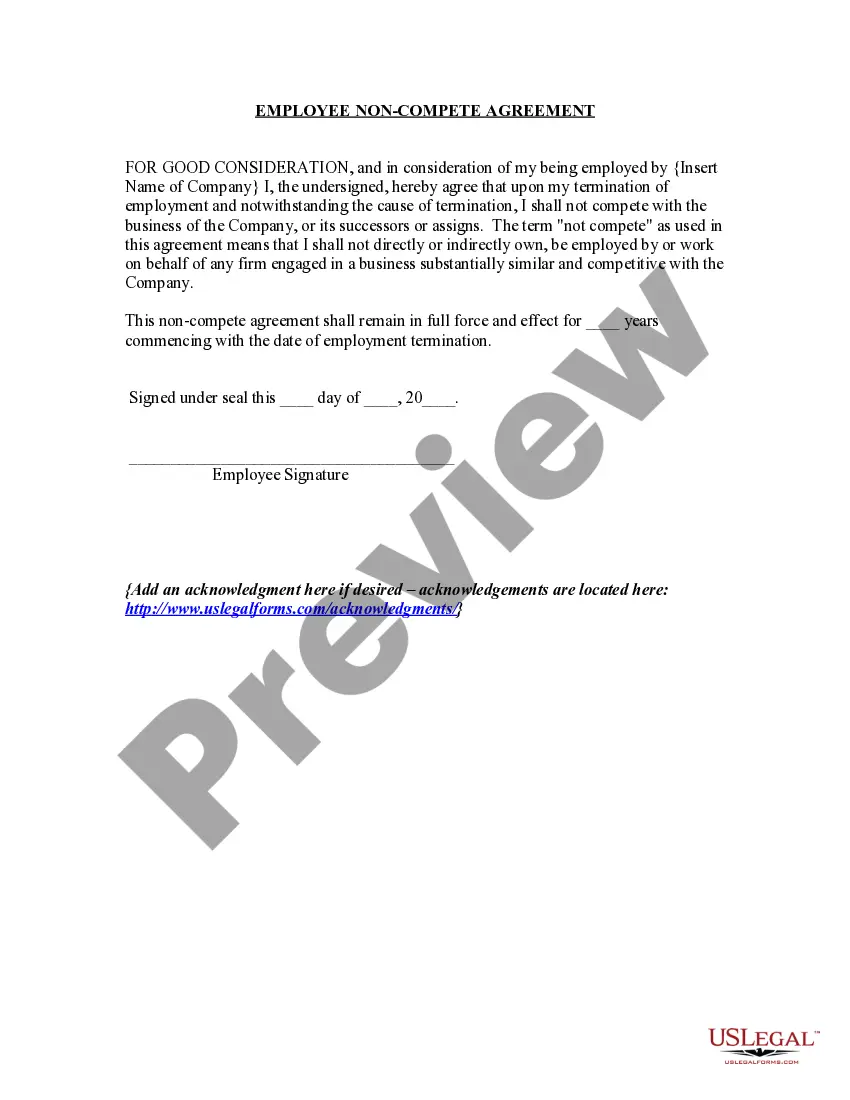
Description

Get your form ready online
Our built-in tools help you complete, sign, share, and store your documents in one place.
Make edits, fill in missing information, and update formatting in US Legal Forms—just like you would in MS Word.
Download a copy, print it, send it by email, or mail it via USPS—whatever works best for your next step.
Sign and collect signatures with our SignNow integration. Send to multiple recipients, set reminders, and more. Go Premium to unlock E-Sign.
If this form requires notarization, complete it online through a secure video call—no need to meet a notary in person or wait for an appointment.
We protect your documents and personal data by following strict security and privacy standards.

Make edits, fill in missing information, and update formatting in US Legal Forms—just like you would in MS Word.

Download a copy, print it, send it by email, or mail it via USPS—whatever works best for your next step.

Sign and collect signatures with our SignNow integration. Send to multiple recipients, set reminders, and more. Go Premium to unlock E-Sign.

If this form requires notarization, complete it online through a secure video call—no need to meet a notary in person or wait for an appointment.

We protect your documents and personal data by following strict security and privacy standards.
Looking for another form?






Form popularity
FAQ
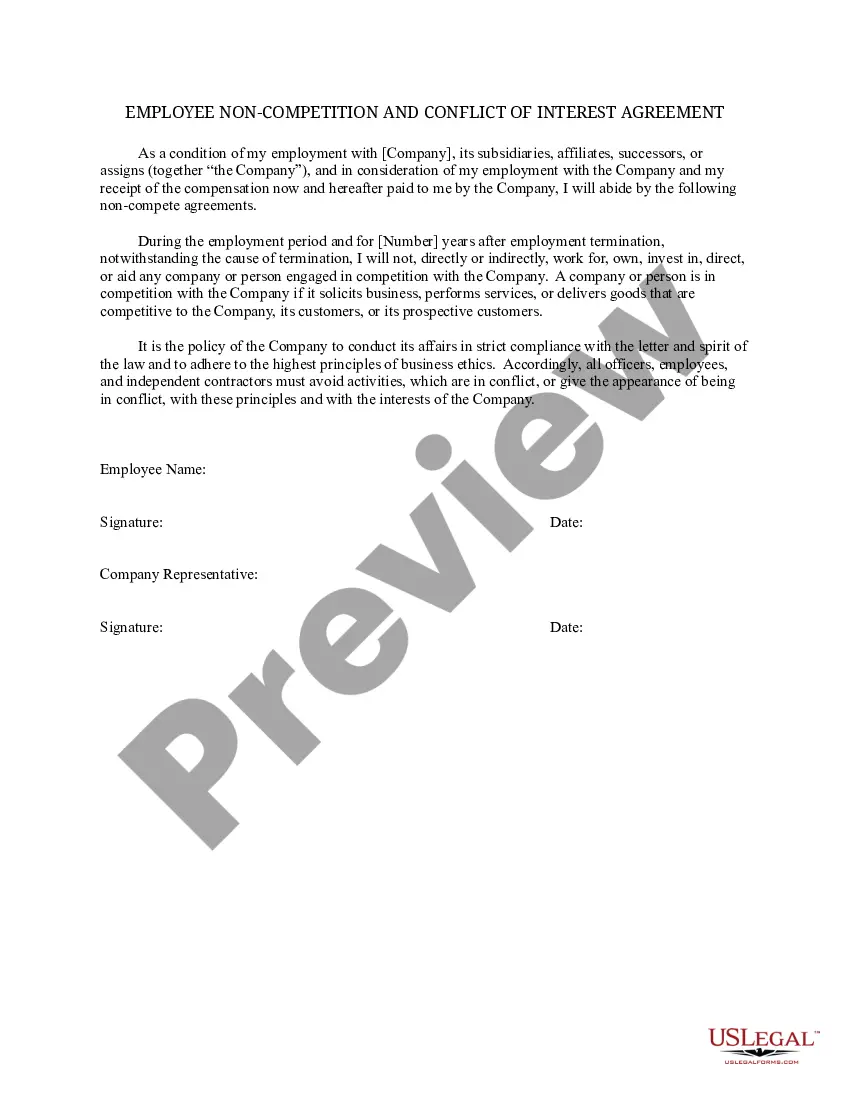
Non-compete agreements are not viewed favorably under North Carolina law. To be valid, they must be designed to protect a legitimate business interest of the employer. If it is too broad to be considered a reasonable protection of the employer's business, it will not be enforced.
Non-compete agreements are not viewed favorably under North Carolina law. To be valid, they must be designed to protect a legitimate business interest of the employer. If it is too broad to be considered a reasonable protection of the employer's business, it will not be enforced.
What happens if someone breaches a North Carolina non-disclosure agreement? If a party breaches the NDA without written approval, the other party can seek legal remedies, such as injunctive actions or damages as per North Carolina state laws.
California is an outlier compared to most states; non-compete agreements are unenforceable. While employers can seek out other ways to protect confidential company information, a non-compete agreement will not accomplish those goals. Here's what you need to know about California non-compete enforceability.
Under case law, non-competes will only be enforceable if they are no wider than reasonably necessary to protect a legitimate interest (e.g. protection of confidential information or customer contacts) and are not contrary to the public interest.
Showing that the agreement is not related to a legitimate business interest is the most effective way of getting out of a non-compete contract. The goal of any non-compete agreement is to protect trade secrets.
North Carolina courts may modify or blue pencil an unreasonable non-compete restriction by deleting severable parts of the agreement to make the restriction reasonable. However, courts cannot otherwise revise or rewrite non-competes, and non-compete restrictions that are too broad are not rewritten or enforced.
Under the Noncompete Rule, the FTC adopted a comprehensive ban on new noncompetes with all workers, including senior executives.
Non-compete agreements are not viewed favorably under North Carolina law. To be valid, they must be designed to protect a legitimate business interest of the employer. If it is too broad to be considered a reasonable protection of the employer's business, it will not be enforced.
A noncompete is unenforceable if it restricts an employee's ability to exercise their rights under federal law. No employer may enter into a covenant not to compete or a covenant not to solicit with any employee. Existing noncompetes are void and unenforceable, including out-of-state noncompetes.
