Competition Noncompetition For Employees In North Carolina
Description




Form popularity
FAQ
In general, non-competes can't stop you from working. They can stop you from taking specific IP to another company (eg a salesman taking client phone numbers to a new org selling similar products) but even that is a legal gray area.
Yes. It affects everyone in the US, it's a federal ruling. You simply will not have any more non compete clauses in any employment agreements, outside the handful of given exceptions. That does not mean your employer has to tolerate your working for a competitor, however. You will just be subject to termination.
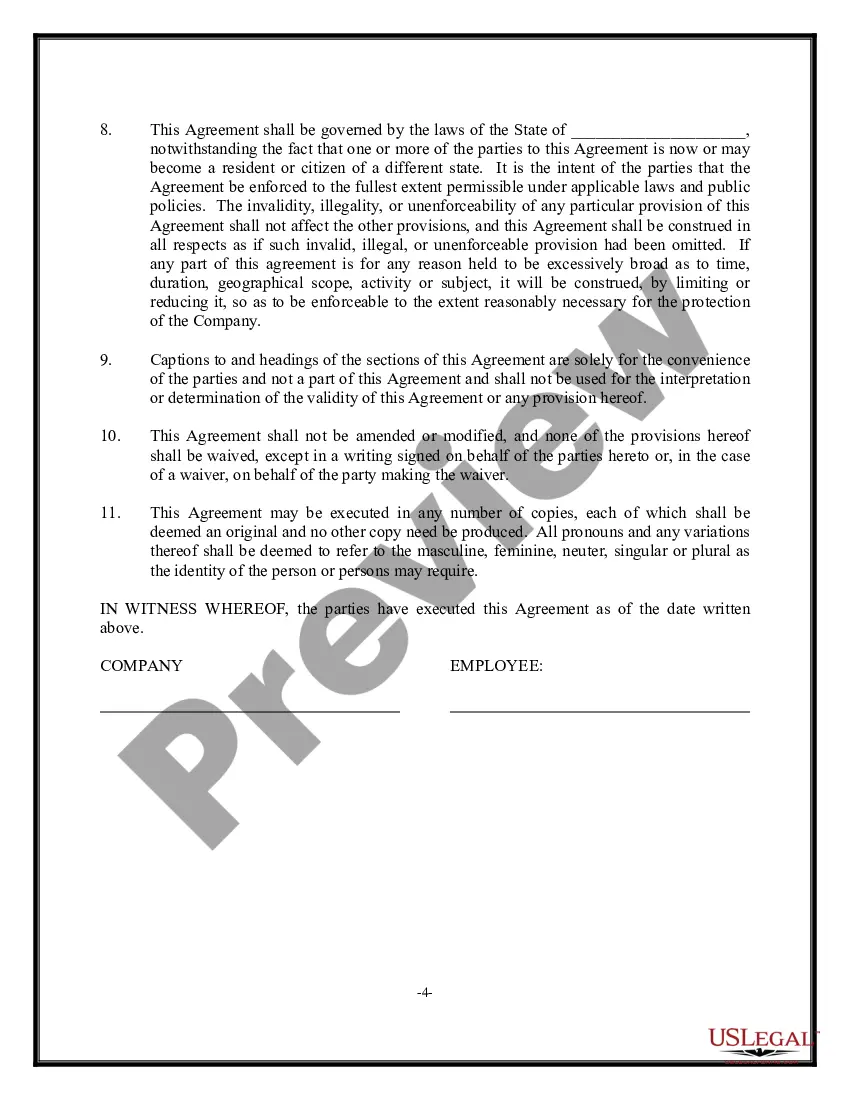
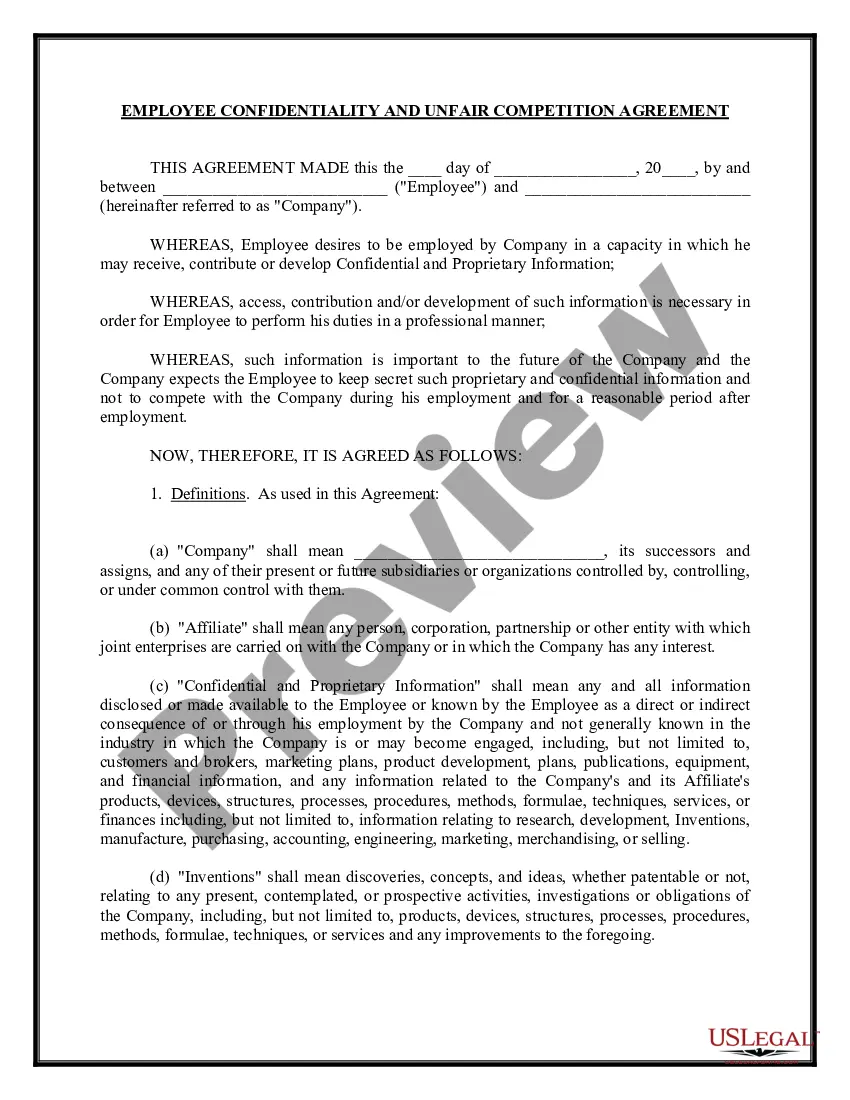
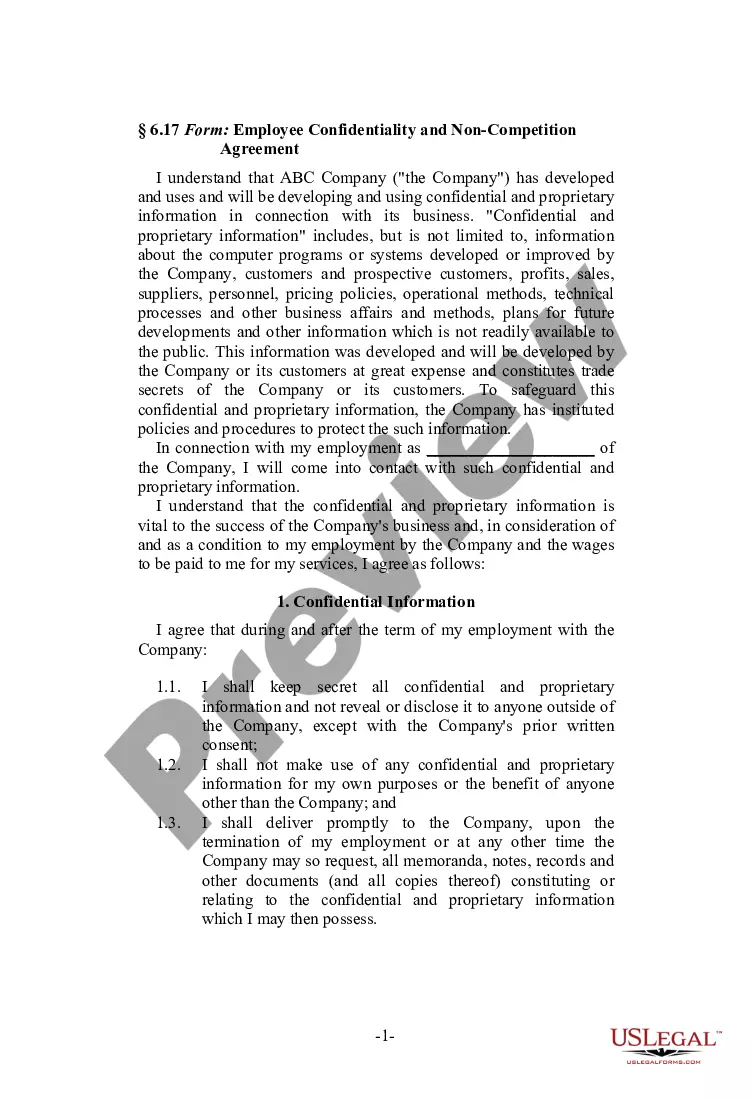
An NDA would prevent you from sharing information from your job with anyone the company does not authorize you to. This does not prevent you from working for a competitor of the company, just places a limit on if you were to tell them anything about how the current company works you could be held liable.
Therefore, the short answer is: Yes, an employer can prevent an employee from going to work for a competitor... but only for a relatively short period of time, and only if the restrictions are reasonable having regard to the legitimate interests the employer is seeking to protec...
Typically, a noncompete agreement prohibits you from working for a competitor until a set period has passed, but it may additionally ban you from completing the following actions: Starting your own company in the same industry. Contacting former customers. Utilizing skills you learned on the job.
Non-compete agreements are not viewed favorably under North Carolina law. To be valid, they must be designed to protect a legitimate business interest of the employer. If it is too broad to be considered a reasonable protection of the employer's business, it will not be enforced.
A noncompete is unenforceable if it restricts an employee's ability to exercise their rights under federal law. No employer may enter into a covenant not to compete or a covenant not to solicit with any employee. Existing noncompetes are void and unenforceable, including out-of-state noncompetes.
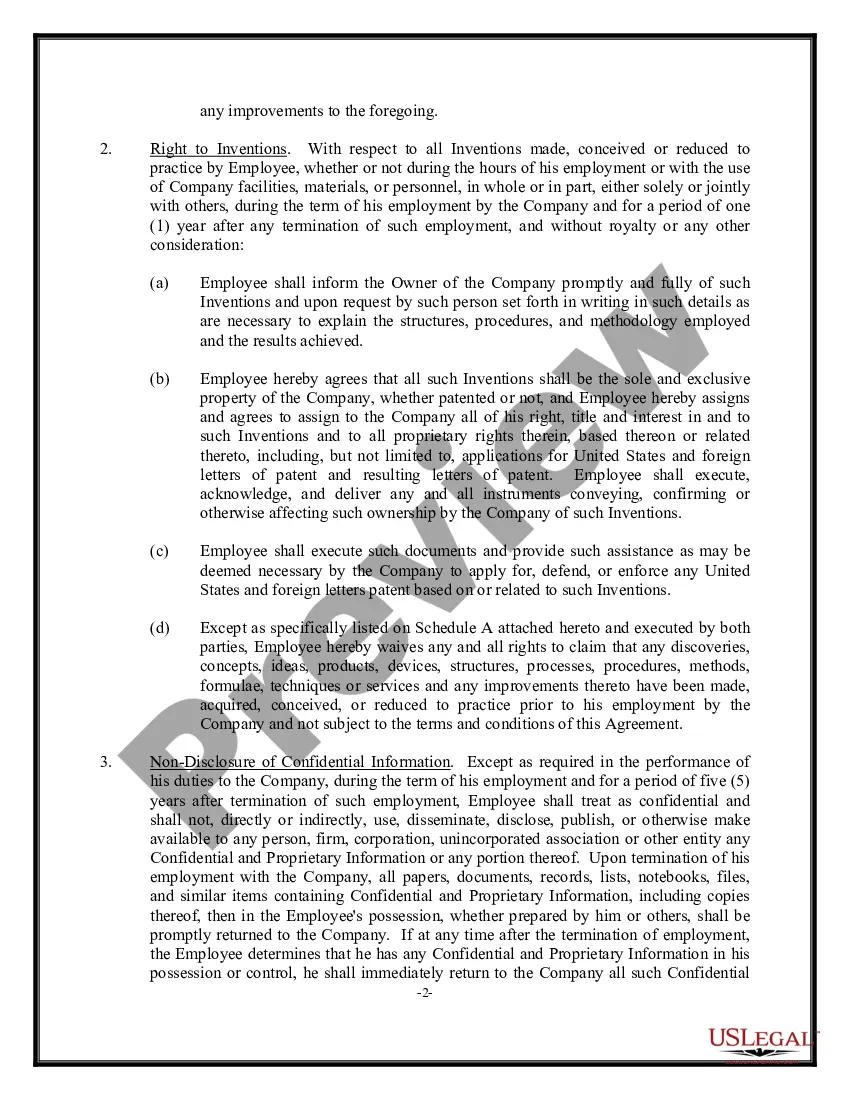
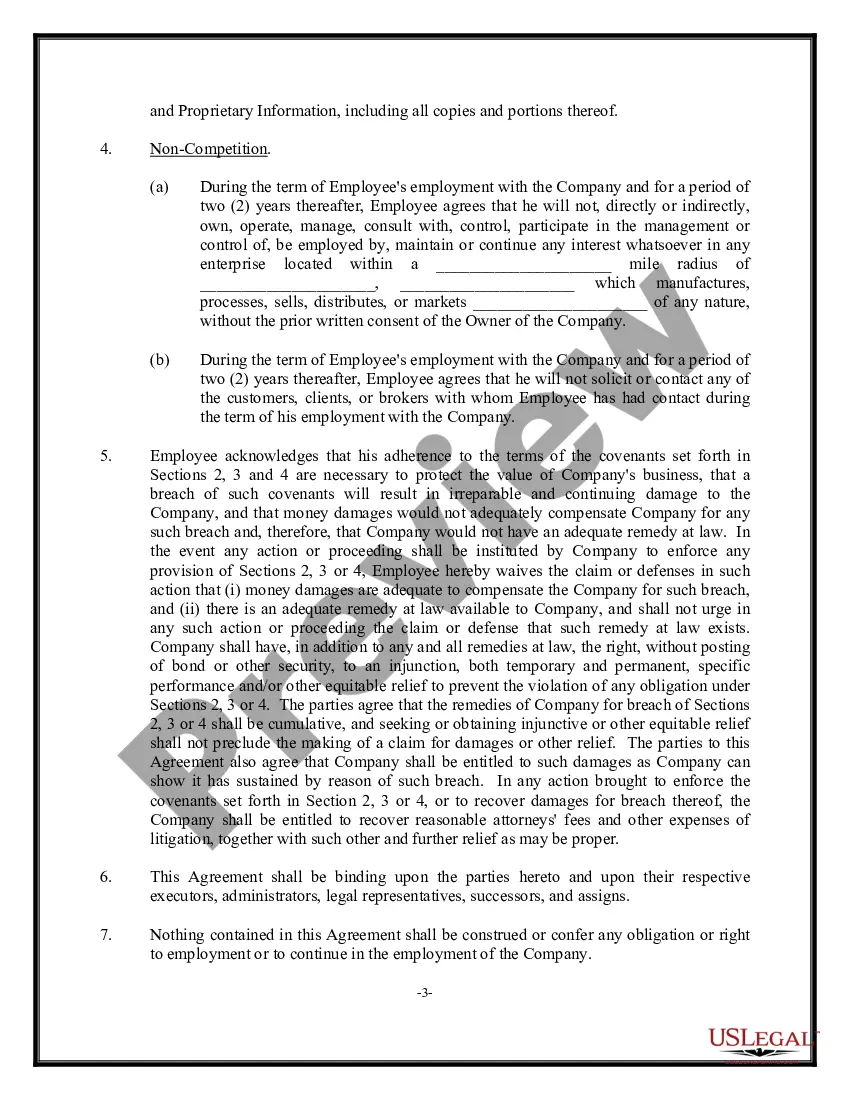
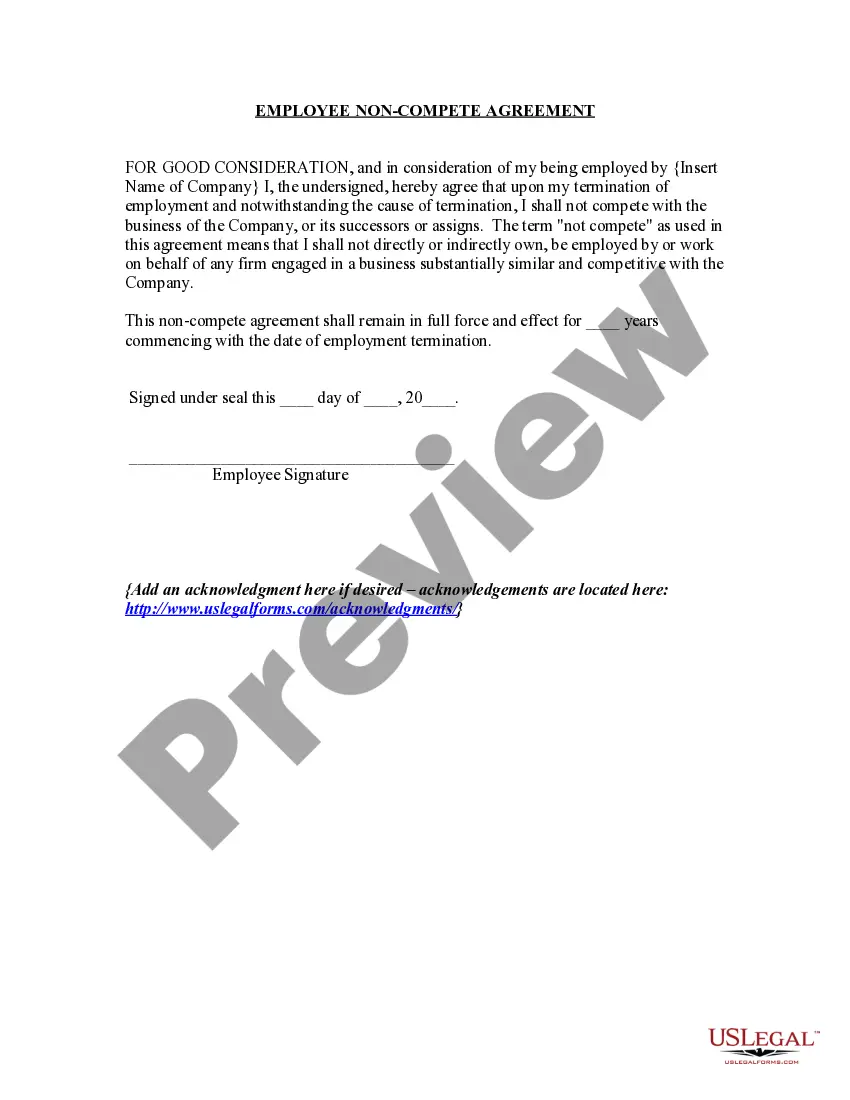
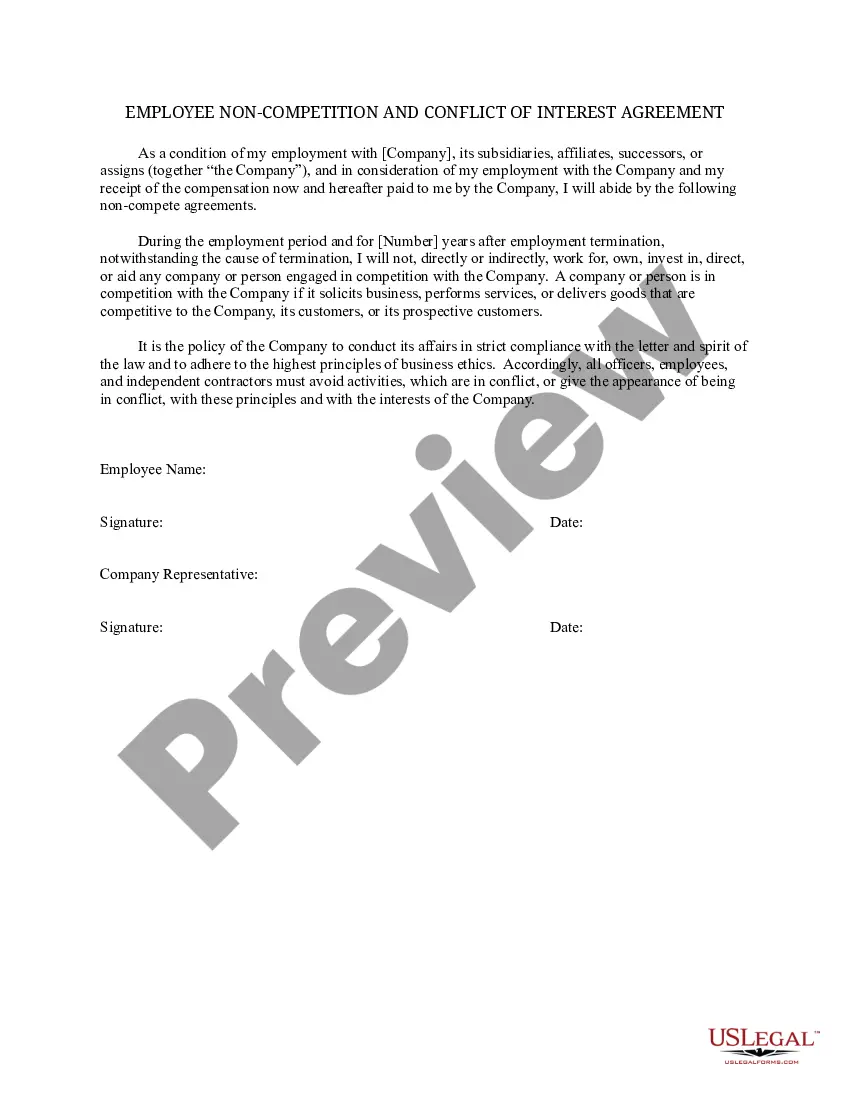
Generally, non-compete clauses contain language such as: “Employee shall refrain from working for a company providing similar services as Employer for a period of ___ years after separation from Employer.” Sometimes, non-compete provisions also contain a geographic restriction (e.g., “Employee may not work for an ...
With that said, most states agree that two of the main factors to consider are geographical scope and the duration of the restriction. Over time, courts across the country have largely come to agree that the most restrictive (and enforceable) non-compete is 50 miles and two years after termination of employment.
