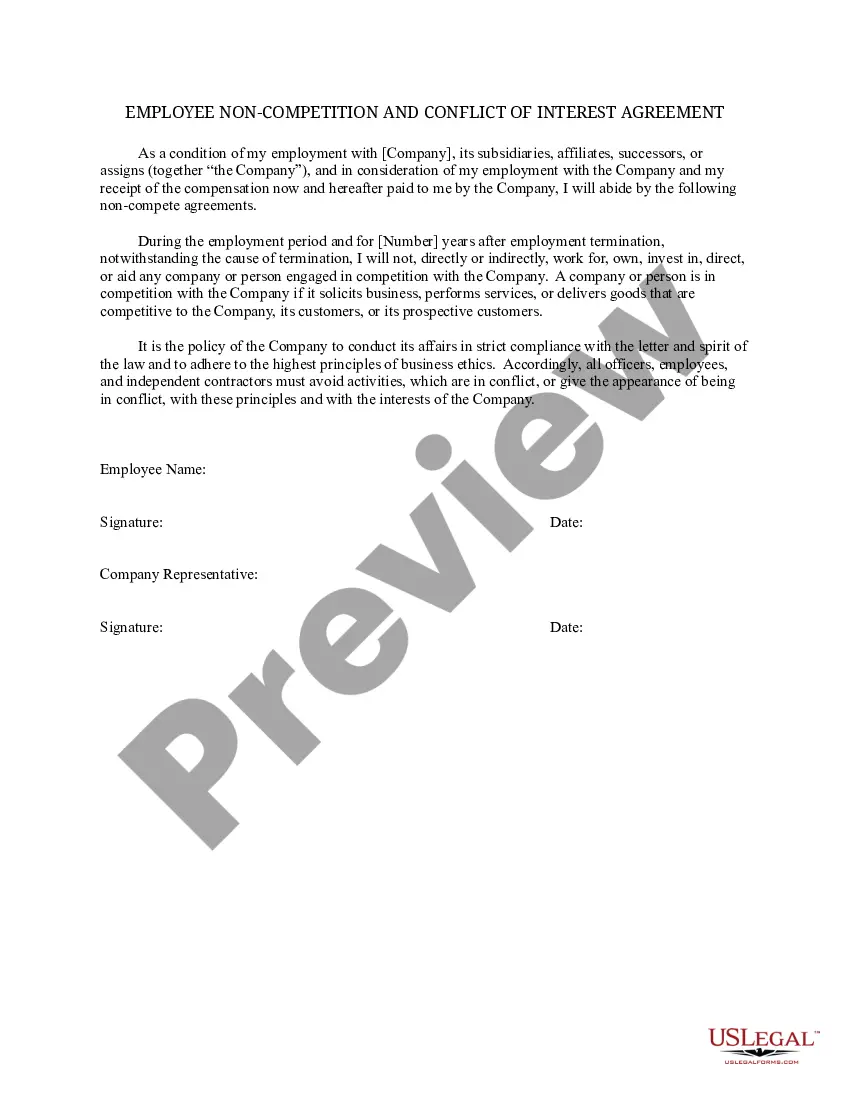
Competition Non Competition For Sale In Nevada
Description

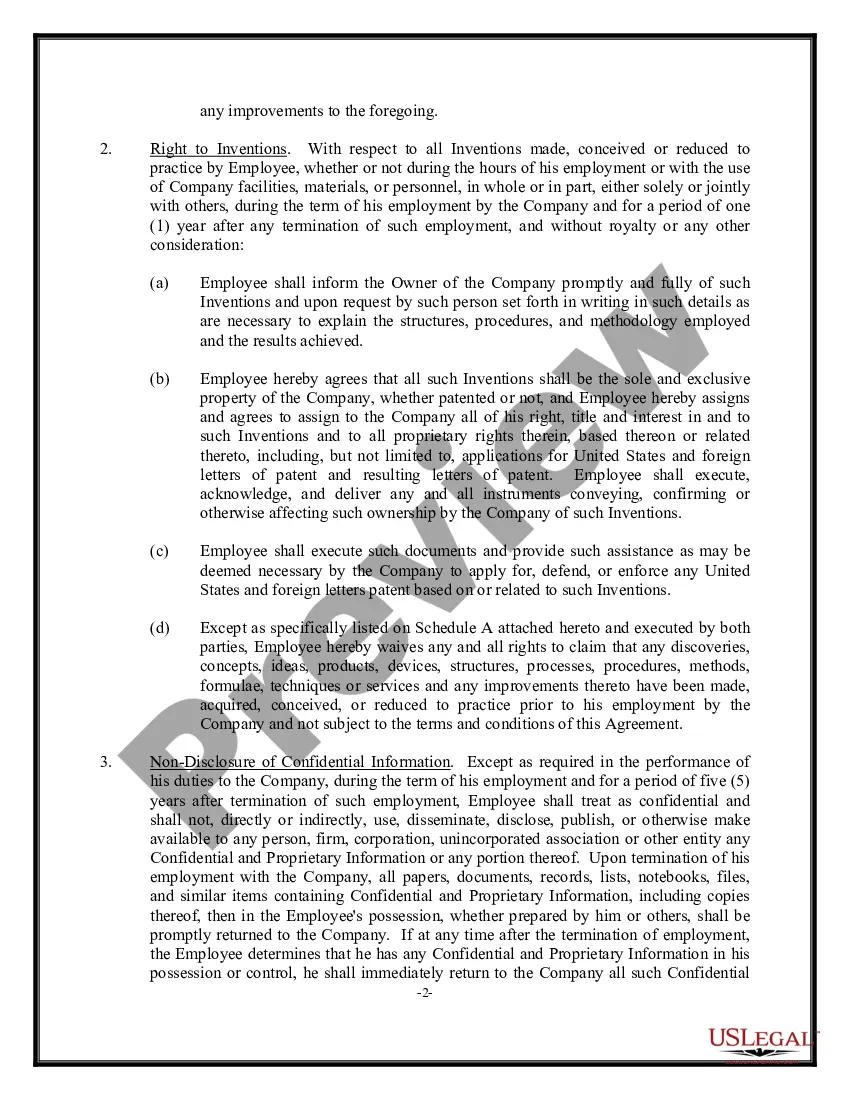
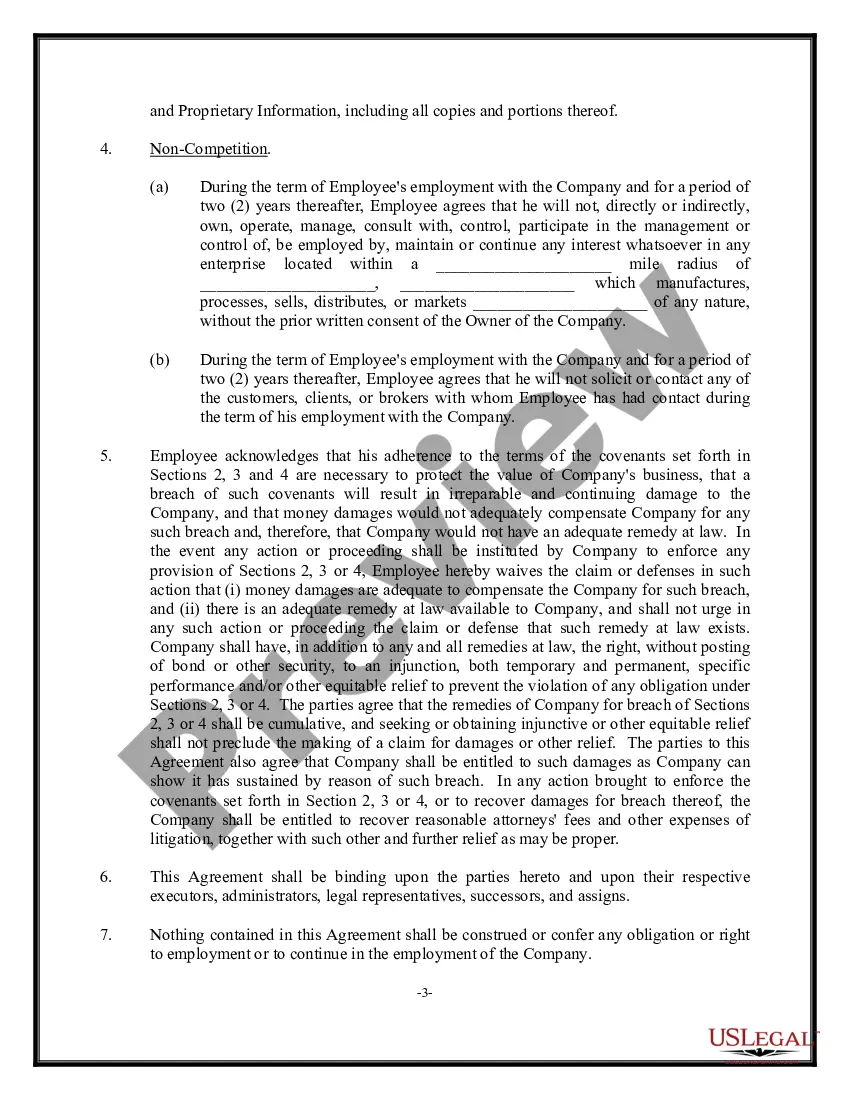
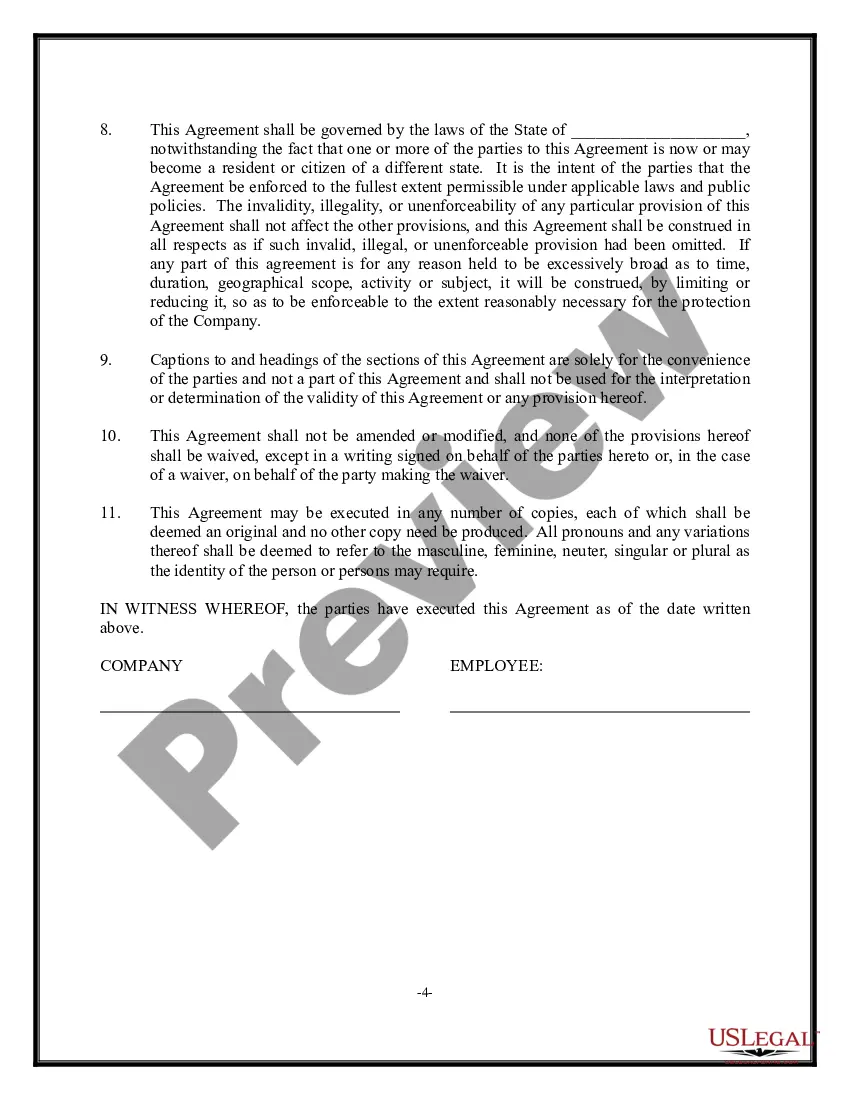
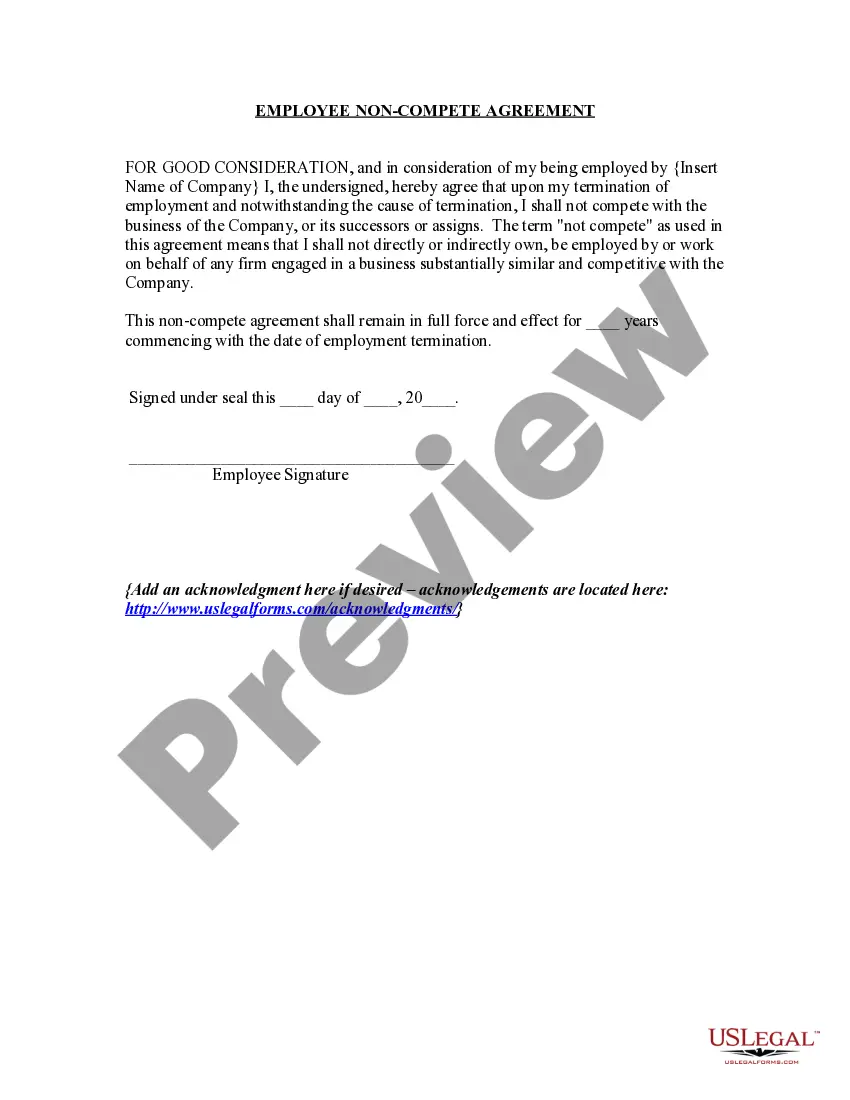
Get your form ready online
Our built-in tools help you complete, sign, share, and store your documents in one place.
Make edits, fill in missing information, and update formatting in US Legal Forms—just like you would in MS Word.
Download a copy, print it, send it by email, or mail it via USPS—whatever works best for your next step.
Sign and collect signatures with our SignNow integration. Send to multiple recipients, set reminders, and more. Go Premium to unlock E-Sign.
If this form requires notarization, complete it online through a secure video call—no need to meet a notary in person or wait for an appointment.
We protect your documents and personal data by following strict security and privacy standards.

Make edits, fill in missing information, and update formatting in US Legal Forms—just like you would in MS Word.

Download a copy, print it, send it by email, or mail it via USPS—whatever works best for your next step.

Sign and collect signatures with our SignNow integration. Send to multiple recipients, set reminders, and more. Go Premium to unlock E-Sign.

If this form requires notarization, complete it online through a secure video call—no need to meet a notary in person or wait for an appointment.

We protect your documents and personal data by following strict security and privacy standards.
Looking for another form?





Form popularity
FAQ
The answer is, it depends. The determining factors are how and what the new company acquired in the transaction and also whether the employee had to reapply for the new company or experienced any major changes in the terms and conditions of employment.
Non-compete agreements must be specifically limited in two distinct ways, 1) in time, and 2) in geographic area. If a non-compete clause or agreement fails to limit the scope of the contract to a specific time period and a specific geographic area, it can often be invalidated.
Several factors can void or limit the enforceability of a non-compete agreement, including overly broad restrictions, unreasonable time frames or geographical limits, lack of consideration (such as compensation or job opportunities provided in exchange for the agreement), and violation of public policy.
The following are the most common ways to get out of a non-compete agreement: Determine that the terms of the contract do not in fact prevent you from a desired course of action. Recognize when a non-compete contradicts the law. Negotiate a release agreement with the involved parties. Ignore the agreement.
Non-competes—restrictive covenants in which one party agrees to refrain from competing with another—have long been enforceable in Nevada, even in the healthcare field, so long as they are reasonably necessary to protect the legitimate business interests of the beneficiary of the non-compete and do not contravene the ...
compete agreement is not voided if you resign or are fired. In fact, this is exactly when the company wanted this protection to apply... If you violate an enforceable noncompete, you could be sued for any actual losses suffered by your exemployer.
The General Rule in California: Covenants Not to Compete Are Not Enforceable. Any discussion of California law on non-compete agreements starts with the general principle. As the California Supreme Court ruled in its landmark decision on the topic, Edwards v. Arthur Andersen LLP, 44 Cal.
Outside of those industries, the major exceptions include (1) existing agreements for “senior executives” (defined below), (2) non-competes entered into in connection with the bona fide sale of a business, and (3) non-competes enforced where the cause of action accrued prior to the rule's effective date.
Non-compete agreements are generally taxed as ordinary income to the seller, which from the seller's perspective is less than desirable. But, for a buyer, it is expensed as incurred, which is desirable for the buyer but not the seller.
Employers do enforce non-competes, but the extent varies. Some employers rigorously enforce these agreements to protect their business interests, while others may choose not to pursue legal action.
