Competition Noncompetition For Employees In Montgomery
Description

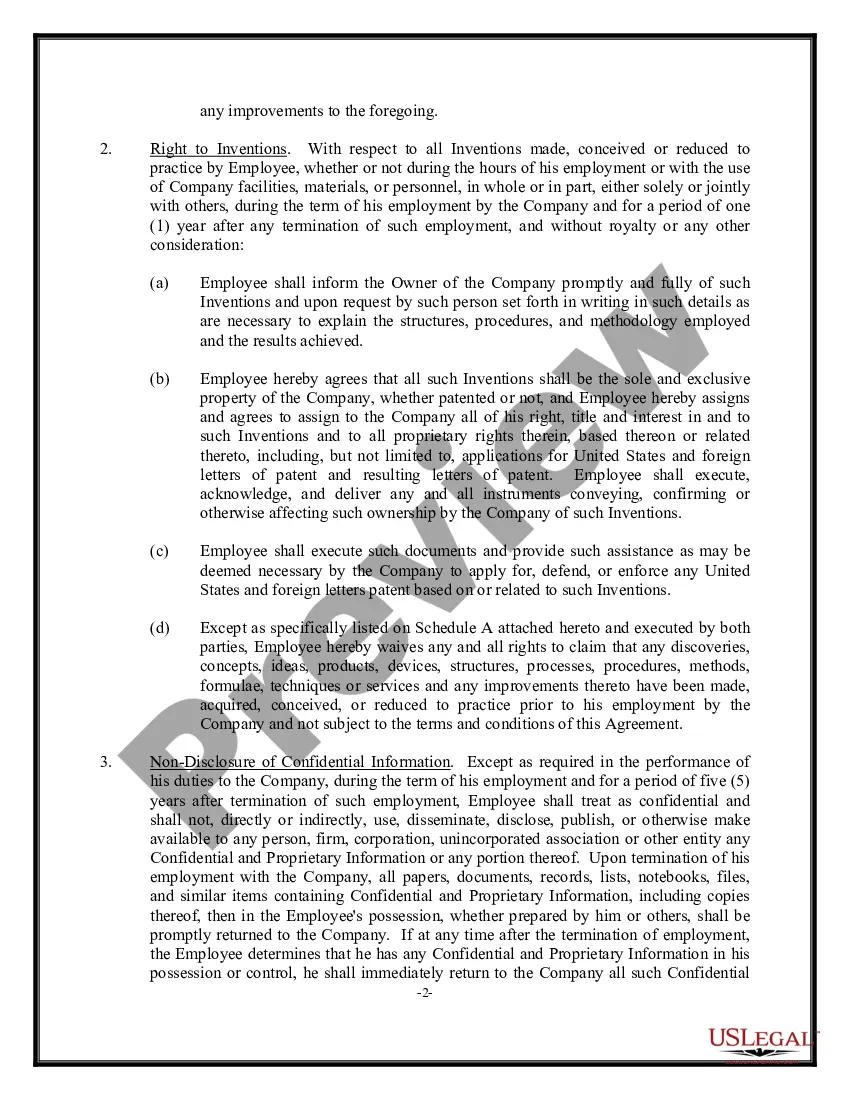
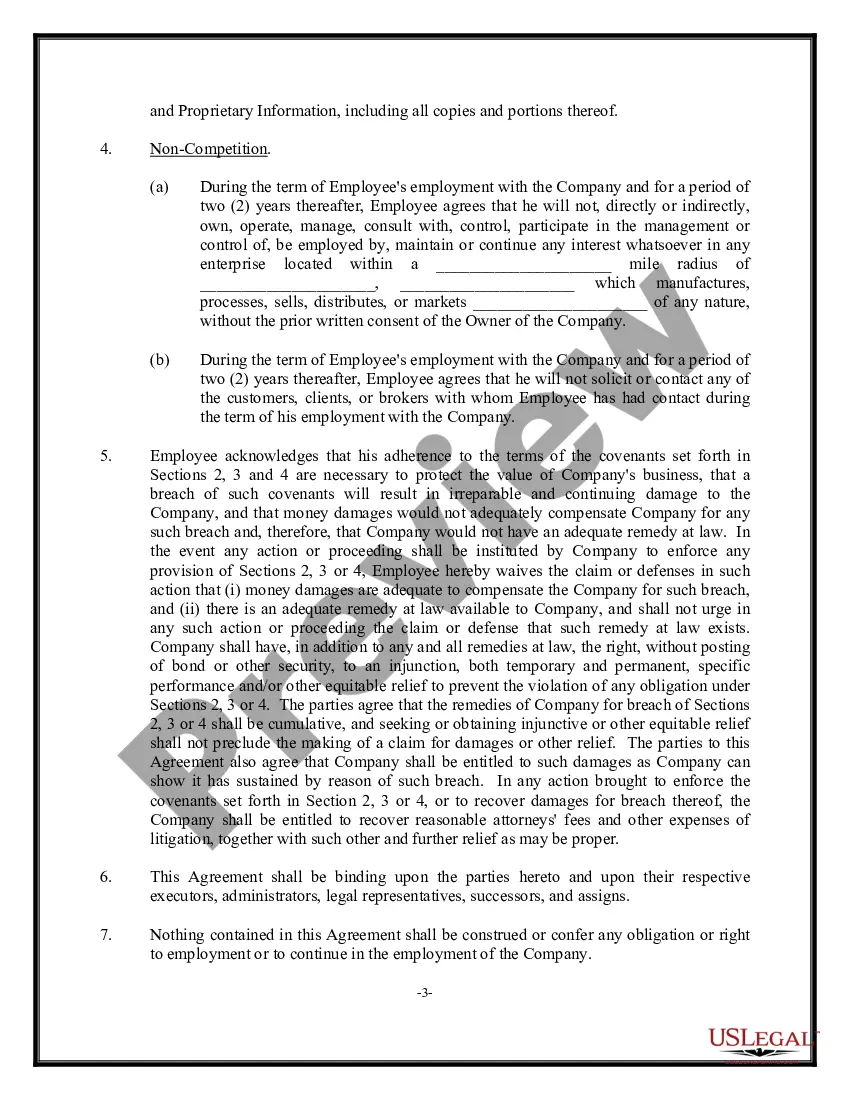
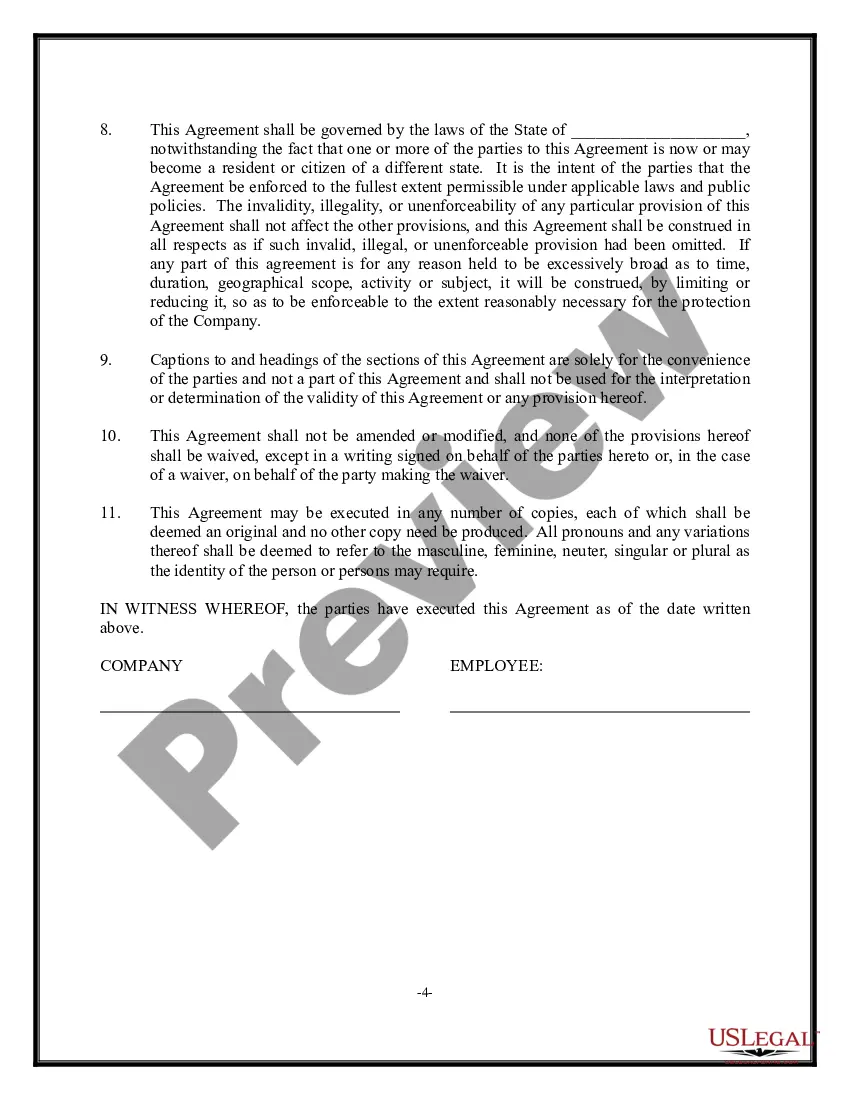
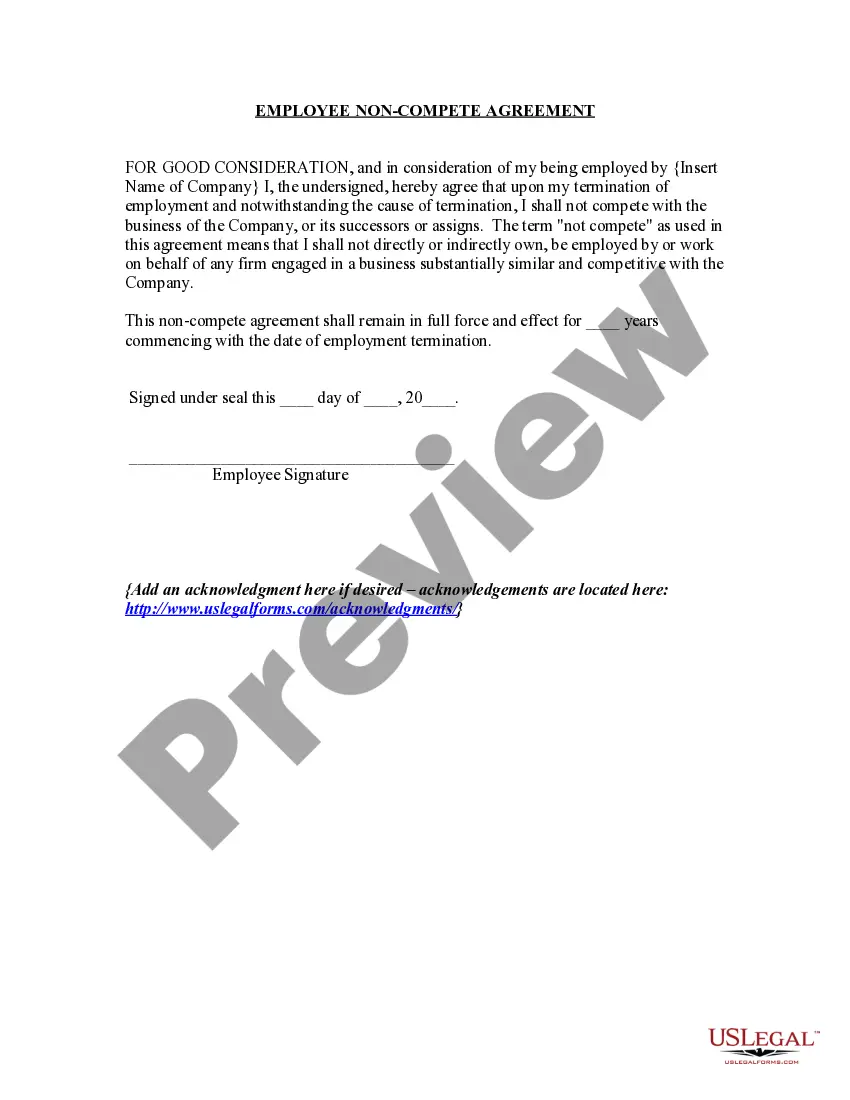
Get your form ready online
Our built-in tools help you complete, sign, share, and store your documents in one place.
Make edits, fill in missing information, and update formatting in US Legal Forms—just like you would in MS Word.
Download a copy, print it, send it by email, or mail it via USPS—whatever works best for your next step.
Sign and collect signatures with our SignNow integration. Send to multiple recipients, set reminders, and more. Go Premium to unlock E-Sign.
If this form requires notarization, complete it online through a secure video call—no need to meet a notary in person or wait for an appointment.
We protect your documents and personal data by following strict security and privacy standards.

Make edits, fill in missing information, and update formatting in US Legal Forms—just like you would in MS Word.

Download a copy, print it, send it by email, or mail it via USPS—whatever works best for your next step.

Sign and collect signatures with our SignNow integration. Send to multiple recipients, set reminders, and more. Go Premium to unlock E-Sign.

If this form requires notarization, complete it online through a secure video call—no need to meet a notary in person or wait for an appointment.

We protect your documents and personal data by following strict security and privacy standards.
Looking for another form?









Form popularity
FAQ
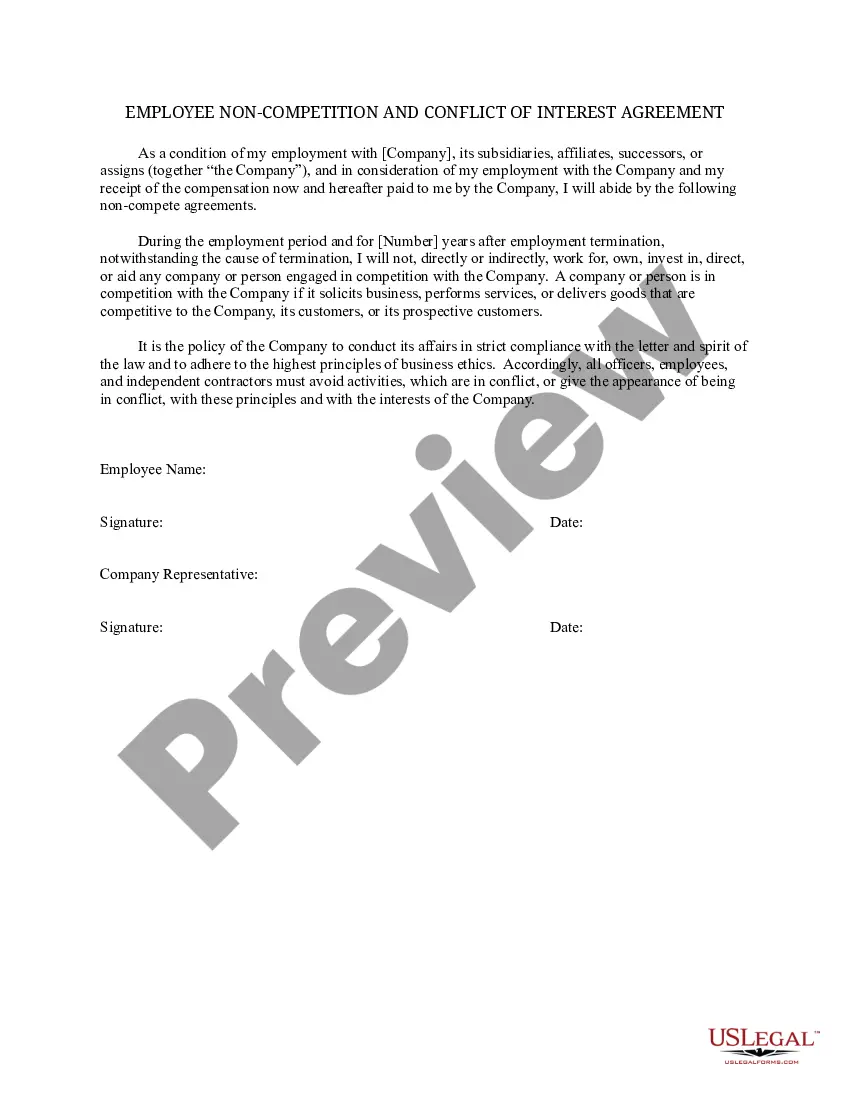
On average, noncompete agreements stop former employees from taking a new job at a competing company for anywhere from six months to a year. However, in some high tech fields where employees have access to extremely sensitive information about new technologies, noncompete agreements could last as long as two years.
How To Legally Get Out of a Non-Compete Agreement Get a New Job That Doesn't Involve Competitive Activities. Prove That Your Former Employer Breached the Contract. Argue That the Non-Compete Provision Isn't Enforceable. Show That Your Previous Employer Has No Legitimate Business Interests.
In certain circumstances, it is possible to find non-compete contract loopholes that may void the contract. For example, if you can prove that you never signed the contract, or if you can prove the contract is against the public interest, you may be able to void the agreement.
Go to personnel. Tell them you feel the need to start considering your future and would like to be released from the non-compete part of your contract so you can get started. I'd give you until tomorrow about closing time and you won't have to worry about taking paper clips or any other company property home again.
Prove That Your Former Employer Breached the Contract If the employer breached the contract by failing to hold up their end of the bargain, you can get out of the non-compete agreement. Legally, the courts view a party who breaches a contract but turns around to enforce it as coming before the court with unclean hands.
Negotiating with your new employer If your old employer won't compromise, you could also ask your new employer if they can give you a different job until the restriction you agreed to runs out. This could be either a different kind of job or a different location - that way you won't be breaking the restriction.
Enforceability of Non-Competition Agreements in Maryland If the agreement is too broad or vague, it is unlikely that a court will enforce the agreement. When a non-competition agreement is challenged, Courts in Maryland will generally enforce the agreement only: Against an employee providing unique services.
