Competition Non Competition With Friends In Montgomery
Description

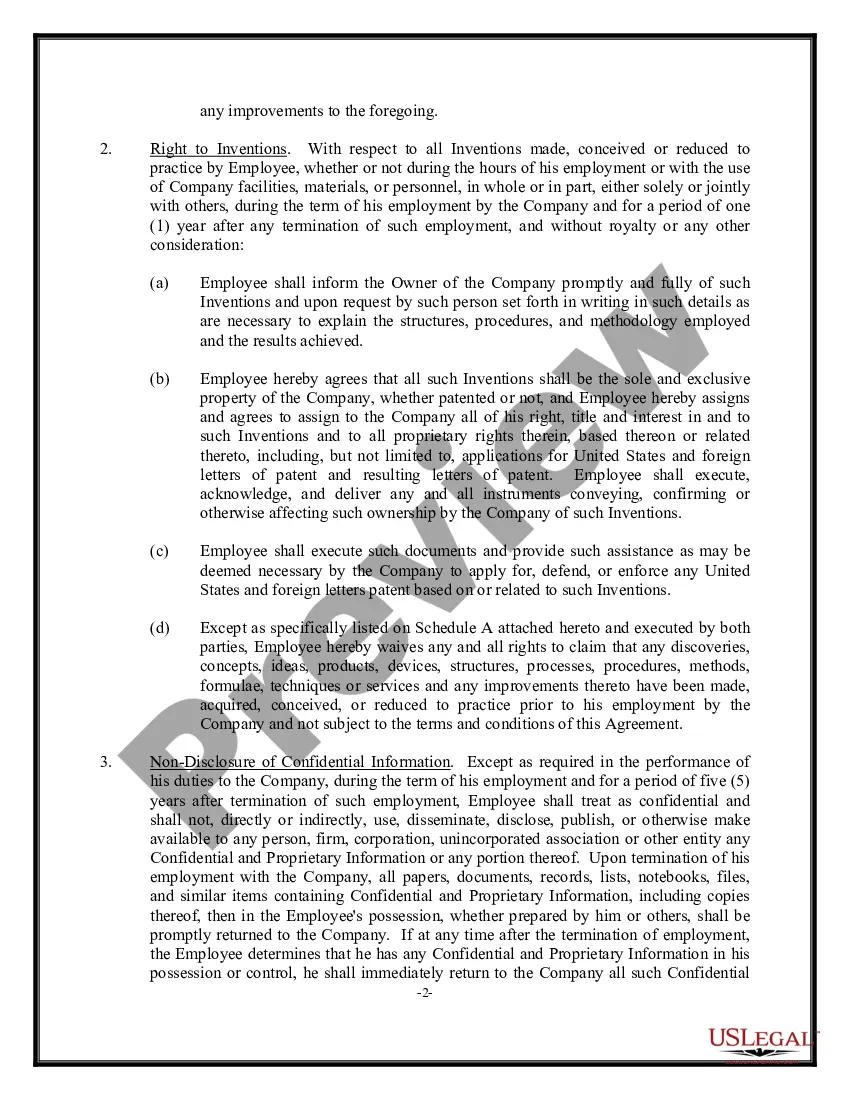
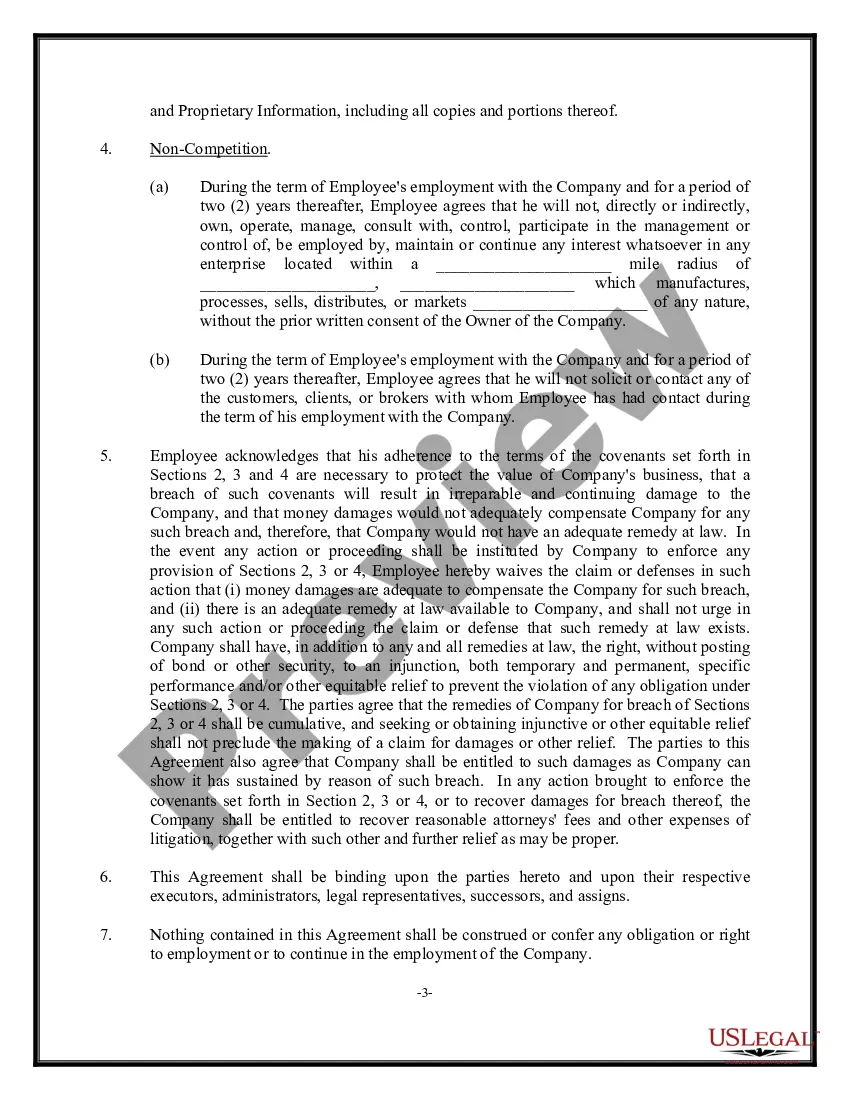
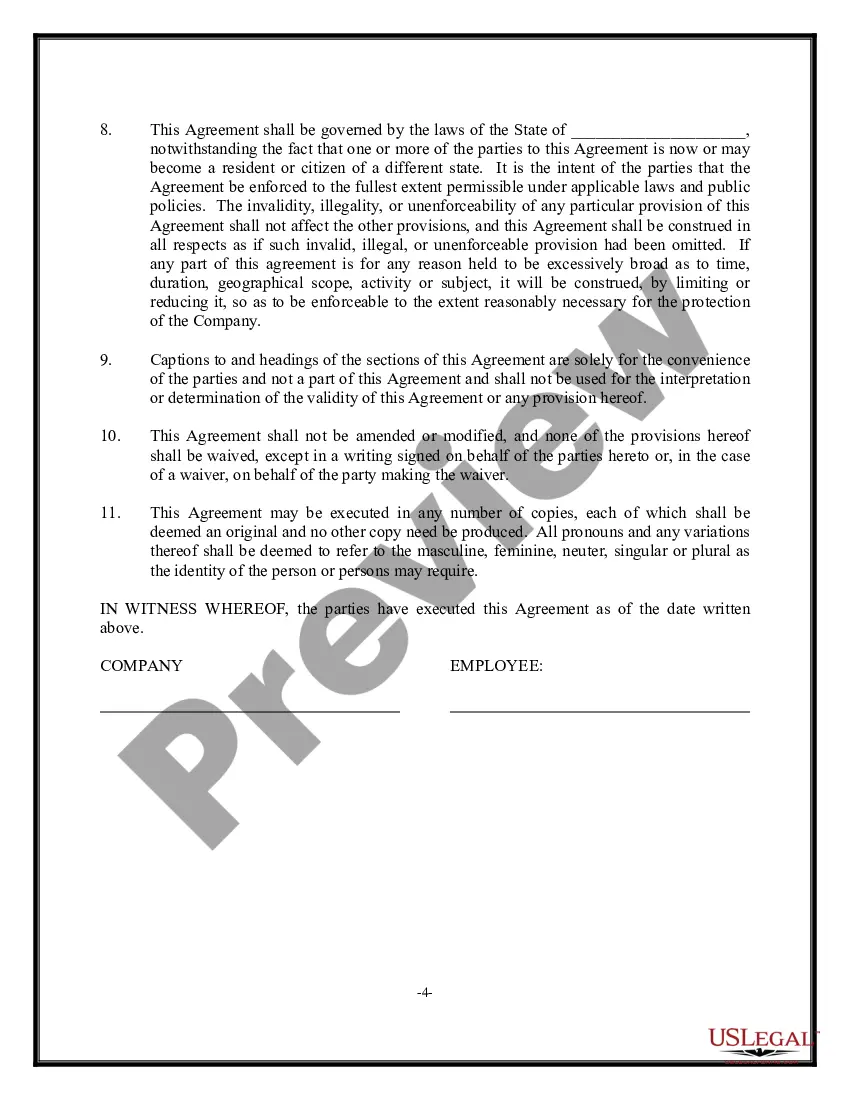
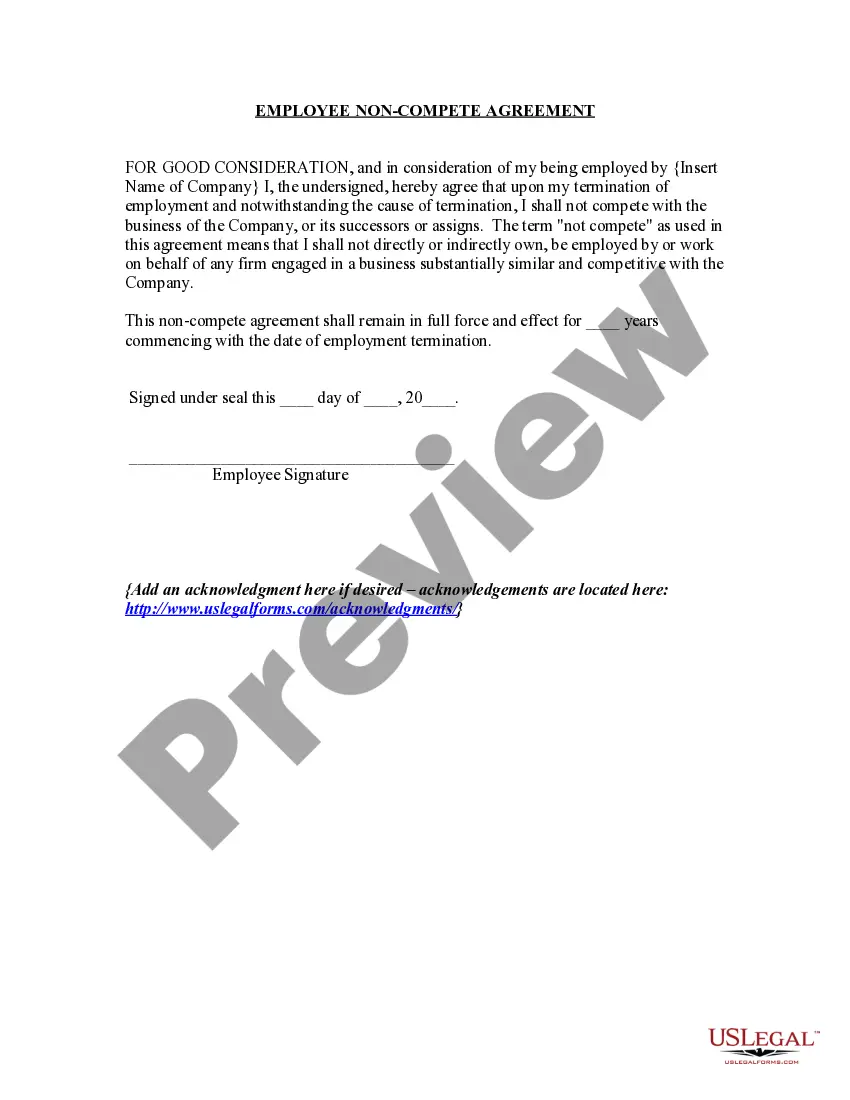
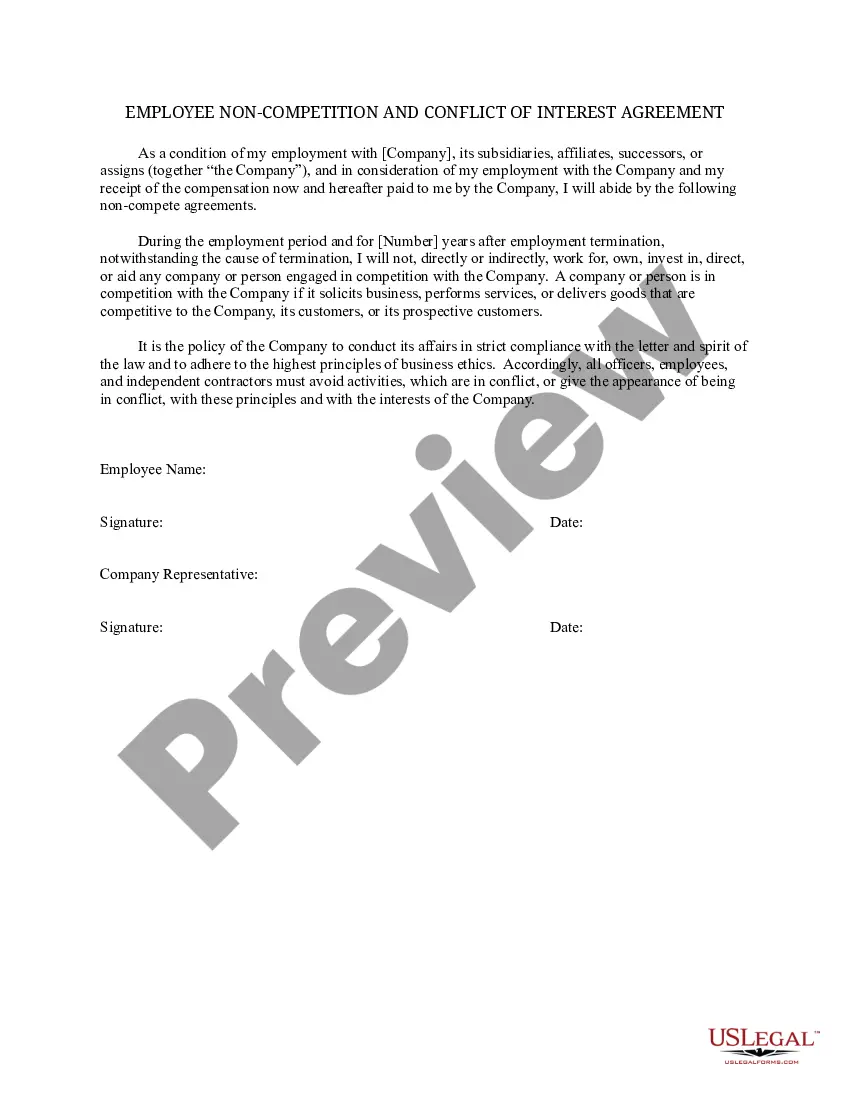
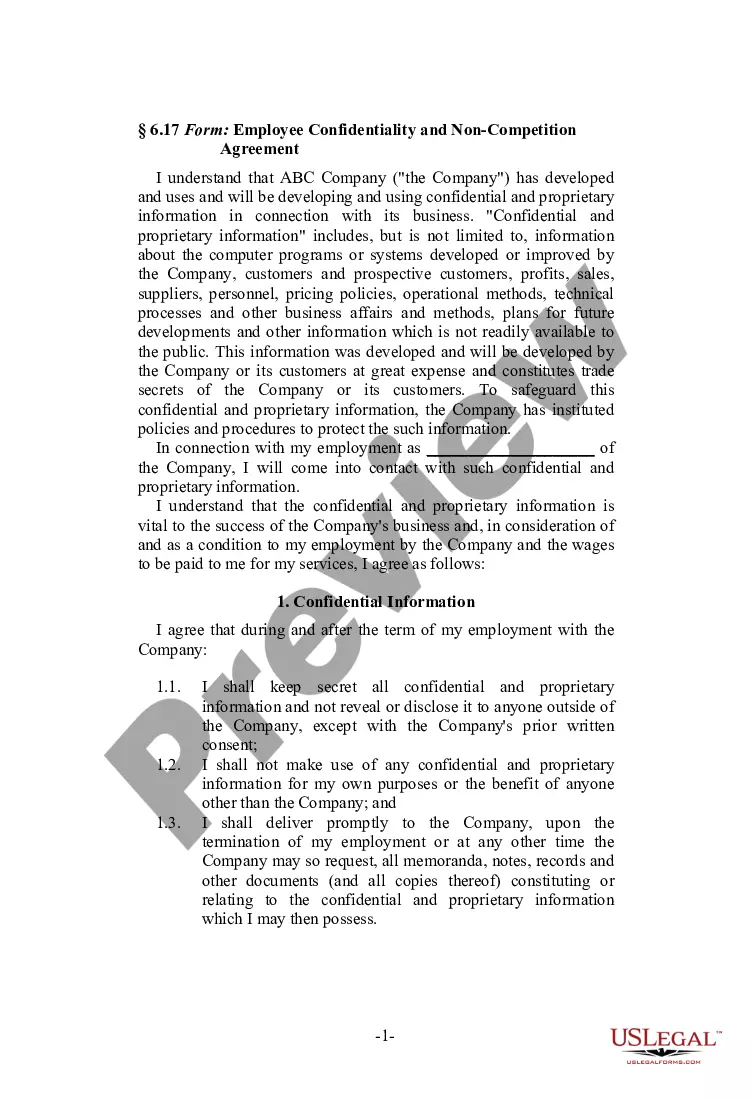
Get your form ready online
Our built-in tools help you complete, sign, share, and store your documents in one place.
Make edits, fill in missing information, and update formatting in US Legal Forms—just like you would in MS Word.
Download a copy, print it, send it by email, or mail it via USPS—whatever works best for your next step.
Sign and collect signatures with our SignNow integration. Send to multiple recipients, set reminders, and more. Go Premium to unlock E-Sign.
If this form requires notarization, complete it online through a secure video call—no need to meet a notary in person or wait for an appointment.
We protect your documents and personal data by following strict security and privacy standards.

Make edits, fill in missing information, and update formatting in US Legal Forms—just like you would in MS Word.

Download a copy, print it, send it by email, or mail it via USPS—whatever works best for your next step.

Sign and collect signatures with our SignNow integration. Send to multiple recipients, set reminders, and more. Go Premium to unlock E-Sign.

If this form requires notarization, complete it online through a secure video call—no need to meet a notary in person or wait for an appointment.

We protect your documents and personal data by following strict security and privacy standards.
Looking for another form?
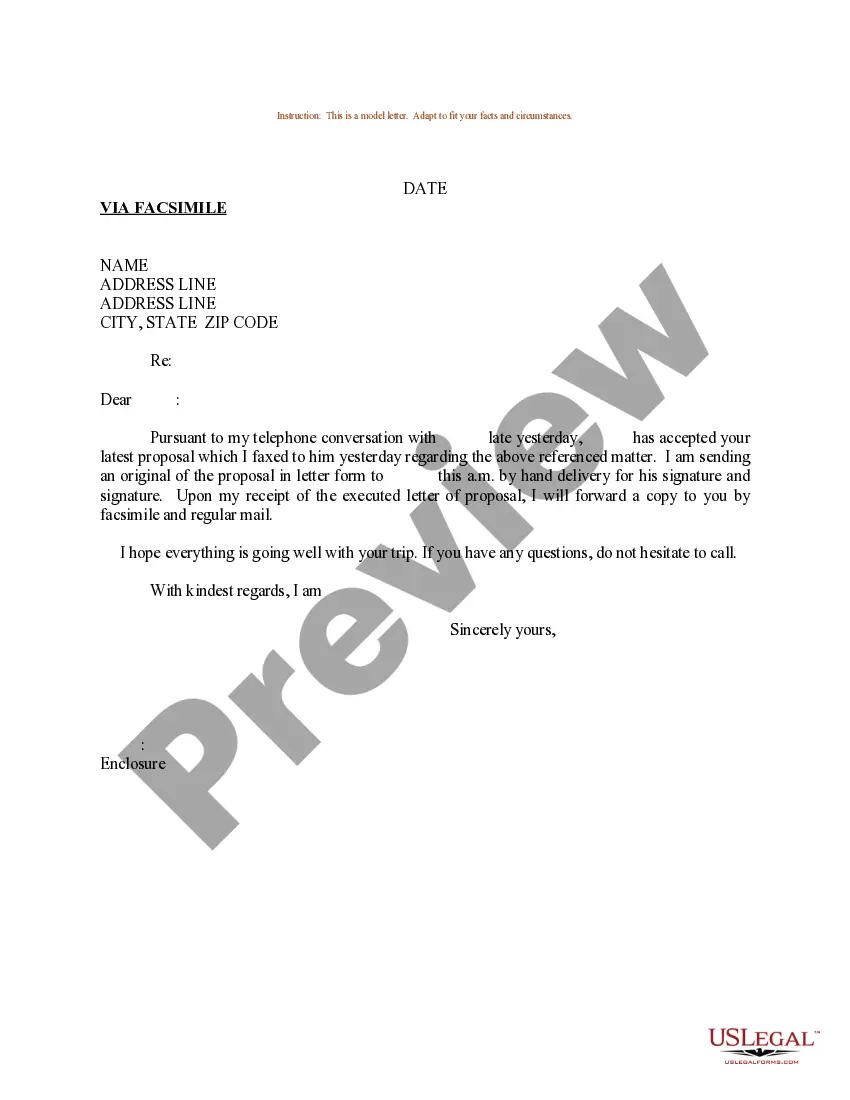
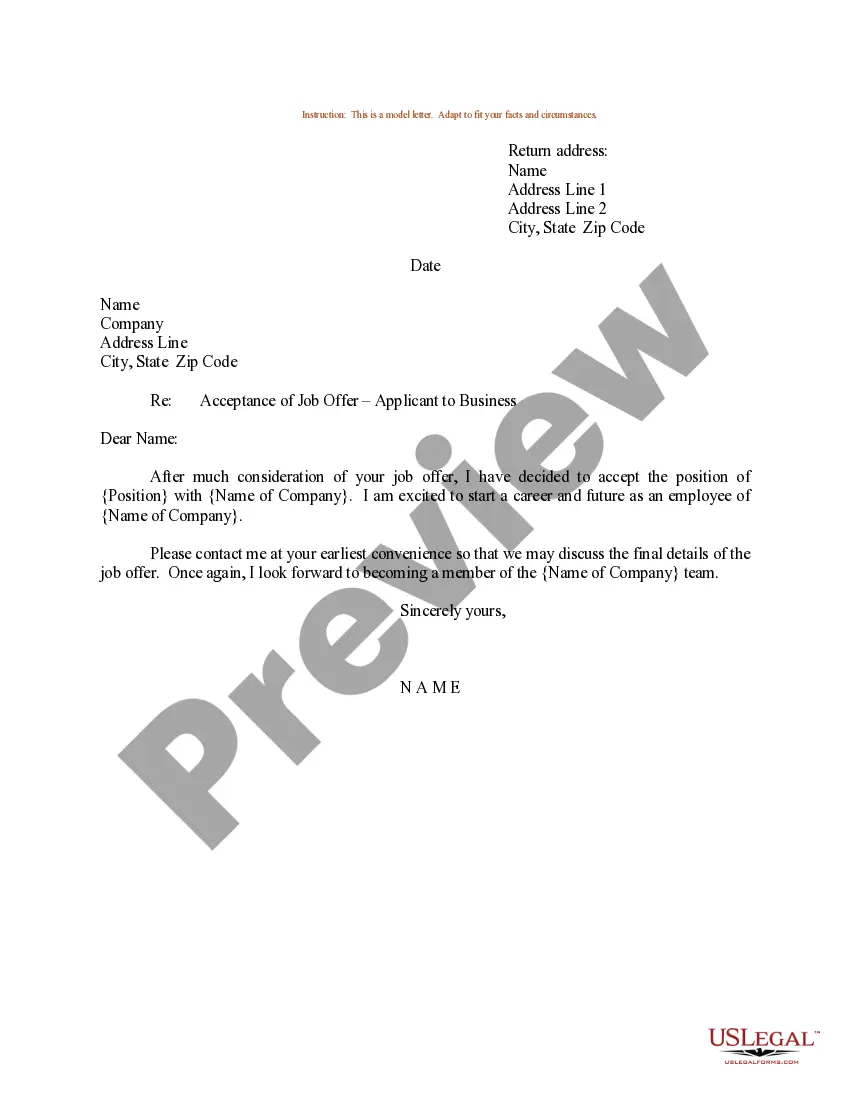




Form popularity
FAQ
Enforceability of Non-Competition Agreements in Maryland If the agreement is too broad or vague, it is unlikely that a court will enforce the agreement. When a non-competition agreement is challenged, Courts in Maryland will generally enforce the agreement only: Against an employee providing unique services.
Yes, it is possible to get out of a non-compete agreement, though success depends on the agreement's terms and enforceability. Maryland courts examine factors like the duration, geographic scope, and necessity of the restriction to determine if it unfairly limits an executive's ability to work.
Several factors can void or limit the enforceability of a non-compete agreement, including overly broad restrictions, unreasonable time frames or geographical limits, lack of consideration (such as compensation or job opportunities provided in exchange for the agreement), and violation of public policy.
The 2024 amendments to the law expand the ban on non-compete provisions to include agreements with: Licensed health care providers who provide direct patient care and earn total annual compensation equal to or less than $350,000; and. Employees who are licensed as a veterinarian or veterinary tech.
Enforceability of Non-Competition Agreements in Maryland If the agreement is too broad or vague, it is unlikely that a court will enforce the agreement. When a non-competition agreement is challenged, Courts in Maryland will generally enforce the agreement only: Against an employee providing unique services.
As you can see, non-competes are not enforceable in California, although other states currently allow them. Instead, you can opt for a non-disclosure agreement, or hire employees who live and work in other states.
The Alabama statute is restrictive as to when a Non-Compete Clause is enforceable. Specifically, the Alabama Code Section 8-1-190 states that such clauses are void or unenforceable except in certain circumstances that are listed in the statute.
Under Alabama case law, the courts have on occasion limited or voided certain parts of non-competes or non-solicitation agreements that are overly broad in scope, geography, or duration. The new law specifically codifies that a court may now void or limit these agreements or void them in their entirety.
