Competition Non Competition For Sale In Minnesota
Description


Form popularity
FAQ
Non-compete agreements are generally taxed as ordinary income to the seller, which from the seller's perspective is less than desirable. But, for a buyer, it is expensed as incurred, which is desirable for the buyer but not the seller.
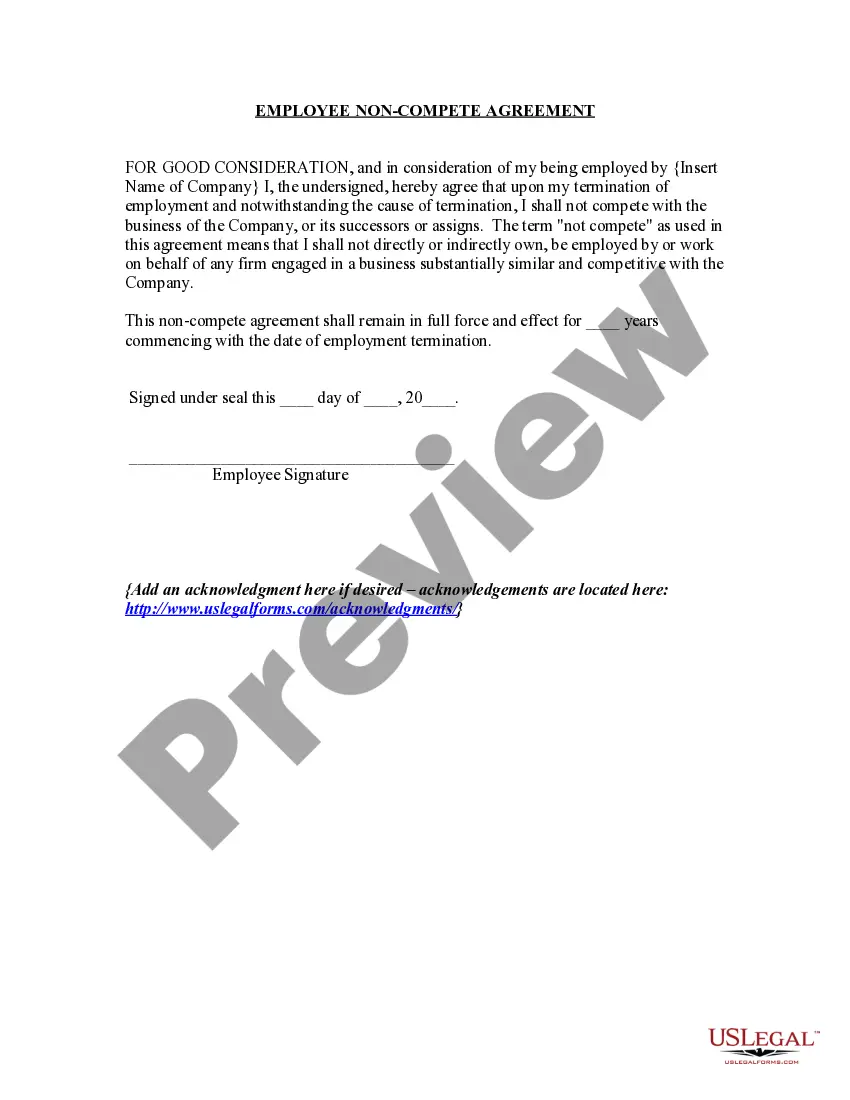
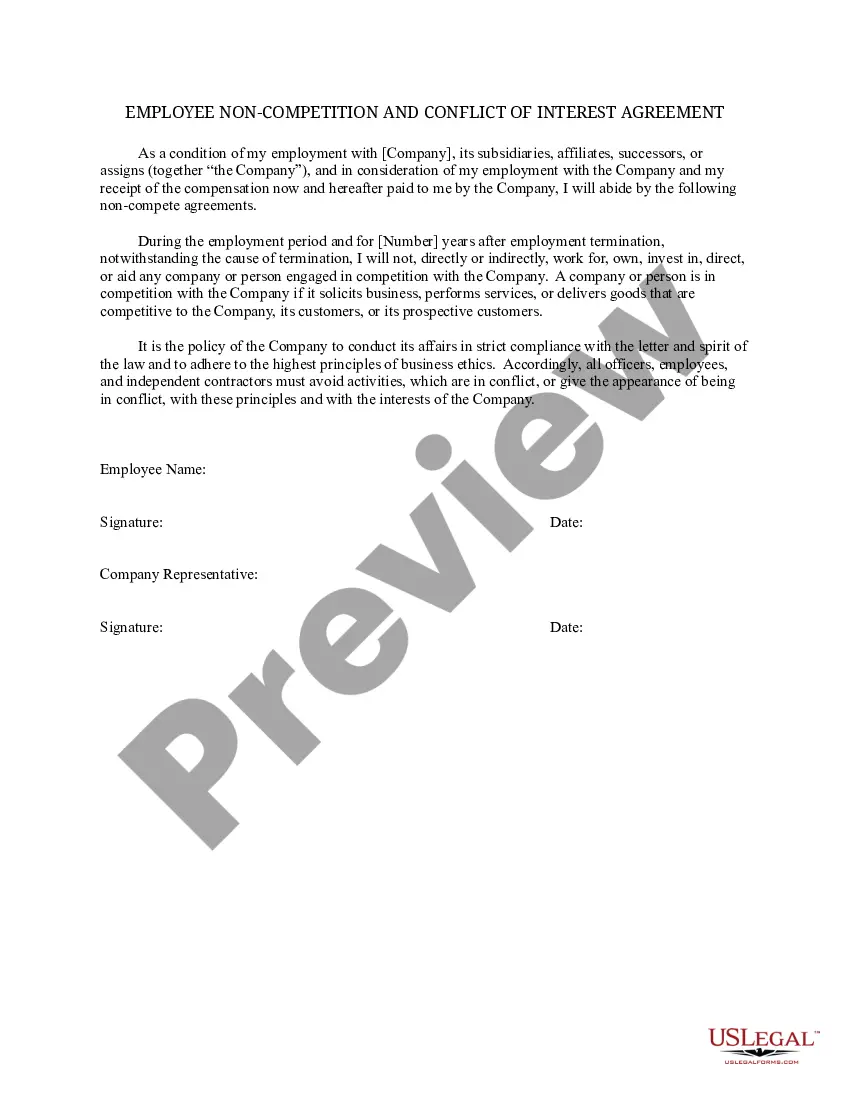
Employers do not need to notarize non-compete agreements. The dated signatures of a company representative, such as a manager or HR representative, and the employee are typically sufficient.
The Income Tax Act stipulates that entrepreneurs are exempt from capital gains tax if they sell their business to a third party, but are taxed at a rate of up to 48.7% if a family member buys it. New tax rules for intergenerational transfers of family businesses came into effect on January 1, 2024.
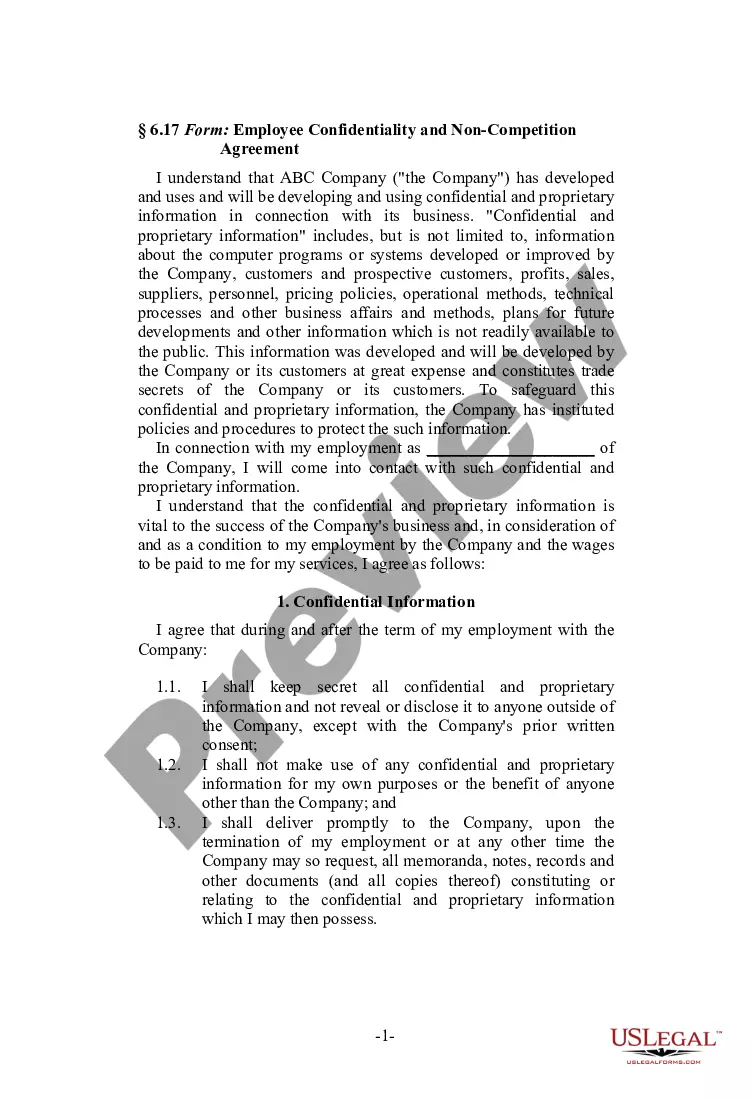
To be enforceable, non-compete clauses must not be too restrictive. In other words, they must be limited in scope, duration, and geographic area. The courts can assess the reasonableness of a non-compete clause if they are found overly broad or unreasonable; the courts may refuse to uphold it.
(a) Any covenant not to compete contained in a contract or agreement is void and unenforceable. (2) the covenant not to compete is agreed upon in anticipation of the dissolution of a business.
Considerations for creating a non-compete agreement Check state laws. Each state has different laws and regulations regarding non-compete agreements, and in some states, non-compete agreements may be prohibited entirely. Define the duration. Consider using specific and relevant parameters. Provide a section for signatures.
The answer is, it depends. The determining factors are how and what the new company acquired in the transaction and also whether the employee had to reapply for the new company or experienced any major changes in the terms and conditions of employment.
