Types Of Unfair Competition In Miami-Dade
Description

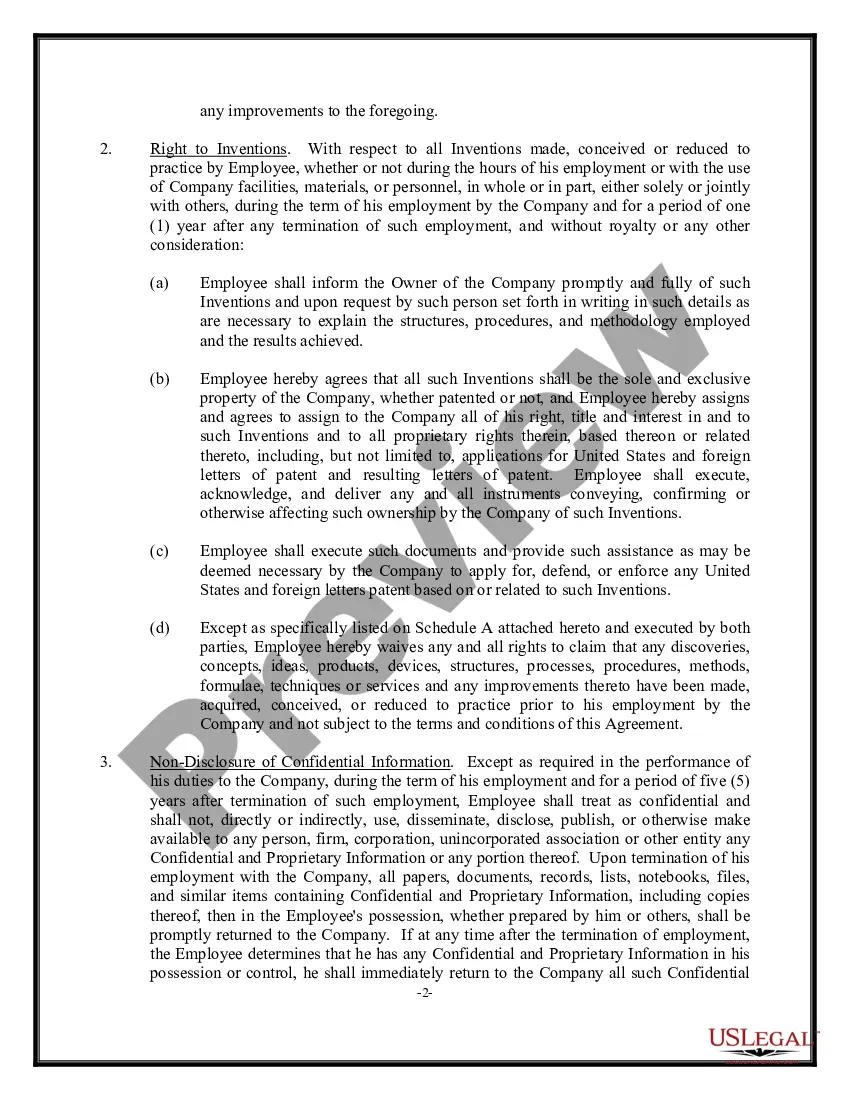
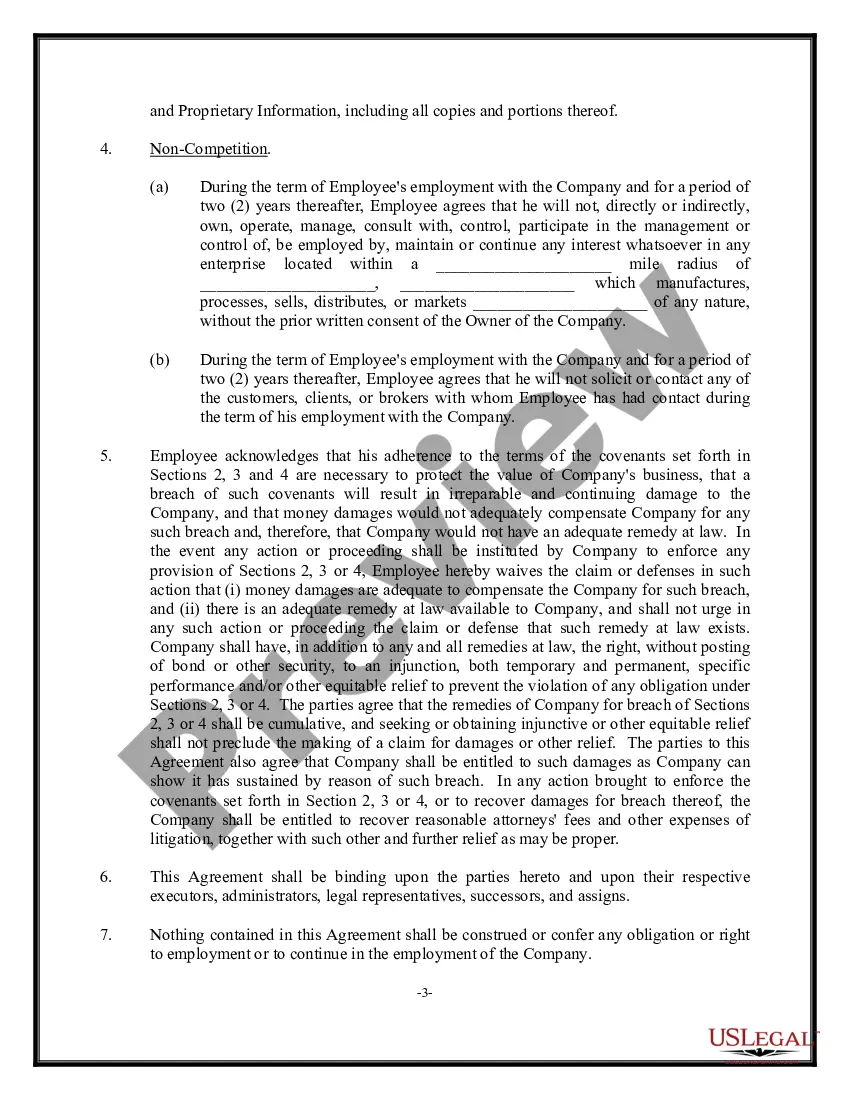

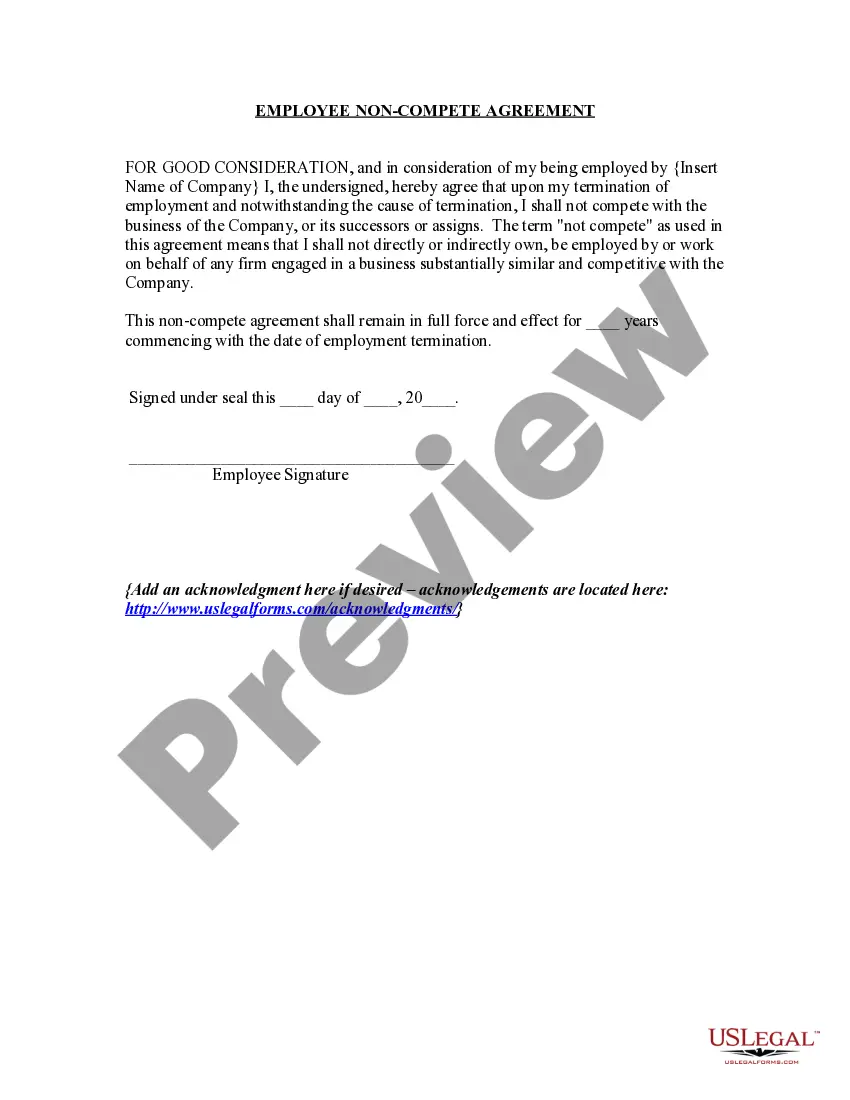
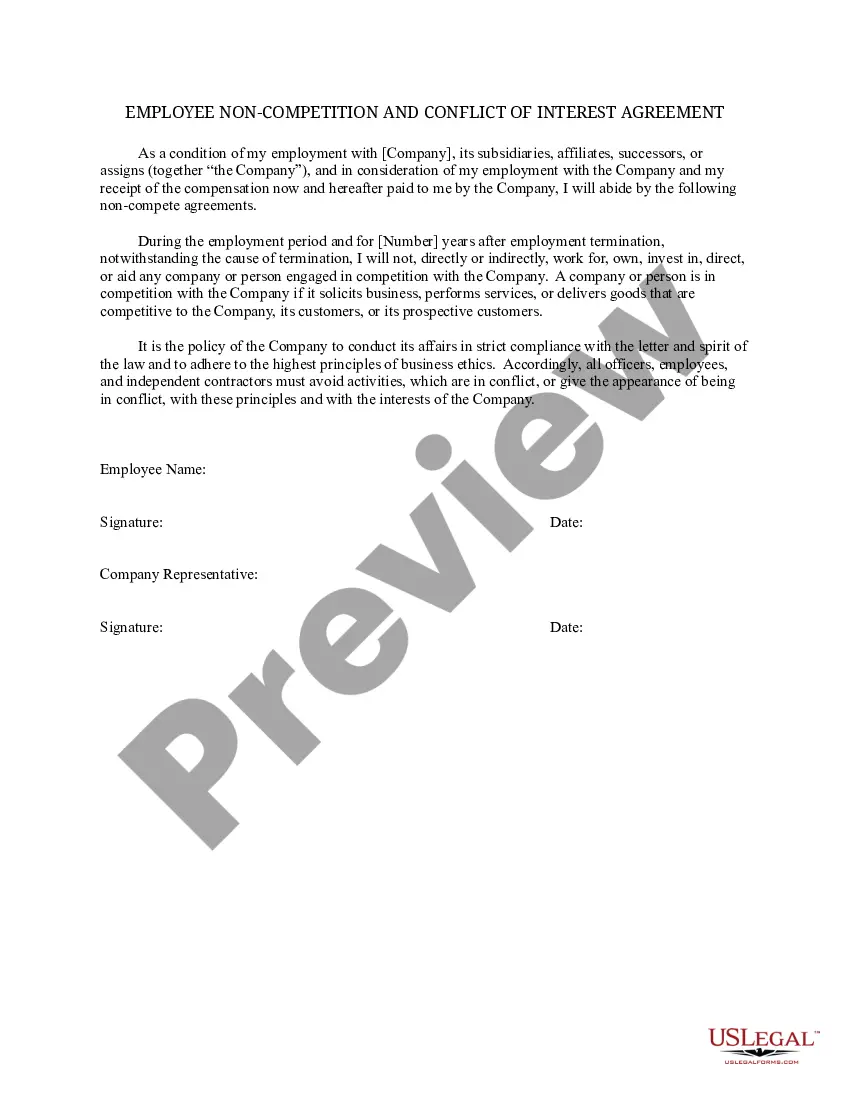
Get your form ready online
Our built-in tools help you complete, sign, share, and store your documents in one place.
Make edits, fill in missing information, and update formatting in US Legal Forms—just like you would in MS Word.
Download a copy, print it, send it by email, or mail it via USPS—whatever works best for your next step.
Sign and collect signatures with our SignNow integration. Send to multiple recipients, set reminders, and more. Go Premium to unlock E-Sign.
If this form requires notarization, complete it online through a secure video call—no need to meet a notary in person or wait for an appointment.
We protect your documents and personal data by following strict security and privacy standards.

Make edits, fill in missing information, and update formatting in US Legal Forms—just like you would in MS Word.

Download a copy, print it, send it by email, or mail it via USPS—whatever works best for your next step.

Sign and collect signatures with our SignNow integration. Send to multiple recipients, set reminders, and more. Go Premium to unlock E-Sign.

If this form requires notarization, complete it online through a secure video call—no need to meet a notary in person or wait for an appointment.

We protect your documents and personal data by following strict security and privacy standards.
Looking for another form?









Form popularity
FAQ
What are the remedies? Remedies for unfair competition in California can include: Recovery of the plaintiff's actual economic damages; and/or. Court orders for injunctive relief or equitable relief to prohibit unfair practices.
In Florida, unfair competition refers to any business conduct contrary to the ethical practice of commercial matters. It can include interference with business relations, misappropriation of trade secrets, and trademark infringement. In addition, Florida law allows for causes of action arising from unfair competition.
What are the remedies? Remedies for unfair competition in California can include: Recovery of the plaintiff's actual economic damages; and/or. Court orders for injunctive relief or equitable relief to prohibit unfair practices.
Two common examples of unfair competition are trademark infringement and misappropriation. The right to publicity is often invoked in misappropriation issues. Other practices that fall into the area of unfair competition include: False advertising.
The law describes “unfair competition” as any unlawful, unfair, or fraudulent business act or practice, or false, deceptive, or misleading advertising. To pursue lawsuits under California's unfair competition law, a consumer or business must prove suffering and financial or property losses due to an unfair practice.
The court may order a person who intentionally or negligently has committed an act of unfair competition and thereby injured the business reputation of another person to take measures, upon the request of the person whose business reputation has been so injured, necessary for the recovery of the business reputation of ...
To pursue lawsuits under California's unfair competition law, a consumer or business must prove suffering and financial or property losses due to an unfair practice. A plaintiff can take legal action within four years of discovering an illegal practice.
If a plaintiff wins their case under the Lanham Act, they can receive monetary damages, which can include: Lost profits, Reasonable royalties, Funds to issue “corrective advertising,” meant to re-educate the public as to the correct source of goods or services affected by the unfair competition.
To file a complaint of discrimination with the U.S. Equal Employment Opportunity Commission (EEOC) instead of the Florida Commission on Human Relations, call 1-800-669-4000.
To file a formal consumer complaint, complete the below affidavit and save a copy of your completed affidavit for your records. You can print, sign, date and submit the affidavit by email (send as a pdf attachment to consumer@miamidade), fax to 786-469-2303 or mail to the address at the top of the affidavit.
