Competition Non Competition With Minimal Apparel In Maricopa
Description

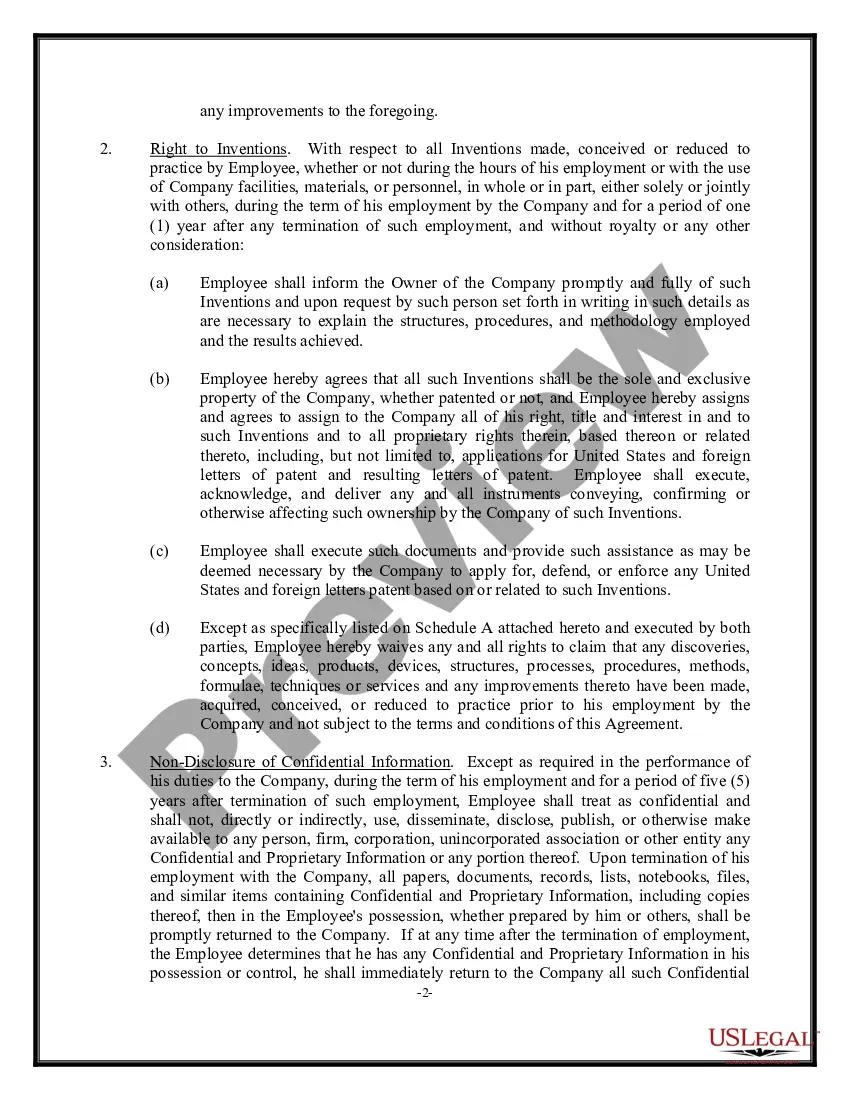
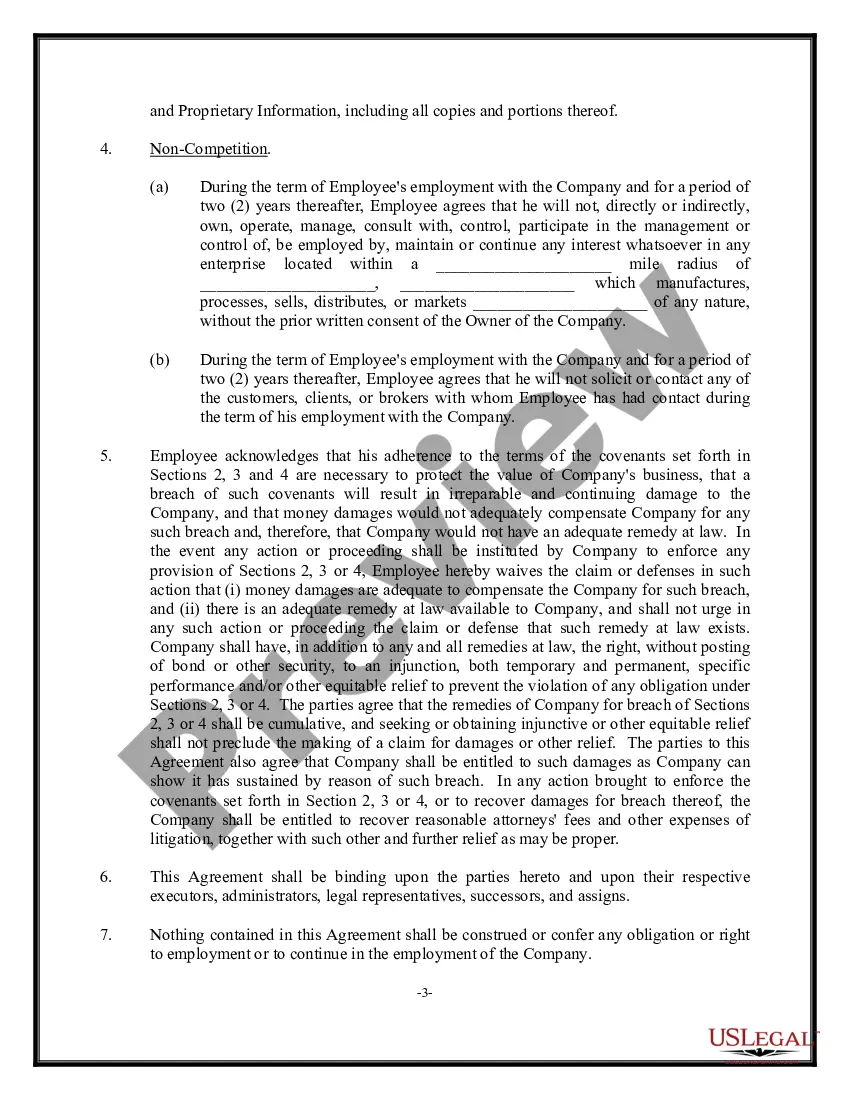
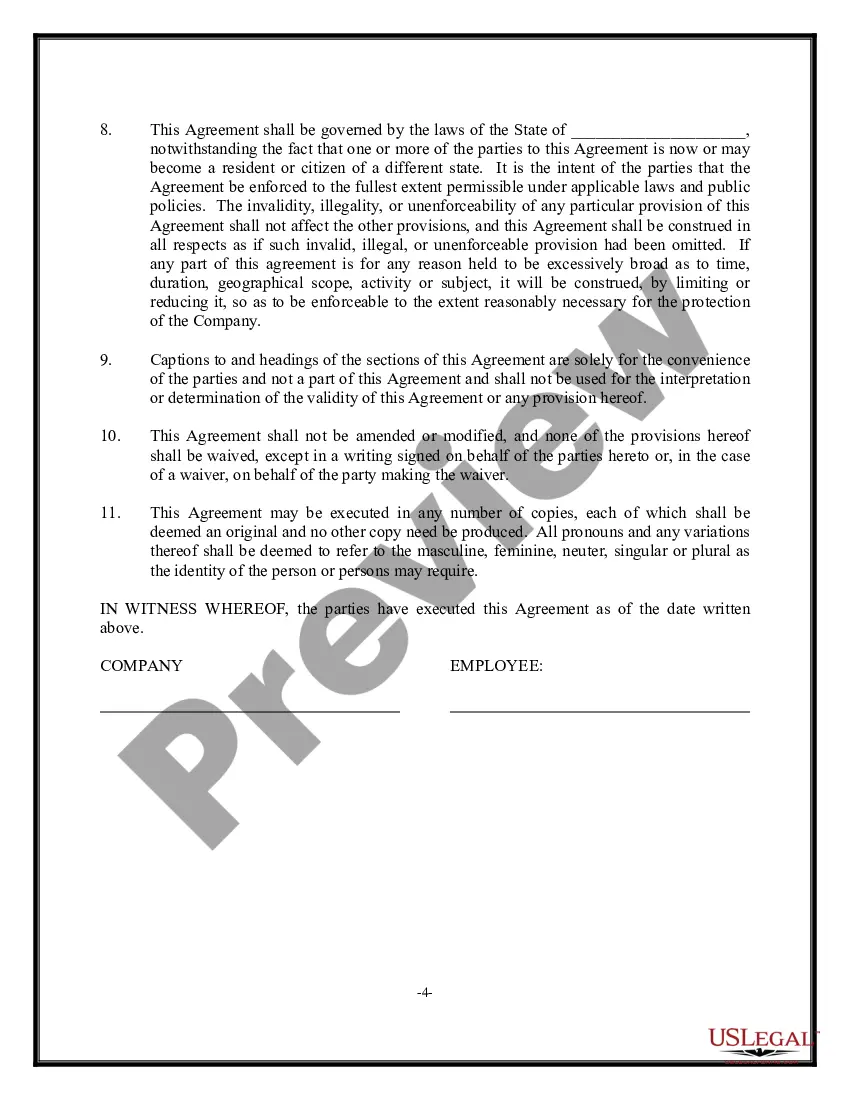
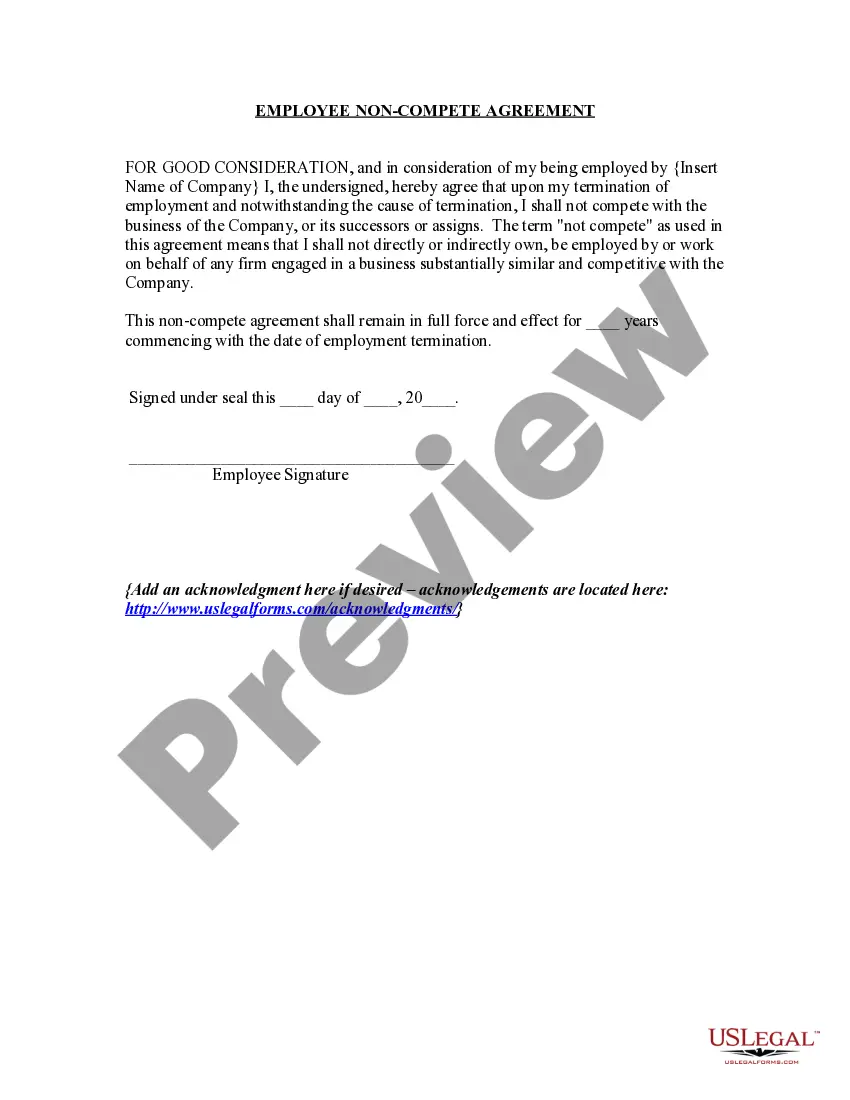
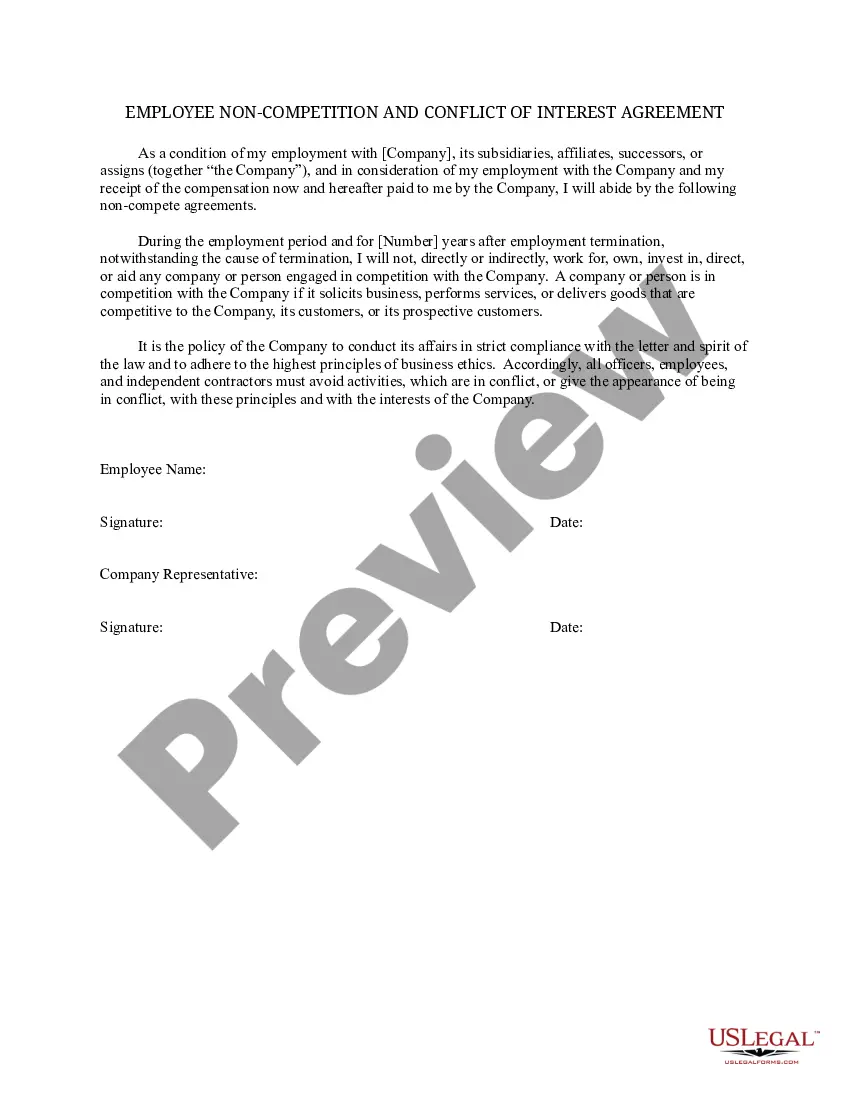
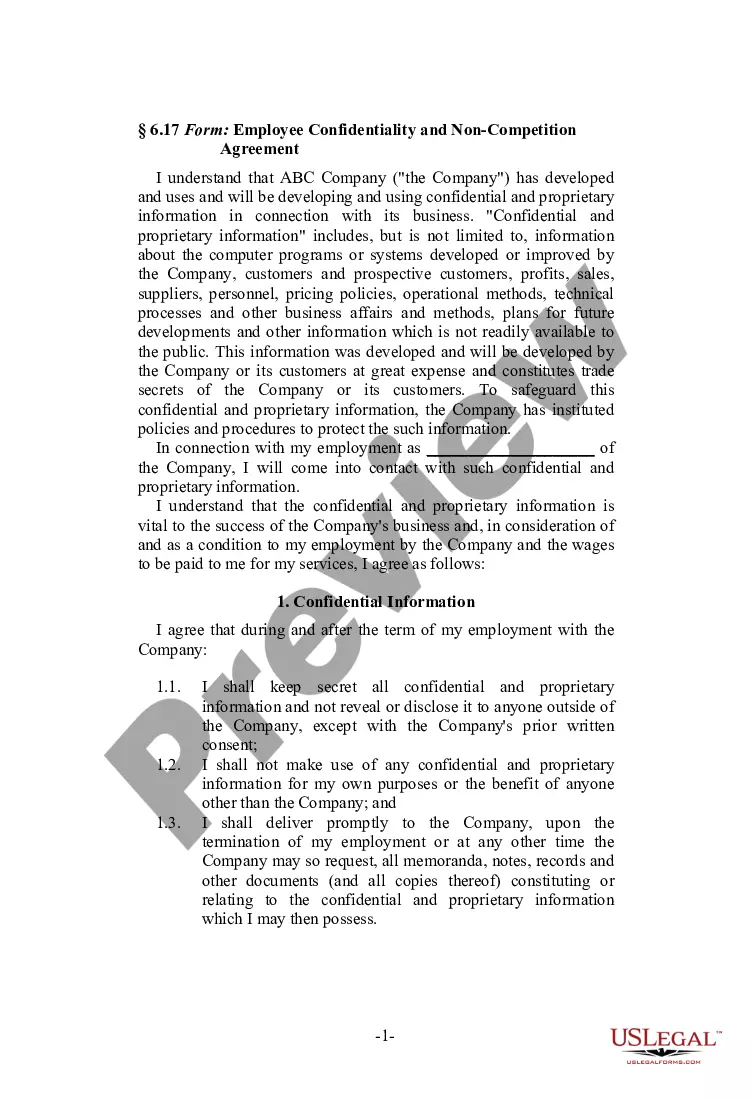
Get your form ready online
Our built-in tools help you complete, sign, share, and store your documents in one place.
Make edits, fill in missing information, and update formatting in US Legal Forms—just like you would in MS Word.
Download a copy, print it, send it by email, or mail it via USPS—whatever works best for your next step.
Sign and collect signatures with our SignNow integration. Send to multiple recipients, set reminders, and more. Go Premium to unlock E-Sign.
If this form requires notarization, complete it online through a secure video call—no need to meet a notary in person or wait for an appointment.
We protect your documents and personal data by following strict security and privacy standards.

Make edits, fill in missing information, and update formatting in US Legal Forms—just like you would in MS Word.

Download a copy, print it, send it by email, or mail it via USPS—whatever works best for your next step.

Sign and collect signatures with our SignNow integration. Send to multiple recipients, set reminders, and more. Go Premium to unlock E-Sign.

If this form requires notarization, complete it online through a secure video call—no need to meet a notary in person or wait for an appointment.

We protect your documents and personal data by following strict security and privacy standards.
Looking for another form?








Form popularity
FAQ
If the restriction on the employee is for an unusually long period of time, there's going to be a problem. One to two years is typically reasonable, while three to five years is unlikely to be upheld by a court.
Courts also tend to frown upon non-compete agreements that don't allow an employee to leave the region or state and continue to work, A non-compete agreement is unenforceable, if the geographic scope of the restriction is far too broad.
Several factors can void or limit the enforceability of a non-compete agreement, including overly broad restrictions, unreasonable time frames or geographical limits, lack of consideration (such as compensation or job opportunities provided in exchange for the agreement), and violation of public policy.
Noncompete agreements in Arizona are perfectly legal and will be enforced when they meet certain conditions. Arizona courts will uphold reasonable noncompete agreements that don't restrict employees for too long or from too far away.
The very basic requirements are that the non-compete must (1) be in writing; (2) be part of an employment contract; (3) be based on valuable consideration; (4) be reasonable in scope of time and of territory; (5) not be against public policy.
Some states (California and a few others) have made non-competes void by statute, but even in states that have not passed anti-non-compete laws, courts have been trending toward avoiding enforcement of these provisions (in favor of the employee) for years.
Several factors can void or limit the enforceability of a non-compete agreement, including overly broad restrictions, unreasonable time frames or geographical limits, lack of consideration (such as compensation or job opportunities provided in exchange for the agreement), and violation of public policy.
Non-compete agreements are unenforceable in California except under very narrow circumstances. Non-compete agreements signed in other states are unenforceable in California.
Non-compete agreements can be enforced in Arizona as long as they meet the proper requirements. For a non-compete agreement to be valid in Arizona, it must align with the following criteria: It must be reasonably limited in time. It must have a reasonable geographic scope.
Working for a competitor company or competing individual. Starting a company that offers the same products or services. Developing competing products or providing competing services.
