Competition Noncompetition For Students In King
Description

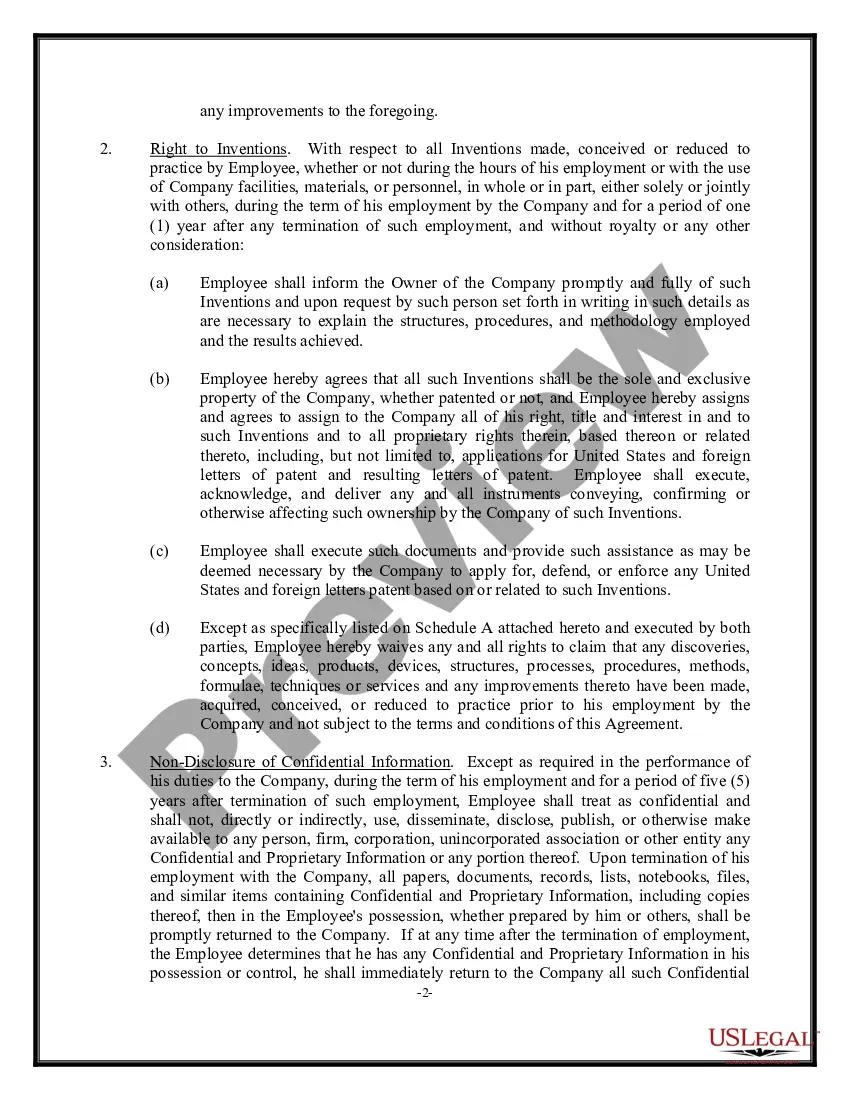
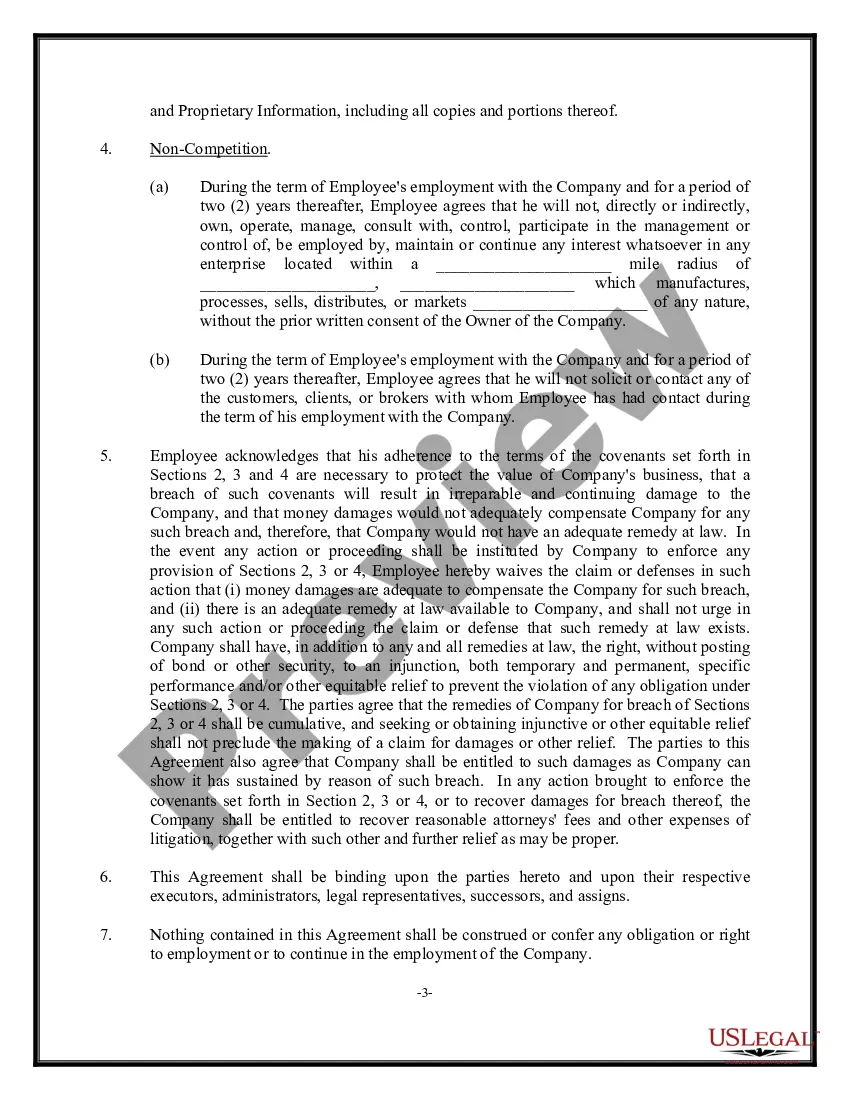
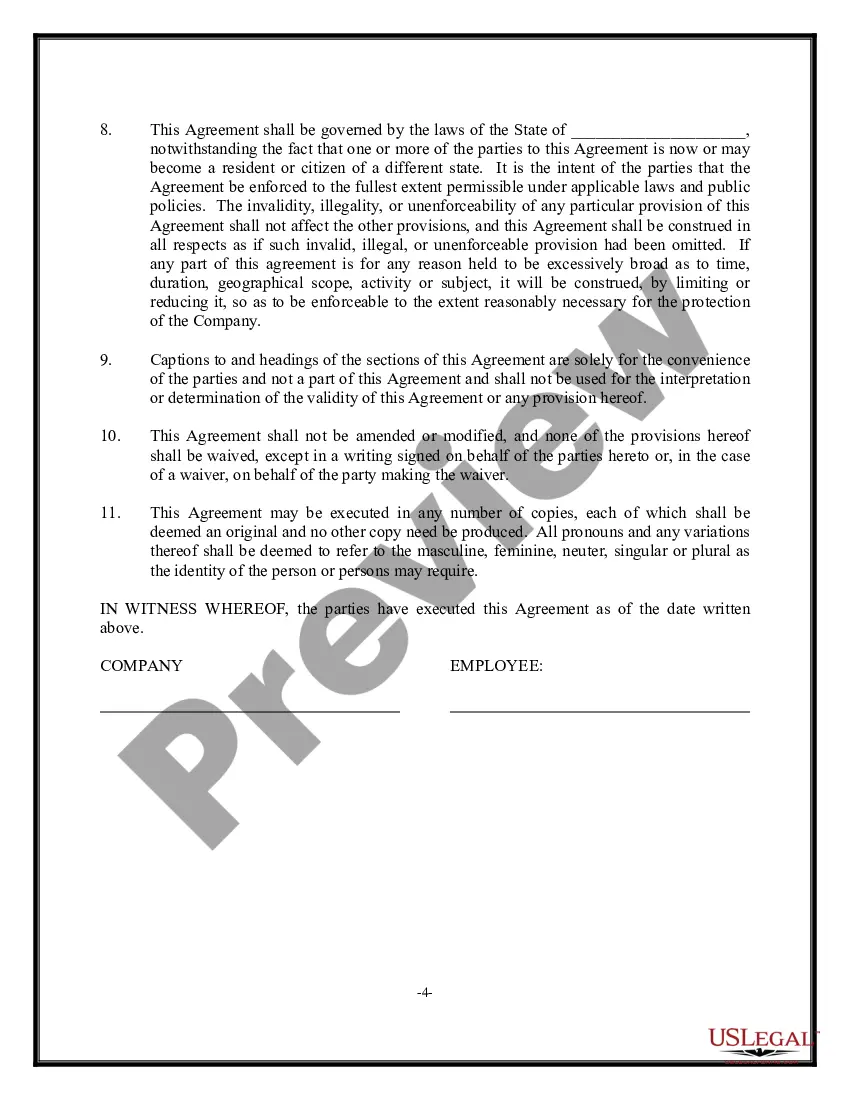
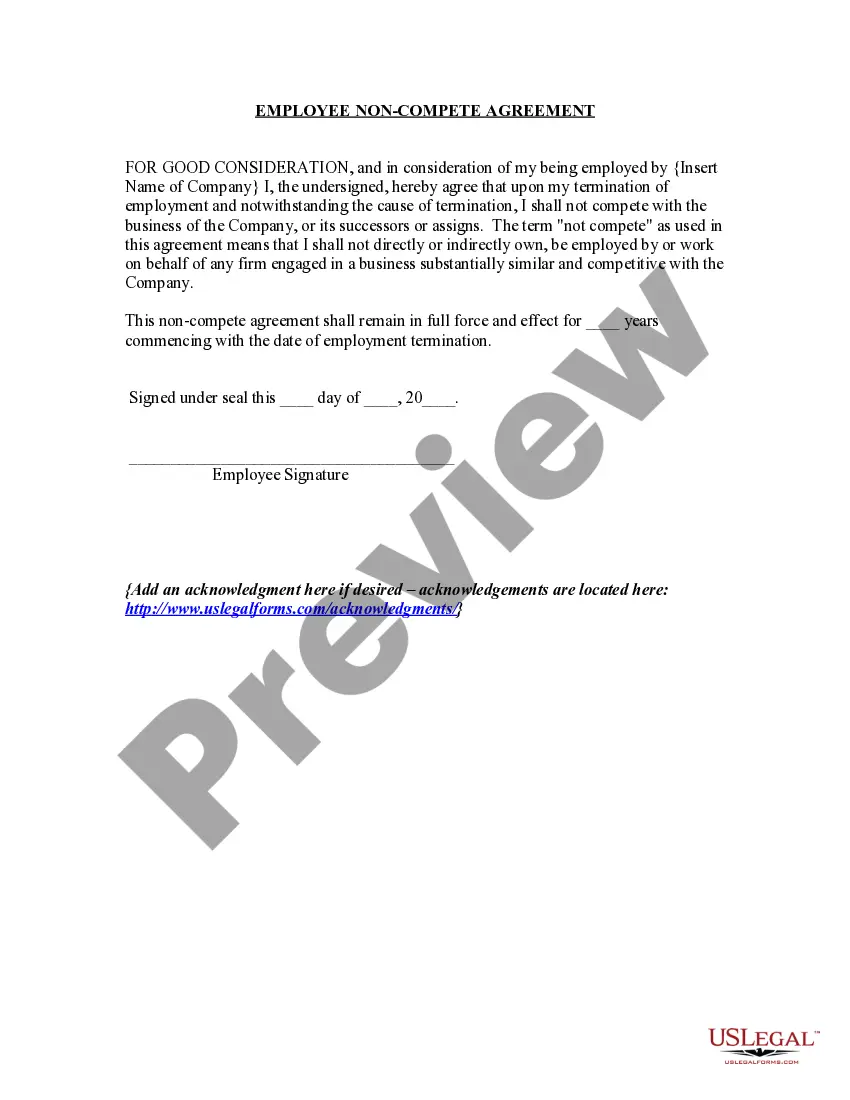
Get your form ready online
Our built-in tools help you complete, sign, share, and store your documents in one place.
Make edits, fill in missing information, and update formatting in US Legal Forms—just like you would in MS Word.
Download a copy, print it, send it by email, or mail it via USPS—whatever works best for your next step.
Sign and collect signatures with our SignNow integration. Send to multiple recipients, set reminders, and more. Go Premium to unlock E-Sign.
If this form requires notarization, complete it online through a secure video call—no need to meet a notary in person or wait for an appointment.
We protect your documents and personal data by following strict security and privacy standards.

Make edits, fill in missing information, and update formatting in US Legal Forms—just like you would in MS Word.

Download a copy, print it, send it by email, or mail it via USPS—whatever works best for your next step.

Sign and collect signatures with our SignNow integration. Send to multiple recipients, set reminders, and more. Go Premium to unlock E-Sign.

If this form requires notarization, complete it online through a secure video call—no need to meet a notary in person or wait for an appointment.

We protect your documents and personal data by following strict security and privacy standards.
Looking for another form?




Form popularity
FAQ
If the restriction on the employee is for an unusually long period of time, there's going to be a problem. One to two years is typically reasonable, while three to five years is unlikely to be upheld by a court.
Employers do not need to notarize non-compete agreements. The dated signatures of a company representative, such as a manager or HR representative, and the employee are typically sufficient.
Reasonableness: Non-compete agreements must be reasonable in terms of their scope and duration. This means that the restrictions must be no broader than necessary to protect the legitimate business interests of the employer, such as protecting trade secrets, confidential information, and/or customer relationships.
As you can see, non-competes are not enforceable in California, although other states currently allow them. Instead, you can opt for a non-disclosure agreement, or hire employees who live and work in other states.
The following are the most common ways to get out of a non-compete agreement: Determine that the terms of the contract do not in fact prevent you from a desired course of action. Recognize when a non-compete contradicts the law. Negotiate a release agreement with the involved parties. Ignore the agreement.
Employers who enter into or attempt to enforce noncompetes are liable for damages and a penalty of up to $5,000 per employee. A partner must own more than 10 percent of a business to qualify for the sale of a business exemption to California's noncompete ban.
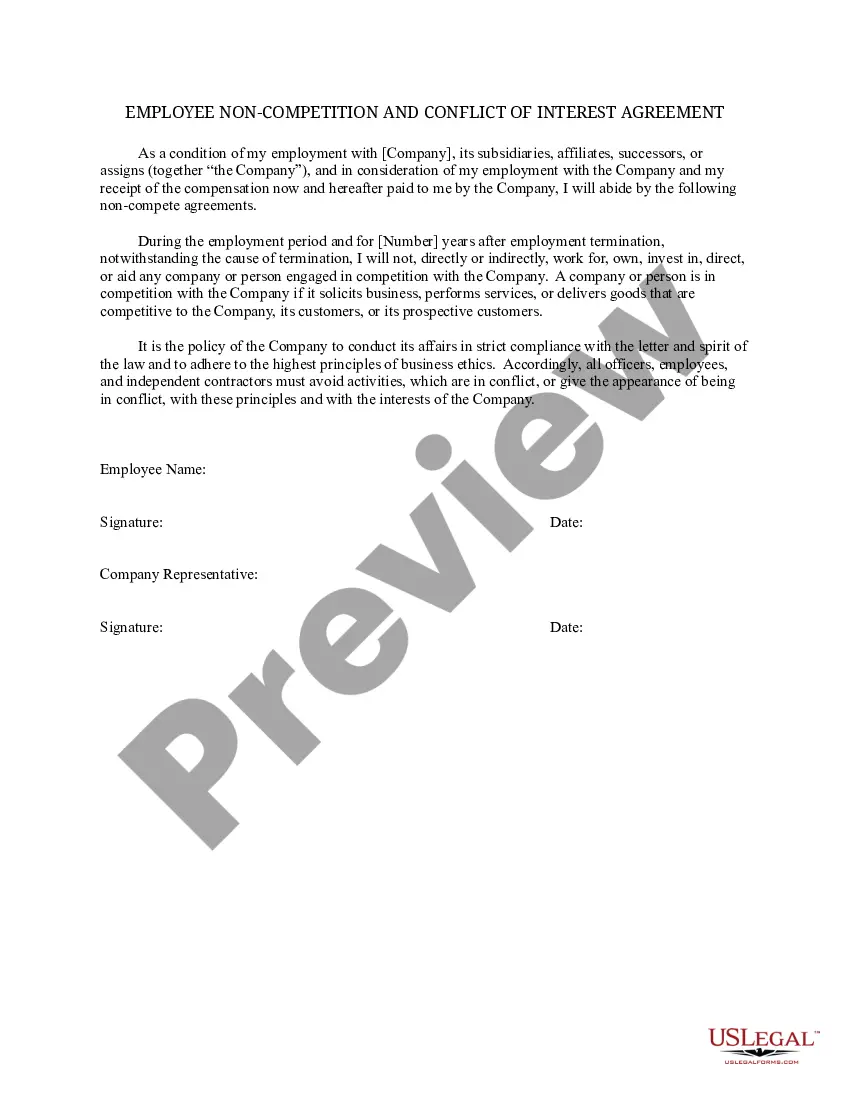
Considerations for creating a non-compete agreement Check state laws. Each state has different laws and regulations regarding non-compete agreements, and in some states, non-compete agreements may be prohibited entirely. Define the duration. Consider using specific and relevant parameters. Provide a section for signatures.
Describe the terms of the Non-Compete Agreement, such as the length and area of the restriction. If necessary, you can include a non-solicitation clause. Create any additional clauses you want to add. Have the agreement signed by both parties.
Here are a few examples of non-compete agreements in practice: Non-compete in tech industry: A software engineer signs a non-compete agreement with their employer, prohibiting them from working for a direct competitor for a period of one year after leaving the company.
