Competition Noncompetition For 2023 In Georgia
Description

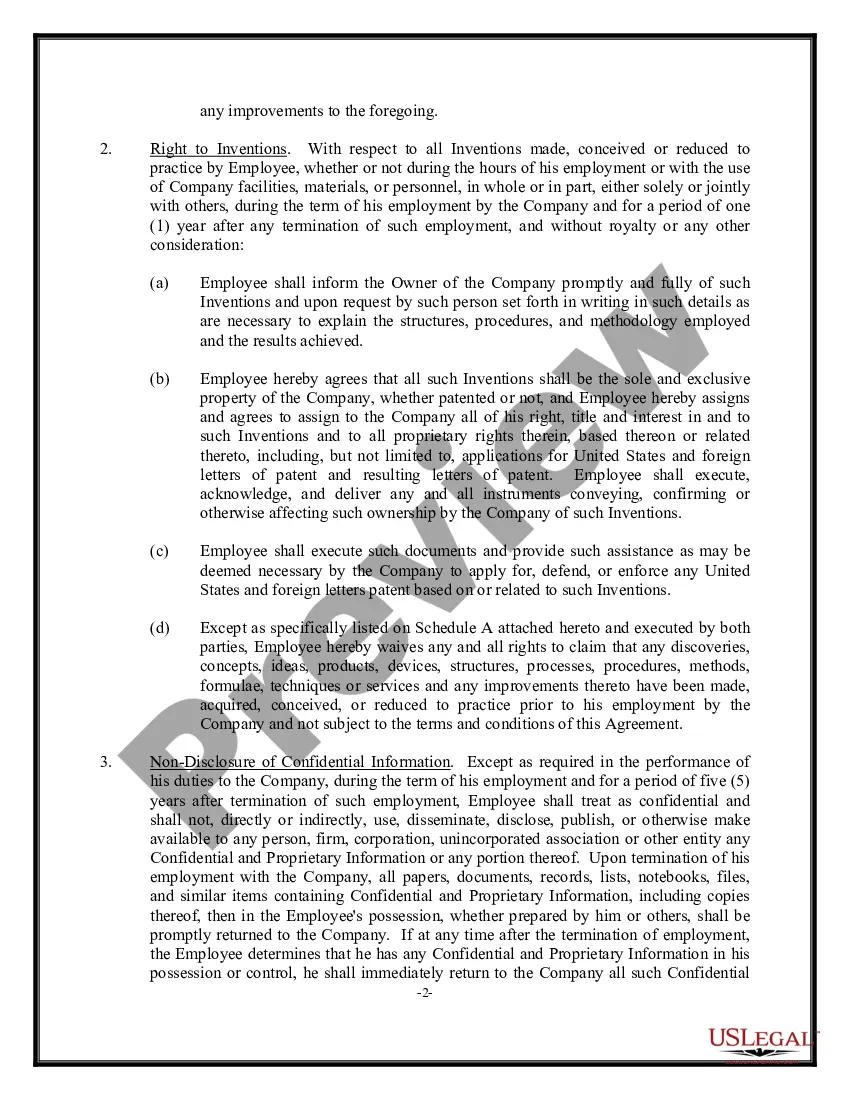
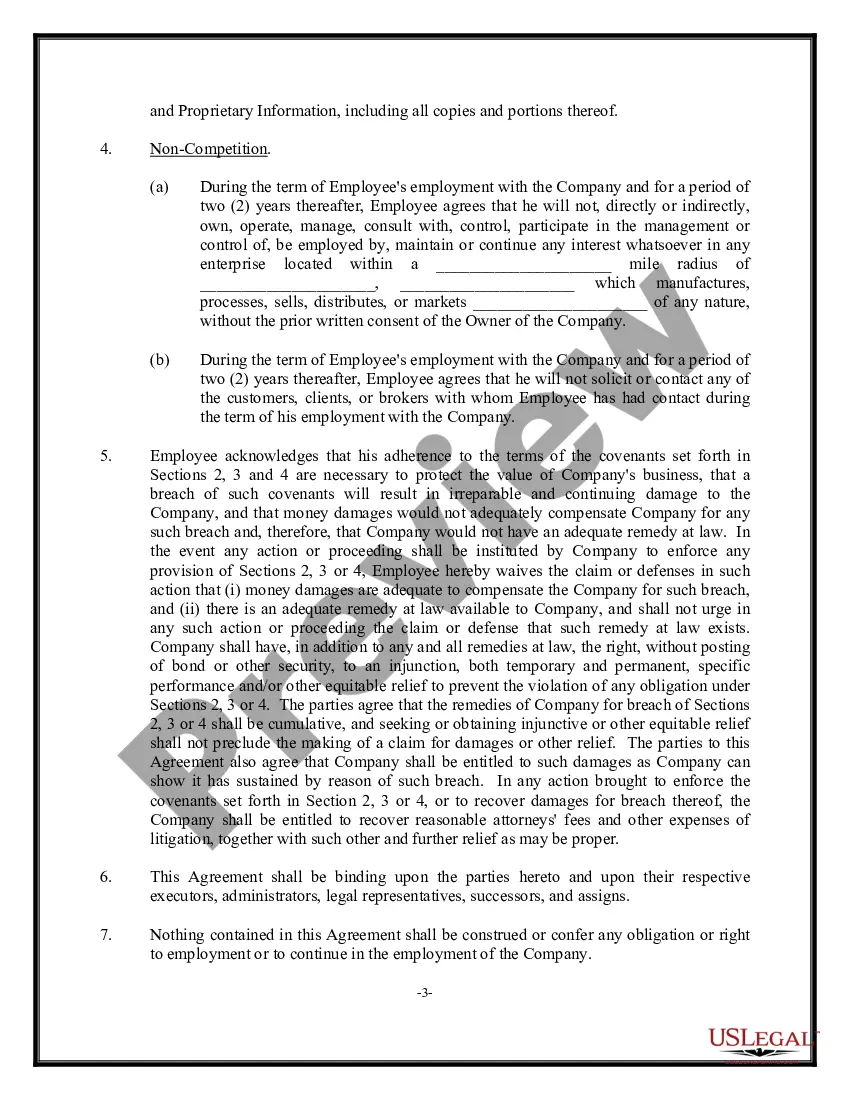
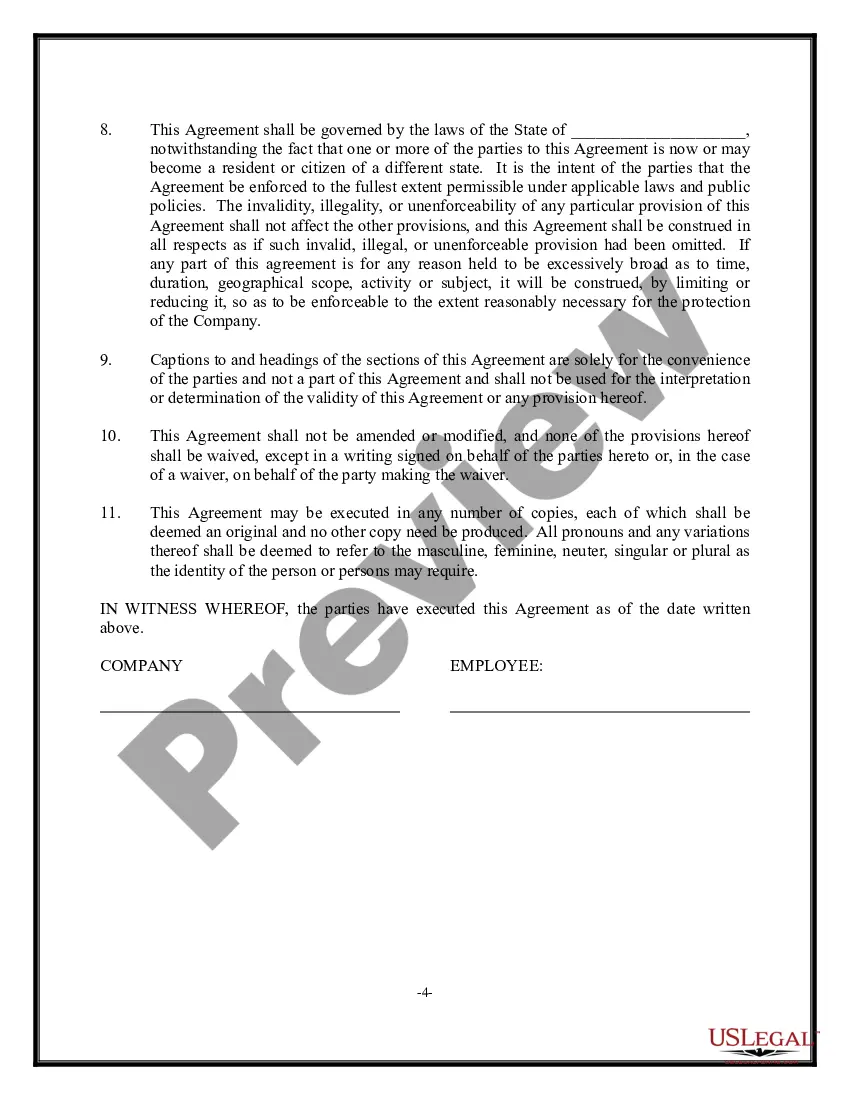
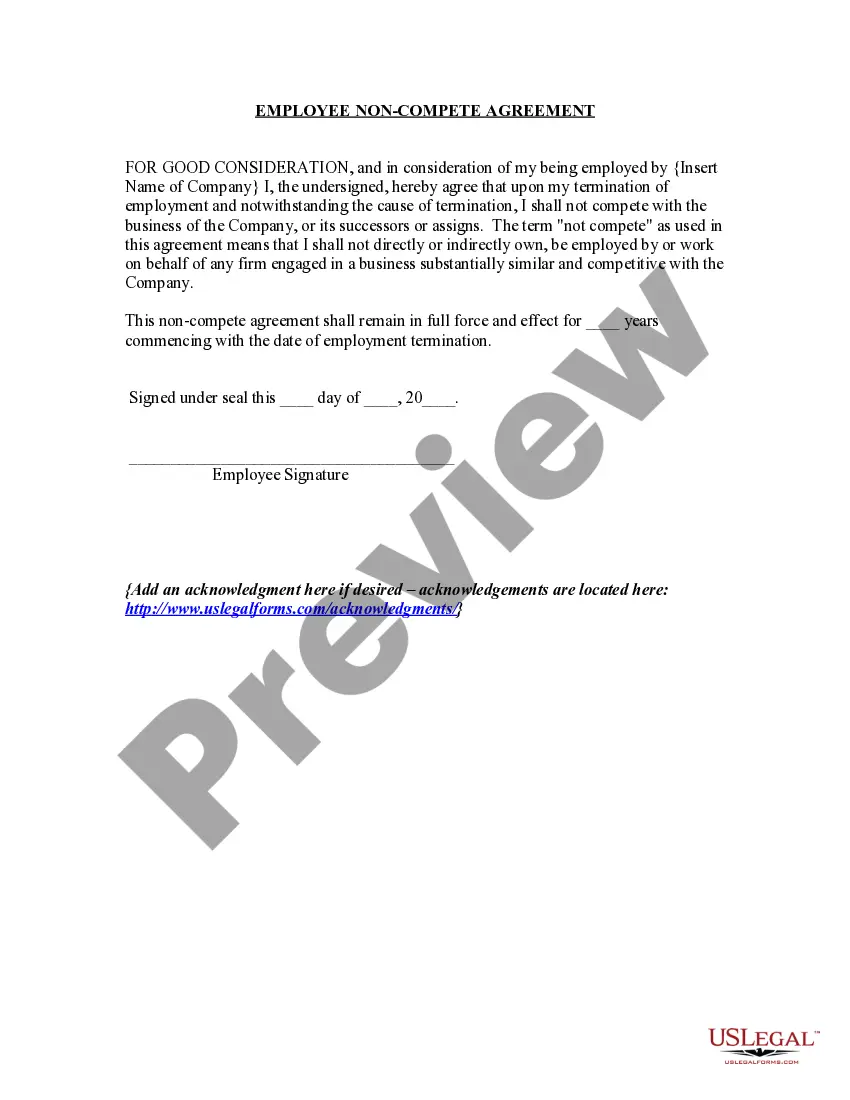
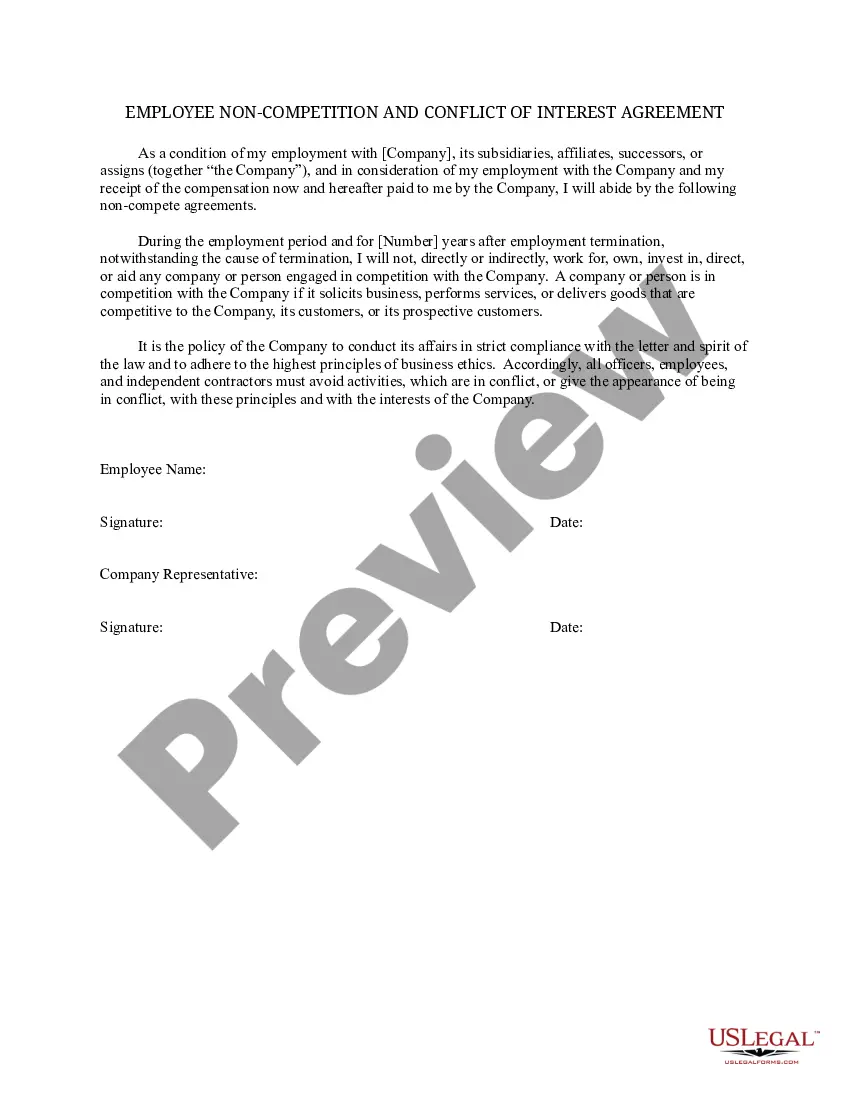
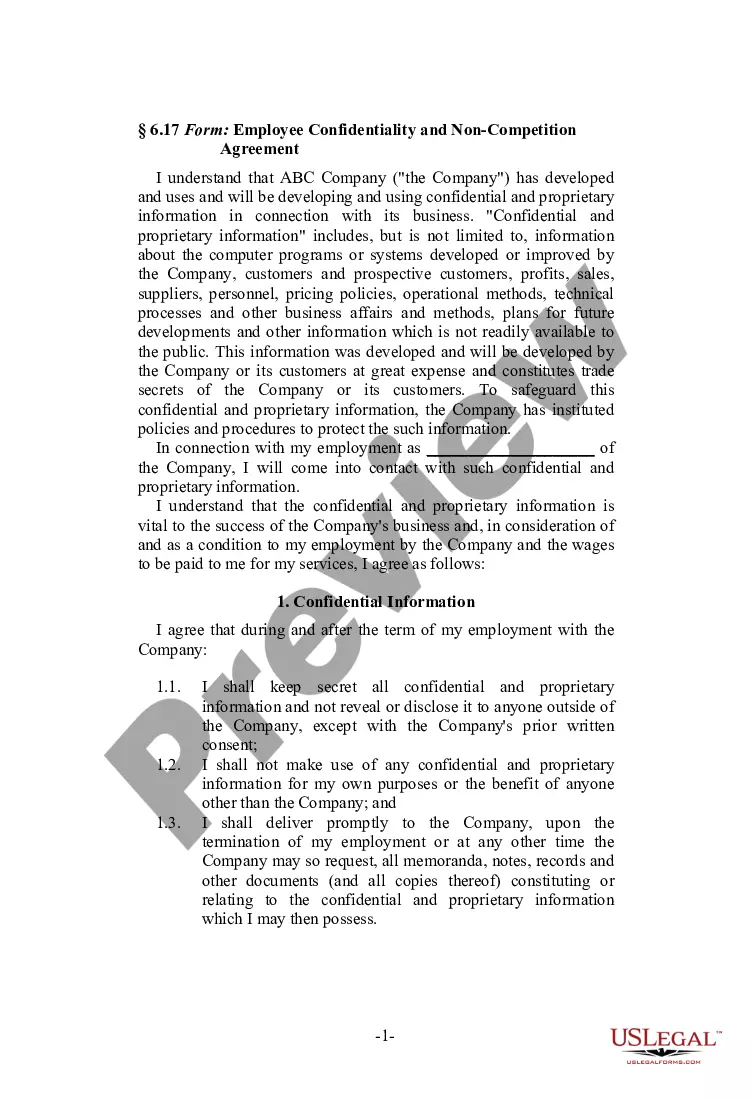
Get your form ready online
Our built-in tools help you complete, sign, share, and store your documents in one place.
Make edits, fill in missing information, and update formatting in US Legal Forms—just like you would in MS Word.
Download a copy, print it, send it by email, or mail it via USPS—whatever works best for your next step.
Sign and collect signatures with our SignNow integration. Send to multiple recipients, set reminders, and more. Go Premium to unlock E-Sign.
If this form requires notarization, complete it online through a secure video call—no need to meet a notary in person or wait for an appointment.
We protect your documents and personal data by following strict security and privacy standards.

Make edits, fill in missing information, and update formatting in US Legal Forms—just like you would in MS Word.

Download a copy, print it, send it by email, or mail it via USPS—whatever works best for your next step.

Sign and collect signatures with our SignNow integration. Send to multiple recipients, set reminders, and more. Go Premium to unlock E-Sign.

If this form requires notarization, complete it online through a secure video call—no need to meet a notary in person or wait for an appointment.

We protect your documents and personal data by following strict security and privacy standards.
Looking for another form?







Form popularity
FAQ
US FTC Rule Banning Non-Competes. On April 23, 2024, the U.S. Federal Trade Commission voted 3-2 to finalize and promulgate a rule banning most non-compete clauses in employer-employee contracts.
Non-solicitation of customers/clients, in which a departing employee cannot try to take a company's existing business or try to dissuade a customer from continuing to do business with the company.
Burbach (September 2023), the Court of Appeals determined that non-compete clauses that “do not list specific limits on the type of activity, and effectively bar former employees from working in any capacity for competitors” are unreasonable and overbroad.
Q: Are non-compete agreements enforceable in Georgia even if signed after employment commences and/or without any additional consideration? A: Yes, continued employment is generally considered sufficient consideration for a non-compete in Georgia.
How To Legally Get Out of a Non-Compete Agreement Get a New Job That Doesn't Involve Competitive Activities. Prove That Your Former Employer Breached the Contract. Argue That the Non-Compete Provision Isn't Enforceable. Show That Your Previous Employer Has No Legitimate Business Interests.
Non-Competitive Activity at New Employer: One of the most straightforward ways to overcome a noncompete is by ensuring that your new role with a different employer is in a non-competitive capacity. If you're not engaging in activities that directly compete with your former employer's business, you may be in the clear.
The Georgia Restrictive Covenants Act provides that these agreements are enforceable when they meet certain requirements, including reasonableness in geographic scope and the length of time they apply.
The GRCA's blue-penciling provision allows Georgia courts some discretion to modify a restrictive covenant to make it reasonable (and enforceable), but, as previously discussed, while courts have discretion to “blue pencil” (narrow/sever) restrictive covenants to bring them into compliance with Georgia law, a court may ...
