Competition Non Competition For Sale In Florida
Description

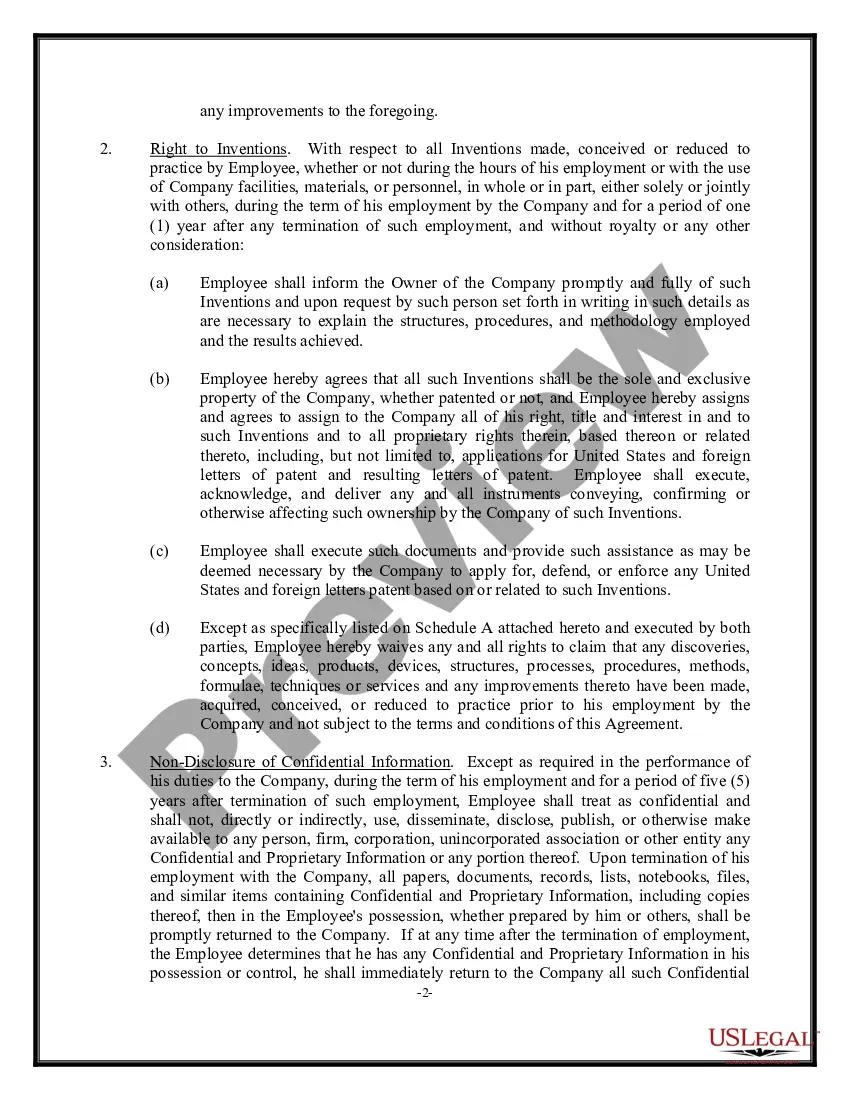
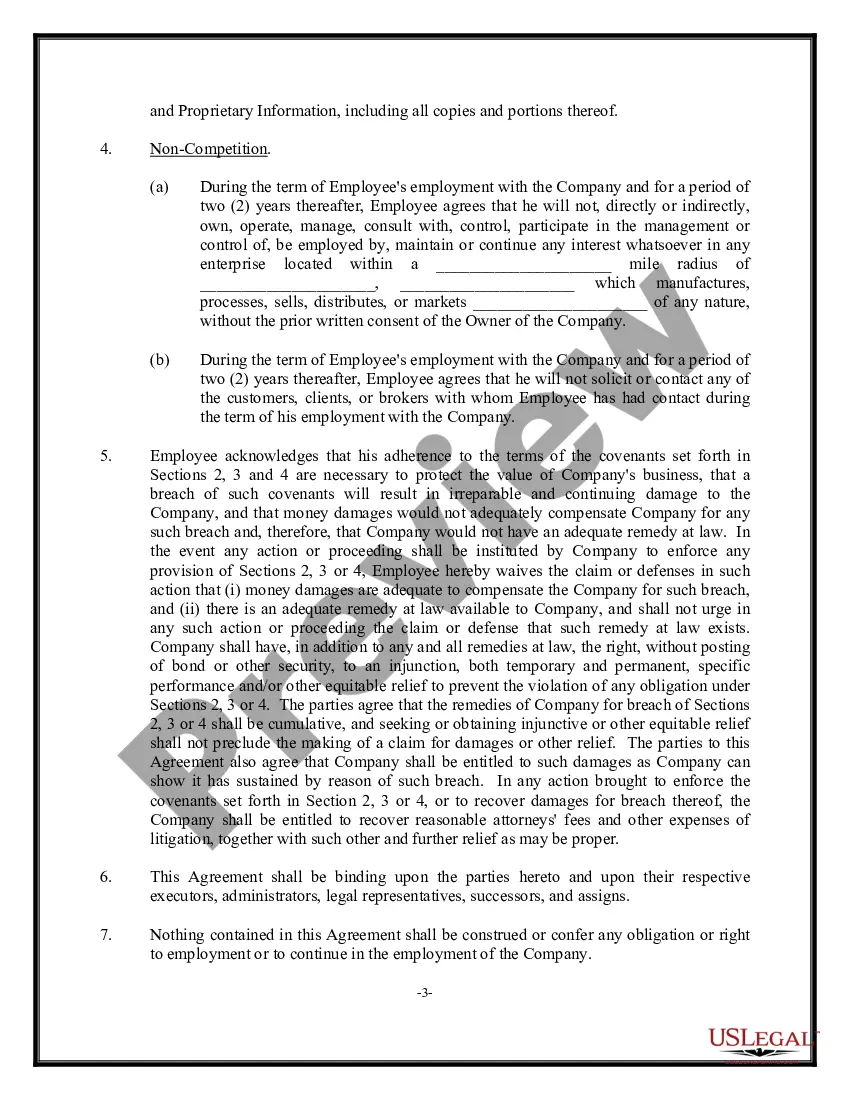
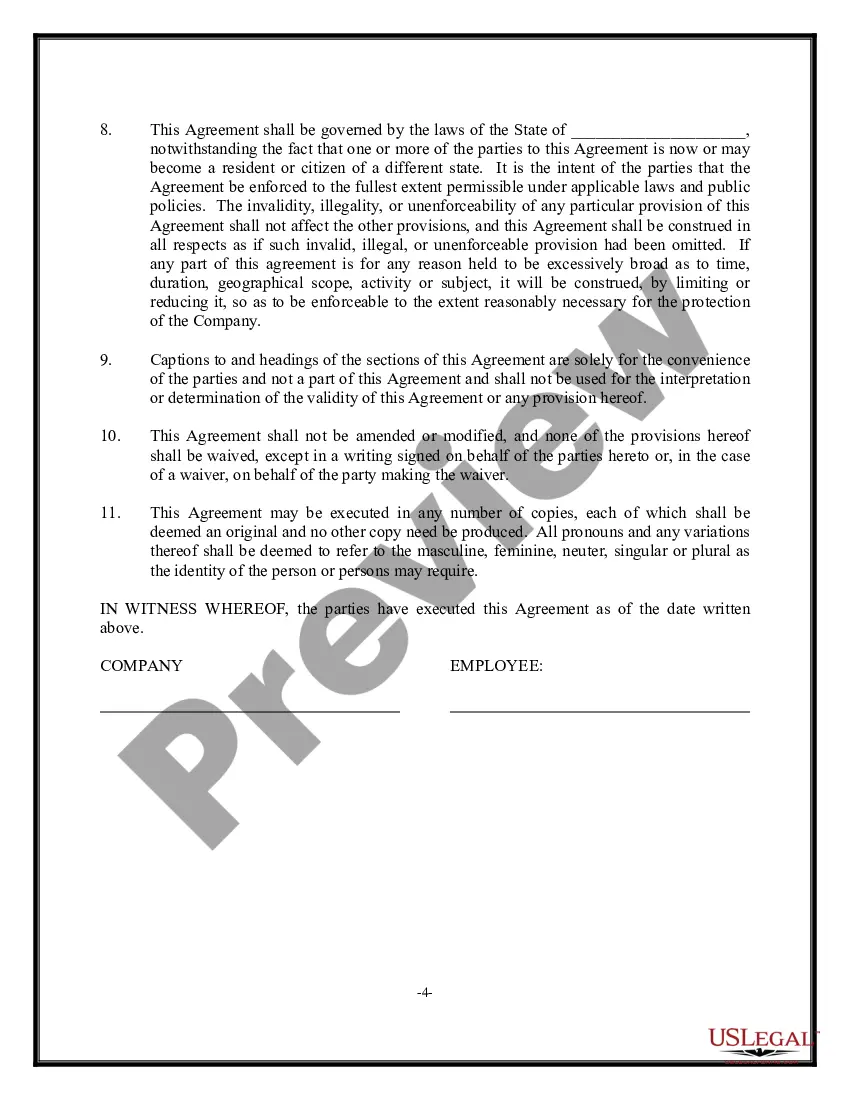
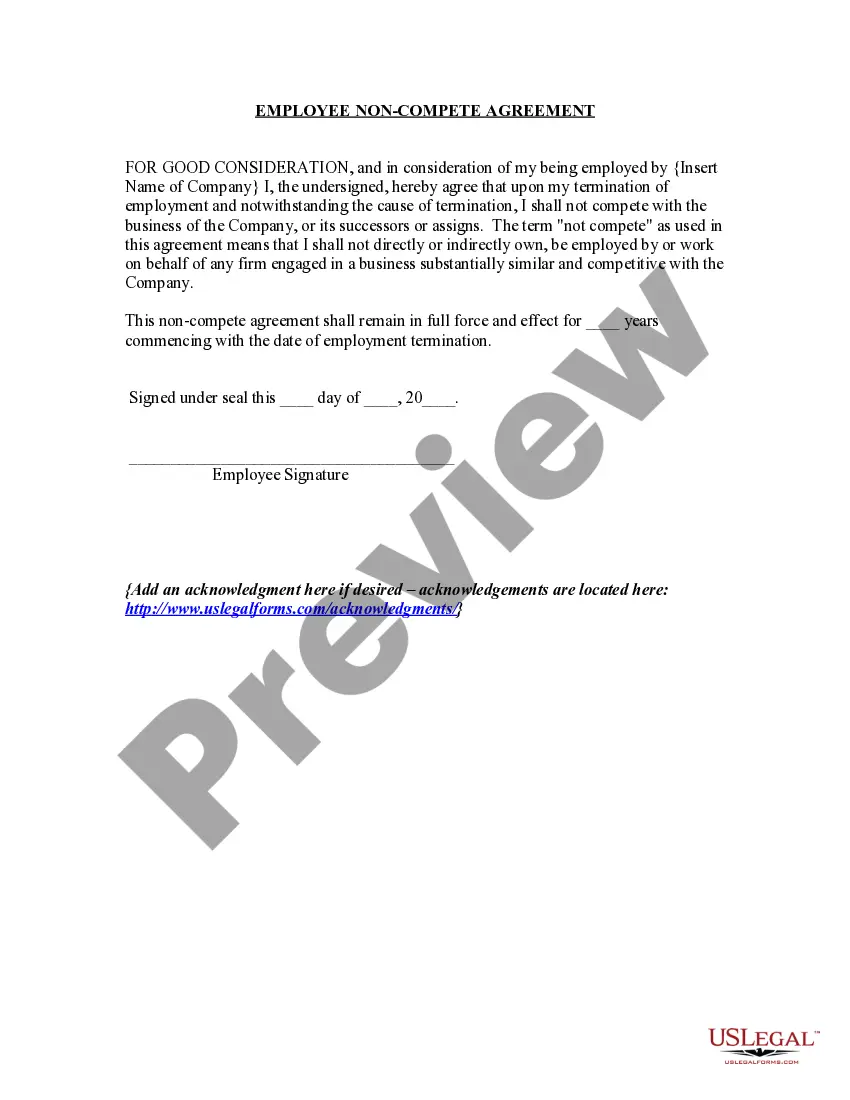
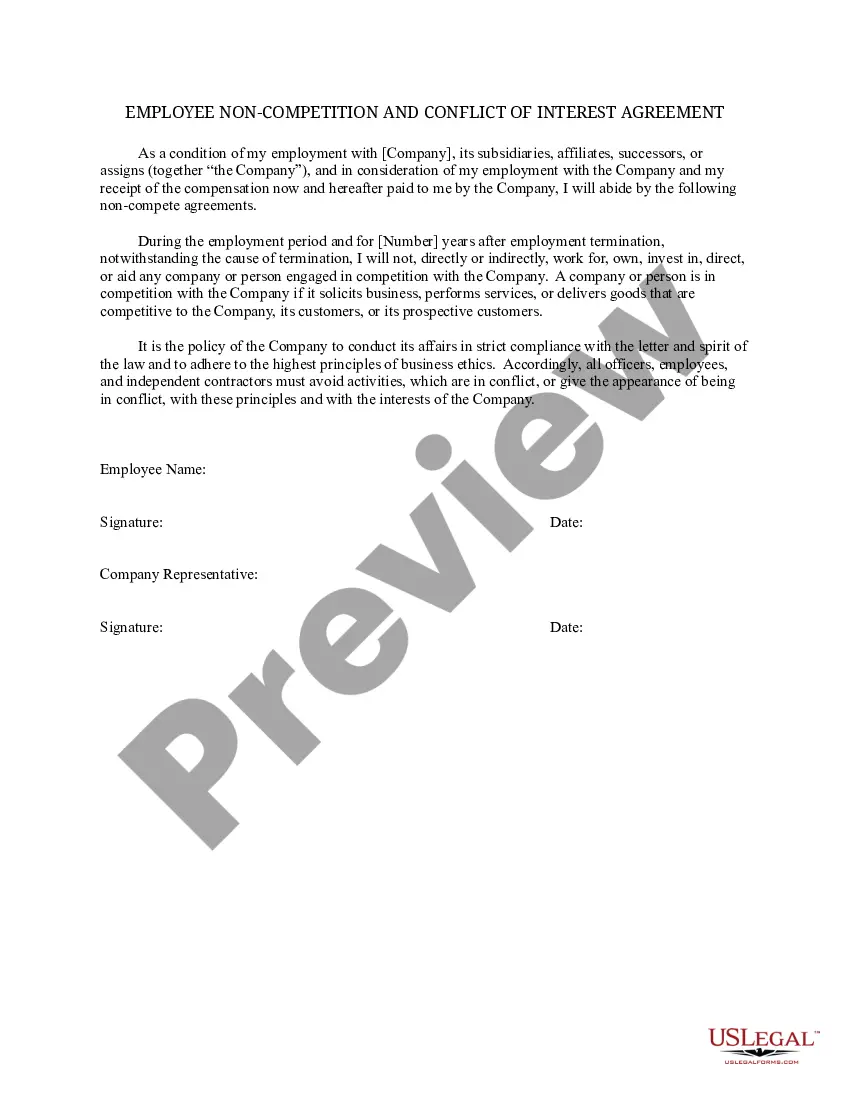
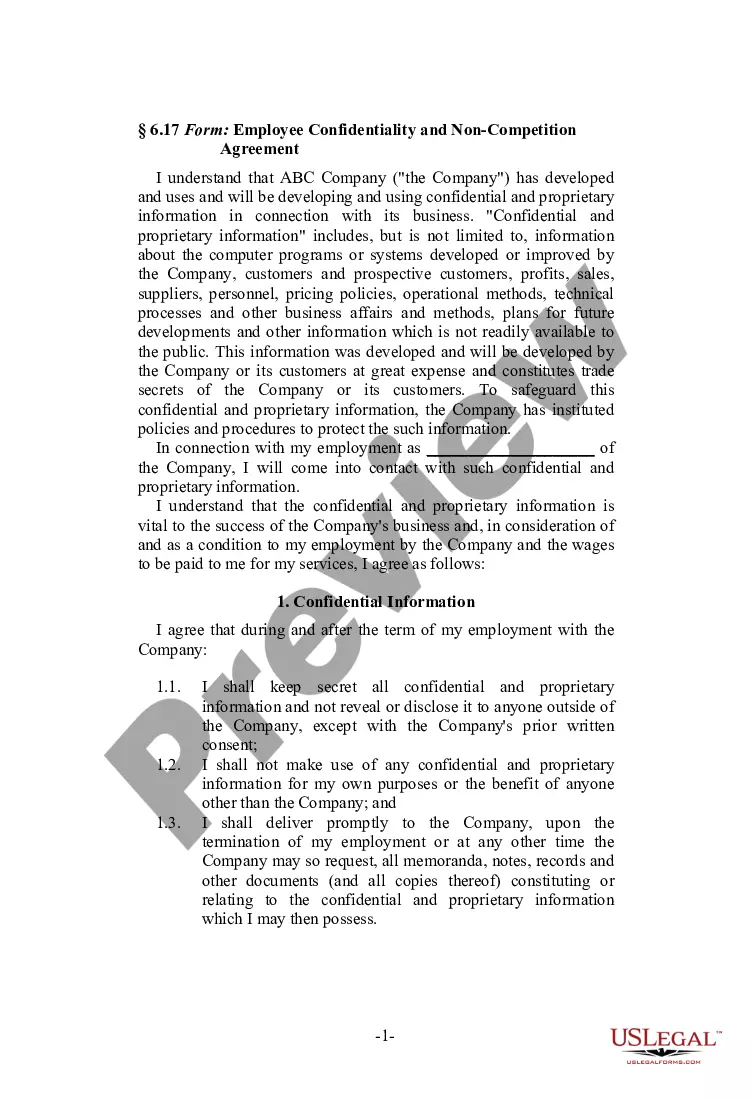
Get your form ready online
Our built-in tools help you complete, sign, share, and store your documents in one place.
Make edits, fill in missing information, and update formatting in US Legal Forms—just like you would in MS Word.
Download a copy, print it, send it by email, or mail it via USPS—whatever works best for your next step.
Sign and collect signatures with our SignNow integration. Send to multiple recipients, set reminders, and more. Go Premium to unlock E-Sign.
If this form requires notarization, complete it online through a secure video call—no need to meet a notary in person or wait for an appointment.
We protect your documents and personal data by following strict security and privacy standards.

Make edits, fill in missing information, and update formatting in US Legal Forms—just like you would in MS Word.

Download a copy, print it, send it by email, or mail it via USPS—whatever works best for your next step.

Sign and collect signatures with our SignNow integration. Send to multiple recipients, set reminders, and more. Go Premium to unlock E-Sign.

If this form requires notarization, complete it online through a secure video call—no need to meet a notary in person or wait for an appointment.

We protect your documents and personal data by following strict security and privacy standards.
Looking for another form?








Form popularity
FAQ
The General Rule in California: Covenants Not to Compete Are Not Enforceable. Any discussion of California law on non-compete agreements starts with the general principle. As the California Supreme Court ruled in its landmark decision on the topic, Edwards v. Arthur Andersen LLP, 44 Cal.
Are Non-Compete Agreements Enforceable in Florida? At the time of drafting this article, non-compete agreements are enforceable in Florida. The Federal Trade Commission (“FTC”) issued a rule in April 2024 providing that beginning on September 4, 2024, non-compete agreements would be unenforceable.
The Enforceability of Non-Compete Agreements in Florida In Florida, non-compete agreements are enforceable under Florida Statute 542.335, provided they are reasonable in terms of time, area, and line of business.
542.18 Restraint of trade or commerce. —Every contract, combination, or conspiracy in restraint of trade or commerce in this state is unlawful.
Non compete-agreements in Florida are allowed to protect specific legitimate business interests, which include: Trade secrets: confidential business information that gives a company a competitive edge. Customer relationships: protecting client lists and customer goodwill.
The clause cannot permanently ban an employee from doing business, and employers may only enforce it for a realistic amount of time. While there is no bright-line rule, courts in Florida generally find that a reasonable non-solicitation agreement lasts around six months to three years, depending on the circumstances.
Agreement is for too long a time period: For employees, a period of less than 6 months is presumed valid, and over 2 years is presumed invalid. In between, the employer will have to prove that the time period is reasonable. However, most courts will assume that agreements up to 2 years are reasonable.
How to Get Out of a Non-Compete Agreement in Florida Seek legal advice from an attorney. Review the agreement carefully. Evaluate the legitimacy of employer interests. Assess the reasonableness of the agreement. Negotiate with the employer. Challenge the enforceability in court.
What Voids a Non-Compete Agreement? First, a non-compete agreement must identify at least one legitimate business interest that you seek to protect; it won't be enforceable if a court finds that there is no legitimate interest sought to be protected.
