Unfair Competition With Examples In Broward
Description

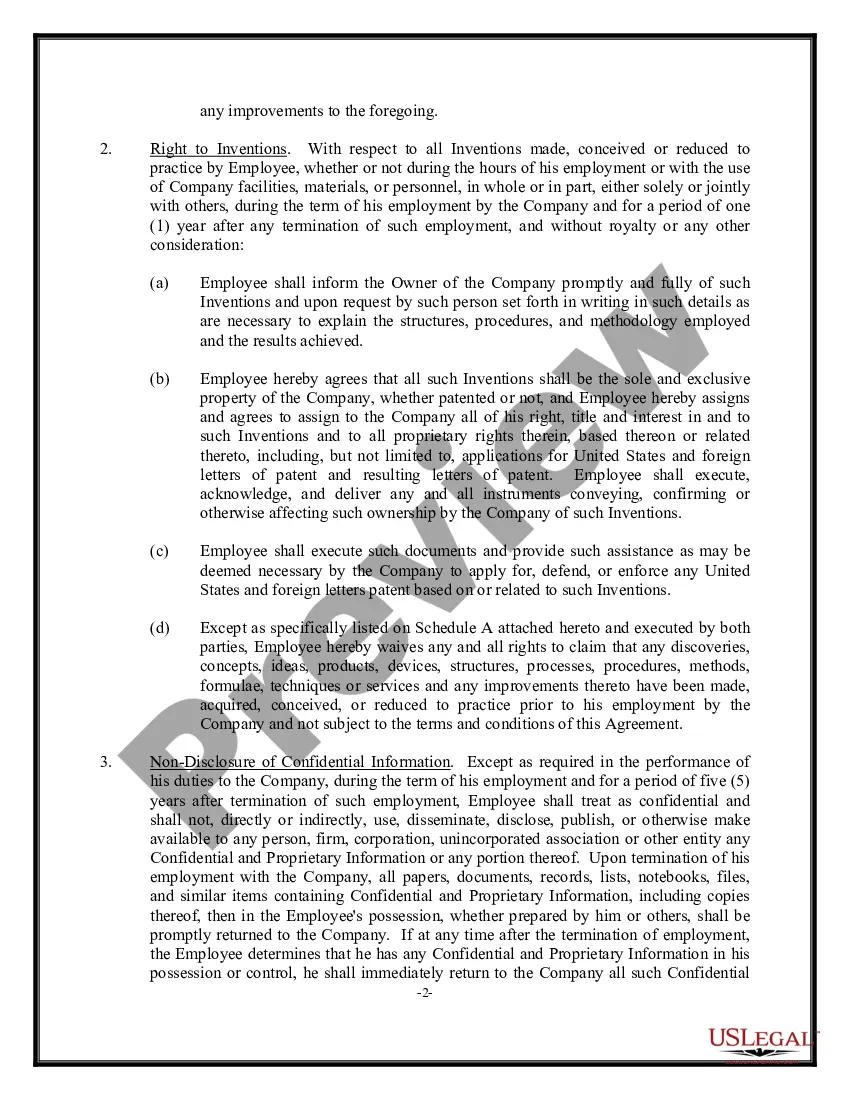
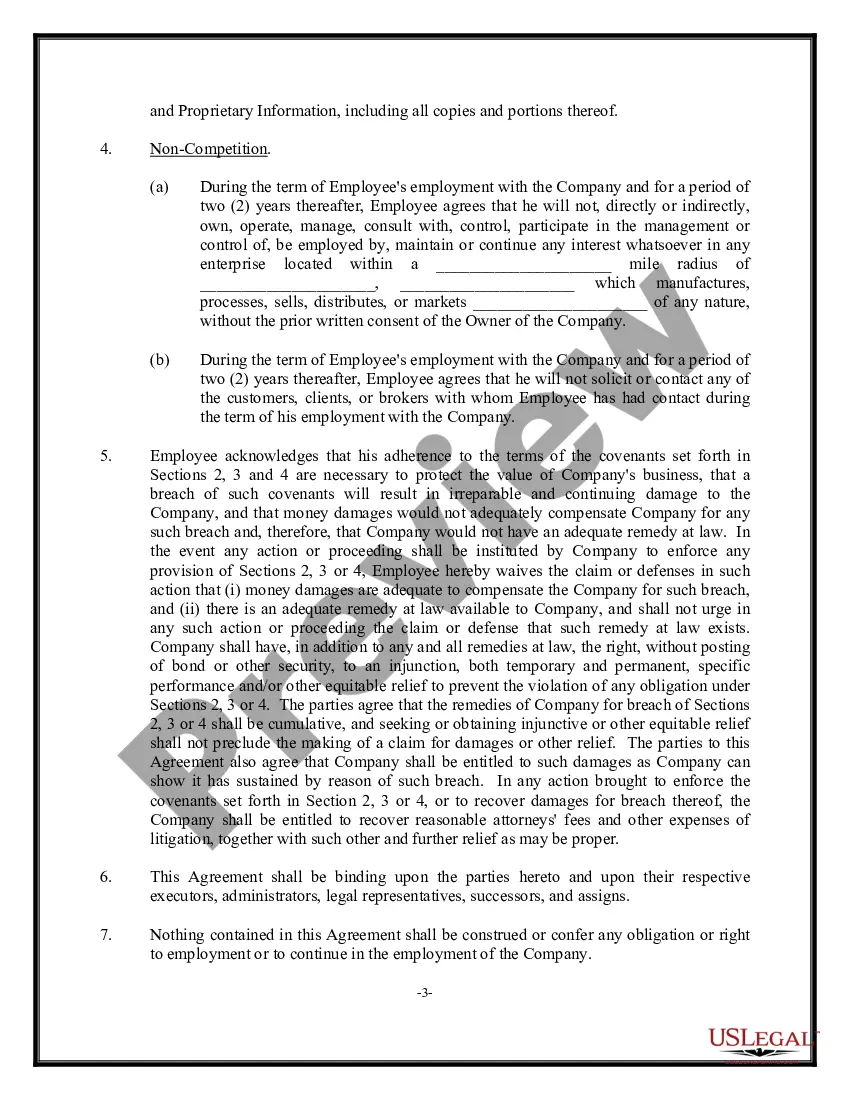
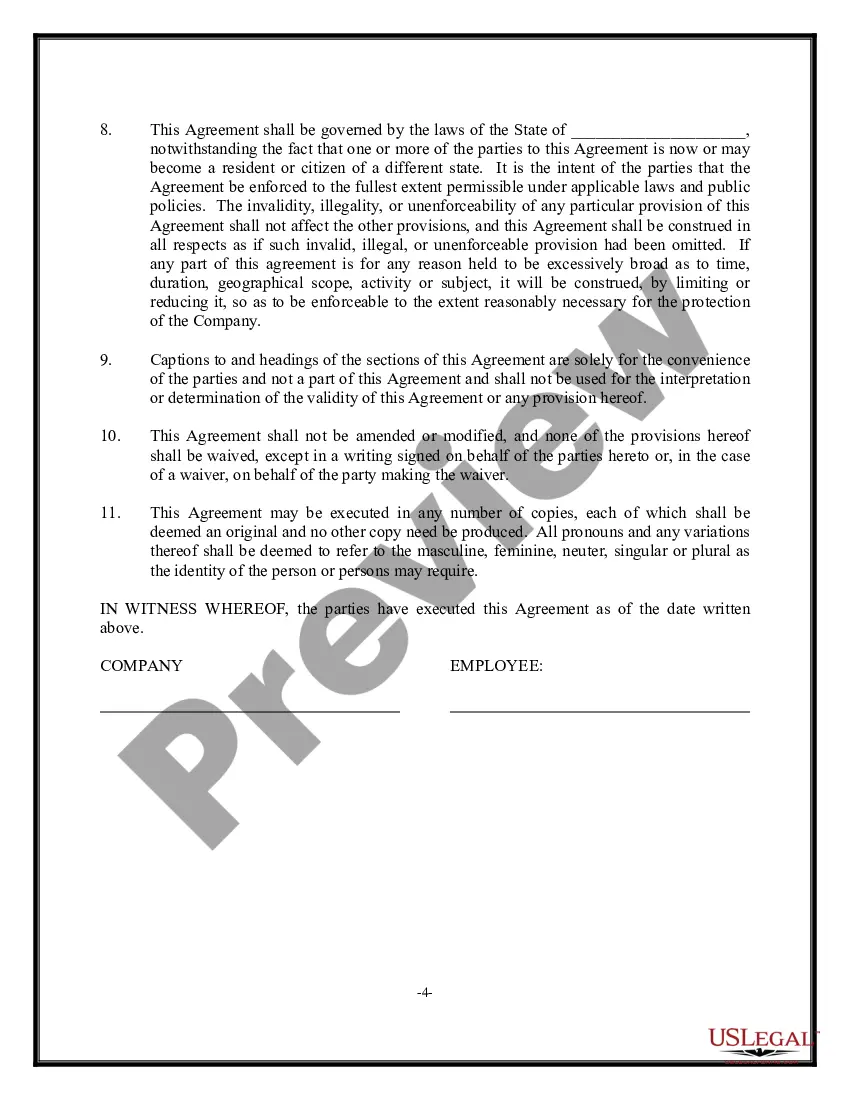
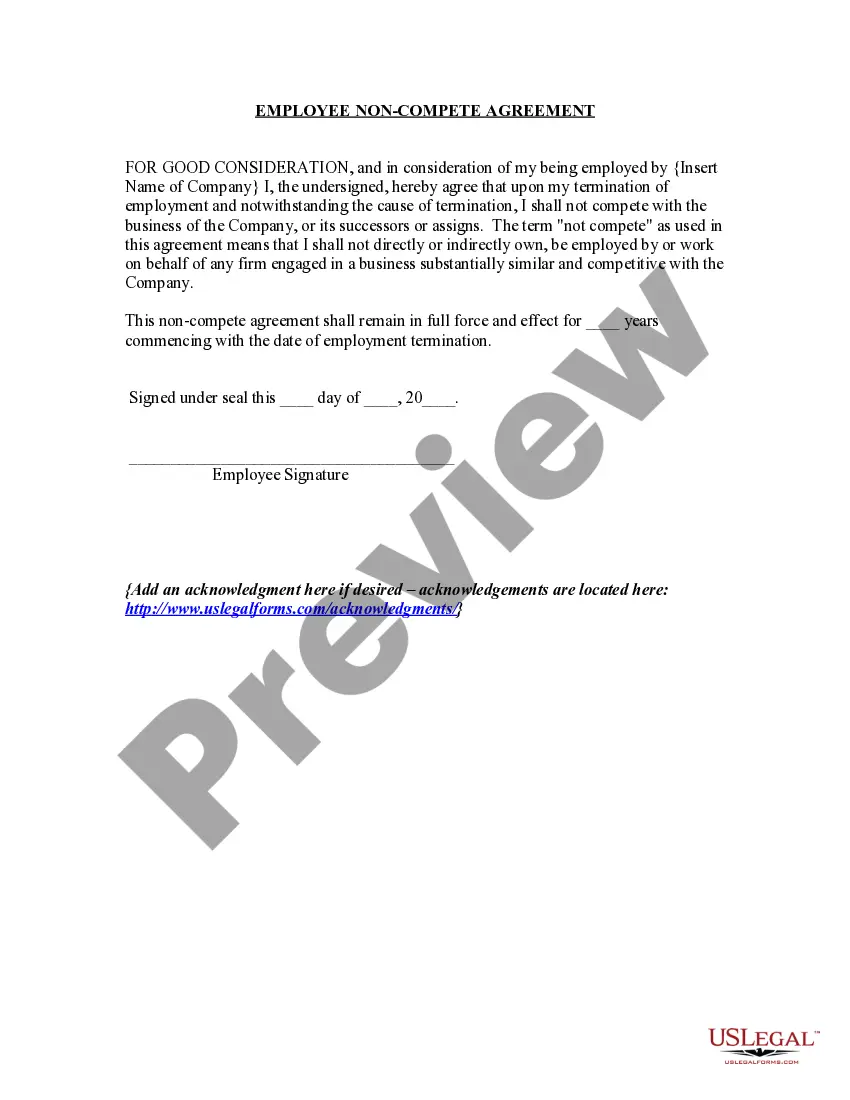
Get your form ready online
Our built-in tools help you complete, sign, share, and store your documents in one place.
Make edits, fill in missing information, and update formatting in US Legal Forms—just like you would in MS Word.
Download a copy, print it, send it by email, or mail it via USPS—whatever works best for your next step.
Sign and collect signatures with our SignNow integration. Send to multiple recipients, set reminders, and more. Go Premium to unlock E-Sign.
If this form requires notarization, complete it online through a secure video call—no need to meet a notary in person or wait for an appointment.
We protect your documents and personal data by following strict security and privacy standards.

Make edits, fill in missing information, and update formatting in US Legal Forms—just like you would in MS Word.

Download a copy, print it, send it by email, or mail it via USPS—whatever works best for your next step.

Sign and collect signatures with our SignNow integration. Send to multiple recipients, set reminders, and more. Go Premium to unlock E-Sign.

If this form requires notarization, complete it online through a secure video call—no need to meet a notary in person or wait for an appointment.

We protect your documents and personal data by following strict security and privacy standards.
Looking for another form?






Form popularity
FAQ
Two common examples of unfair competition are trademark infringement and misappropriation .
The Unfair Competition Law of California prohibits false advertising and illegal business practices. The law is also known as the state's UCL. The law describes “unfair competition” as any unlawful, unfair, or fraudulent business act or practice, or false, deceptive, or misleading advertising.
Intellectual property offences provide well-known examples of unfair competition – these include counterfeiting, trade secret misappropriation and design right infringement.
These practices include false advertising, a misleading sales pitch, or failing to disclose important information about a product or service. The Florida Deceptive and Unfair Trade Practices Act (FDUTPA) prohibits such practices.
Generally, all unfair competition cases in Florida require the following core elements: Deceptive or fraudulent conduct of a competitor; A likelihood of consumer confusion, meaning that the plaintiff must show that he and his opponent compete for a shared pool of customers; and.
Florida is a modified comparative negligence state. Under modified comparative negligence, means that if you are found to be no more than 50% at fault for the accident, your recovery is reduced by the same proportion as your percentage of fault.
2023 Florida Statutes (including 2023C) 496.401-496.424 commits an unfair or deceptive act or practice or unfair method of competition in violation of chapter 501, part II, and is subject to the penalties and remedies provided for such violation.
The elements of a claim for unfair competition under the common law of Florida are: (1) the plaintiff is the prior owner of a trade name or service mark; (2) the trade name or service mark is arbitrary, suggestive, or has acquired a secondary meaning; (3) the defendant is using a confusingly similar trade name or ...
FDUTPA defines unfair trade practices as those that “cause substantial injury to consumers or other businesses and cannot be reasonably avoided by the consumer or the other business.” FDUTPA is also a “gap filler” to questions of federal law because it provides consumers with a private right of action to sue for unfair ...
