Bulk Transfer In Usb In Orange
Description
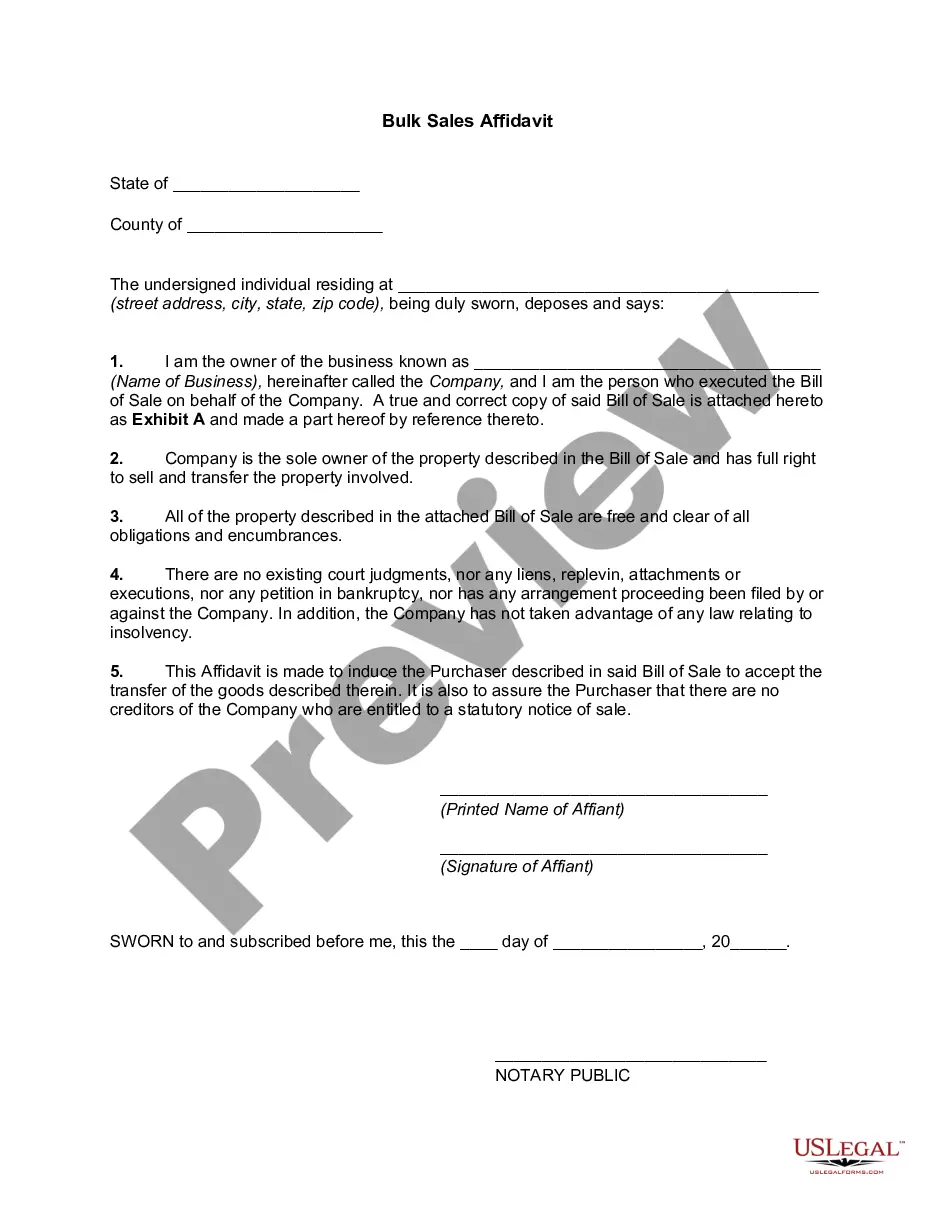

Get your form ready online
Our built-in tools help you complete, sign, share, and store your documents in one place.
Make edits, fill in missing information, and update formatting in US Legal Forms—just like you would in MS Word.
Download a copy, print it, send it by email, or mail it via USPS—whatever works best for your next step.
Sign and collect signatures with our SignNow integration. Send to multiple recipients, set reminders, and more. Go Premium to unlock E-Sign.
If this form requires notarization, complete it online through a secure video call—no need to meet a notary in person or wait for an appointment.
We protect your documents and personal data by following strict security and privacy standards.

Make edits, fill in missing information, and update formatting in US Legal Forms—just like you would in MS Word.

Download a copy, print it, send it by email, or mail it via USPS—whatever works best for your next step.

Sign and collect signatures with our SignNow integration. Send to multiple recipients, set reminders, and more. Go Premium to unlock E-Sign.

If this form requires notarization, complete it online through a secure video call—no need to meet a notary in person or wait for an appointment.

We protect your documents and personal data by following strict security and privacy standards.
Looking for another form?
Form popularity
FAQ
Bulk Transfers. Bulk Transfers are used for data which are not of the type Control, Interrupt, or Isochronous. Reliable exchange of data is ensured at the hardware level using error detection. Data are transferred in the same manner as in Interrupt Transfers, but have no defined polling rate.
USB devices have two transfer mode types: bulk is used for mass storage devices like an external USB hard drive, and isochronous is used for real-time devices like a USB webcam or capture card.
You can switch the file system on FAT32 device to NTFS or exFAT so to bypass the 4GB limitation and save big files on the device. For internal hard drives, set the file system as NTFS. For external hard drives or removable storage devices, set the format as exFAT.
Steps Insert your USB drive into an available USB port. Press ⊞ Win + E to open File Explorer. Click This PC. Open the folder containing the files you want to copy. Copy the file(s) you want to add to the USB flash drive. Click This PC in the left sidebar again. Double-click your USB flash drive.
Maximum packet size of a bulk endpoint depends on the bus speed of the device. For full speed, high speed, and SuperSpeed; the maximum packet sizes are 64, 512, and 1024 bytes respectively.
Each USB transfer is one packet, which can be up to 64 bytes if using bulk type. If you want to send more than 64 bytes, you have to use multiple packets.
USB has four transfer types depending on the data. They are called Control, Bulk, Interrupt, and Isochronous types.
Most USB 2 users report that they can only reach about 30MB/sec between the computer and a USB device, even though the USB 2 specification claims to support 480Mb/sec (or 60MB/sec) transfers. However, in practice the maximum transfer limit will usually be constrained by the USB 2 device itself.
How to Use a Data Transfer Cable Boot both computers to the OS. Connect the USB cable from the appropriate port. Connect the cable to the other machine. Use either Windows Easy Transfer or Mac Migration Assistant. Follow the onscreen prompts to copy all data to the destination machine from the source machine.