Sample Letter With 3 Signatures In Wake
Description

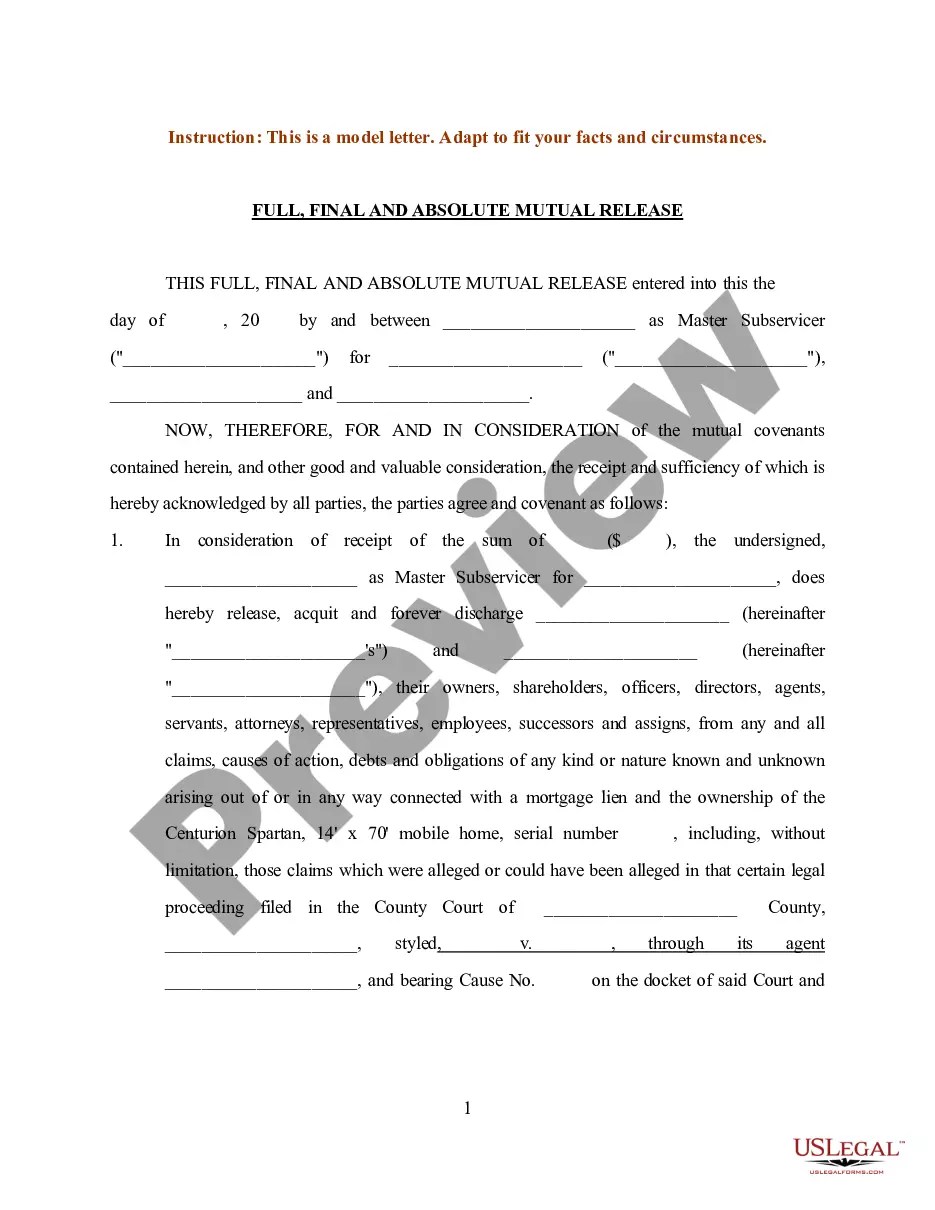
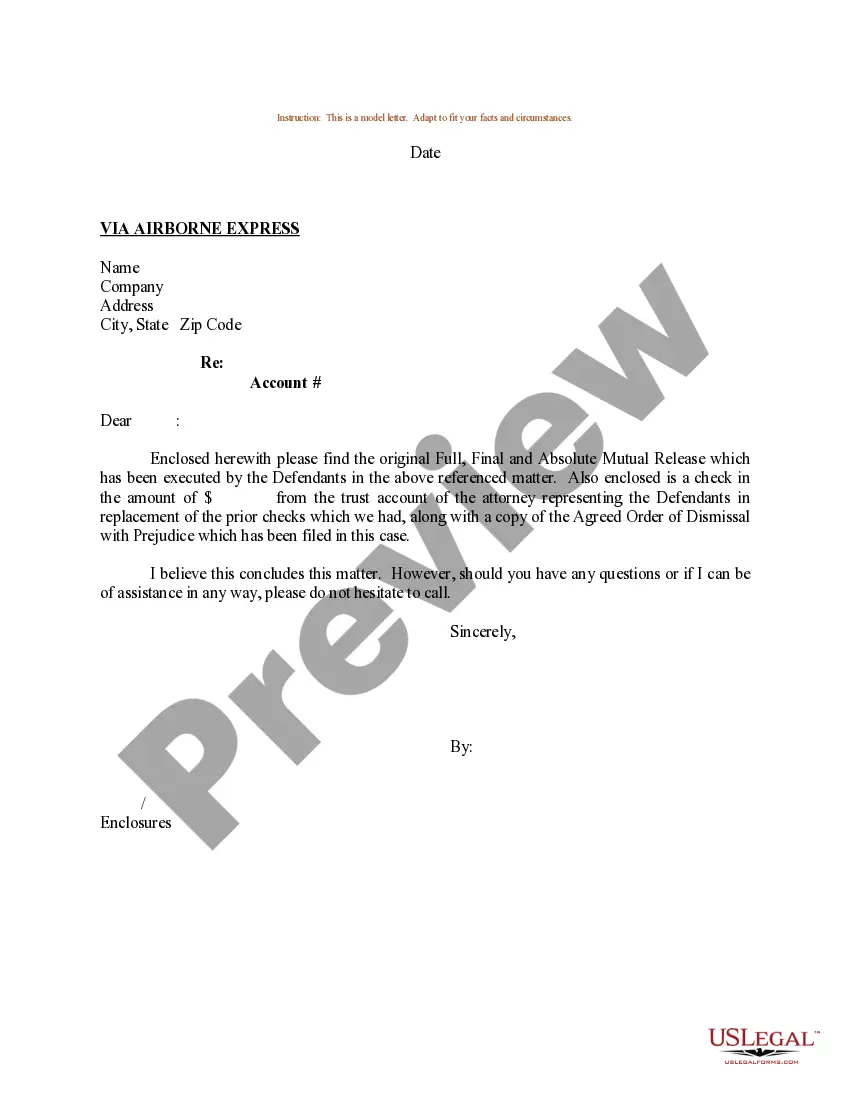
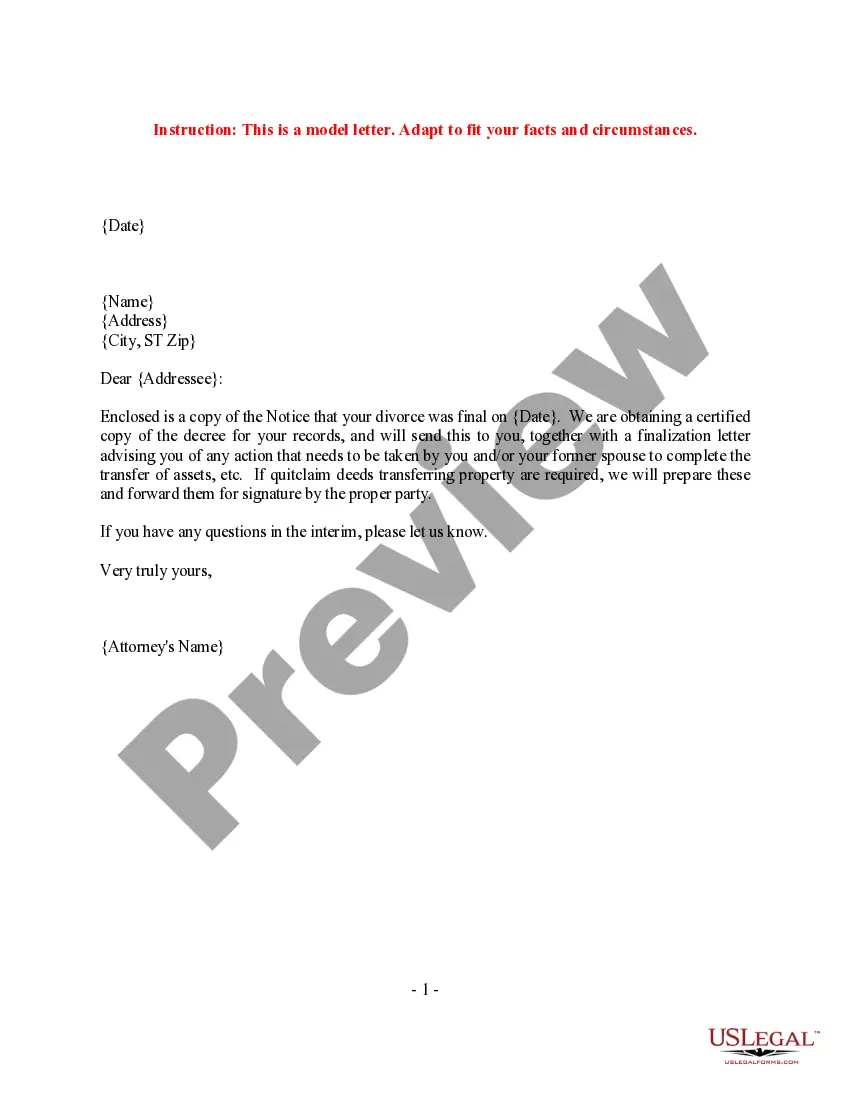
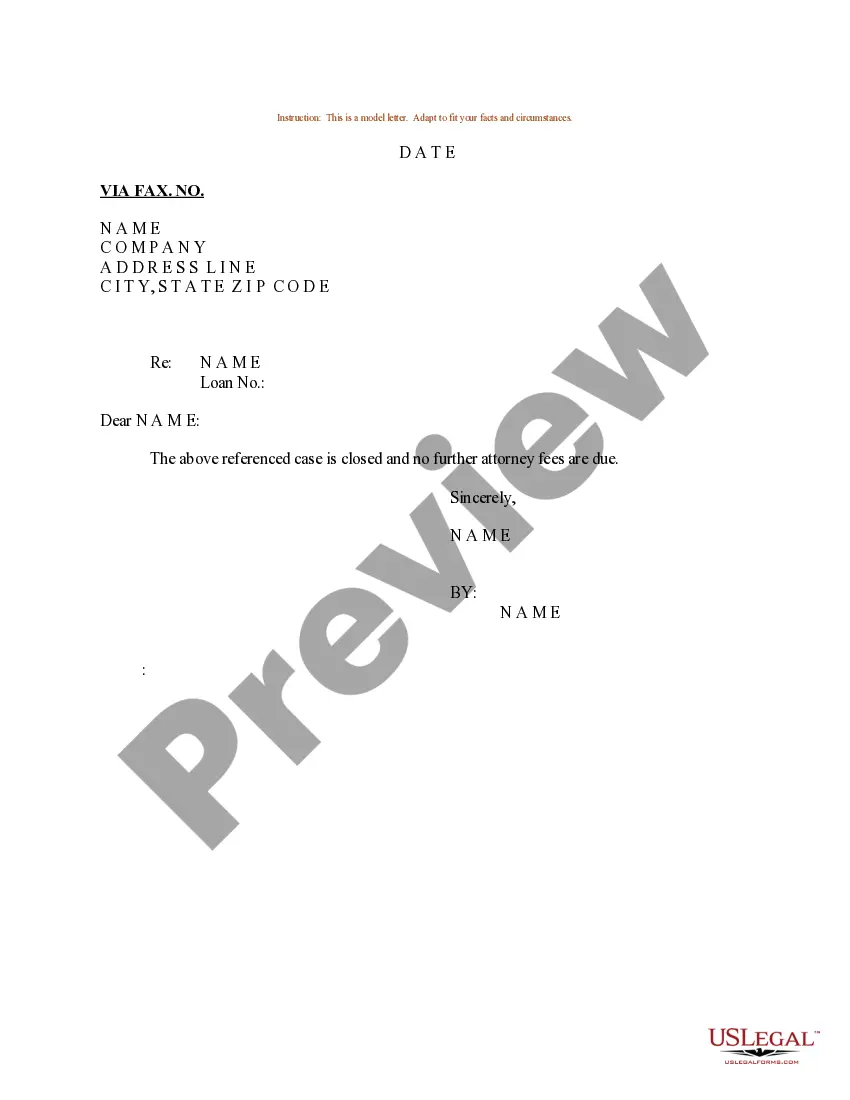
Get your form ready online
Our built-in tools help you complete, sign, share, and store your documents in one place.
Make edits, fill in missing information, and update formatting in US Legal Forms—just like you would in MS Word.
Download a copy, print it, send it by email, or mail it via USPS—whatever works best for your next step.
Sign and collect signatures with our SignNow integration. Send to multiple recipients, set reminders, and more. Go Premium to unlock E-Sign.
If this form requires notarization, complete it online through a secure video call—no need to meet a notary in person or wait for an appointment.
We protect your documents and personal data by following strict security and privacy standards.

Make edits, fill in missing information, and update formatting in US Legal Forms—just like you would in MS Word.

Download a copy, print it, send it by email, or mail it via USPS—whatever works best for your next step.

Sign and collect signatures with our SignNow integration. Send to multiple recipients, set reminders, and more. Go Premium to unlock E-Sign.

If this form requires notarization, complete it online through a secure video call—no need to meet a notary in person or wait for an appointment.

We protect your documents and personal data by following strict security and privacy standards.
Looking for another form?







Form popularity
FAQ
You can create two sections for signatures below your valediction. Leave a space for the first person's signature and put their name and job title directly underneath this space. Repeat the process for the second person's name. Print your document and have each individual sign their name in the empty space.
Pp is written before a person's name at the bottom of a formal or business letter in order to indicate that they have signed the letter on behalf of the person whose name appears before theirs. J.R. Adams, pp D. Philips.
“Sincerely,” “Regards,” and “Appreciatively” are all appropriate closings for formal letters. “Take care,” “Have a good day,” and “Thanks!” work for a more informal approach.
If you know all the recipients: Use the phrase "Dear Name" followed by a comma, and then list all the names separated by commas. For example, "Dear John, Jane, and Mark,". If you don't know all the recipients: Use a more general greeting, such as "Dear Team," or "Dear Colleagues,".
Signature and name: When you're typing your letter, leave a space in between your closing and printed name so you can handwrite your signature. Handwriting a signature adds a personal tone to your letter and shows you put effort into it.
Signature and name: When you're typing your letter, leave a space in between your closing and printed name so you can handwrite your signature. Handwriting a signature adds a personal tone to your letter and shows you put effort into it.
At the end of the letter, place your signature on the right side of the page. Don't forget to provide any relay information if necessary. When writing a letter using simplified style form, put the date on the left. Then, put the receiver's name, and his/her title, company name, and address.
Per Procurationem (pp) The term 'pp' before a signature, stands for 'per procurationem'. The signature format usually includes “pp” before the agent's signature to indicate that the signature is made on behalf of another person.
Multiple recipients are listed using their full names and alphabetically. For example, "cc: Dr. Mark Brook, Dr. Nora Woods." If the recipients are from a different business, it's important to include that business's name in parentheses after the names.
One can possess 2 or more signatures. A signature is merely meant for the authority to establish the identity of the subscriber. To ensure authenticity, you are only required to provide signatures available with the authority.

