Sample Letter With Contact Information In Virginia
Description

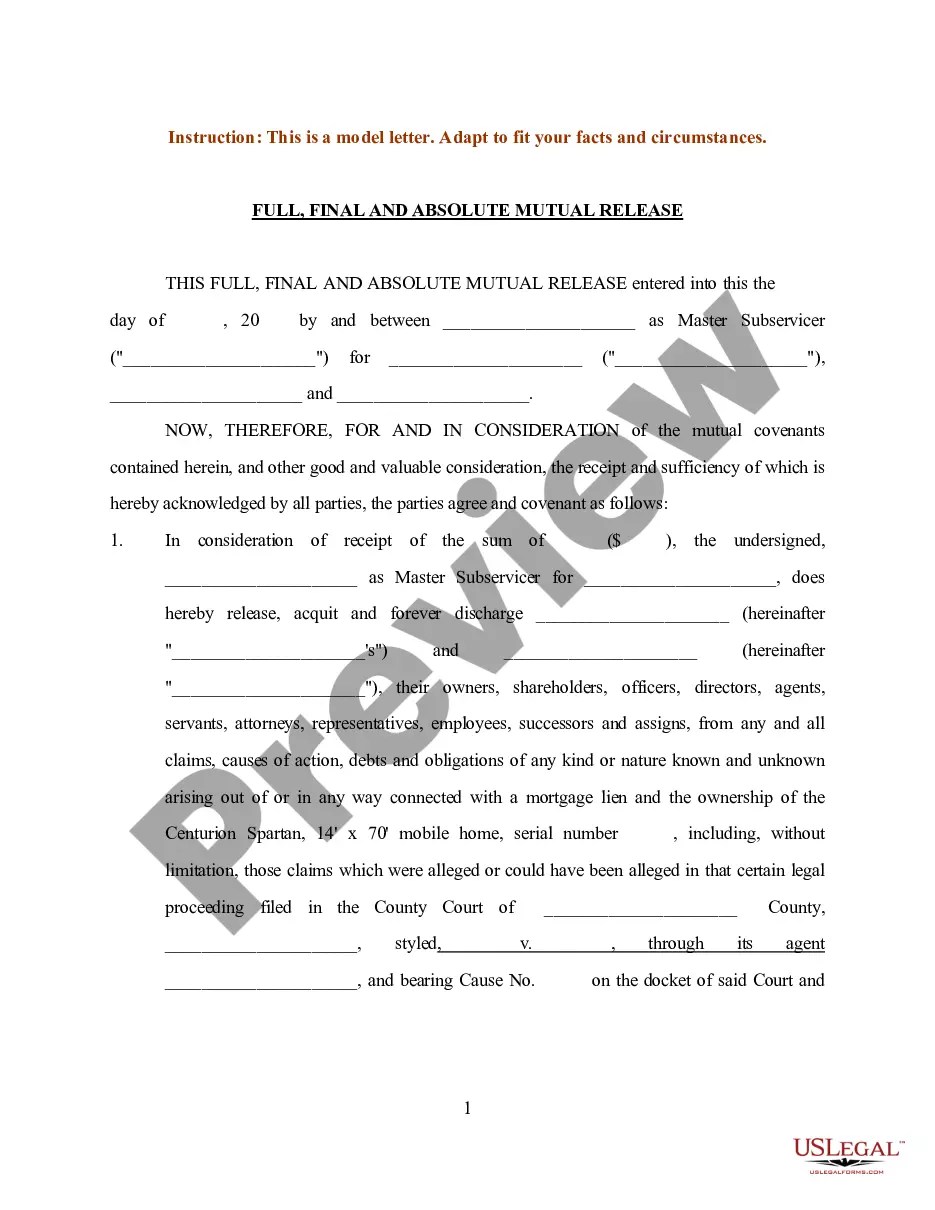
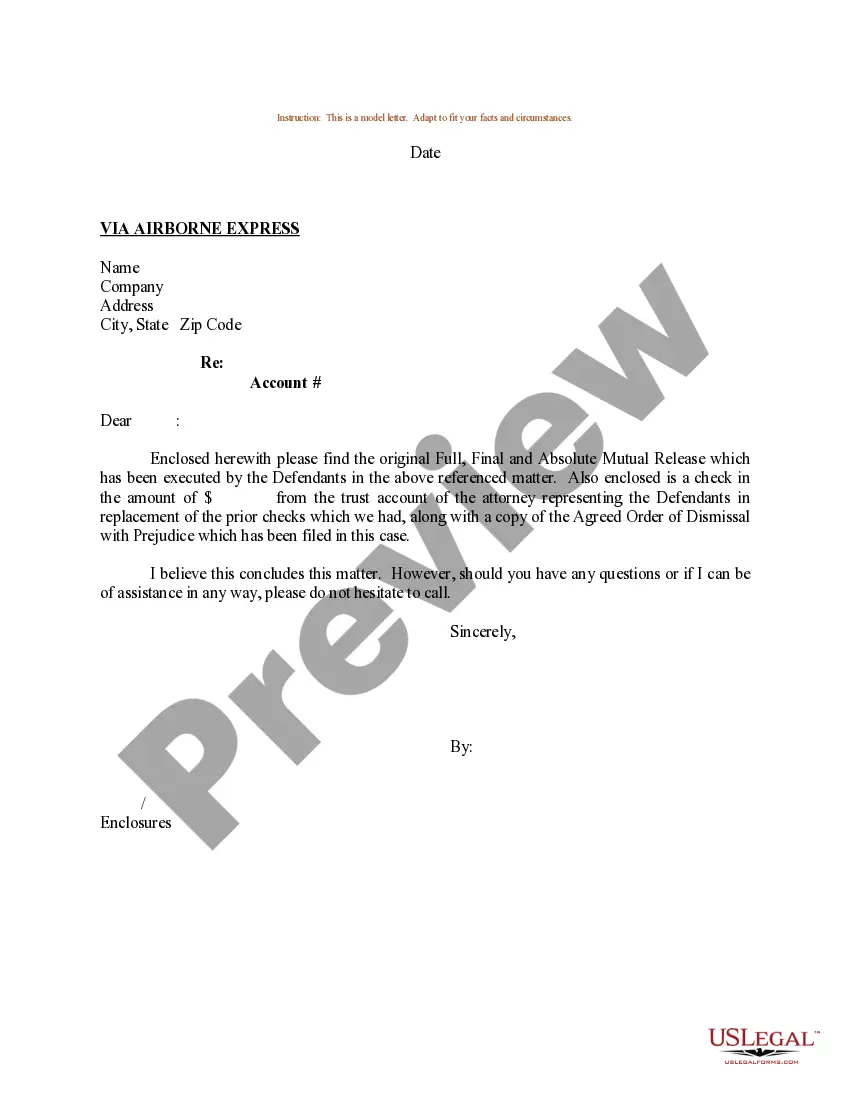
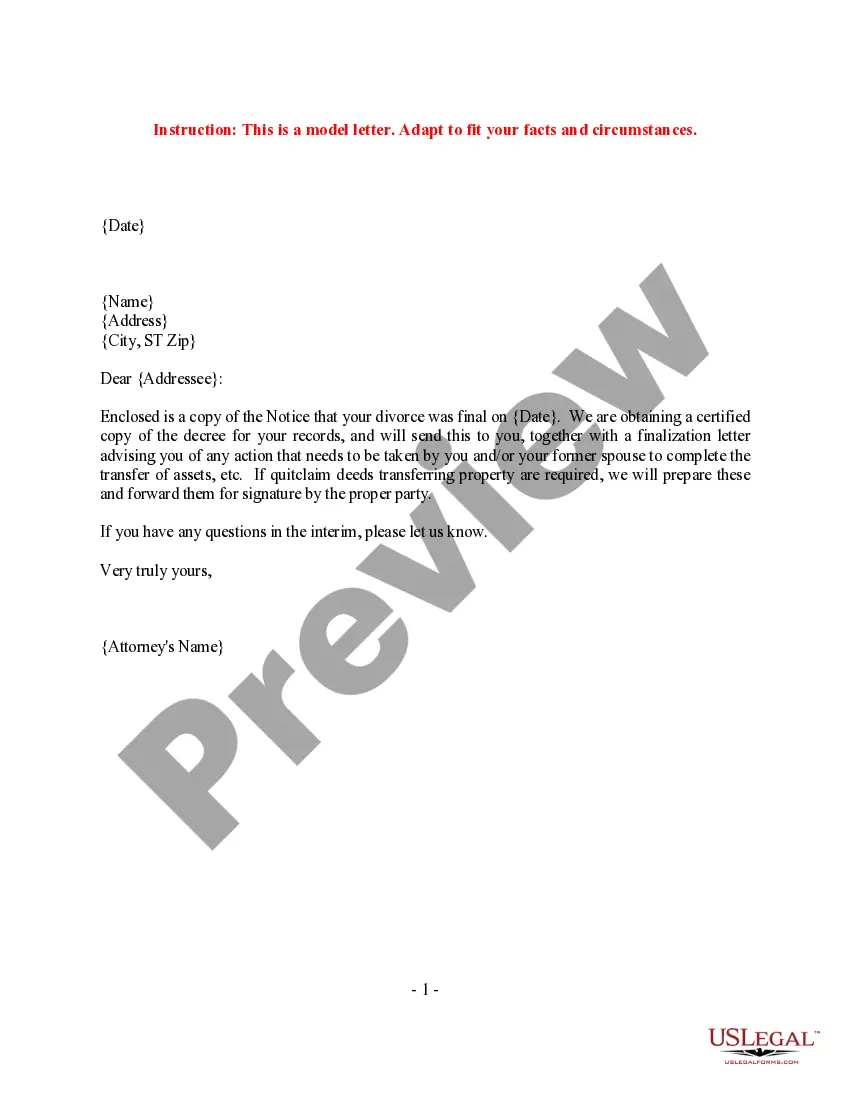
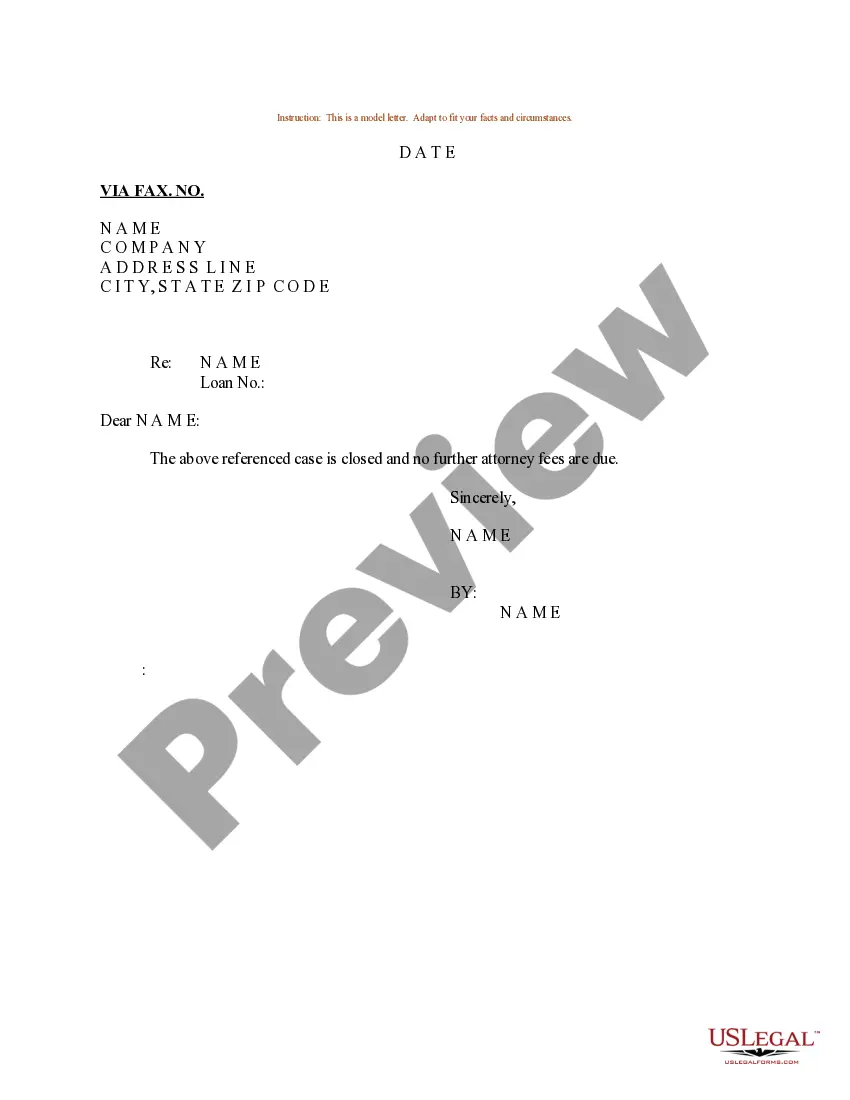
Get your form ready online
Our built-in tools help you complete, sign, share, and store your documents in one place.
Make edits, fill in missing information, and update formatting in US Legal Forms—just like you would in MS Word.
Download a copy, print it, send it by email, or mail it via USPS—whatever works best for your next step.
Sign and collect signatures with our SignNow integration. Send to multiple recipients, set reminders, and more. Go Premium to unlock E-Sign.
If this form requires notarization, complete it online through a secure video call—no need to meet a notary in person or wait for an appointment.
We protect your documents and personal data by following strict security and privacy standards.

Make edits, fill in missing information, and update formatting in US Legal Forms—just like you would in MS Word.

Download a copy, print it, send it by email, or mail it via USPS—whatever works best for your next step.

Sign and collect signatures with our SignNow integration. Send to multiple recipients, set reminders, and more. Go Premium to unlock E-Sign.

If this form requires notarization, complete it online through a secure video call—no need to meet a notary in person or wait for an appointment.

We protect your documents and personal data by following strict security and privacy standards.
Looking for another form?







Form popularity
FAQ
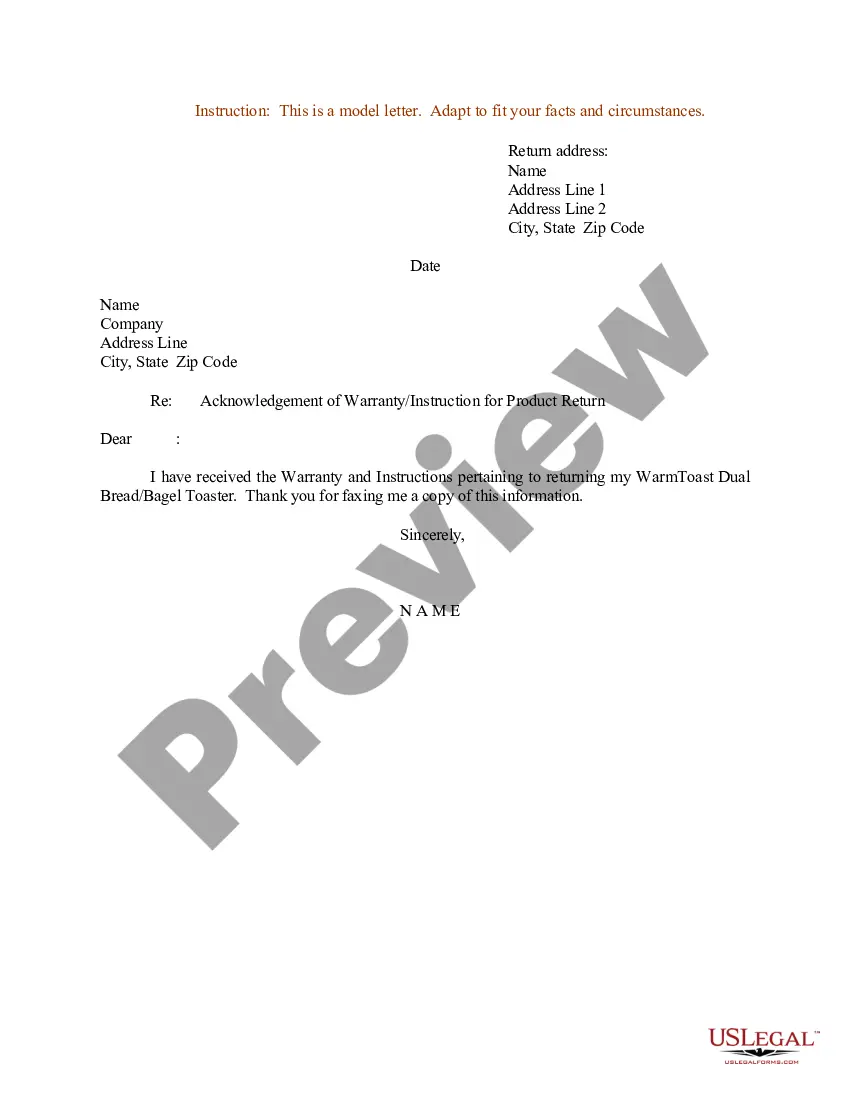
If this is a physical letter, your contact information will be at the top of the letter. However, if this is an email, include that information beneath your typed signature. This will allow the recipient to respond to you easily.
Now, starting at the top of the page, include your name, phone number, email address, and the date. Now, the contact information that you include on the cover letter should also mirror the contact information you've included on your resume. So be sure to double check your phone number and your email.
Put Contact Information at the Top of Written Cover Letters Use single spacing and a consistent font, and format it as a block of text. Include your name, street address, city, state and zip code, phone number, and email address on single-spaced separate lines.
You should always include your signature and contact information after closing a letter. If you're mailing your letter, include your address at the top of the letter so that the recipient can respond by mail if necessary.
First include your name, address, phone number, and the date. This information should be located at the top of the page, either in the center, or indented on the right side of the paper. You then include the name and address of the person to whom you are sending the letter.
How to write an informative letter Research your topic. Write your letter heading. Add the recipient information. Draft the body of the letter. Write a conclusion. Proofread your letter. Send your letter. Explain why the information matters.
Include your phone number directly below your address. Write the date a line below the sender's address. The date is important because it shows when the letter was written.
Include your name, street address, city, state and zip code, phone number, and email address on single-spaced separate lines. Add a space, and then add the letter date, the recipient's name, title, company, address, and city, state, and zip code on single-spaced separate lines.
To submit a FOIA Request your request must be in writing and submitted by letter, fax or email and contain the following: Requests submitted by letter of fax must be sent to the FOIA Office in which you believe the records exist, contain a legible return address, telephone number, and/or email address.
Information/data that is NOT covered by the Freedom of Information Act (FOIA) includes: Non-agency records and personal records. Public requests for access to physical artifacts or scientific samples (e.g. core samples, sediment, rocks, fossils, specimen samples, blood samples).

