Sample Letter With Signature In San Antonio
Description
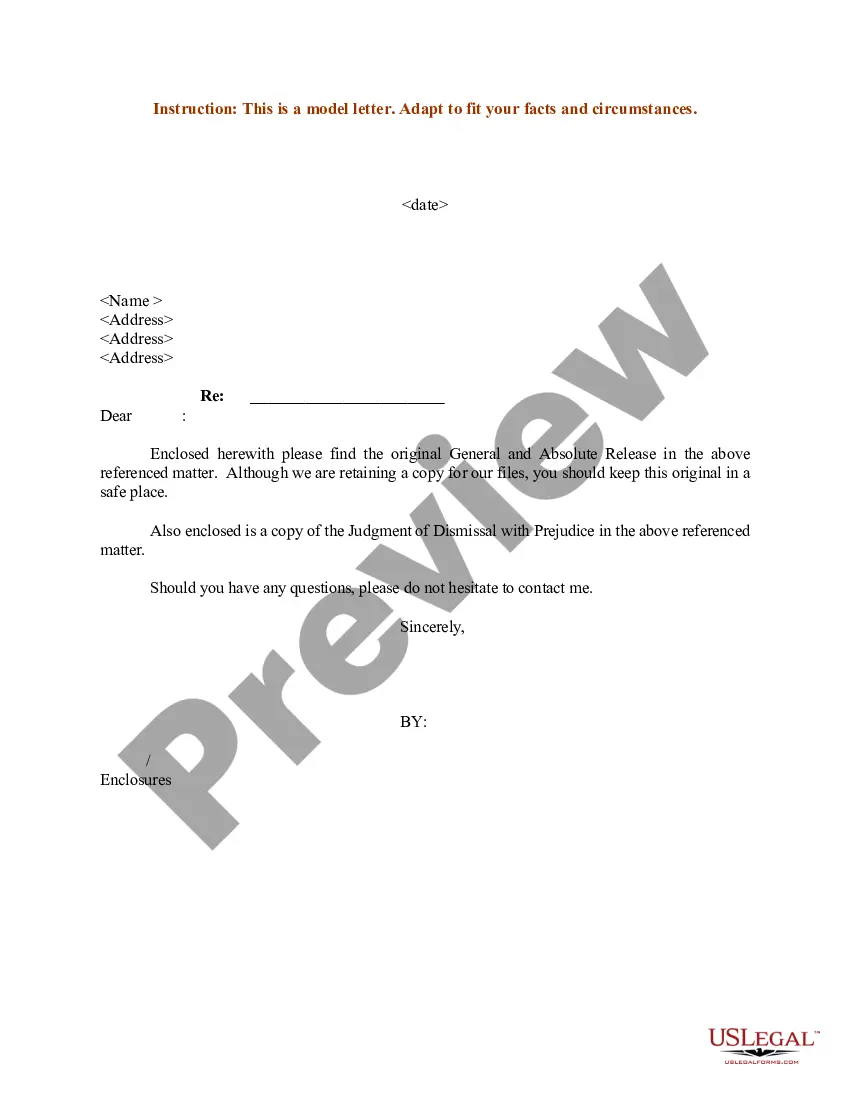
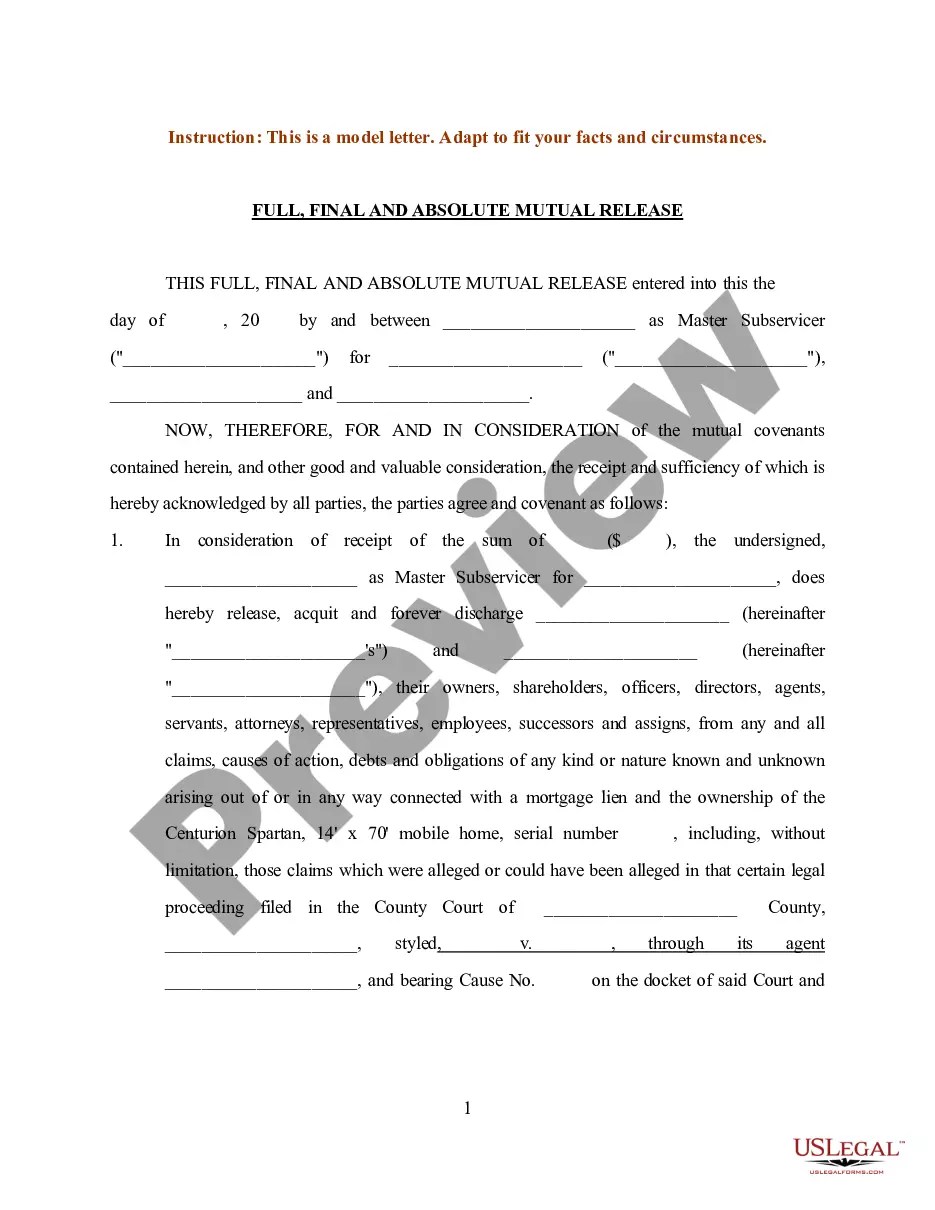
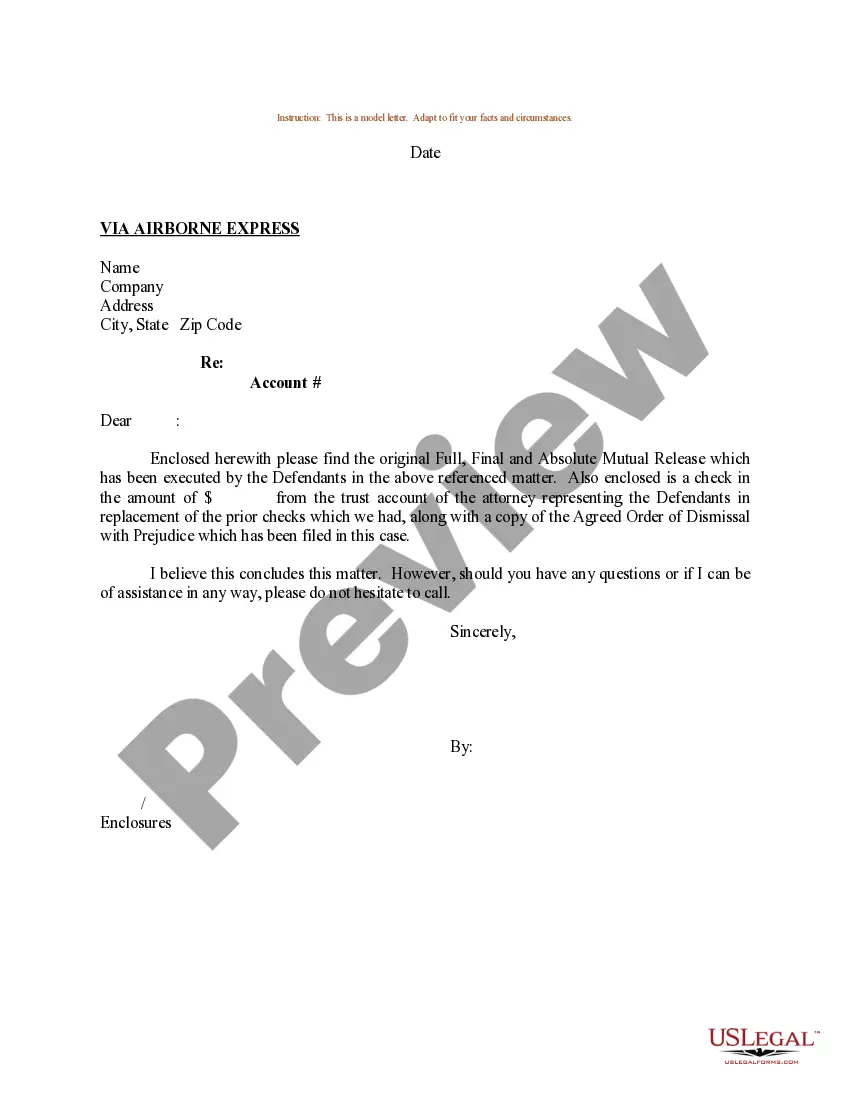
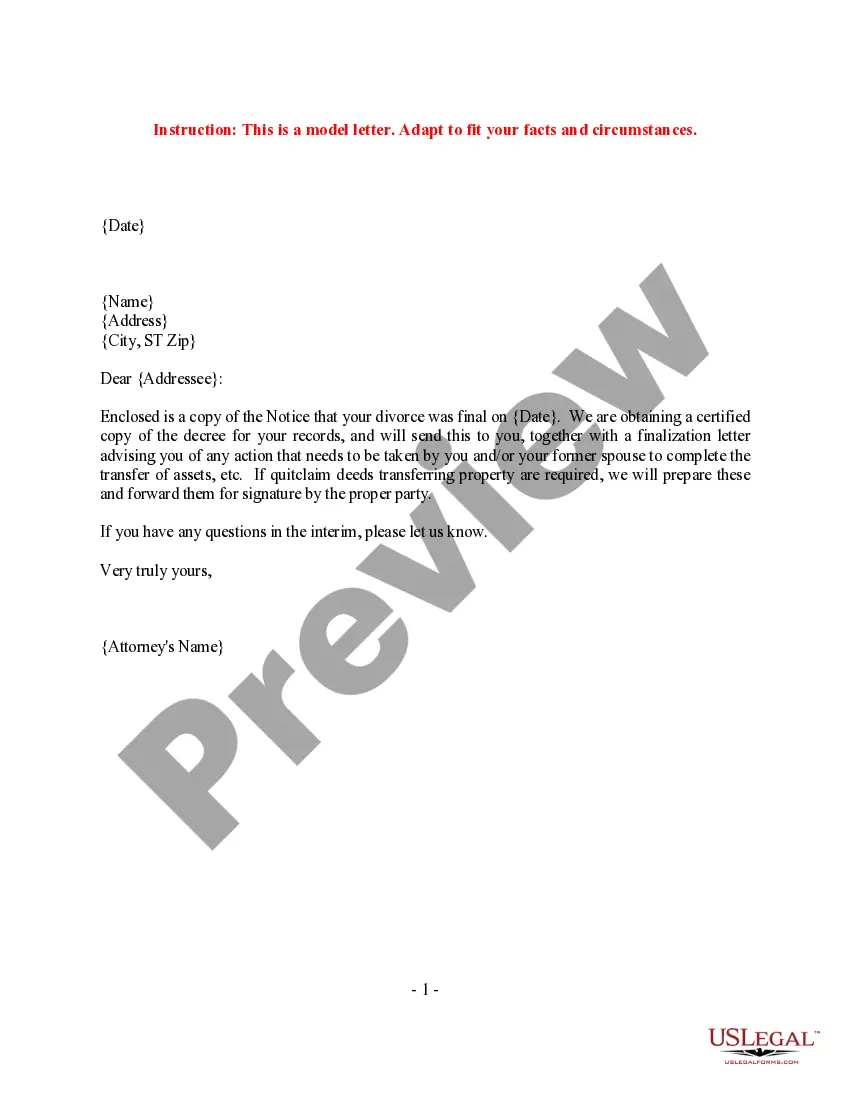
Get your form ready online
Our built-in tools help you complete, sign, share, and store your documents in one place.
Make edits, fill in missing information, and update formatting in US Legal Forms—just like you would in MS Word.
Download a copy, print it, send it by email, or mail it via USPS—whatever works best for your next step.
Sign and collect signatures with our SignNow integration. Send to multiple recipients, set reminders, and more. Go Premium to unlock E-Sign.
If this form requires notarization, complete it online through a secure video call—no need to meet a notary in person or wait for an appointment.
We protect your documents and personal data by following strict security and privacy standards.

Make edits, fill in missing information, and update formatting in US Legal Forms—just like you would in MS Word.

Download a copy, print it, send it by email, or mail it via USPS—whatever works best for your next step.

Sign and collect signatures with our SignNow integration. Send to multiple recipients, set reminders, and more. Go Premium to unlock E-Sign.

If this form requires notarization, complete it online through a secure video call—no need to meet a notary in person or wait for an appointment.

We protect your documents and personal data by following strict security and privacy standards.
Looking for another form?







Form popularity
FAQ
Write the name of the person swearing to the truthfulness of the contents of the documents. Sign your name exactly as it appears on file with the Secretary of State and affix the official notary seal so that all the required elements of the notary seal appear legibly.
Writing the Letter as a Resident Start with your legal name. Certify your address. State the length of time you've resided at the residence. Include any other residents. Type your oath. Follow with a closing phrase and your name. Sign and date the letter. Create a line for the notary's signature.
To make a notarized letter, begin with your contact details, create a clear message explaining the purpose of the letter. Include any legal language if necessary. Conclude with a formal closing and leave space for your signature. And that's how you write a statement that needs to be notarized.
Every notarized letter of authorization must list the names of the requesting parties and the reason for authorization. The document must also contain the signatures of each party as well as the notary public's signature to confirm that they witnessed and verified the signatures.
The signature of a notary public is going to look just like any other signature; however, one important feature that sets a notary public apart is the seal. There could be a raised stamp or seal that embosses the letter, setting a notarized document apart from others.
To make a notarized letter, begin with your contact details, create a clear message explaining the purpose of the letter. Include any legal language if necessary. Conclude with a formal closing and leave space for your signature. And that's how you write a statement that needs to be notarized.
A notarized letter should include the date, full names of all parties, specific addresses, the purpose of the letter, relevant dates and terms, signatures, and a formal tone with proper formatting.
A notarized letter of authorization is a legal document that allows someone to act on behalf of the person writing the letter — perhaps even to notarize for a family member.
IN THE NAME AND BY THE AUTHORITY OF THE STATE OF TEXAS, I,, do solemnly swear (or affirm), that I will faithfully execute the duties of the office of of the State of Texas, and will to the best of my ability preserve, protect, and defend the Constitution and laws of the United States and of this State, so help me God.22 more rows
One of the most common mistakes that notaries make is not printing or signing their name exactly as it appears on their notary commission.

