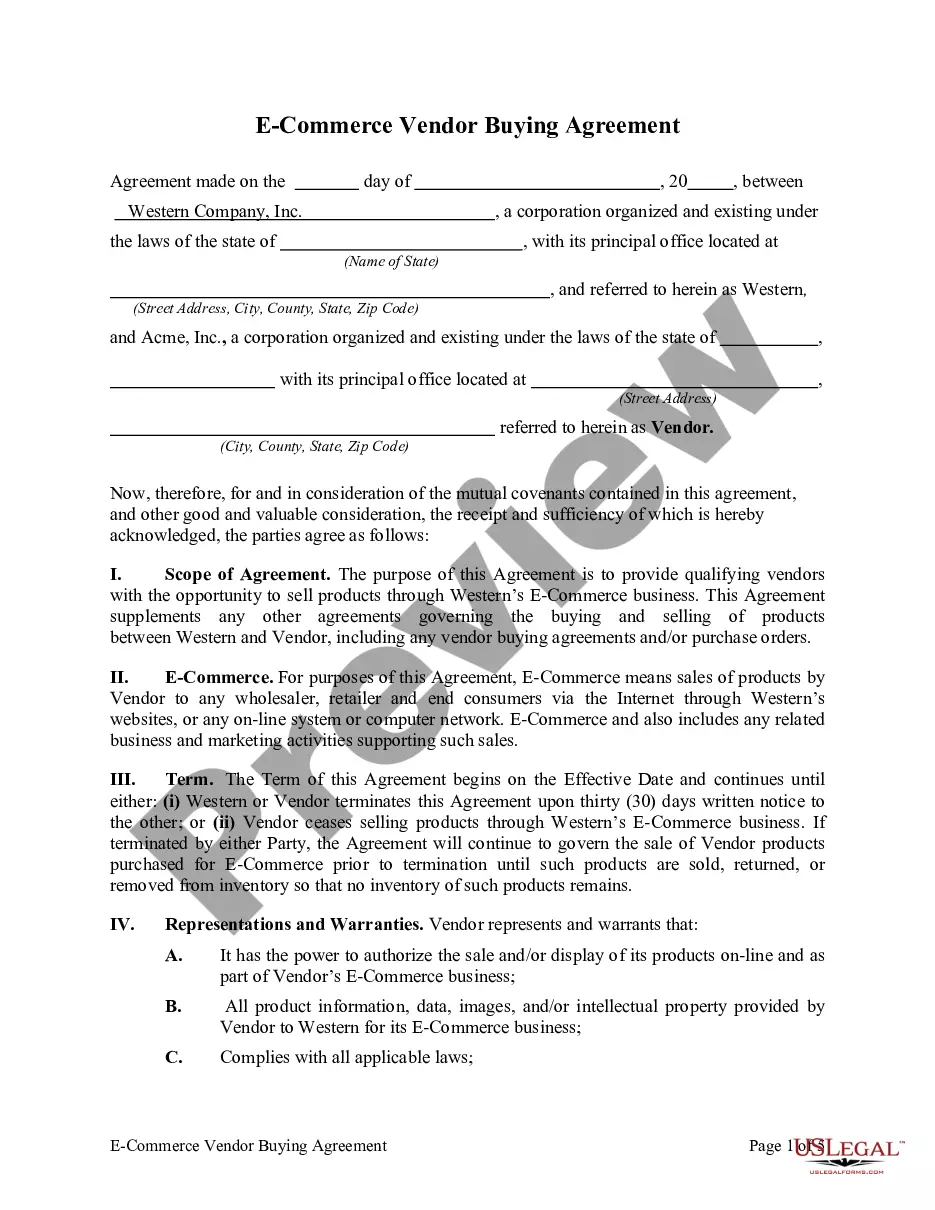
Sample Letters With Dates In Palm Beach
Description

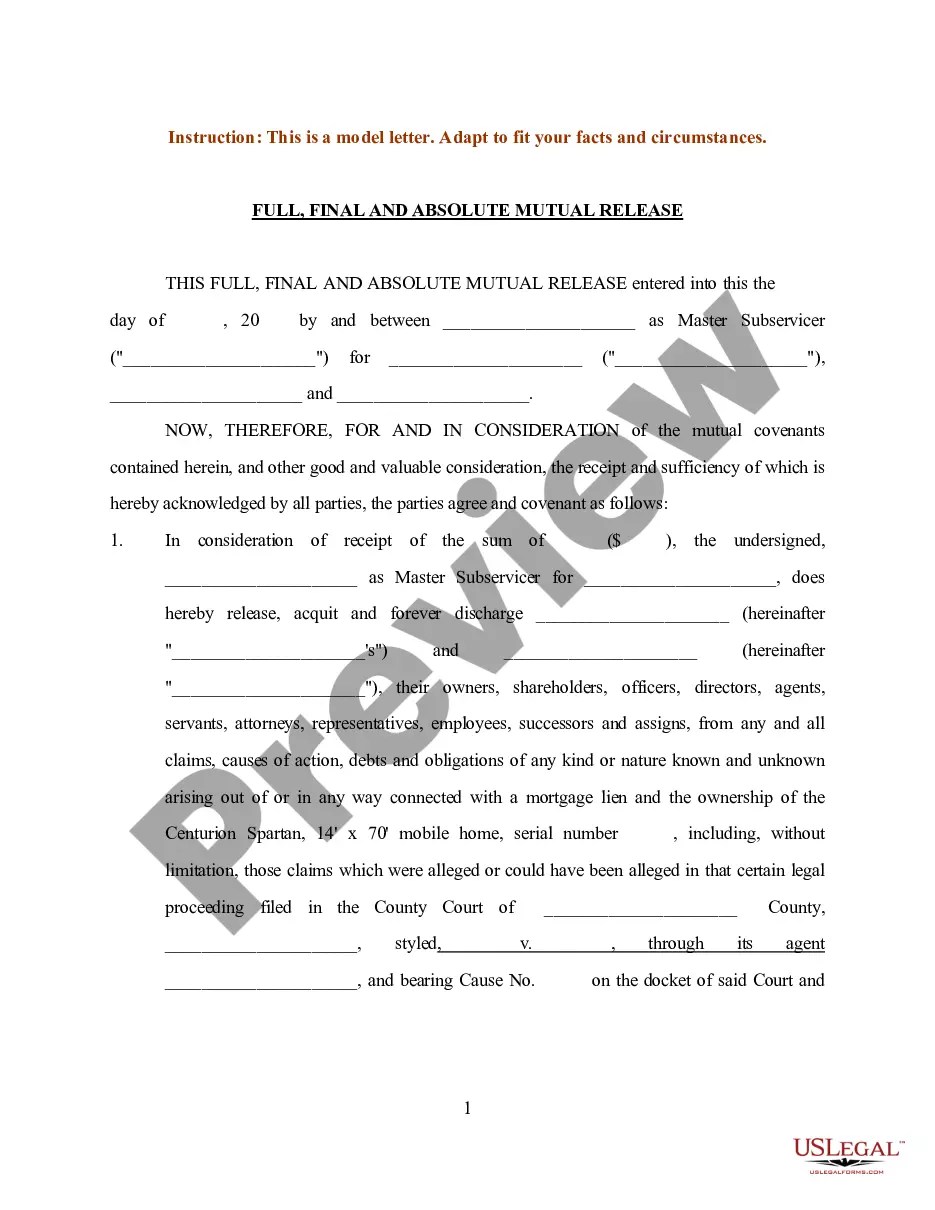
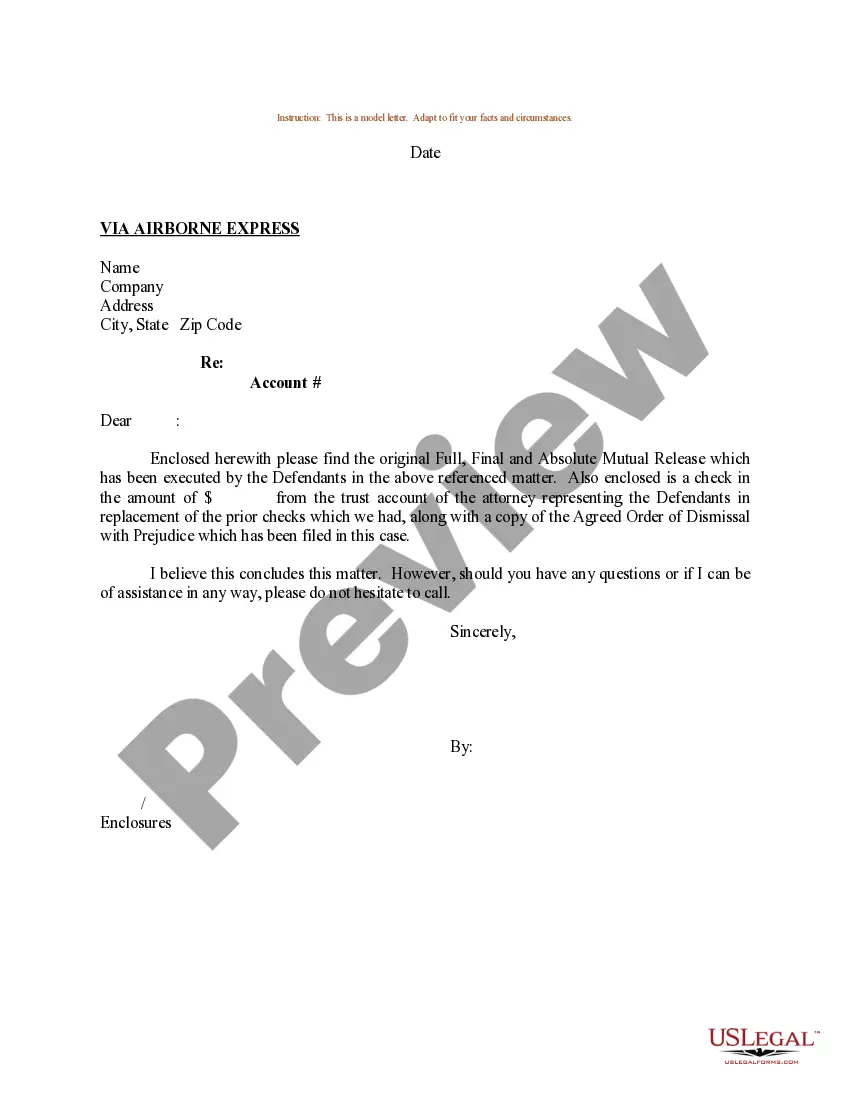
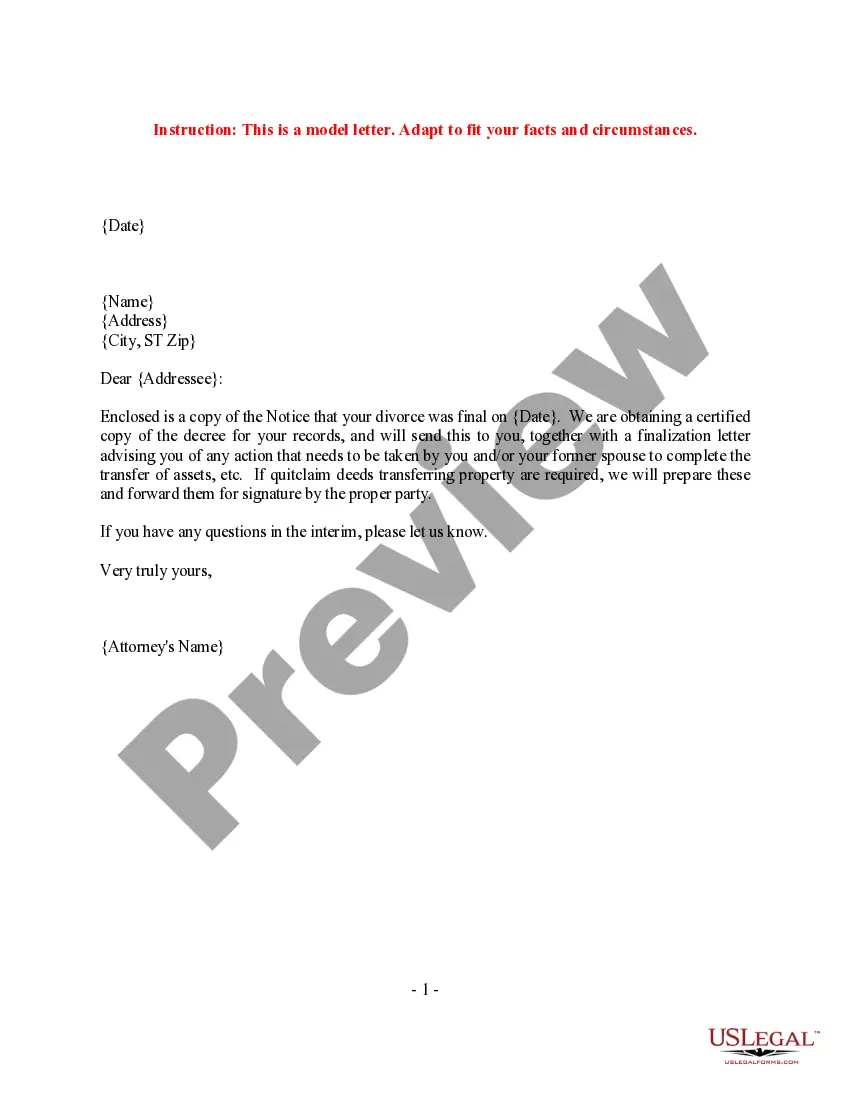
Get your form ready online
Our built-in tools help you complete, sign, share, and store your documents in one place.
Make edits, fill in missing information, and update formatting in US Legal Forms—just like you would in MS Word.
Download a copy, print it, send it by email, or mail it via USPS—whatever works best for your next step.
Sign and collect signatures with our SignNow integration. Send to multiple recipients, set reminders, and more. Go Premium to unlock E-Sign.
If this form requires notarization, complete it online through a secure video call—no need to meet a notary in person or wait for an appointment.
We protect your documents and personal data by following strict security and privacy standards.

Make edits, fill in missing information, and update formatting in US Legal Forms—just like you would in MS Word.

Download a copy, print it, send it by email, or mail it via USPS—whatever works best for your next step.

Sign and collect signatures with our SignNow integration. Send to multiple recipients, set reminders, and more. Go Premium to unlock E-Sign.

If this form requires notarization, complete it online through a secure video call—no need to meet a notary in person or wait for an appointment.

We protect your documents and personal data by following strict security and privacy standards.
Looking for another form?









Form popularity
FAQ
“Local jurisdiction” means the territory comprising Johor, Kedah, Kelantan, Malacca, Negri Sembilan, Pahang, Penang, Perak, Perlis, Selangor, Terenganu and the Federal Territory of Kuala Lumpur; in the case of the High Court in Sabah and Sarawak, the territory covers Sabah, Sarawak and the Federal Territory of Labuan.
County Court Jurisdictional Changes County court jurisdictional thresholds increase to $30,000 on January 1, 2020, and to $50,000 on January 1, 2023. Filers will be required to include a civil cover sheet specifying the dollar amount in dispute in cases exceeding $8,000 in value.
Definition: Jurisdictional limits refer to the boundaries or limits set by the law or constitution that determine the extent of a court's authority to make decisions. This means that a court can only make decisions within a certain geographic area or within the limits set by the law.
Proposed orders for all Civil Court case types must be submitted directly to the court through the 15th Judicial Circuit's Online Scheduling System (OLS). Proposed orders cannot be submitted in person, by mail, by fax or by email to the court or to the Clerk's office.