Vendor Agreement For Services In Orange
Description
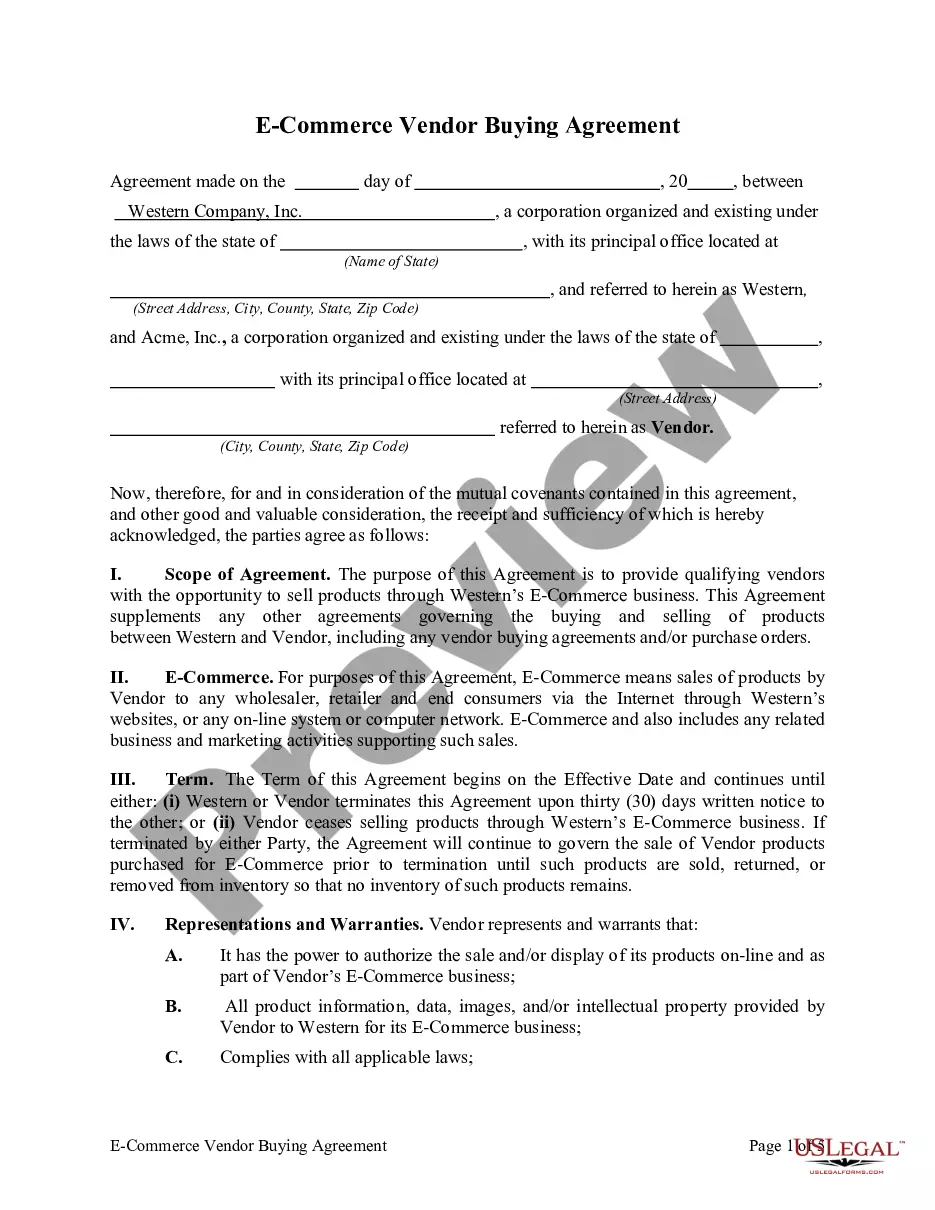
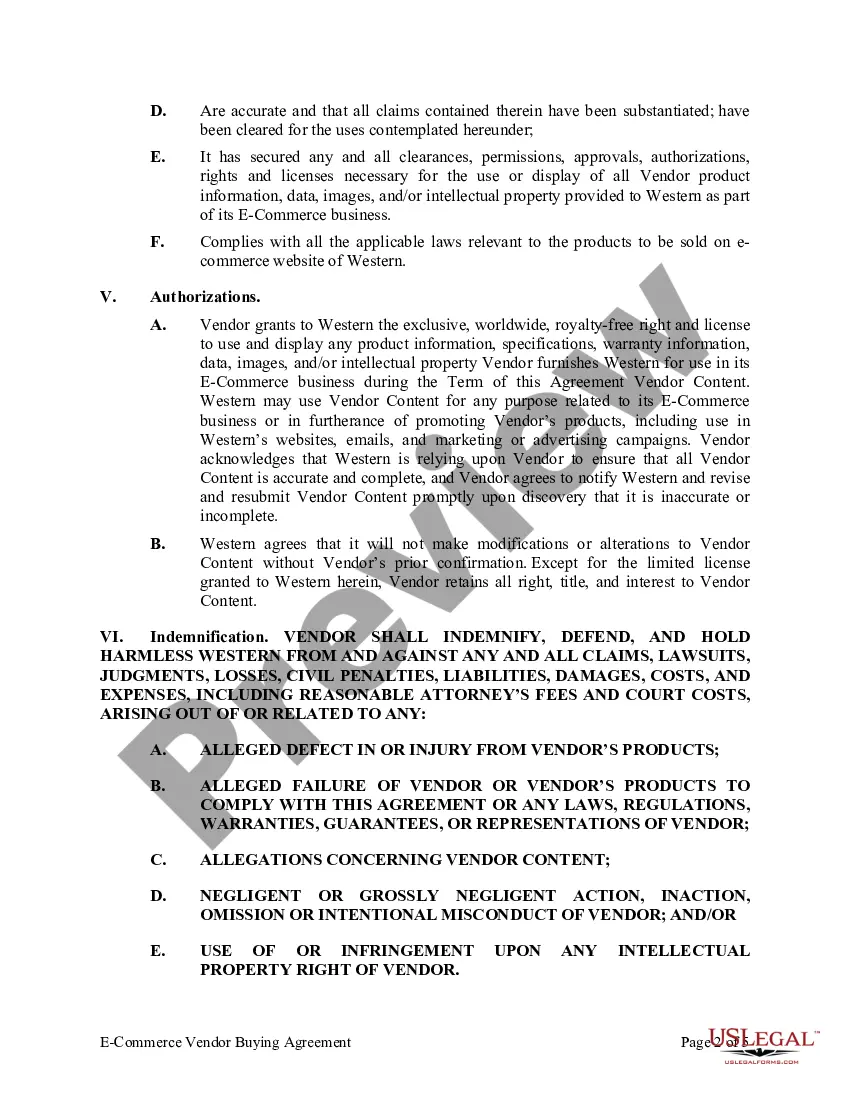
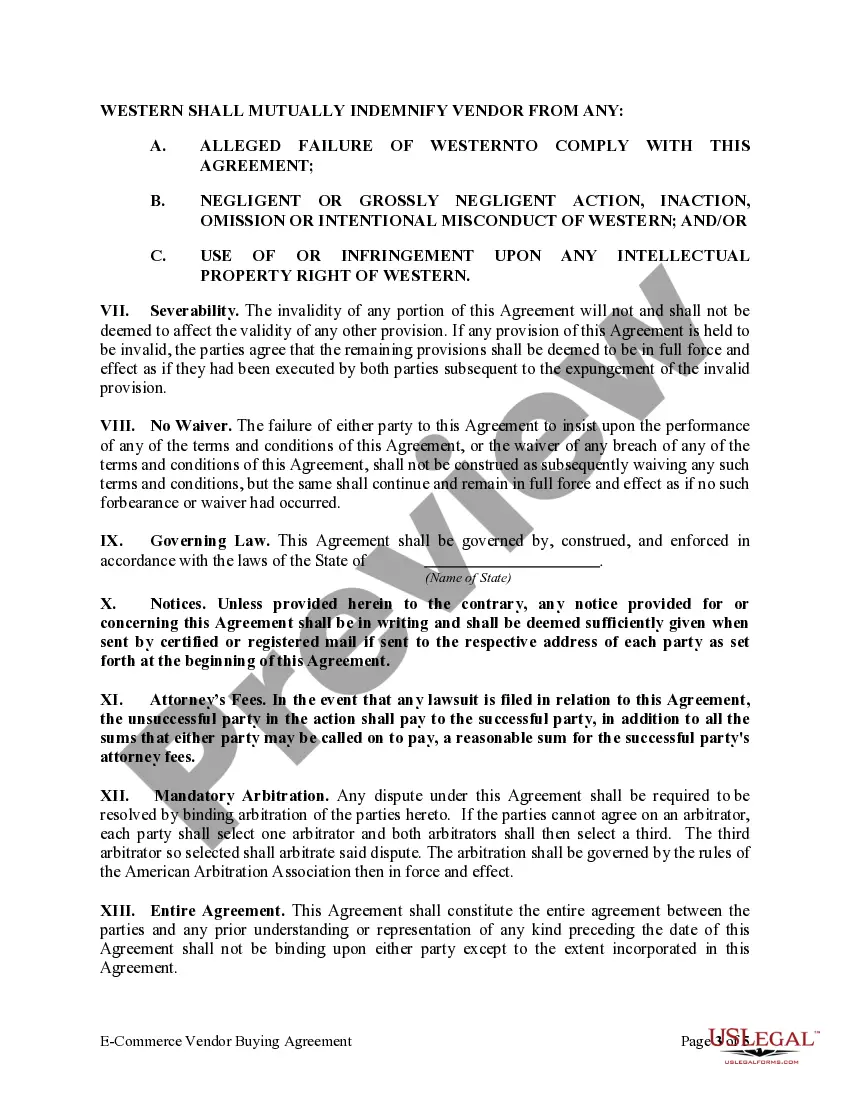
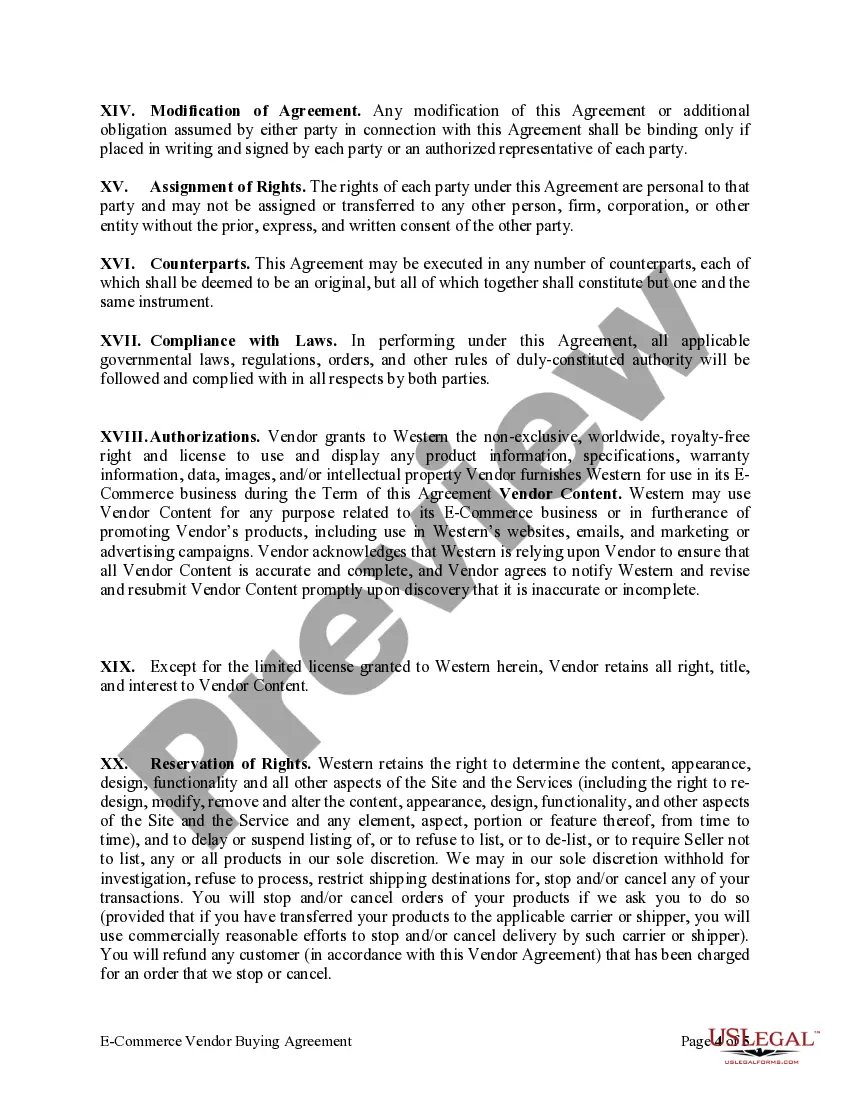

Get your form ready online
Our built-in tools help you complete, sign, share, and store your documents in one place.
Make edits, fill in missing information, and update formatting in US Legal Forms—just like you would in MS Word.
Download a copy, print it, send it by email, or mail it via USPS—whatever works best for your next step.
Sign and collect signatures with our SignNow integration. Send to multiple recipients, set reminders, and more. Go Premium to unlock E-Sign.
If this form requires notarization, complete it online through a secure video call—no need to meet a notary in person or wait for an appointment.
We protect your documents and personal data by following strict security and privacy standards.

Make edits, fill in missing information, and update formatting in US Legal Forms—just like you would in MS Word.

Download a copy, print it, send it by email, or mail it via USPS—whatever works best for your next step.

Sign and collect signatures with our SignNow integration. Send to multiple recipients, set reminders, and more. Go Premium to unlock E-Sign.

If this form requires notarization, complete it online through a secure video call—no need to meet a notary in person or wait for an appointment.

We protect your documents and personal data by following strict security and privacy standards.
Looking for another form?




Form popularity
FAQ
5 key clauses to include in any vendor agreement Scope of Work (SOW) ... Payment terms. Service Level Agreements (SLAs) ... Confidentiality and non-disclosure. Due diligence and termination.
Think about all of the things that matter to you. That should all be in the contract. Remuneration (In whatever form), intellectual property rights, physical work requirements, provision of hardware to do your job, termination terms.
Independent contractor relationships are typically project-specific and time-limited, with a defined scope of work and timeline. In contrast, vendor relationships tend to be more ongoing, with vendors providing a consistent supply of goods or services to their clients over an extended period.
A vendor contract (otherwise known as a vendor agreement) is a business contract between two parties covering the exchange of goods or services in return for compensation. Vendor contracts establish the business relationship conditions and include details on each party's obligations under the contract.
In general, vendors and suppliers provide goods and services directly to your organization to support your operations. In contrast, service providers and third-party vendors provide goods and services to your customers on behalf of your organization. Let's review some examples.
It is therefore a document which simply confirms an agreed level of service that is expected to be provided to meet the business needs of the customer. A SLA is not a contract. The SLA document should be seen as a list of targets, rather than a legal binding agreement.
What are the three types of SLAs? There are three basic types of SLAs: customer, internal and multilevel service-level agreements. A customer service-level agreement is between a service provider and its external or internal customers.
Think of a vendor contract as the blueprint for your entire partnership. It outlines the scope of work, deliverables, payment terms, and legal responsibilities of both parties. It's a comprehensive document that covers everything from the specific services or products to be provided to dispute resolution mechanisms.
A service level agreement (SLA) is an outsourcing and technology vendor contract that outlines a level of service that a supplier promises to deliver to the customer. It outlines metrics such as uptime, delivery time, response time, and resolution time.
