Sample Letter With Re In New York
Description

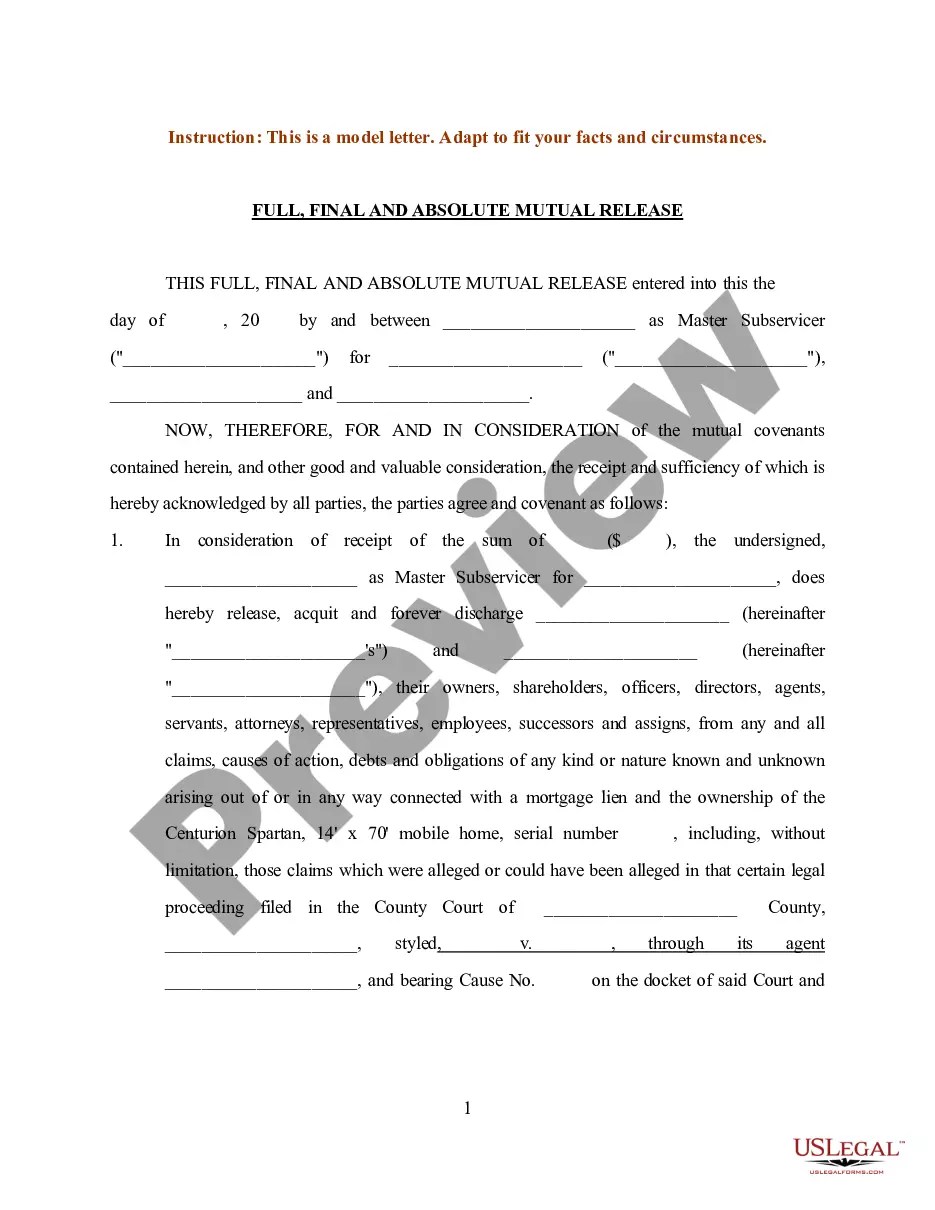
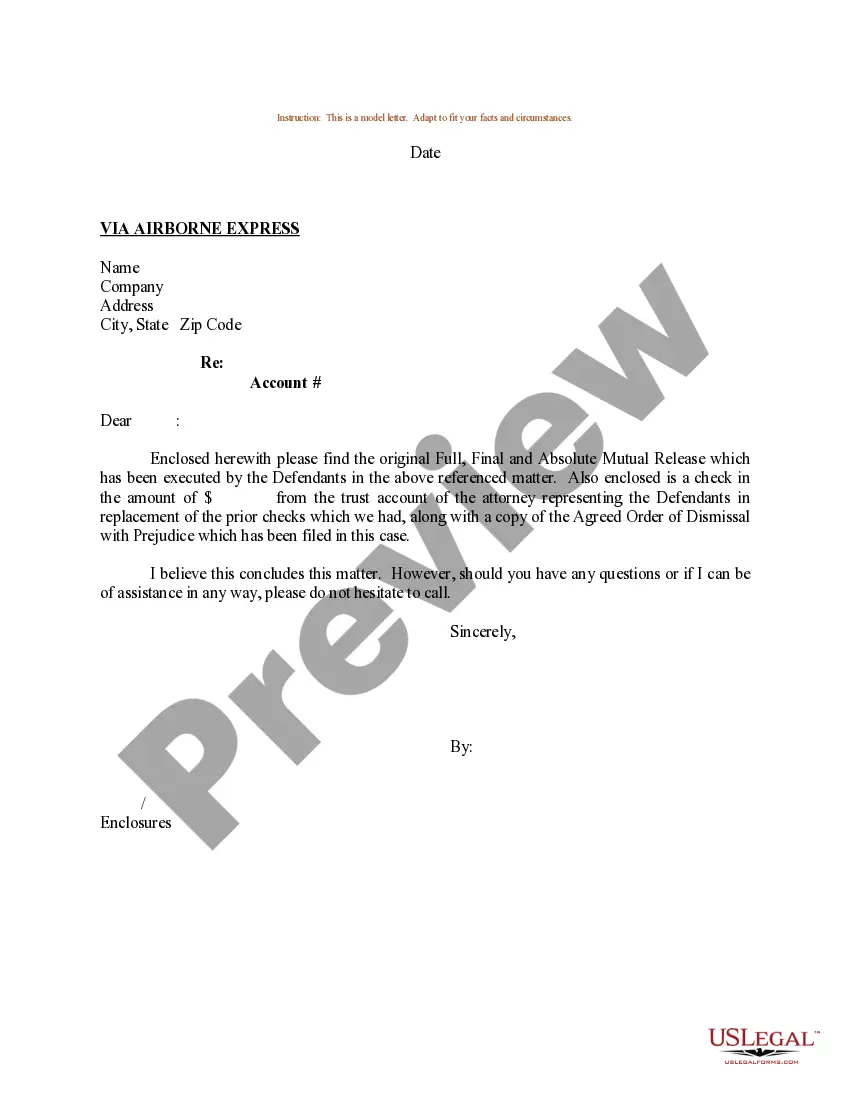
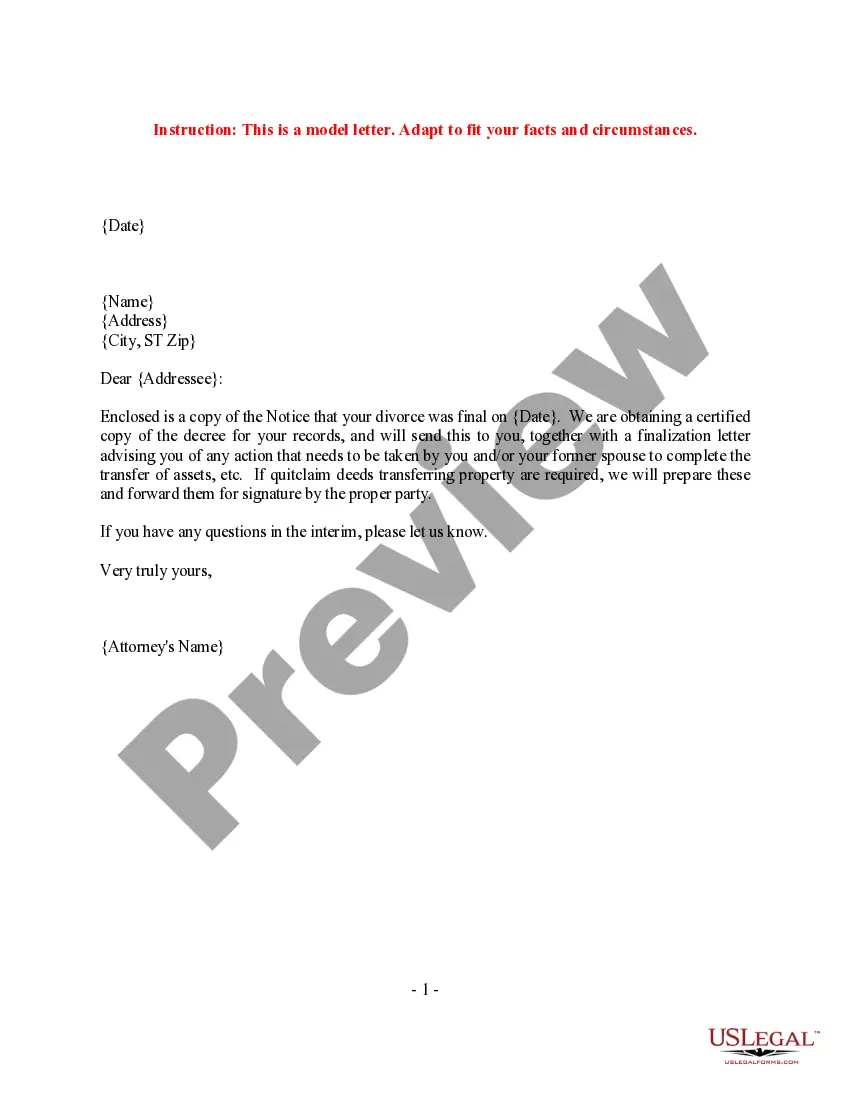
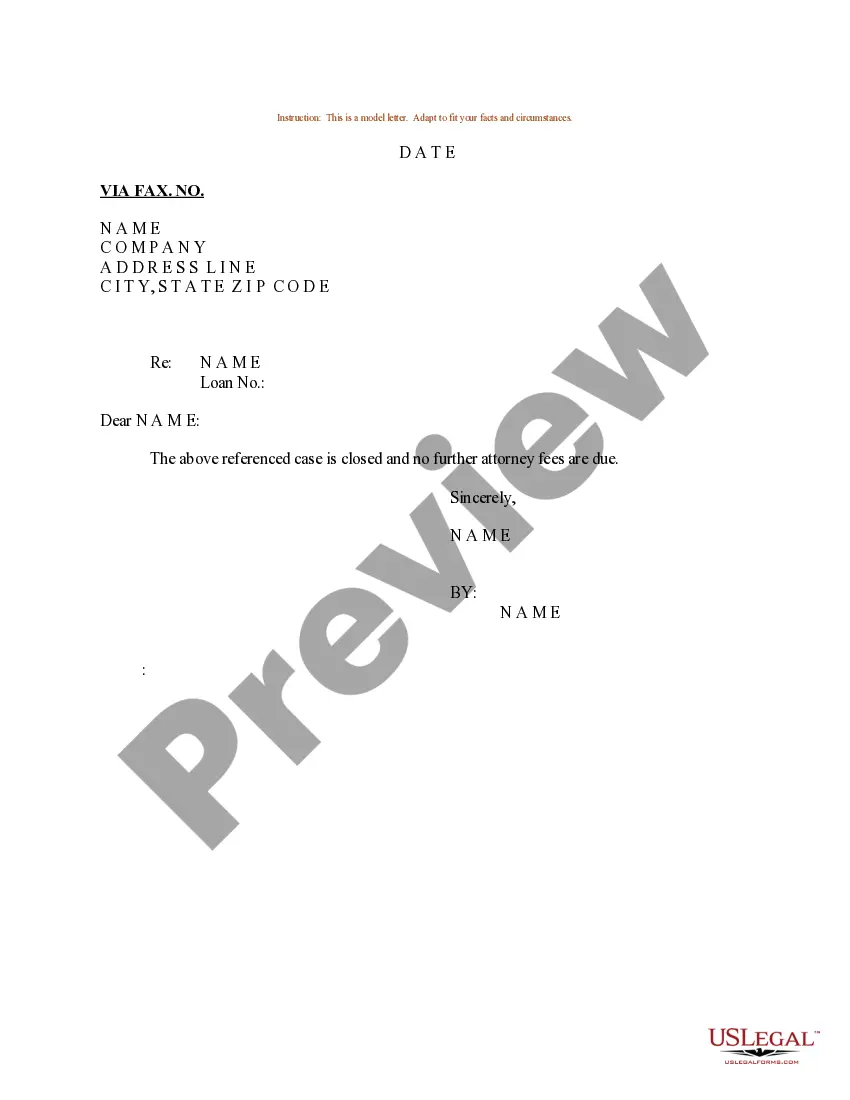
Get your form ready online
Our built-in tools help you complete, sign, share, and store your documents in one place.
Make edits, fill in missing information, and update formatting in US Legal Forms—just like you would in MS Word.
Download a copy, print it, send it by email, or mail it via USPS—whatever works best for your next step.
Sign and collect signatures with our SignNow integration. Send to multiple recipients, set reminders, and more. Go Premium to unlock E-Sign.
If this form requires notarization, complete it online through a secure video call—no need to meet a notary in person or wait for an appointment.
We protect your documents and personal data by following strict security and privacy standards.

Make edits, fill in missing information, and update formatting in US Legal Forms—just like you would in MS Word.

Download a copy, print it, send it by email, or mail it via USPS—whatever works best for your next step.

Sign and collect signatures with our SignNow integration. Send to multiple recipients, set reminders, and more. Go Premium to unlock E-Sign.

If this form requires notarization, complete it online through a secure video call—no need to meet a notary in person or wait for an appointment.

We protect your documents and personal data by following strict security and privacy standards.
Looking for another form?










Form popularity
FAQ
To let you know we adjusted your refund; to request information that supports what you reported on a return; and. to let you know about a change to your tax account.
New York City or Yonkers residents New York City includes the Bronx, Brooklyn, Manhattan, Queens and Staten Island.
For income tax purposes, New York City includes the Bronx, Brooklyn, Manhattan, Queens, and Staten Island. If during the tax year you had a New York City or Yonkers change of resident status, you must complete Form IT-360.1.
Quick guide on how to complete penalty for tampering form 318925 To start the document, utilize the Fill camp; Sign Online button or tick the preview image of the blank. The advanced tools of the editor will direct you through the editable PDF template. Enter your official identification and contact details.
Generally, you are considered a New York State resident for income tax purposes if you are domiciled in the state. For most people this is straightforward: the primary residence where you live is both your state of domicile and the state in which you are a resident for tax purposes.
You are a New York City resident if: your domicile is New York City; or. you have a permanent place of abode there and you spend 184 days or more in the city.
New York Addition: The Income which is not reported in Federal but taxable in the state return is New York State Additions. New York Subtraction: The Income which is reported in Federal but not taxable in the state return is New York State Subtractions.
If you are not a U.S. citizen, you are considered a nonresident of the United States for U.S. tax purposes unless you meet one of two tests. You are a resident of the United States for tax purposes if you meet either the green card test or the substantial presence test for the calendar year (January 1 – December 31).
Any part of any day spent physically in New York, including days in transit, counts as a day of presence in New York. N.Y.C.R.R. 105.20(c). Because residency is determined in part by day count (183-day rule), generally a part-year resident is a person whose domicile changes to or from New York State during a tax year.
How to Apply Complete the affidavit/application. Email the affidavit/application, plus two items of proof of residency to CertResHD@comptroller.nyc or submit in-person at the NYC Comptroller's Office.

