Sample Letter To Irs Requesting Penalty Waiver In Nassau
Description
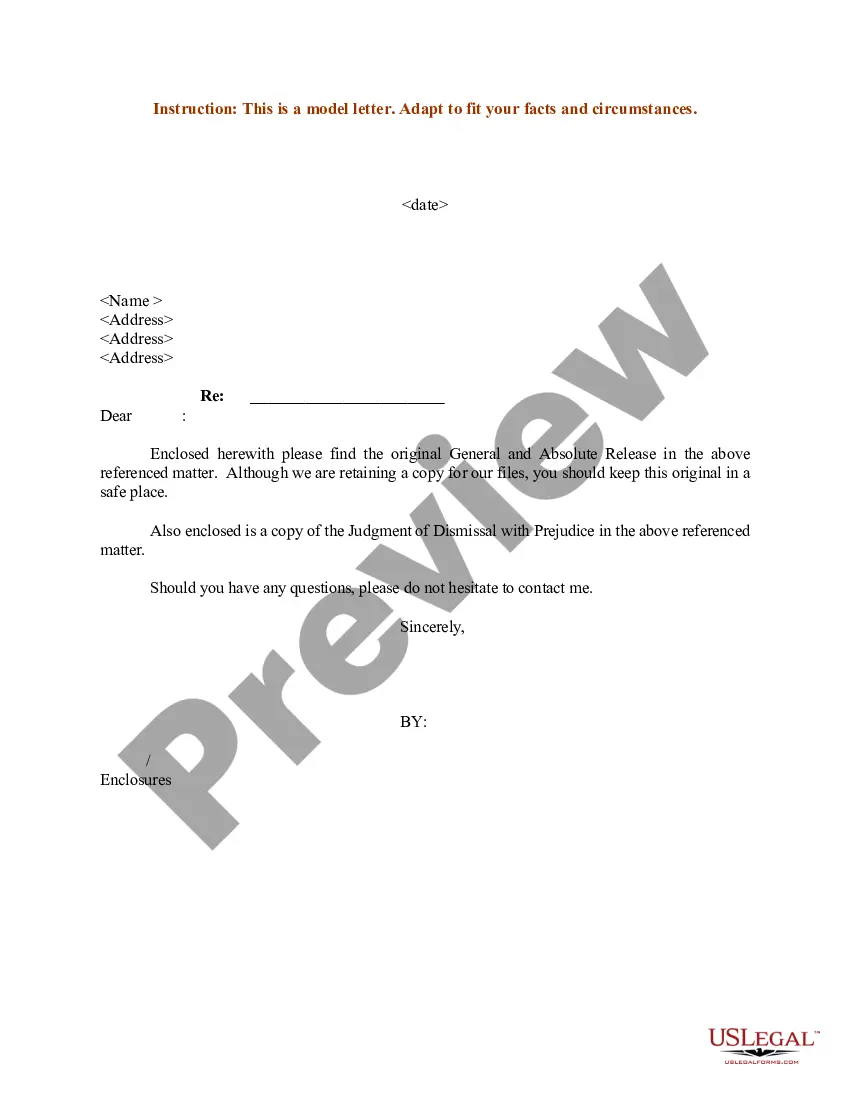
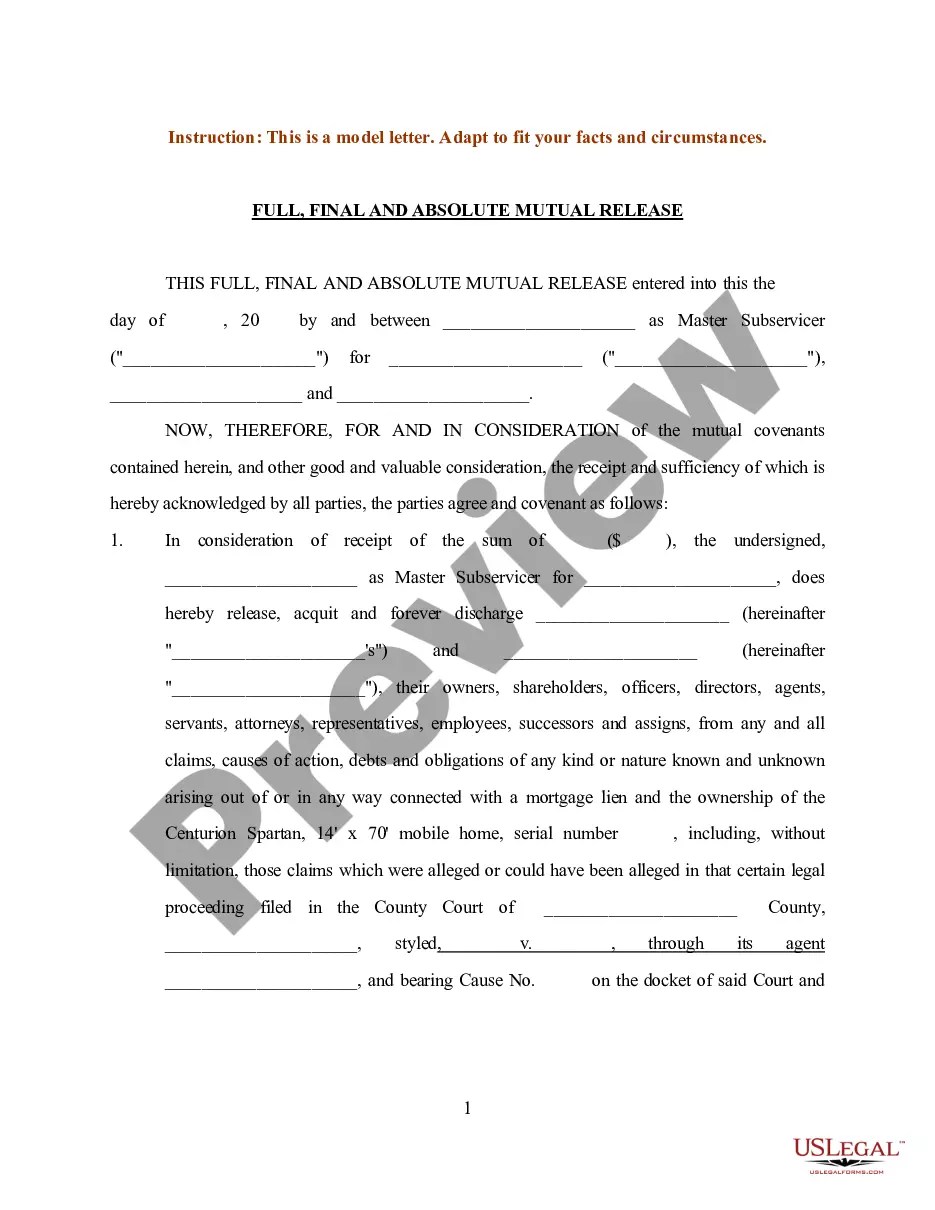
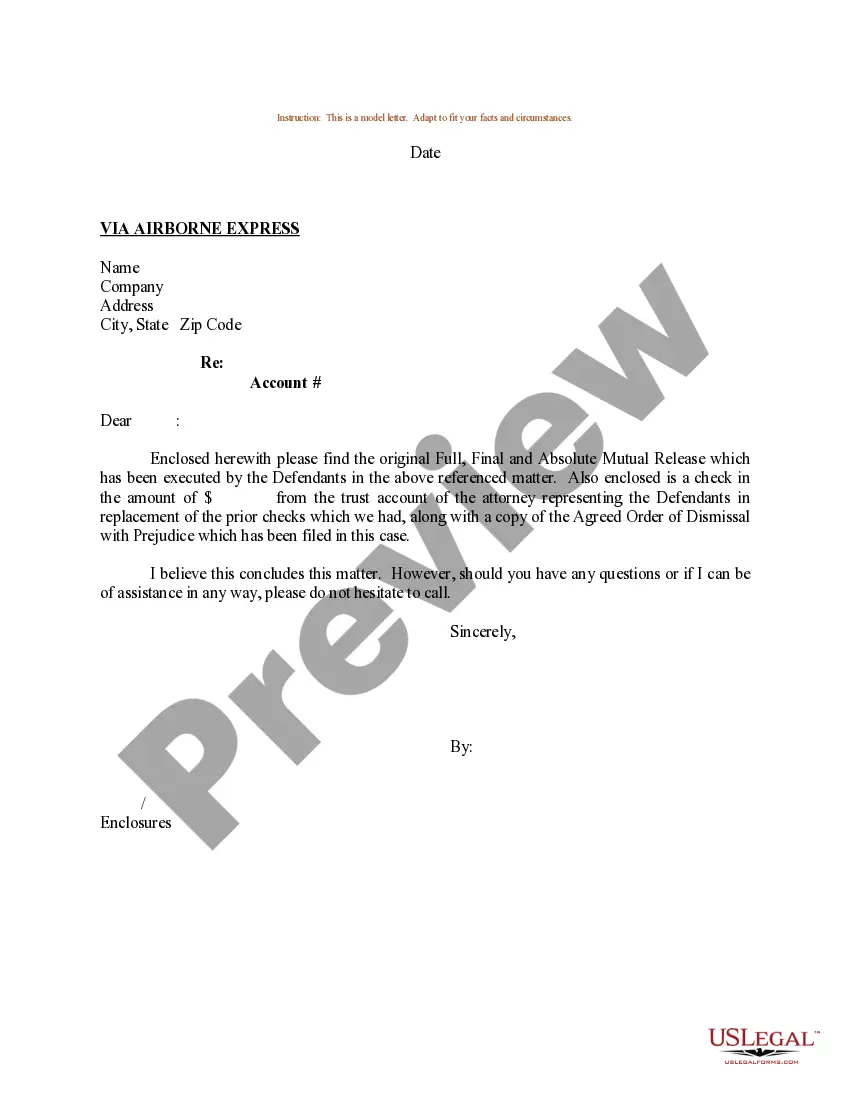
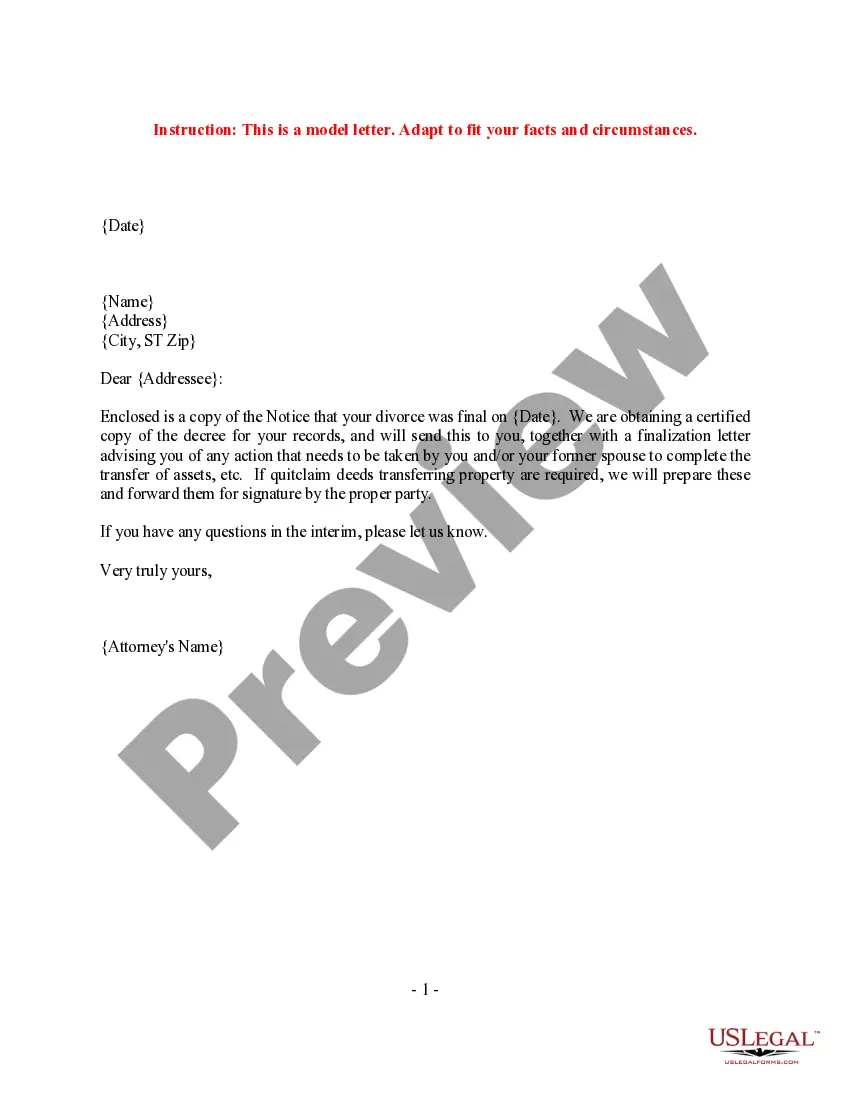
Get your form ready online
Our built-in tools help you complete, sign, share, and store your documents in one place.
Make edits, fill in missing information, and update formatting in US Legal Forms—just like you would in MS Word.
Download a copy, print it, send it by email, or mail it via USPS—whatever works best for your next step.
Sign and collect signatures with our SignNow integration. Send to multiple recipients, set reminders, and more. Go Premium to unlock E-Sign.
If this form requires notarization, complete it online through a secure video call—no need to meet a notary in person or wait for an appointment.
We protect your documents and personal data by following strict security and privacy standards.

Make edits, fill in missing information, and update formatting in US Legal Forms—just like you would in MS Word.

Download a copy, print it, send it by email, or mail it via USPS—whatever works best for your next step.

Sign and collect signatures with our SignNow integration. Send to multiple recipients, set reminders, and more. Go Premium to unlock E-Sign.

If this form requires notarization, complete it online through a secure video call—no need to meet a notary in person or wait for an appointment.

We protect your documents and personal data by following strict security and privacy standards.
Looking for another form?








Form popularity
FAQ
time penalty abatement letter typically contains: Taxpayer name and identification number. Relevant tax form and tax period. Notice number and date (if applicable) Type of penalty and amount. Acknowledgment that the taxpayer fulfills the firsttime penalty abatement criteria.
Responding to a Request for Information Format a business letter. Add the IRS address. Include your personal information. Insert your salutation. Include a copy of the notice you received from the IRS. Identify the information you are providing. Close the letter on a friendly note. Identify any enclosures.
The law allows the IRS to waive the penalty if: You didn't make a required payment because of a casualty event, disaster, or other unusual circumstance and it would be inequitable to impose the penalty, or.
The IRS has criteria for removing penalties due to reasonable cause. Death, Serious Illness, or Unavoidable Absence, Fire, Casualty, Natural Disaster are some reasons. Best to outline your reasons in a letter to the IRS outlining your reasons and ask for abatement.
The IRS ultimately determines whether you qualify for debt forgiveness. However, the agency generally considers taxpayers who meet these criteria: a total tax debt balance of $50,000 or less, and a total income below $100,000 for individuals (or $200,000 for married couples).
IRS Penalty Abatement Request Letter State the type of penalty you want removed. Include an explanation of the events and specific facts and circumstances of your situation, and explain how these events were outside of your control. Attach documents that will prove your case.
Requesting a waiver from the electronic filing requirement Request the waiver by submitting Form 8508, Request for Waiver from Filing Information Returns Electronically PDF. An approved waiver request only provides exemption from the electronic filing requirement for the current tax year.
Many people wonder how many times someone can request abatement can you request first-time abatementMoreMany people wonder how many times someone can request abatement can you request first-time abatement just once per lifetime. Or can it be done more than once the IRS clarified this issue and made it
Steps Format a business letter. Add the IRS address. Include your personal information. Insert your salutation. Include a copy of the notice you received from the IRS. Identify the information you are providing. Close the letter on a friendly note. Identify any enclosures.
Reasonable cause This relief is based on all the facts and circumstances in a taxpayer's situation. The IRS will consider this relief when the taxpayer can show they tried to meet their obligations, but were unable to do so.

