Sample Letters For Home Offers In Montgomery
Description

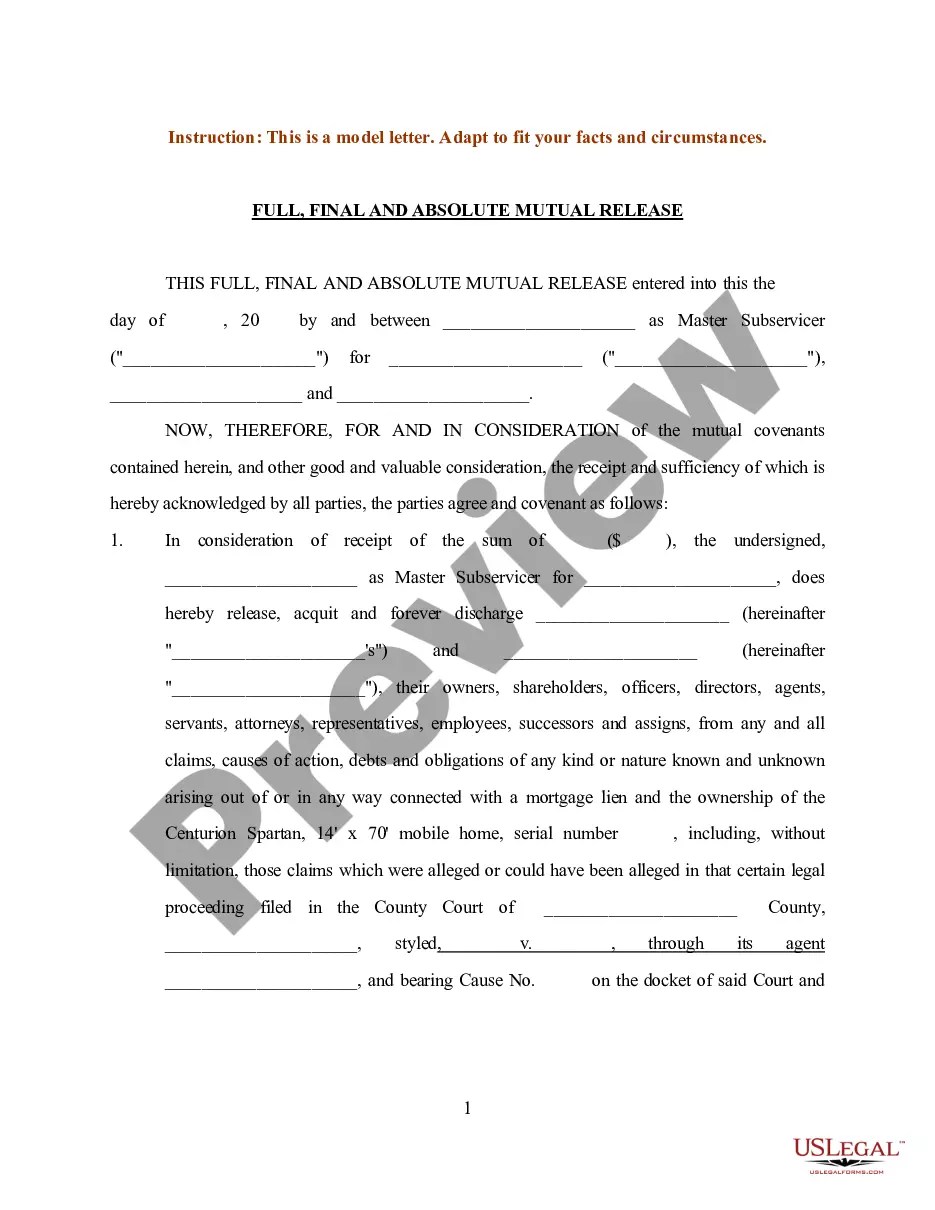
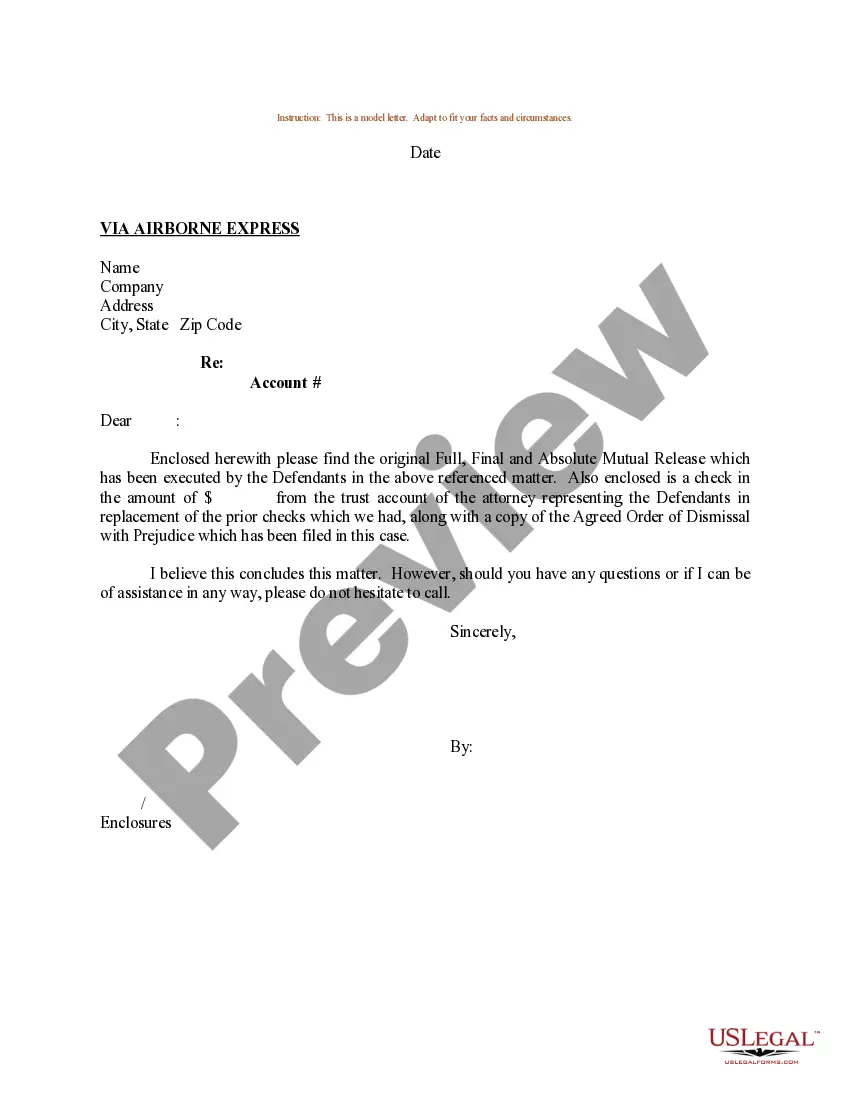
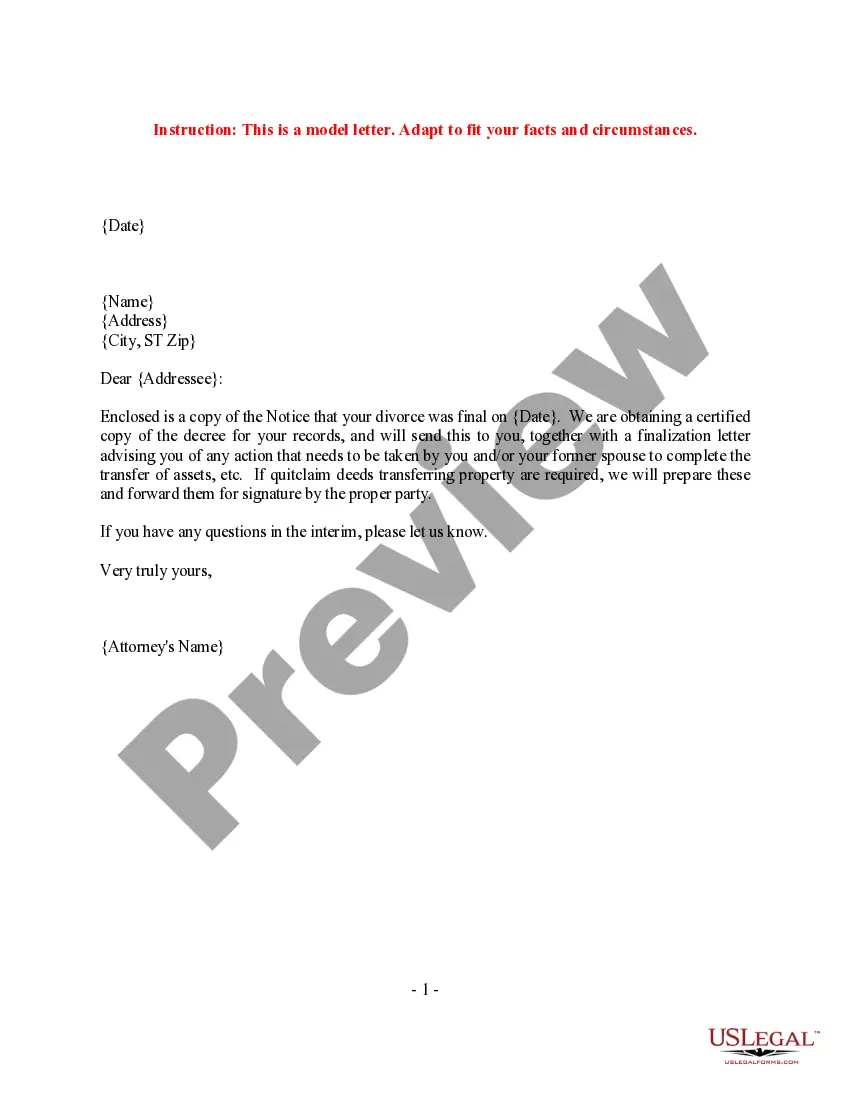
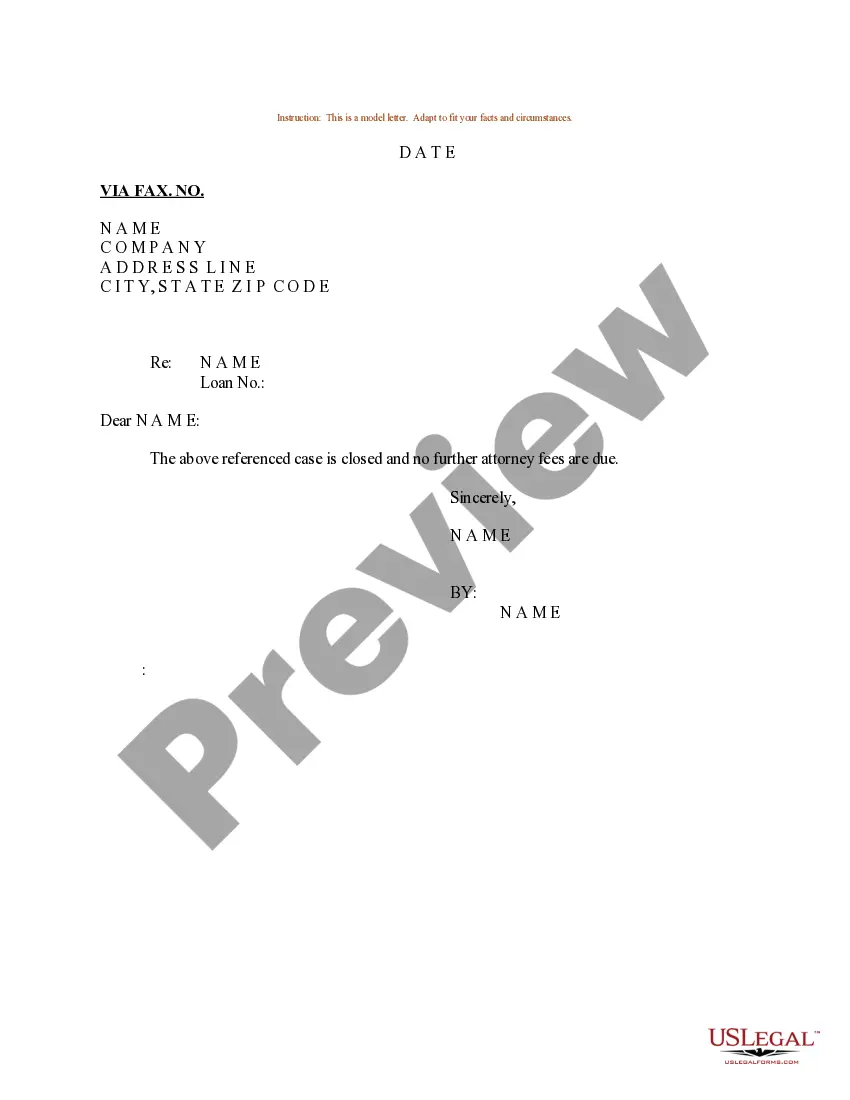
Get your form ready online
Our built-in tools help you complete, sign, share, and store your documents in one place.
Make edits, fill in missing information, and update formatting in US Legal Forms—just like you would in MS Word.
Download a copy, print it, send it by email, or mail it via USPS—whatever works best for your next step.
Sign and collect signatures with our SignNow integration. Send to multiple recipients, set reminders, and more. Go Premium to unlock E-Sign.
If this form requires notarization, complete it online through a secure video call—no need to meet a notary in person or wait for an appointment.
We protect your documents and personal data by following strict security and privacy standards.

Make edits, fill in missing information, and update formatting in US Legal Forms—just like you would in MS Word.

Download a copy, print it, send it by email, or mail it via USPS—whatever works best for your next step.

Sign and collect signatures with our SignNow integration. Send to multiple recipients, set reminders, and more. Go Premium to unlock E-Sign.

If this form requires notarization, complete it online through a secure video call—no need to meet a notary in person or wait for an appointment.

We protect your documents and personal data by following strict security and privacy standards.
Looking for another form?







Form popularity
FAQ
How to write a letter to the seller when buying a home Decide how you want the letter to look. Introduce yourself. Share your love for the home. Describe how you'd live in the house. Explain your offer. Express gratitude. Read over your letter. Deliver the letter to the seller.
While it's not illegal to write them or share with a seller, it is illegal to treat buyers differently based on bias for or against protected classes or characteristics.
7 Tips for Writing the Perfect Real Estate Offer Letter Address the Seller By Name. Highlight What You Like Most About the Home. Share Something About Yourself. Throw in a Personal Picture. Discuss What You Have in Common. Keep it Short. Close the Letter Appropriately. The Bottom Line.
Yes, it can be appropriate and even thoughtful to write a letter to the seller when making an offer on their house. A well-crafted letter can express your genuine interest, explain why you love the property, and provide some personal background. Keep it respectful and focused on your enthusiasm for the home.
Margaret writes: “Why is it illegal/inappropriate to write a letter to the seller of a house?” Michael O'Connor, the president of the Greater Rochester Association of Realtors says writing a letter is not illegal, but it is frowned upon. “The issue is, really, it's a fair housing issue,” O'Connor said.
Love letters can cause fair housing issues if buyers disclose race, familial status, religion, etc. Even a simple statement such as `` my wife and child'' could be grounds for a future lawsuit. That's why some brokers will not allow love letters.
You don't always have to send in an offer letter, but it helps if you think your bid will be lower than those of other prospective buyers. Writing a heartfelt, sincere offer letter could help you stand out from the crowd and sway a buyer. It doesn't need to be verbose or beautifully written, it just needs to be honest.
Real estate love letters can create ethical and legal concerns, as they sometimes introduce unintended biases into the decision-making process. Sellers who consider personal stories over financial offers risk violating fair housing laws, even unintentionally.
The disadvantages of expression of interest include non-commitment leading to uncertainty, potential ambiguity regarding terms, and the risk of wasting time on non-serious buyers or developers.
A letter of interest is a message written to a company or institution asking about employment opportunities. Also known as a letter of inquiry, prospecting letter, or statement of inquiry, a letter of interest usually highlights the sender's skills or strengths to make a good first impression.

