Sample Letter With Signature In Michigan
Description

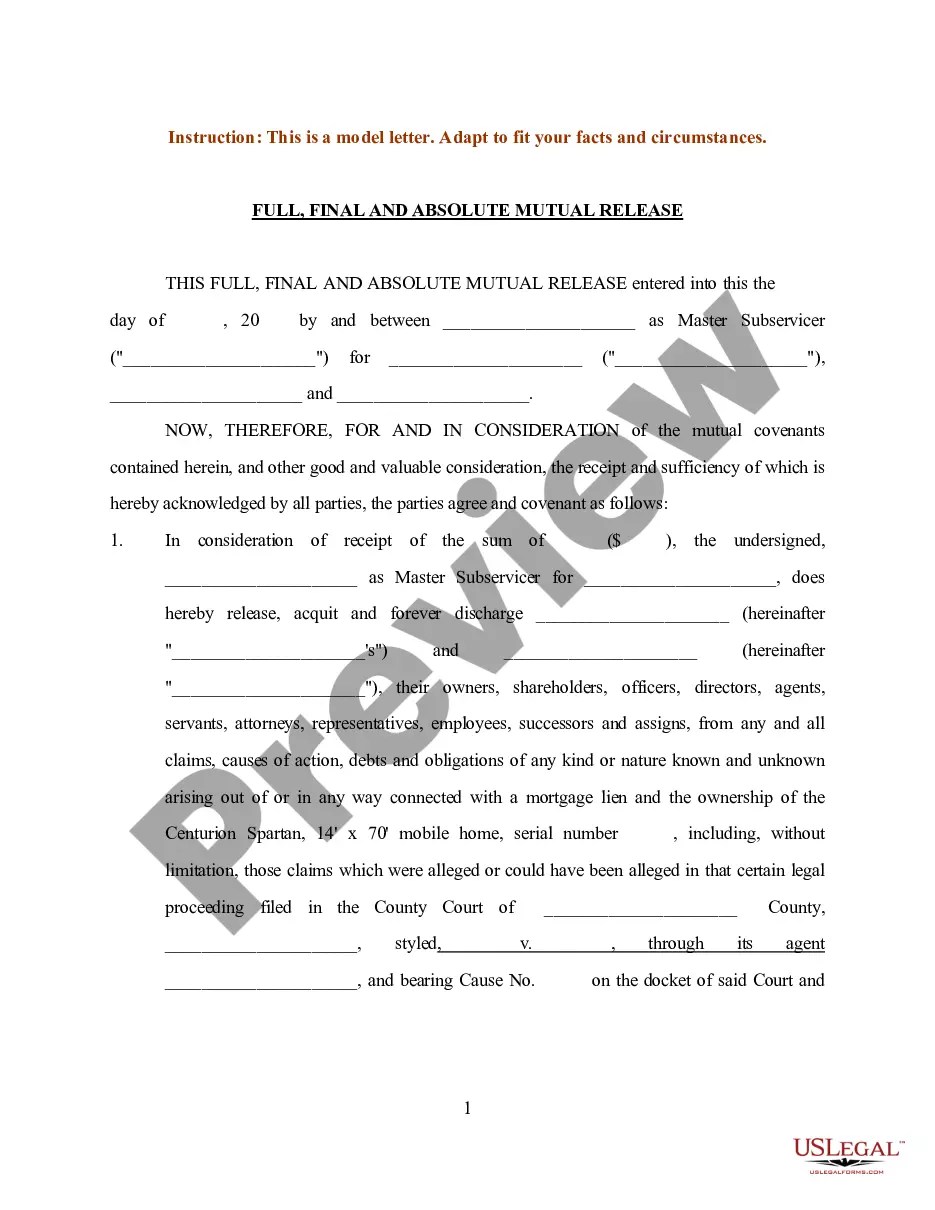
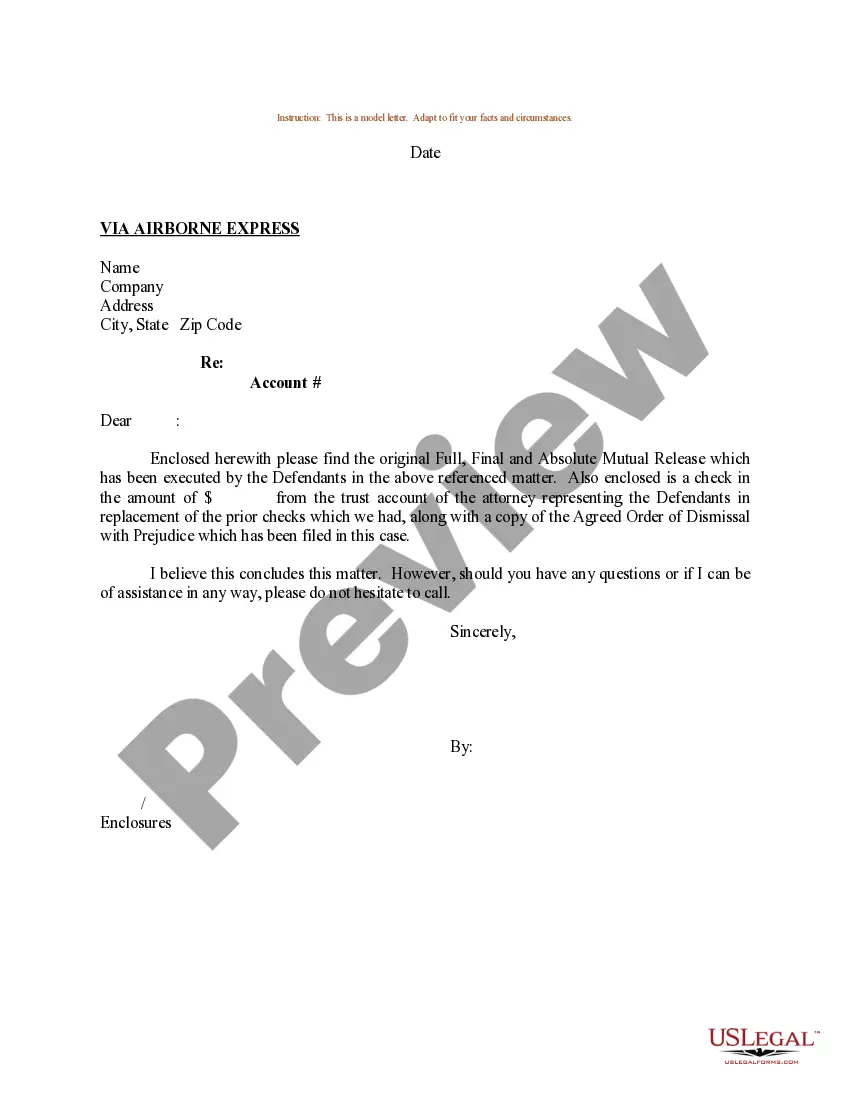
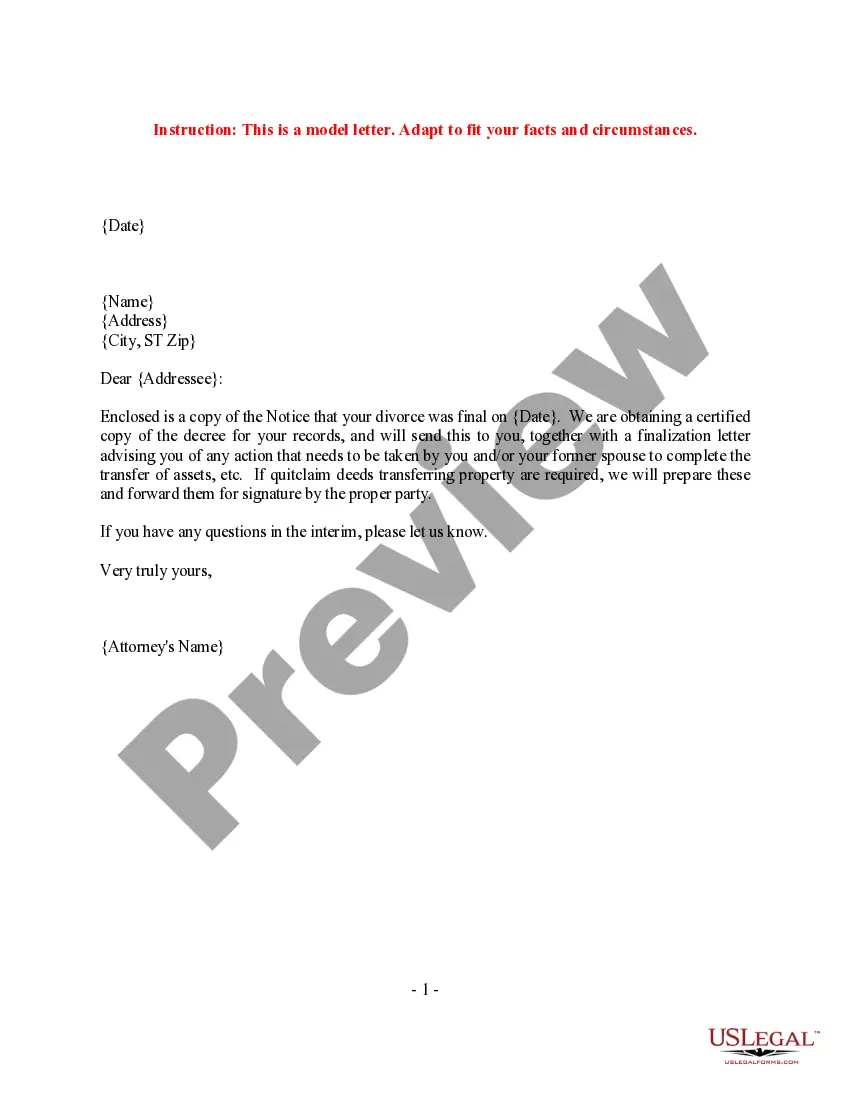
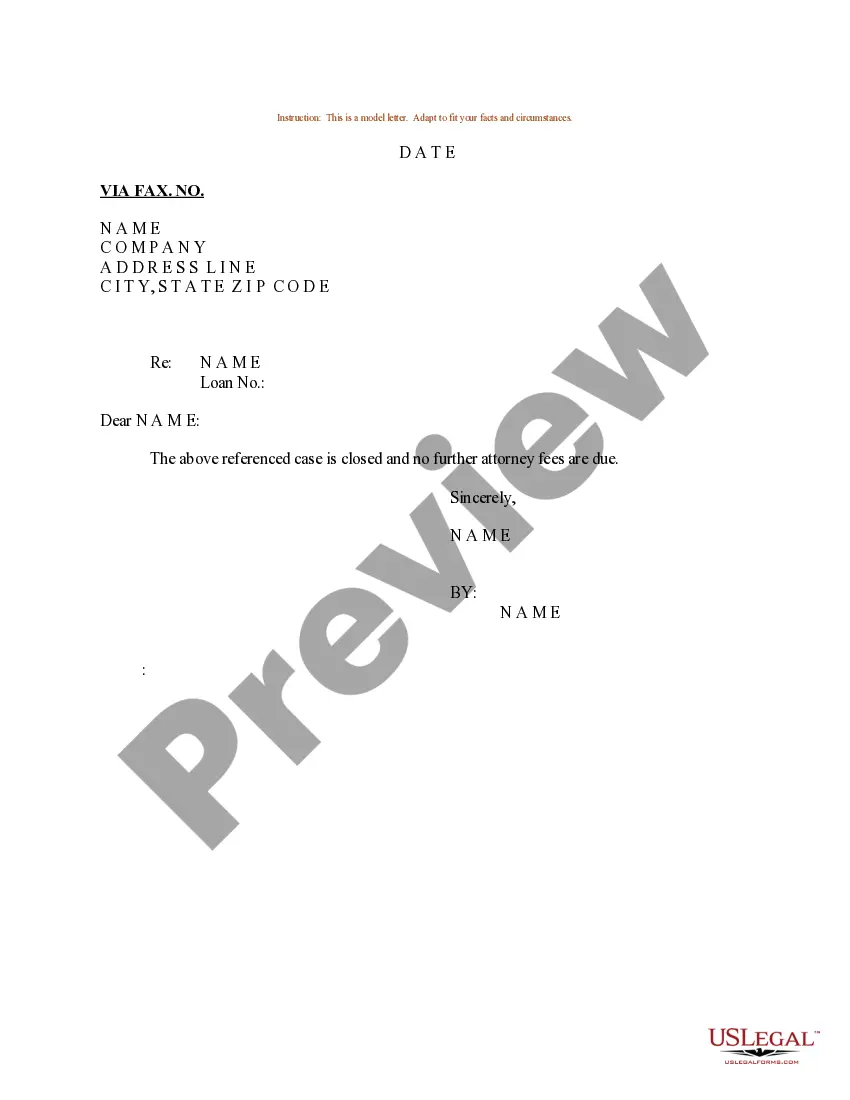
Get your form ready online
Our built-in tools help you complete, sign, share, and store your documents in one place.
Make edits, fill in missing information, and update formatting in US Legal Forms—just like you would in MS Word.
Download a copy, print it, send it by email, or mail it via USPS—whatever works best for your next step.
Sign and collect signatures with our SignNow integration. Send to multiple recipients, set reminders, and more. Go Premium to unlock E-Sign.
If this form requires notarization, complete it online through a secure video call—no need to meet a notary in person or wait for an appointment.
We protect your documents and personal data by following strict security and privacy standards.

Make edits, fill in missing information, and update formatting in US Legal Forms—just like you would in MS Word.

Download a copy, print it, send it by email, or mail it via USPS—whatever works best for your next step.

Sign and collect signatures with our SignNow integration. Send to multiple recipients, set reminders, and more. Go Premium to unlock E-Sign.

If this form requires notarization, complete it online through a secure video call—no need to meet a notary in person or wait for an appointment.

We protect your documents and personal data by following strict security and privacy standards.
Looking for another form?









Form popularity
FAQ
(1) A notary public shall place his or her signature on every record upon which he or she performs a notarial act. The notary public shall sign his or her name exactly as his or her name appears on his or her application for commission as a notary public.
Obtain identification from the person wanting you to notarize his/her signature on a document (e.g., driver's license, state ID, passport, U.S. military ID, employer ID, resident alien ID or Green card). Have the person sign the document in your presence. If an oath is required, administer the oath.
To make a notarized letter, begin with your contact details, create a clear message explaining the purpose of the letter. Include any legal language if necessary. Conclude with a formal closing and leave space for your signature. And that's how you write a statement that needs to be notarized.
Everyone who needs to sign the document must be present - at the same time. Everyone signing the document must have a current Driver's License, State ID, or a valid U.S. Passport.
One of the most common mistakes that notaries make is not printing or signing their name exactly as it appears on their notary commission.
A signer must meet face-to-face with a Notary in order to have their signature notarized. Be sure that any person whose signature needs notarization is available and can attend your appointment with the Notary Public. A Notary cannot notarize a person's signature over the phone or video chat.
The document must be completely filled out – no blank spaces. The document must be in English, so our Clerks are easily able to read it. The signer(s) must be competent and fully understand the document being notarized. The signer(s) must be willing to sign without being coerced.
A proof of service is, in almost all instances, required to be attached to documents that you are filing with the Court. This document is “proof” to the Court of the “service” you completed for the document you are filing.
Write the name of the person swearing to the truthfulness of the contents of the documents. Sign your name exactly as it appears on file with the Secretary of State and affix the official notary seal so that all the required elements of the notary seal appear legibly.

