Sample Letter With Attachment In Maryland
Description
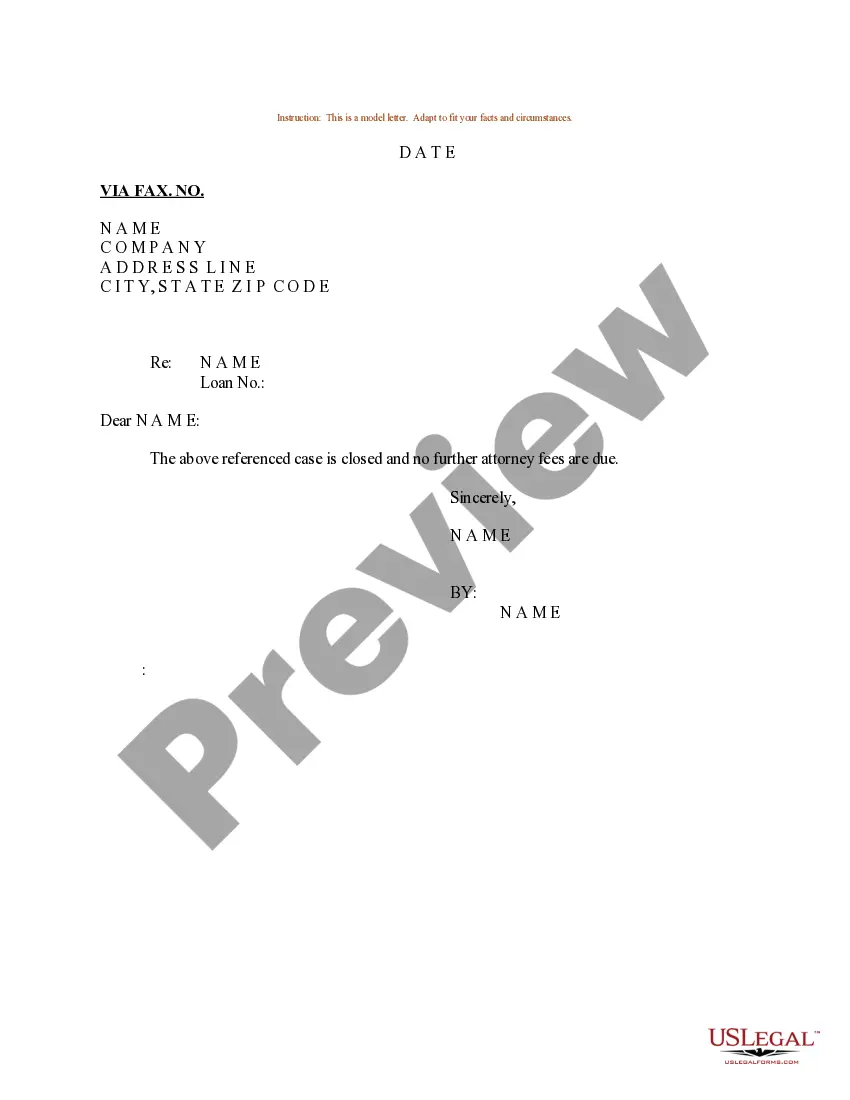
Get your form ready online
Our built-in tools help you complete, sign, share, and store your documents in one place.
Make edits, fill in missing information, and update formatting in US Legal Forms—just like you would in MS Word.
Download a copy, print it, send it by email, or mail it via USPS—whatever works best for your next step.
Sign and collect signatures with our SignNow integration. Send to multiple recipients, set reminders, and more. Go Premium to unlock E-Sign.
If this form requires notarization, complete it online through a secure video call—no need to meet a notary in person or wait for an appointment.
We protect your documents and personal data by following strict security and privacy standards.

Make edits, fill in missing information, and update formatting in US Legal Forms—just like you would in MS Word.

Download a copy, print it, send it by email, or mail it via USPS—whatever works best for your next step.

Sign and collect signatures with our SignNow integration. Send to multiple recipients, set reminders, and more. Go Premium to unlock E-Sign.

If this form requires notarization, complete it online through a secure video call—no need to meet a notary in person or wait for an appointment.

We protect your documents and personal data by following strict security and privacy standards.
Looking for another form?










Form popularity
FAQ
The Statement of Probable Cause is the written section of a statement of charges and typically contains the allegations outlined by the charging officer that form the legal basis for the criminal charges.
Some courts and scholars have suggested probable cause could, in some circumstances, allow for a fact to be established as true to a standard of less than 51%, but as of August 2019, the United States Supreme Court has never ruled that the quantification of probable cause is anything less than 51%.
The sheriff or peace officer shall execute a body attachment by taking the witness into custody and forthwith before a judicial officer in the county where the action is pending or where the witness is taken into custody to post bond. A witness who is unable to post the prescribed bond shall be committed to jail.
For example, the officer may have been called to a store after reports of a shopper acting suspiciously. If the accused is threatening to rob the store or is in clear possession of a firearm, this would give the officer the required probable cause to make an arrest.
The following are six critical sections that must be included: Title. This is either your name (“Affidavit of Jane Doe”) or the specific case information. Statement of identity. The next paragraph tells the court about yourself. Statement of truth. Statement of facts. Closing statement of truth. Sign and notarize.
An affidavit is a special document that promises that the statement you are making is true. The affidavit must be signed by you, and swear (or affirm) under the penalties of perjury that what you are saying is true.
So the victim's statement is one piece of evidence that will be considered in determining whether there is enough evidence, or probable cause, for law enforcement to make an arrest of the offender. The victim's statement could be compelling enough for an arrest.
Different Ways to Say "Please Find Attached" Attached is... I've attached... Enclosed, please find... Kindly find attached... Please see attached... Please see the attached file for... I'm attaching... Attached for your review...
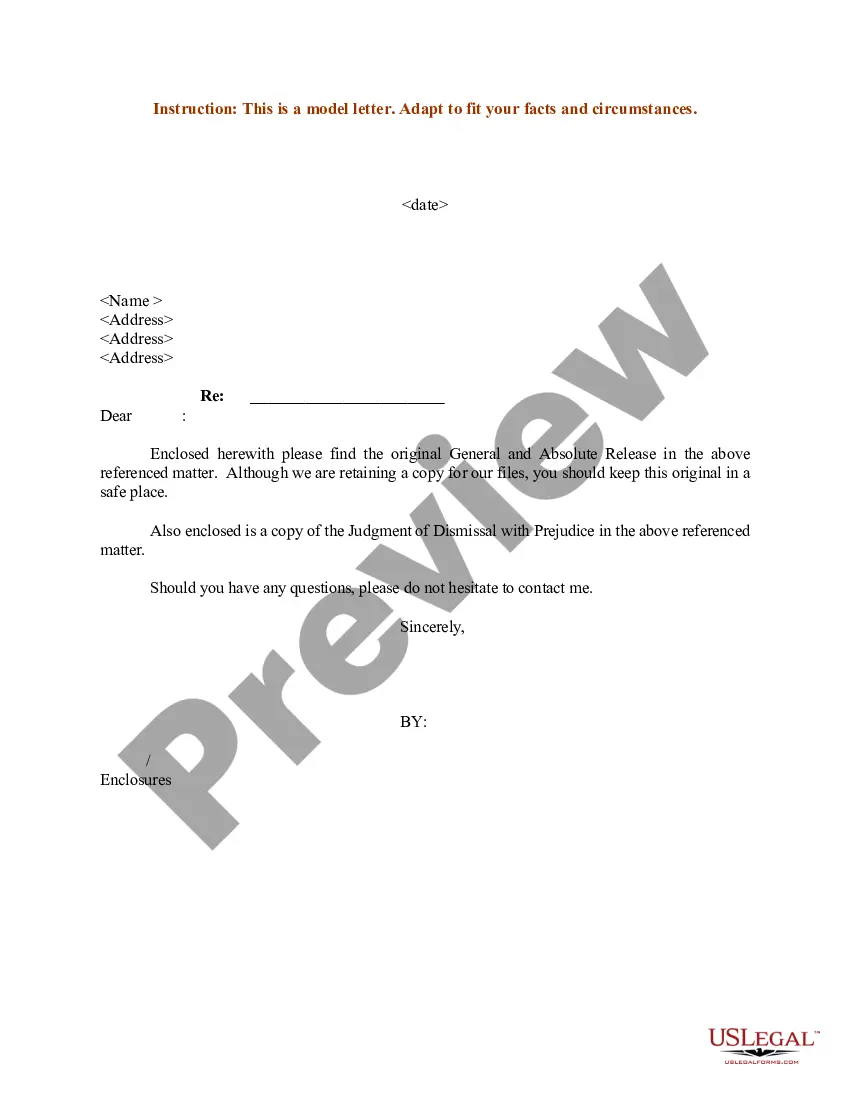
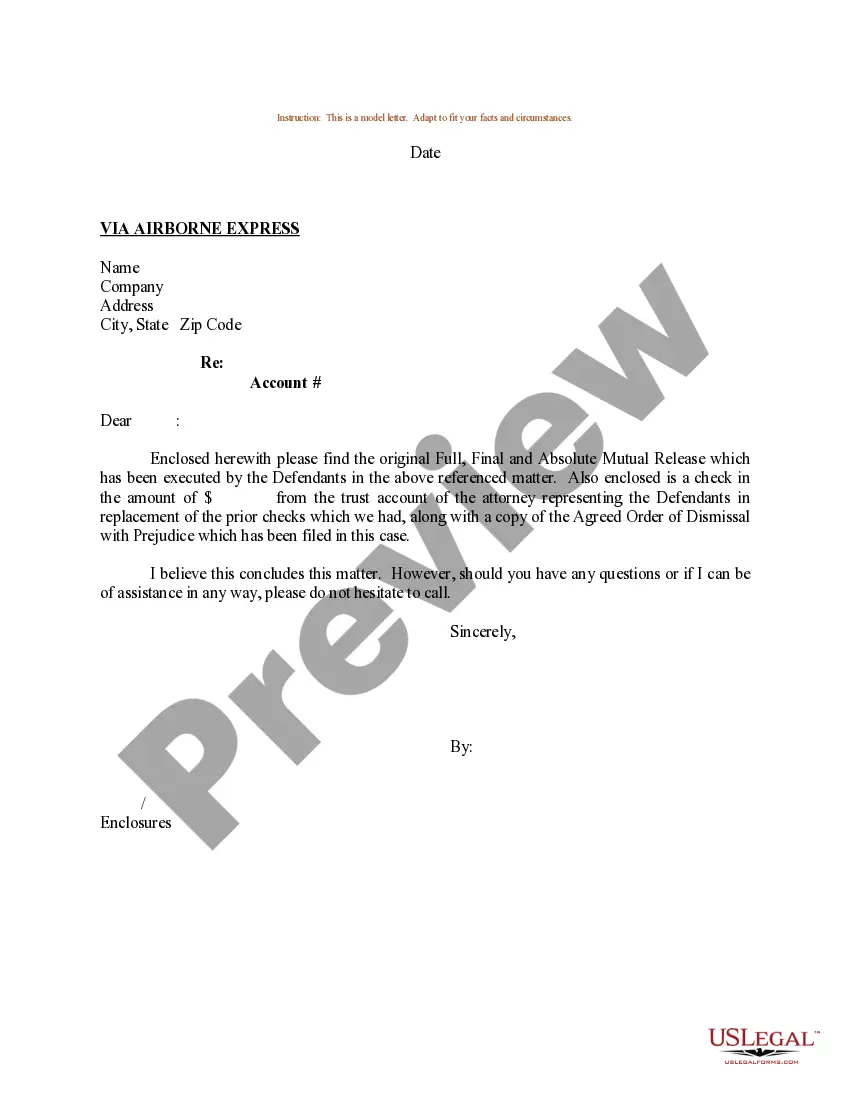
If you have enclosed any documents along with the letter, such as a resume, you indicate this simply by typing Enclosures below the closing. As an option, you may list the name of each document you are including in the envelope.
When writing your letter, you should indicate any attachments or enclosures. You can do this by placing the word “Attachment” or “Enclosure” at the end of your letter, followed by a colon and the name of the document. If you have multiple documents, use the plural form.

