Sample Letter With Re In Illinois
Description

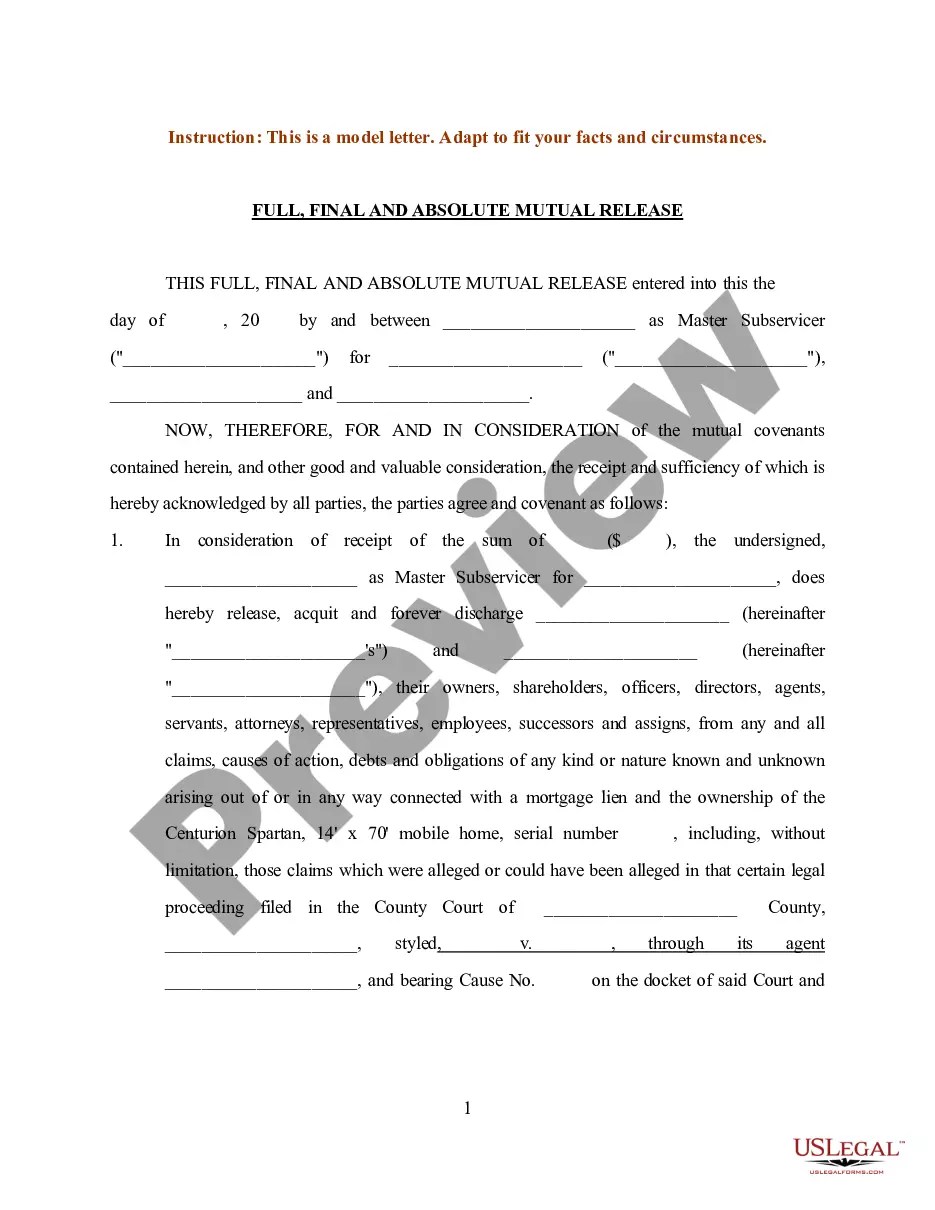
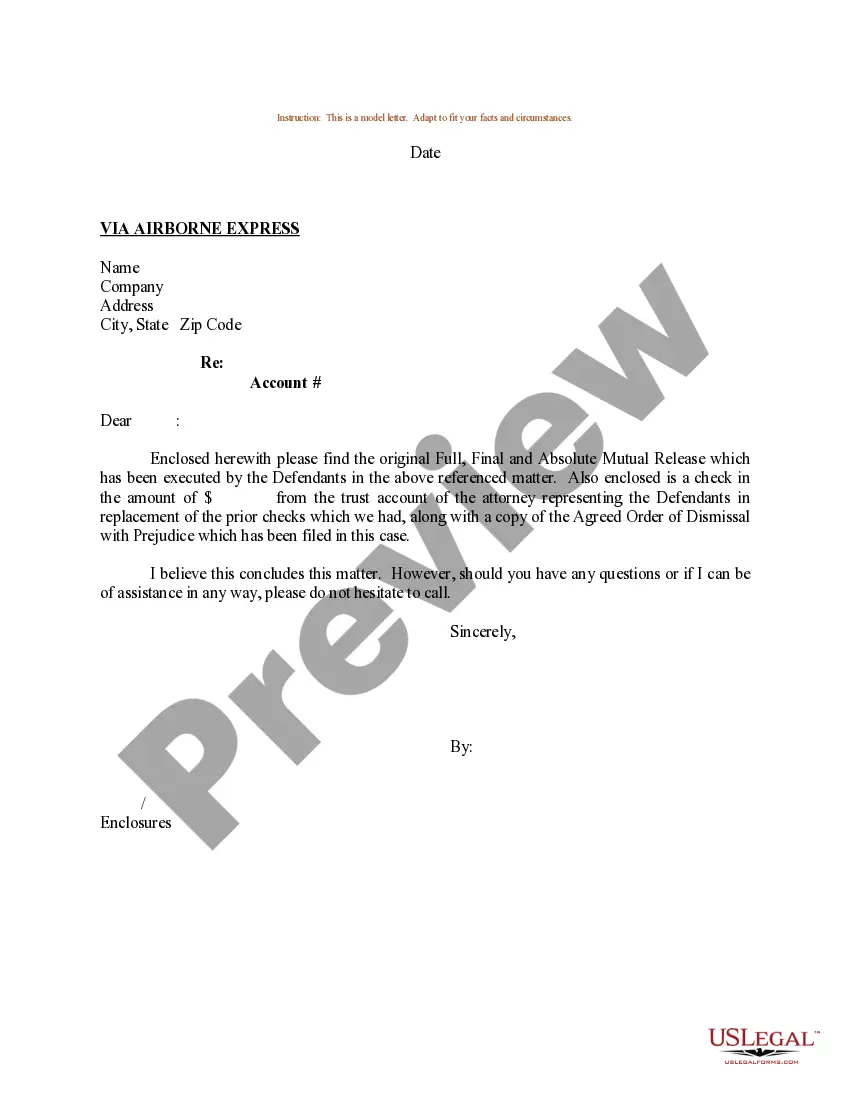
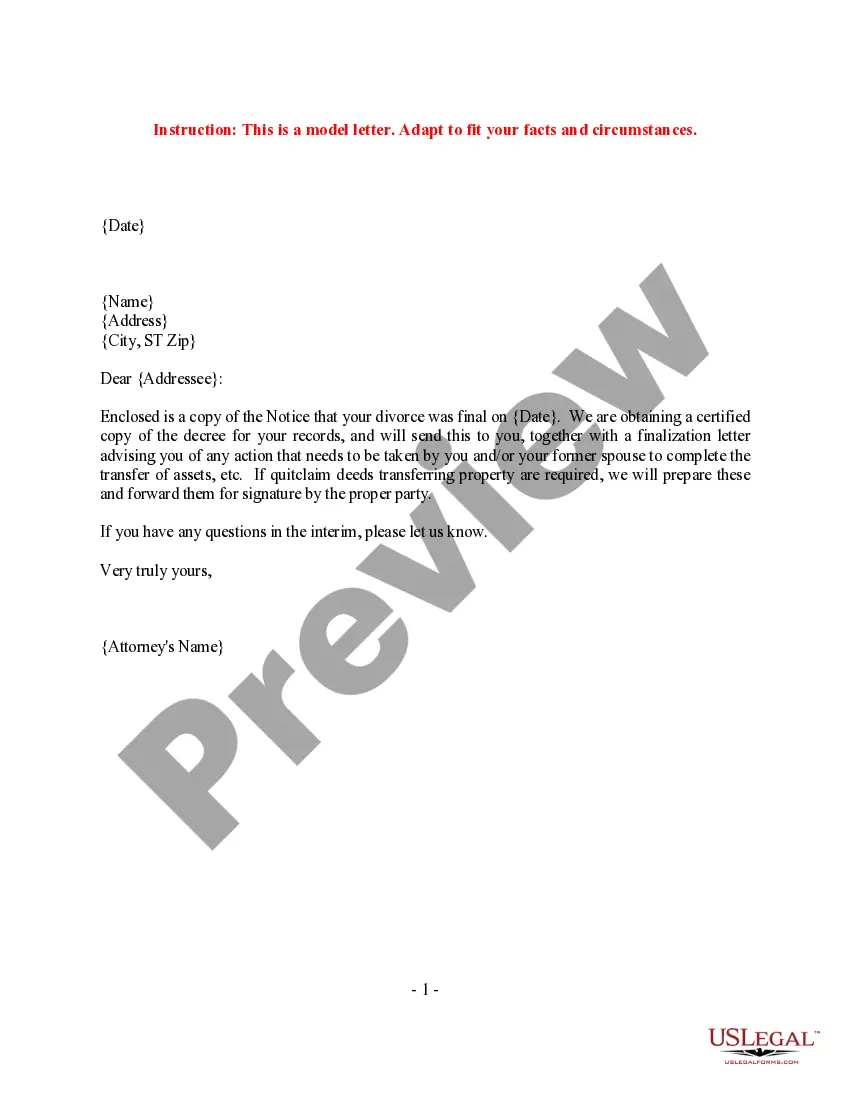
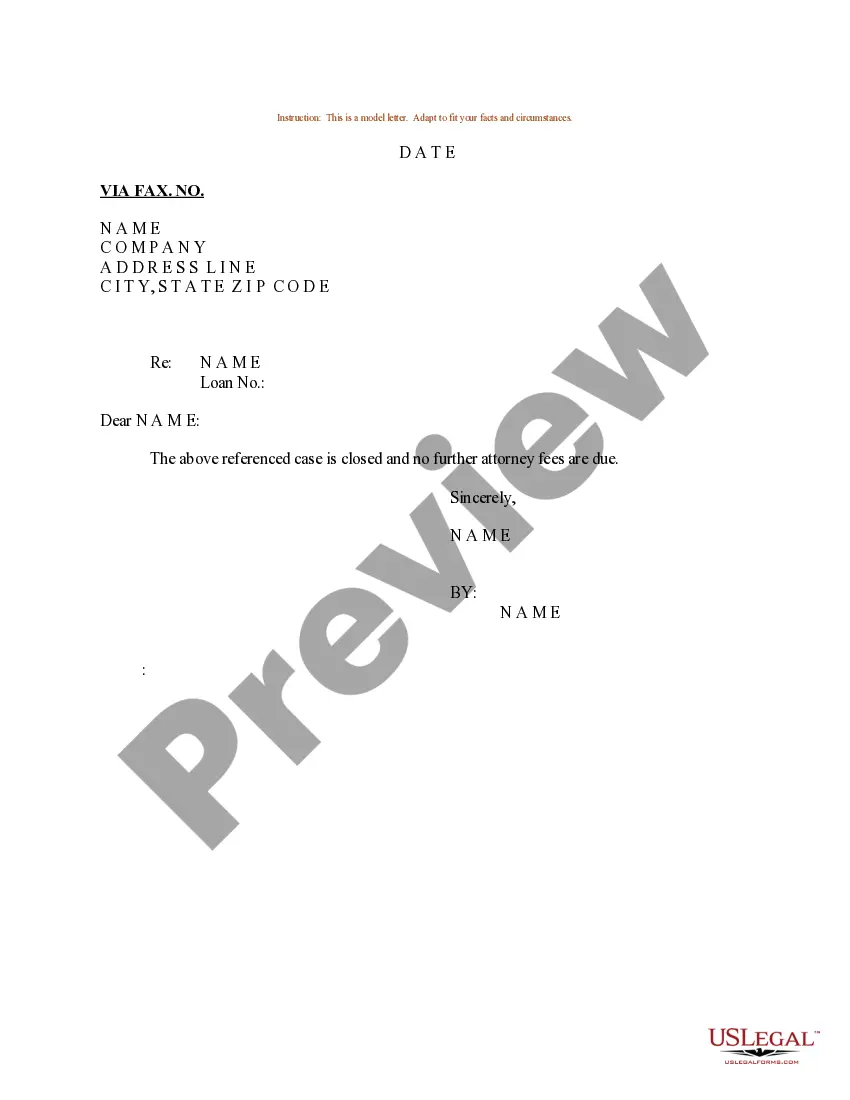
Get your form ready online
Our built-in tools help you complete, sign, share, and store your documents in one place.
Make edits, fill in missing information, and update formatting in US Legal Forms—just like you would in MS Word.
Download a copy, print it, send it by email, or mail it via USPS—whatever works best for your next step.
Sign and collect signatures with our SignNow integration. Send to multiple recipients, set reminders, and more. Go Premium to unlock E-Sign.
If this form requires notarization, complete it online through a secure video call—no need to meet a notary in person or wait for an appointment.
We protect your documents and personal data by following strict security and privacy standards.

Make edits, fill in missing information, and update formatting in US Legal Forms—just like you would in MS Word.

Download a copy, print it, send it by email, or mail it via USPS—whatever works best for your next step.

Sign and collect signatures with our SignNow integration. Send to multiple recipients, set reminders, and more. Go Premium to unlock E-Sign.

If this form requires notarization, complete it online through a secure video call—no need to meet a notary in person or wait for an appointment.

We protect your documents and personal data by following strict security and privacy standards.
Looking for another form?






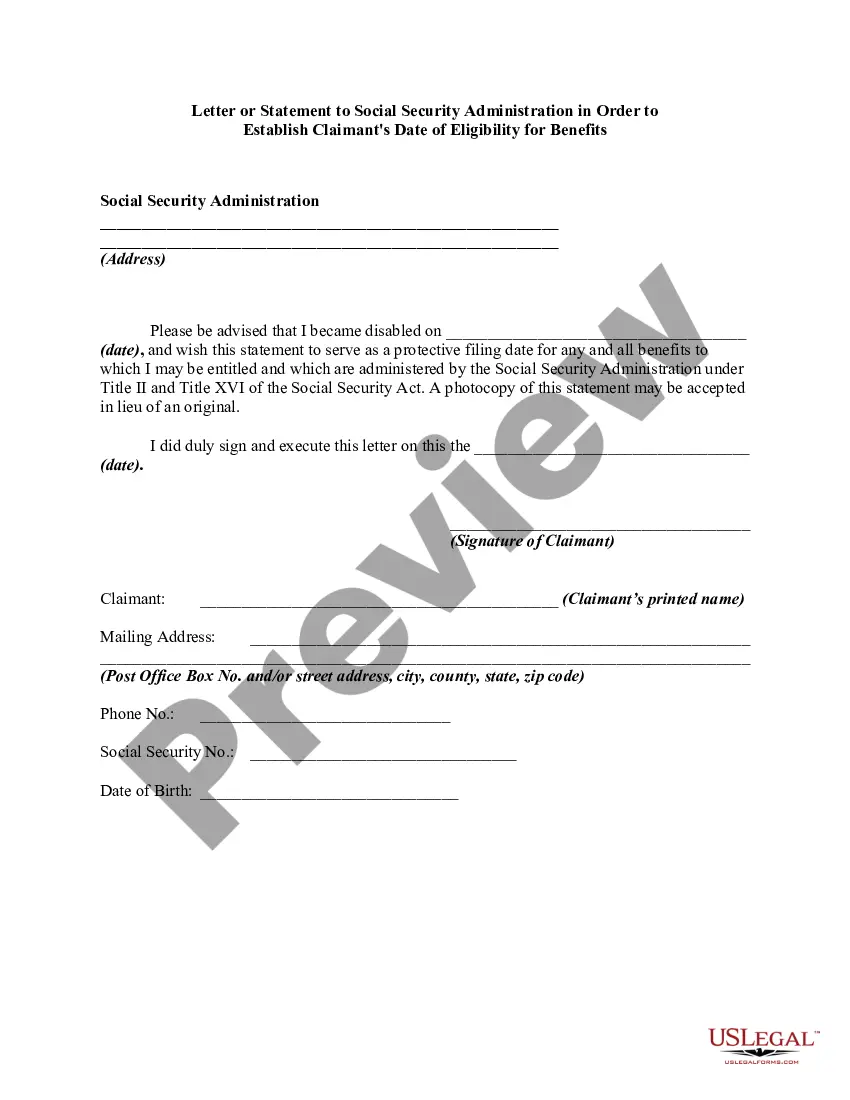


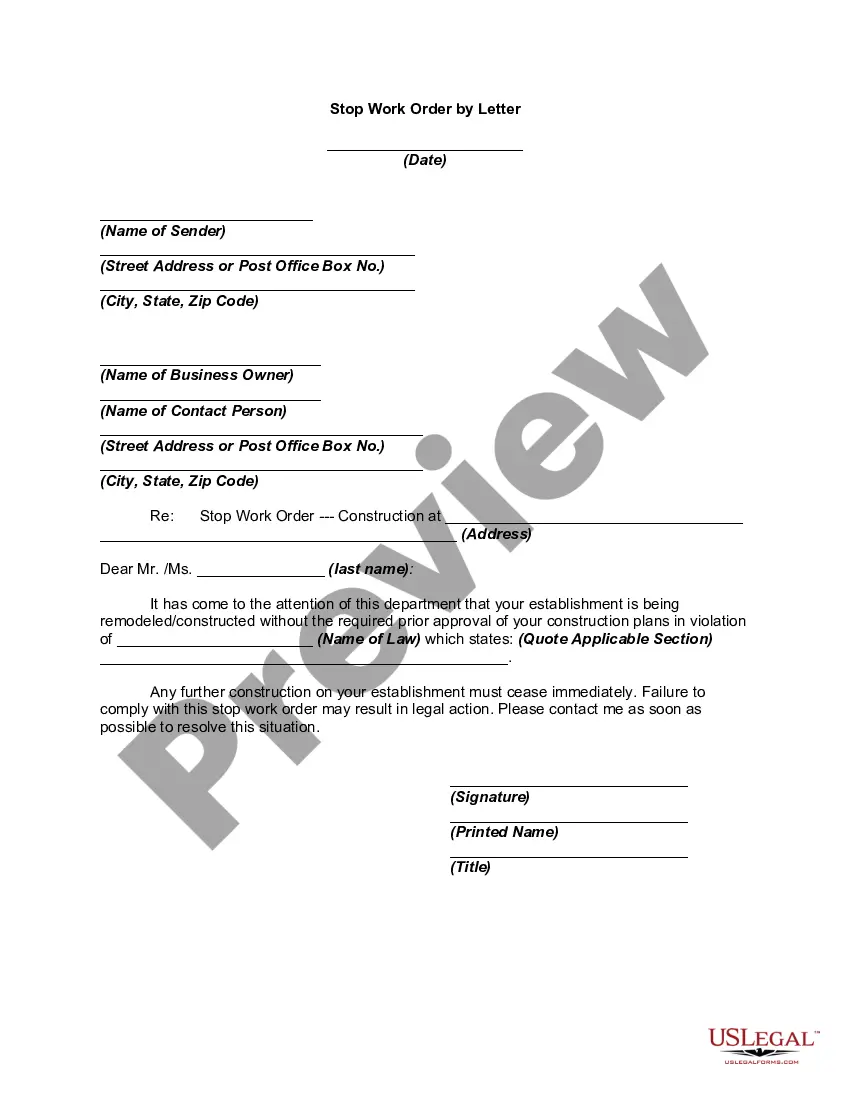
Form popularity
FAQ
Keep it formal and concise. Write your letter on your business or organization letterhead if possible. The recipient likely reads dozens, if not hundreds of letters, so keep yours concise and to the point. Aim for at least one page but no more than two.
Start your letter of recommendation with a greeting that acknowledges the letter's reader. Whenever possible, address them by name. When this isn't possible, use a formal, professional greeting like “To whom it may concern.”
Ask in person first. Before you send a formal, written request for a letter of recommendation, speak with each individual in person. Send a formal letter of recommendation request. Follow up before the due date. Say a final thank you.
It's an audit. Either you didn't report all your income to Illinois, like you forget a w-2, irs caught it, and you didn't amend the state return... or you accidentally filed federal but the state return didn't go through. If you're not clear on what to do, call or email the contact on the letter.
Erroneous Refund Letter (LTR-359-IPD) - These letters notify you of a refund sent to you in error. Respond to the letter with the information requested. Support for Abatement Request (LTR-202) – These letters notify you of the results of your request for abatement of penalties.
The Erroneous Claim for Refund or Credit penalty applies if you submit a claim for refund or credit of income tax for an excessive amount and a reasonable cause does not apply. This IRC 6676 penalty provision was enacted on , by the Small Business and Work Opportunity Act of 2007.
Filing the Motion and Notice of Motion. The Motion and the Notice of Motion need to be e-filed with the Clerk of the Court. The e-Filing system will reject your filing if you do not enter a court date on the form before e-filing it.
Usually, the IRS sends certified letters to inform taxpayers of issues that need attention. Some common reasons for certified letters include an outstanding balance, refund issues, return questions, identification verification, missing information, return changes, and processing delays.
If you receive an IRS notice or letter We may send you a notice or letter if: You have a balance due. Your refund has changed. We have a question about your return. We need to verify your identity.

