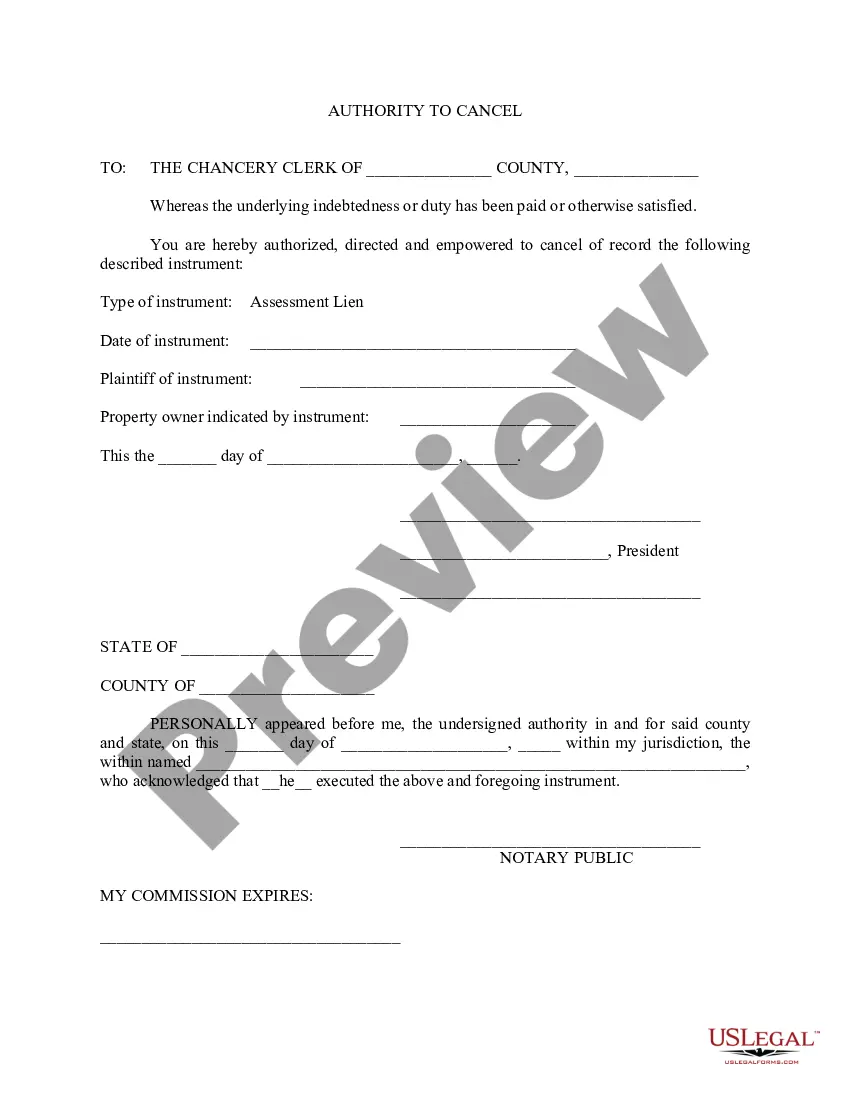
Sample Letter To Irs Requesting Penalty Waiver In Illinois
Description

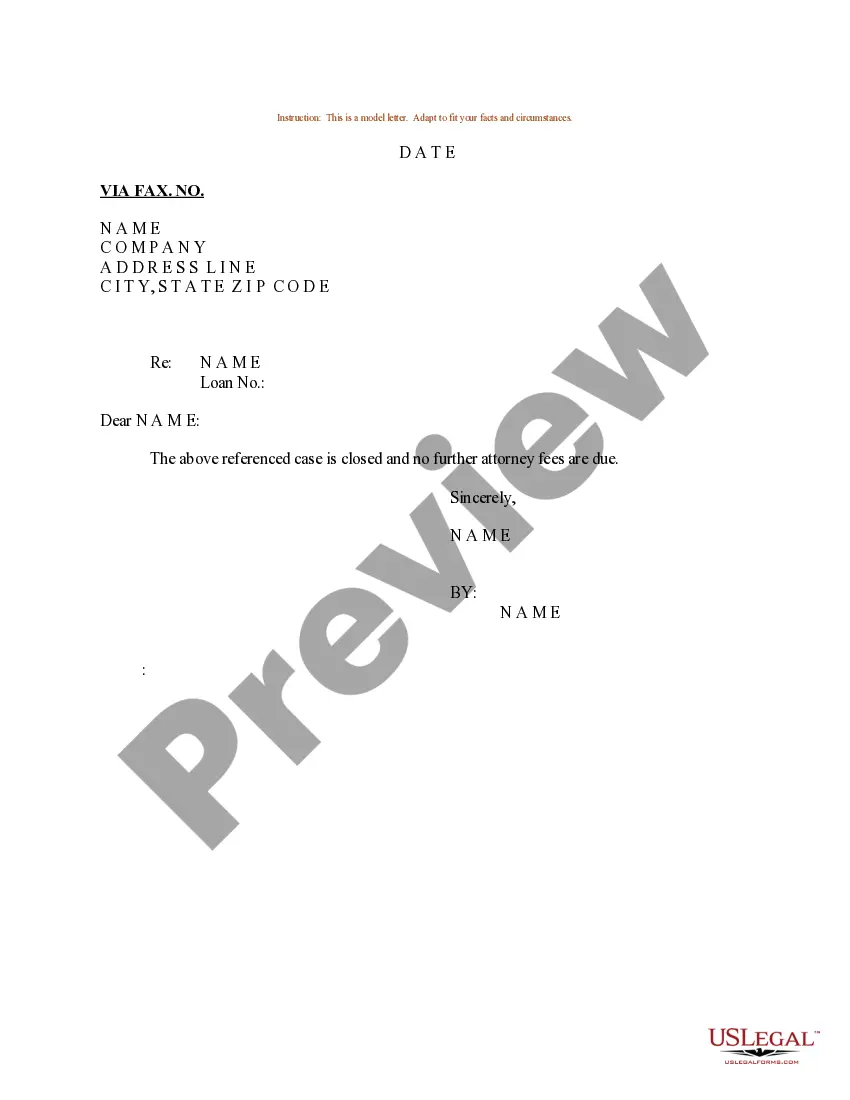
Get your form ready online
Our built-in tools help you complete, sign, share, and store your documents in one place.
Make edits, fill in missing information, and update formatting in US Legal Forms—just like you would in MS Word.
Download a copy, print it, send it by email, or mail it via USPS—whatever works best for your next step.
Sign and collect signatures with our SignNow integration. Send to multiple recipients, set reminders, and more. Go Premium to unlock E-Sign.
If this form requires notarization, complete it online through a secure video call—no need to meet a notary in person or wait for an appointment.
We protect your documents and personal data by following strict security and privacy standards.

Make edits, fill in missing information, and update formatting in US Legal Forms—just like you would in MS Word.

Download a copy, print it, send it by email, or mail it via USPS—whatever works best for your next step.

Sign and collect signatures with our SignNow integration. Send to multiple recipients, set reminders, and more. Go Premium to unlock E-Sign.

If this form requires notarization, complete it online through a secure video call—no need to meet a notary in person or wait for an appointment.

We protect your documents and personal data by following strict security and privacy standards.
Looking for another form?








Form popularity
FAQ
In the body of the letter, explain the reason for your request for penalty waiver. Be factual and provide specific details about your circumstances. If you are claiming reasonable cause, provide supporting evidence to back up your claim.
time penalty abatement letter typically contains: Notice number and date (if applicable) Type of penalty and amount. Acknowledgment that the taxpayer fulfills the firsttime penalty abatement criteria. Optional: Explanation of the taxpayer's situation, circumstances and reasonable cause (review: IRM 20.1.
New York State provides for abatement of late filing and late payment penalties when they're because of reasonable cause rather than willful neglect. Again, like the federal relief, interest on the tax can't be waived for reasonable cause and will continue to accrue on any unpaid balance until the payment date.
If you do not have a recent notice issued to you by IDOR from which you can obtain a Letter ID, then you can select the link “Request a Letter ID” under the 'Individuals' panel on the MyTax Illinois homepage. You must have previously filed a tax return with IDOR in order to activate a logon.
Account Status (LTR-433) – These letters notify you of your Illinois income tax account's status, usually verifying the account to be in good standing. You do not need to respond to this letter. If you have an overpayment, it will be refunded in the method you requested.
In view to the above, I would like to request and appeal for a complete, full waiver of any late penalty imposed unto me as I strongly felt unjustified. Your highest degree of attention to my appeal herein is much appreciated indeed. I would hereby look forward to receiving your positive feedback at your earliest.
IRS Penalty Abatement Request Letter State the type of penalty you want removed. Include an explanation of the events and specific facts and circumstances of your situation, and explain how these events were outside of your control. Attach documents that will prove your case.
Waiver letters are usually brief and limited to two or three paragraphs. Stick to the facts. Don't exaggerate the reasons why you require the waiver or dramatize your situation. Include evidence that supports your reasons for requesting a waiver such as names, dates or anything else that backs up what you say.
Reasonable cause This relief is based on all the facts and circumstances in a taxpayer's situation. The IRS will consider this relief when the taxpayer can show they tried to meet their obligations, but were unable to do so.