Sample Letters For Scholarship Application In Houston
Description

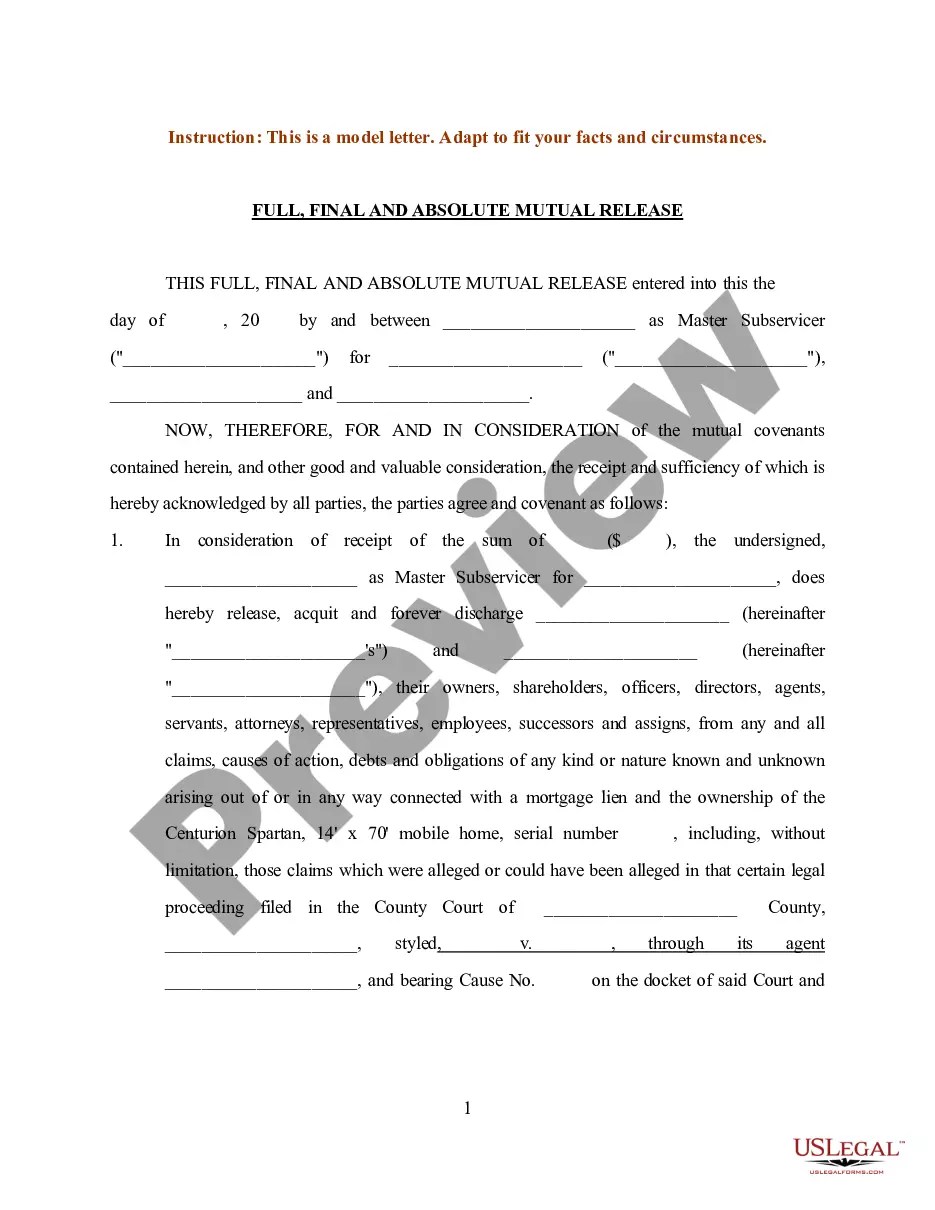
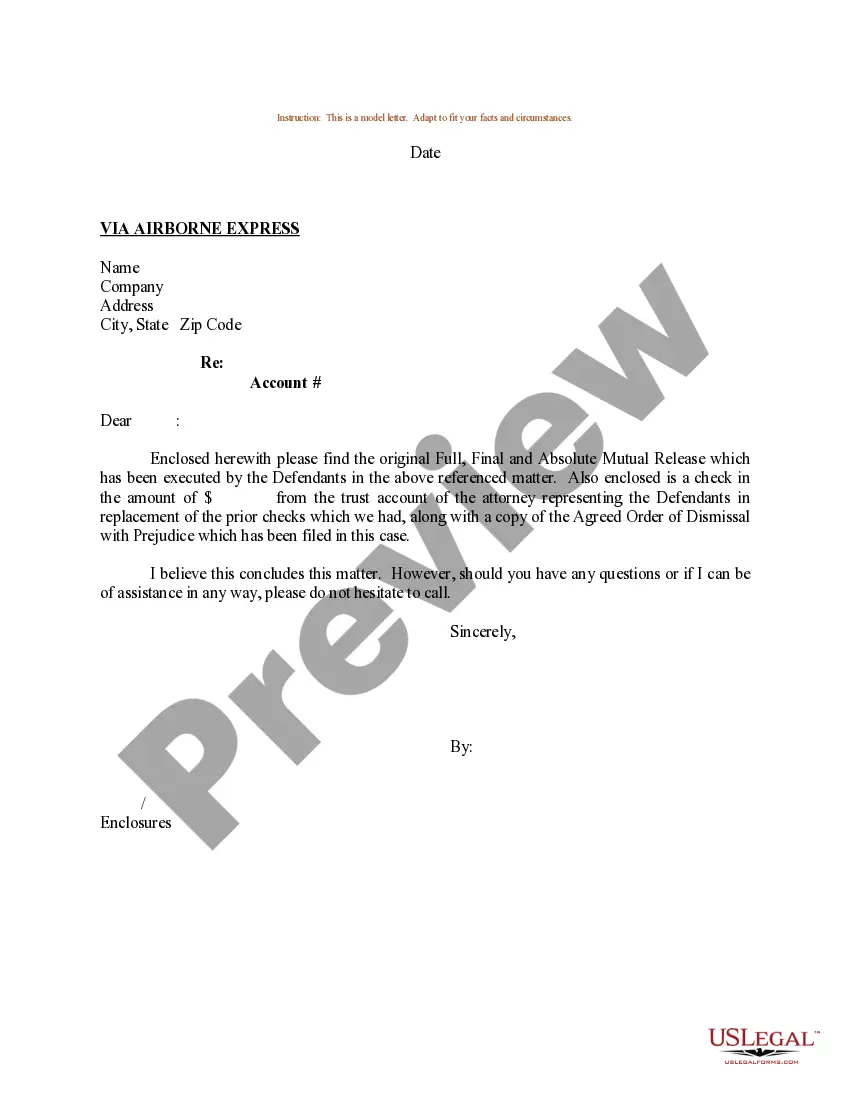
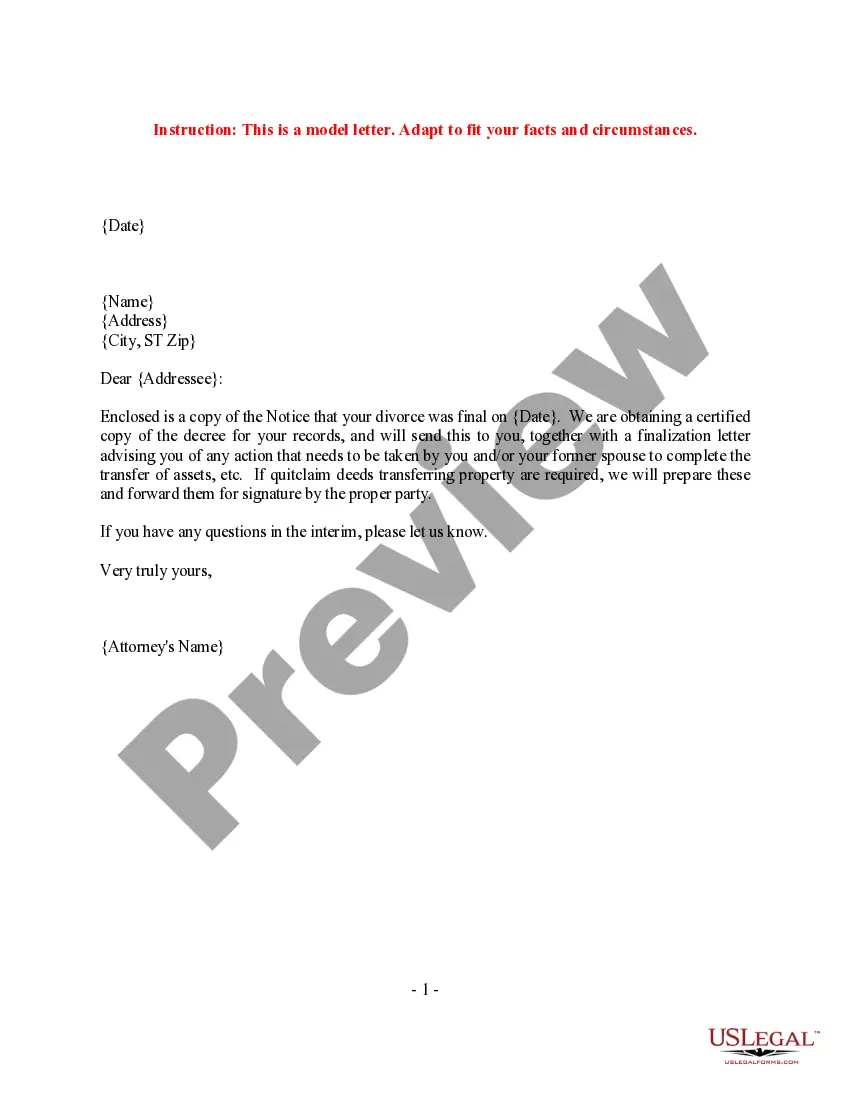
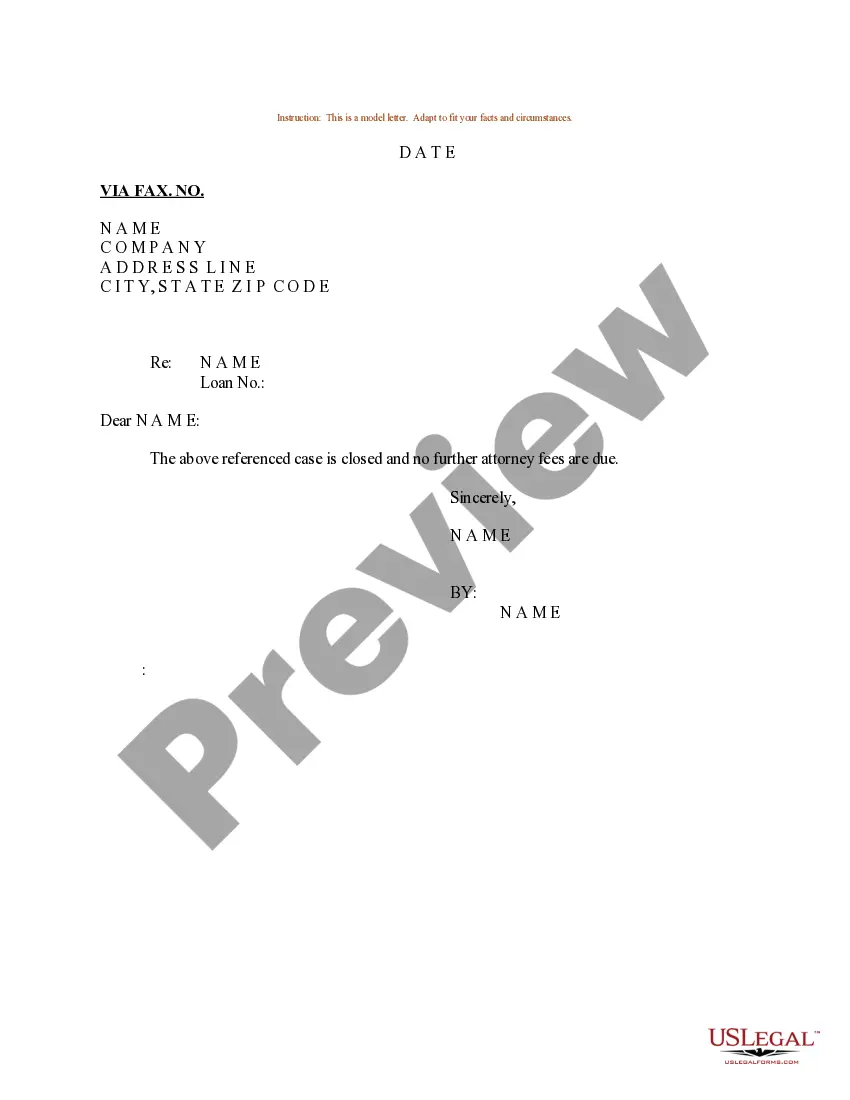
Get your form ready online
Our built-in tools help you complete, sign, share, and store your documents in one place.
Make edits, fill in missing information, and update formatting in US Legal Forms—just like you would in MS Word.
Download a copy, print it, send it by email, or mail it via USPS—whatever works best for your next step.
Sign and collect signatures with our SignNow integration. Send to multiple recipients, set reminders, and more. Go Premium to unlock E-Sign.
If this form requires notarization, complete it online through a secure video call—no need to meet a notary in person or wait for an appointment.
We protect your documents and personal data by following strict security and privacy standards.

Make edits, fill in missing information, and update formatting in US Legal Forms—just like you would in MS Word.

Download a copy, print it, send it by email, or mail it via USPS—whatever works best for your next step.

Sign and collect signatures with our SignNow integration. Send to multiple recipients, set reminders, and more. Go Premium to unlock E-Sign.

If this form requires notarization, complete it online through a secure video call—no need to meet a notary in person or wait for an appointment.

We protect your documents and personal data by following strict security and privacy standards.
Looking for another form?






Form popularity
FAQ
Writing a strong letter Address the criteria of the award and how the student fulfills them. Emphasize the student's strengths. Provide specific anecdotes of things the student has done that are impressive. Use your comments to complement the rest of the application.
Here are the key components that should be included: Introductory Paragraph: Begin by introducing yourself and stating the purpose of your letter. Include your name, contact information, and the scholarship or program you are applying for.
Briefly introduce yourself, state the scholarship you are applying for, and express your enthusiasm. Mention a compelling reason or a personal story that makes the scholarship particularly significant to you. Clearly articulate your academic pursuits and how they align with your career aspirations.
Here's a list of steps you can follow to write a cover letter for a scholarship: Review the scholarship qualifications. Write an introduction. Discuss internships or professional experience. Describe your academic interests and goals. Review your post-graduation aspirations. Write a concluding paragraph. Proofread and revise.
Briefly introduce yourself, state the scholarship you are applying for, and express your enthusiasm. Mention a compelling reason or a personal story that makes the scholarship particularly significant to you. Clearly articulate your academic pursuits and how they align with your career aspirations.
Briefly introduce yourself, state the scholarship you are applying for, and express your enthusiasm. Mention a compelling reason or a personal story that makes the scholarship particularly significant to you. Clearly articulate your academic pursuits and how they align with your career aspirations.
1. Start with a strong opening sentence. 2. Introduce yourself and your relationship with the applicant. 3. Mention the scholarship and the applicant's qualifications. 4. Highlight the applicant's achievements and strengths. 5. Express your enthusiasm for the applicant's potential.
The best choice is to write an attention-grabbing sentence. It should be something persuading or intriguing that will make a person continue reading your essay with great interest. Avoid long explanations or introductions. Instead, this sentence should be short and clear.

