Sample Letter For Irs First Time Penalty Abatement In Fulton
Description

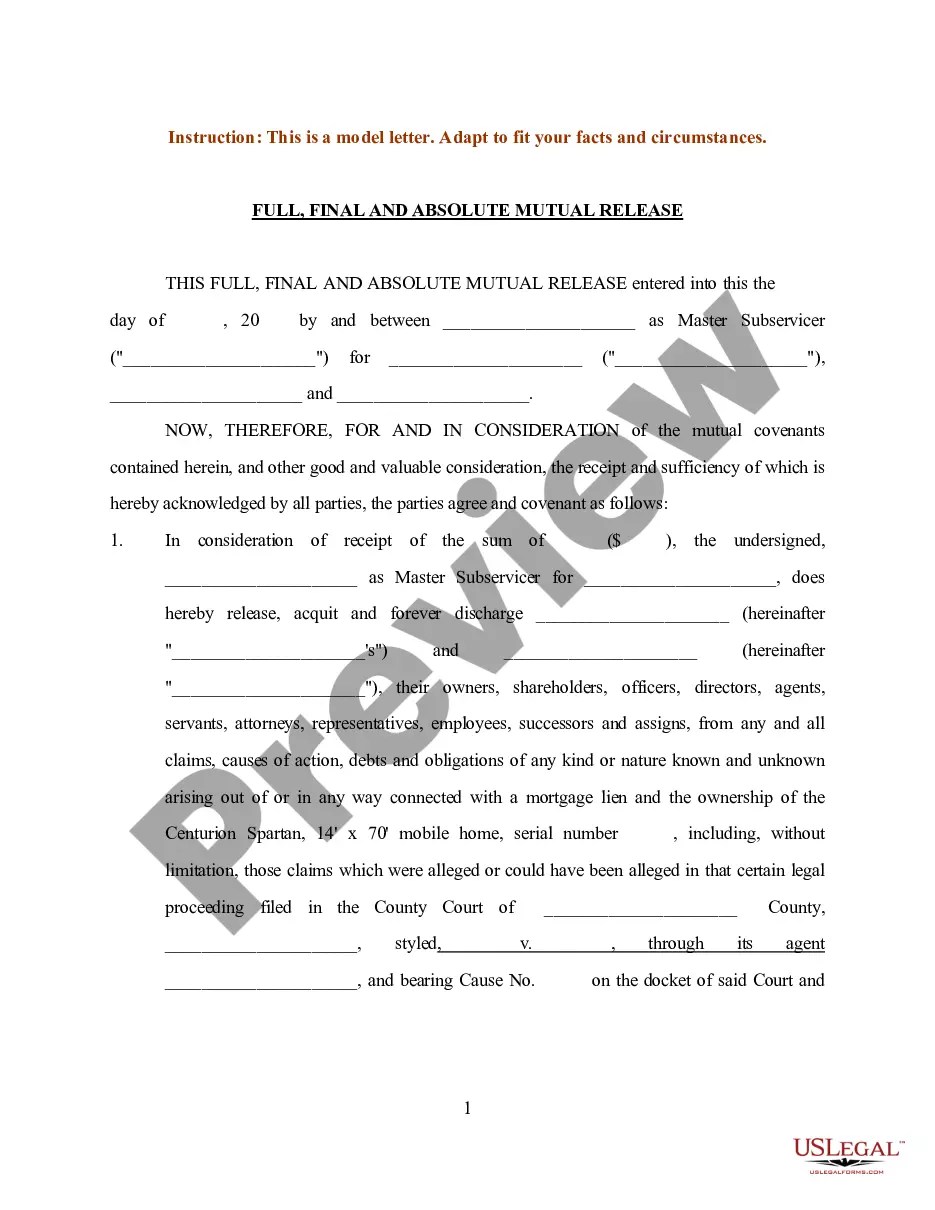
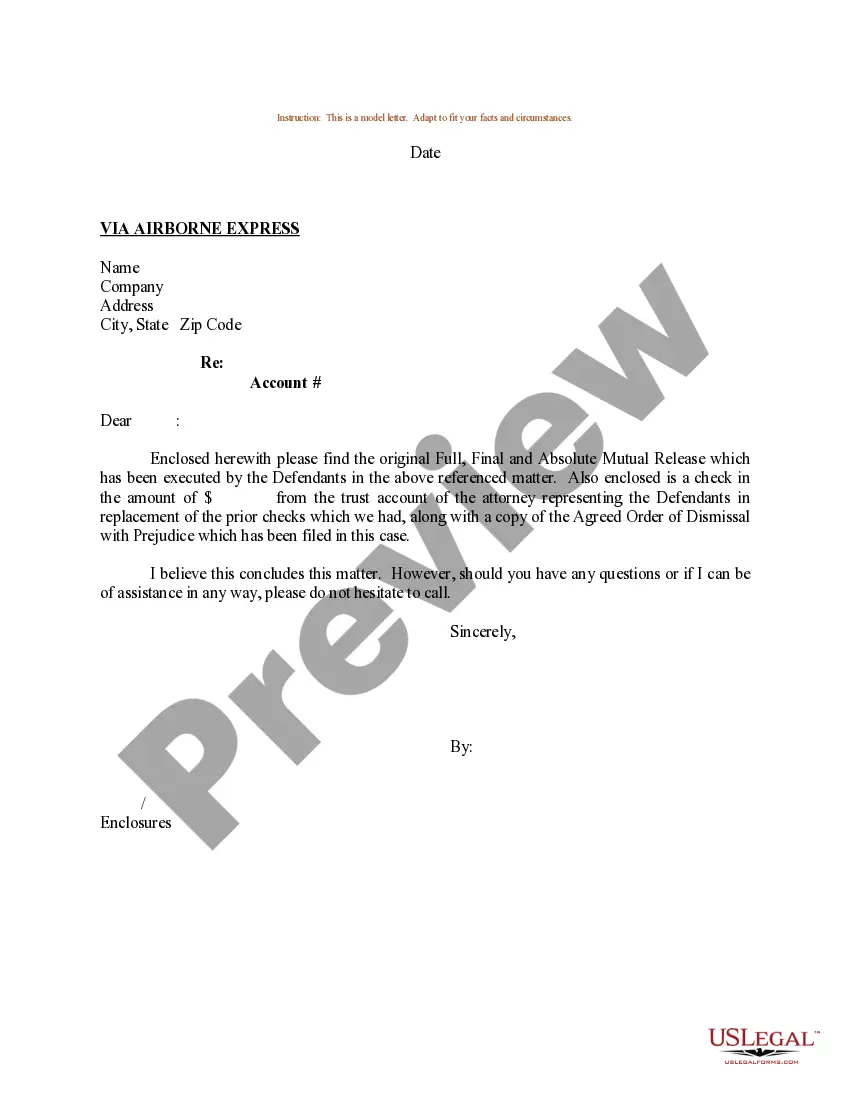
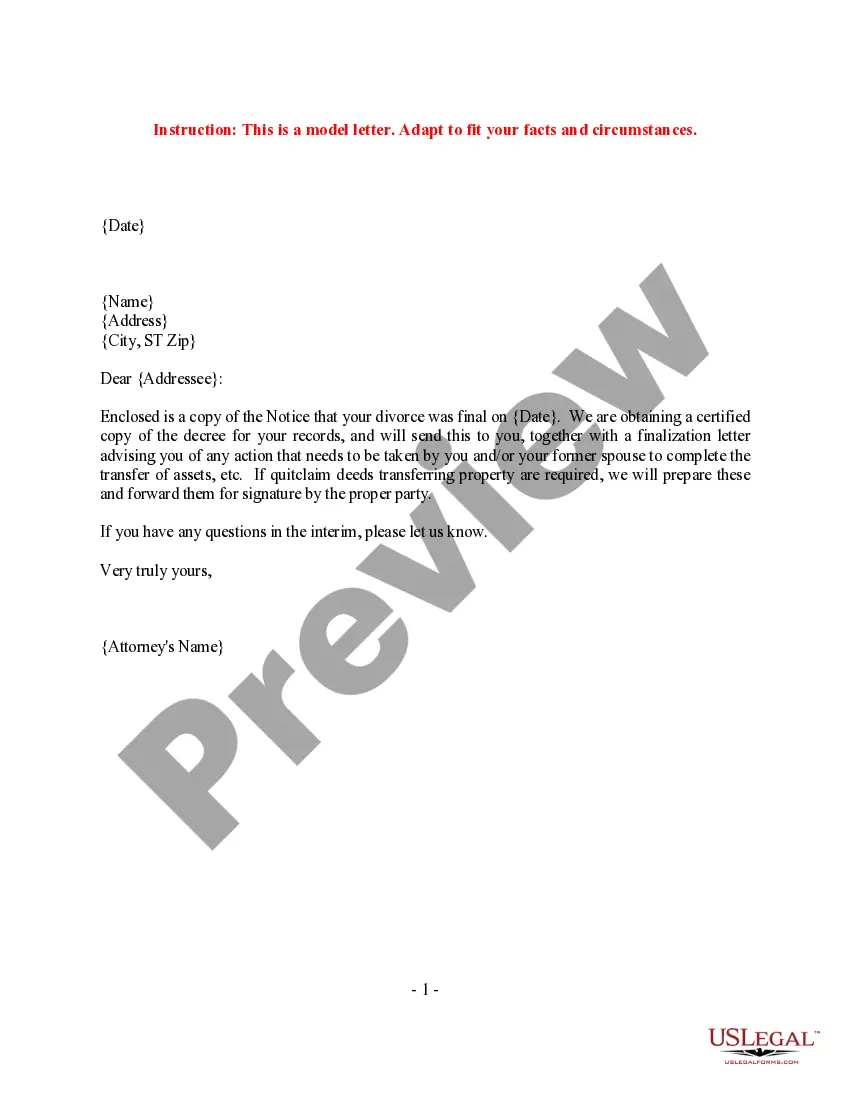
Get your form ready online
Our built-in tools help you complete, sign, share, and store your documents in one place.
Make edits, fill in missing information, and update formatting in US Legal Forms—just like you would in MS Word.
Download a copy, print it, send it by email, or mail it via USPS—whatever works best for your next step.
Sign and collect signatures with our SignNow integration. Send to multiple recipients, set reminders, and more. Go Premium to unlock E-Sign.
If this form requires notarization, complete it online through a secure video call—no need to meet a notary in person or wait for an appointment.
We protect your documents and personal data by following strict security and privacy standards.

Make edits, fill in missing information, and update formatting in US Legal Forms—just like you would in MS Word.

Download a copy, print it, send it by email, or mail it via USPS—whatever works best for your next step.

Sign and collect signatures with our SignNow integration. Send to multiple recipients, set reminders, and more. Go Premium to unlock E-Sign.

If this form requires notarization, complete it online through a secure video call—no need to meet a notary in person or wait for an appointment.

We protect your documents and personal data by following strict security and privacy standards.
Looking for another form?

Form popularity
FAQ
Taxpayers have reasonable cause when their conduct justifies the non-assertion or abatement of a penalty. Each case must be judged individually based on the facts and circumstances at hand.
If we cannot approve your relief over the phone, you may request relief in writing with Form 843, Claim for Refund and Request for Abatement. To reduce or remove an estimated tax penalty, see: Underpayment of Estimated Tax by Individuals Penalty.
In the body of the letter, explain the reason for your request for penalty waiver. Be factual and provide specific details about your circumstances. If you are claiming reasonable cause, provide supporting evidence to back up your claim.
Sound reasons, if established, include: Fire, casualty, natural disaster or other disturbances. Inability to obtain records. Death, serious illness, incapacitation or unavoidable absence of the taxpayer or a member of the taxpayer's immediate family.
time penalty abatement letter typically contains: Notice number and date (if applicable) Type of penalty and amount. Acknowledgment that the taxpayer fulfills the firsttime penalty abatement criteria. Optional: Explanation of the taxpayer's situation, circumstances and reasonable cause (review: IRM 20.1.
In the body of the letter, explain the reason for your request for penalty waiver. Be factual and provide specific details about your circumstances. If you are claiming reasonable cause, provide supporting evidence to back up your claim.
Write the Request Letter: Craft a detailed letter to the IRS that includes: The taxpayer's identification information (name, address, Social Security number, or tax ID number). A statement requesting the First Time Abatement. An explanation of each penalty notice received, including the date and the type of penalty.
