Sample Letter With Re In Contra Costa
Description
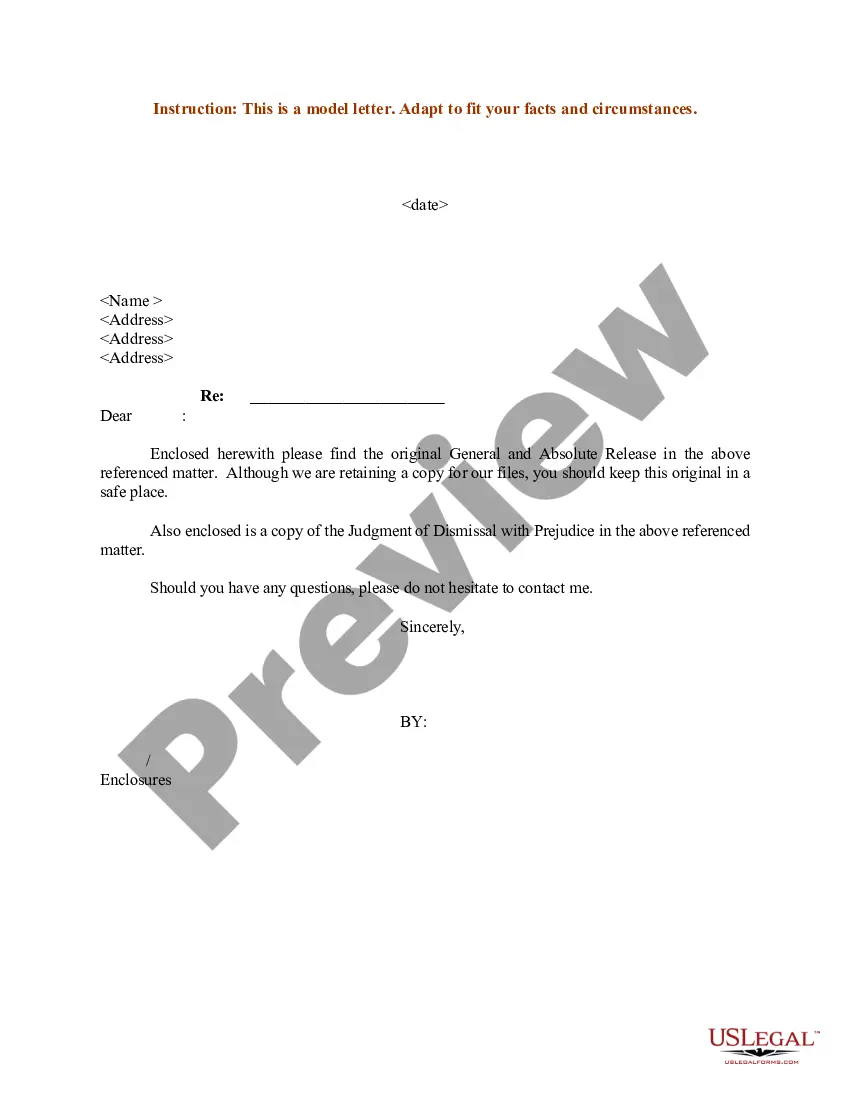
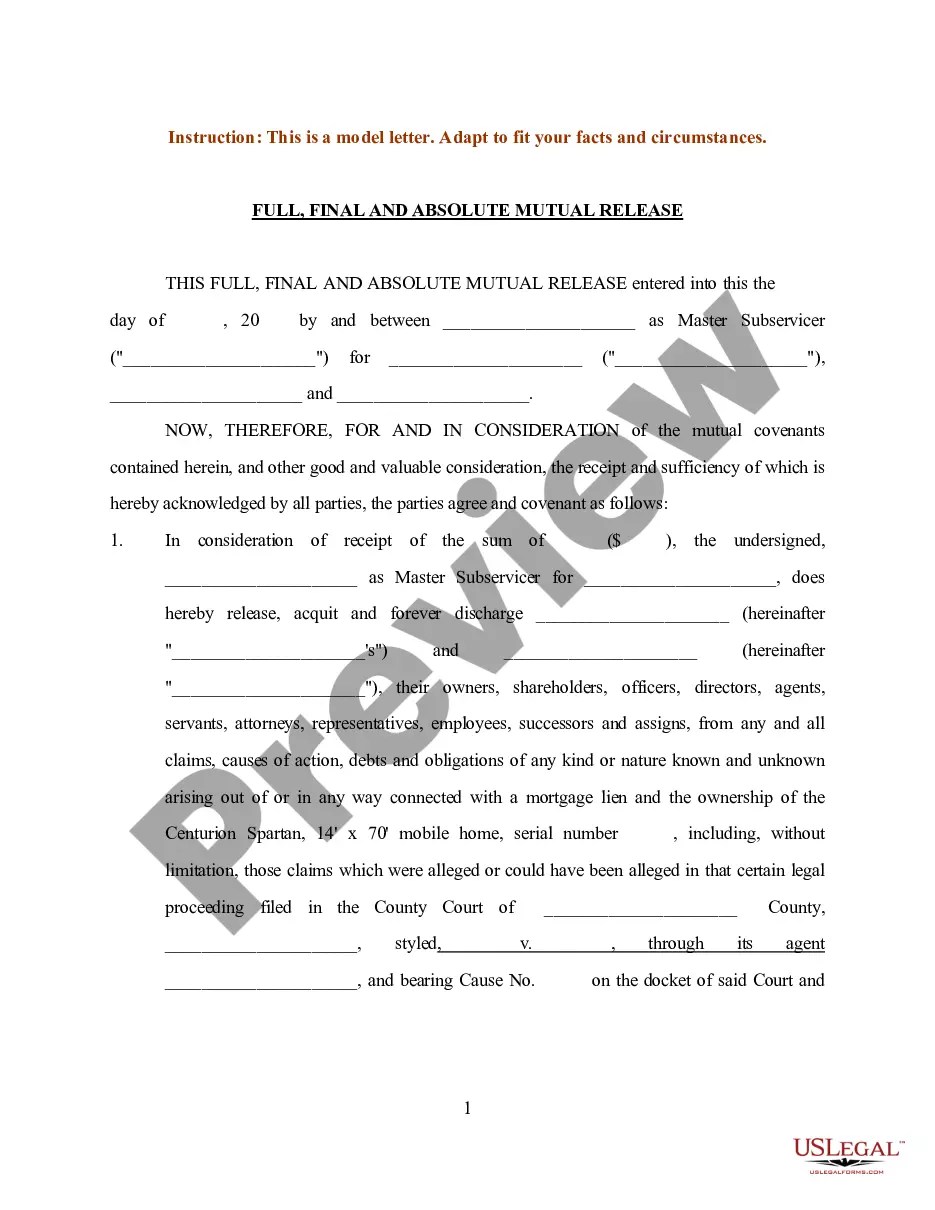
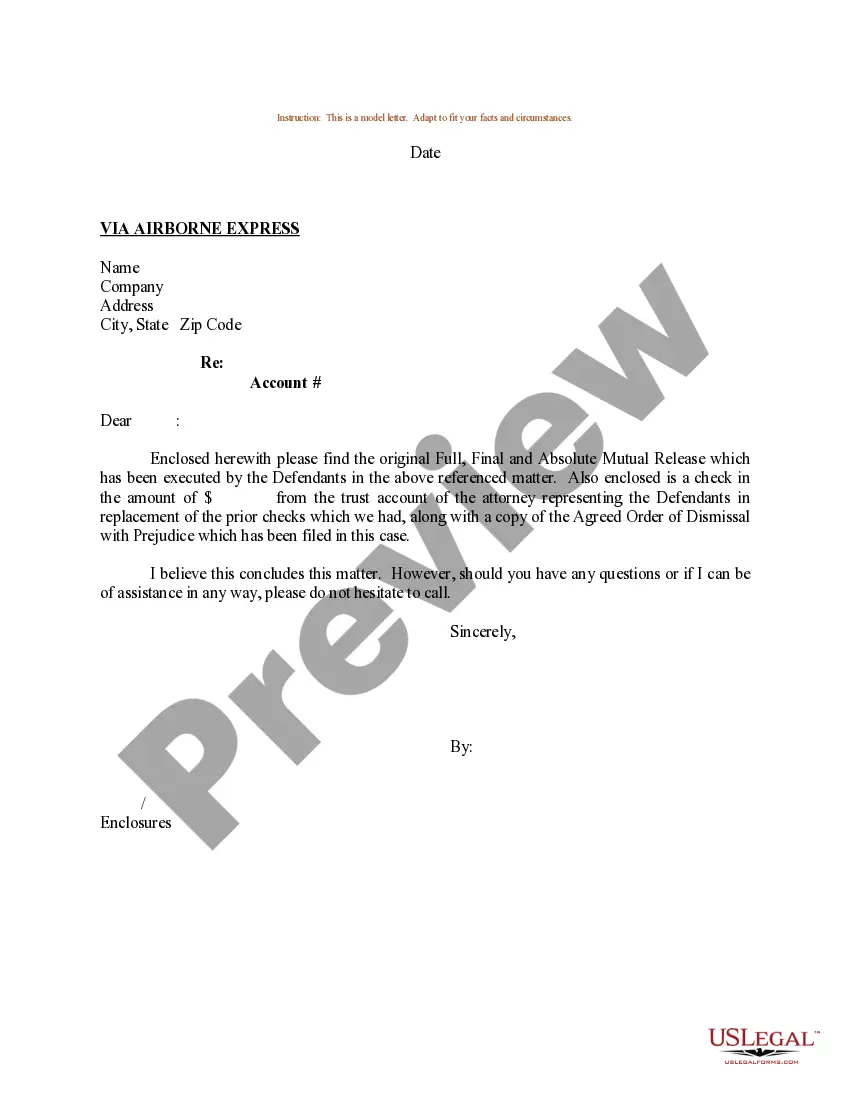
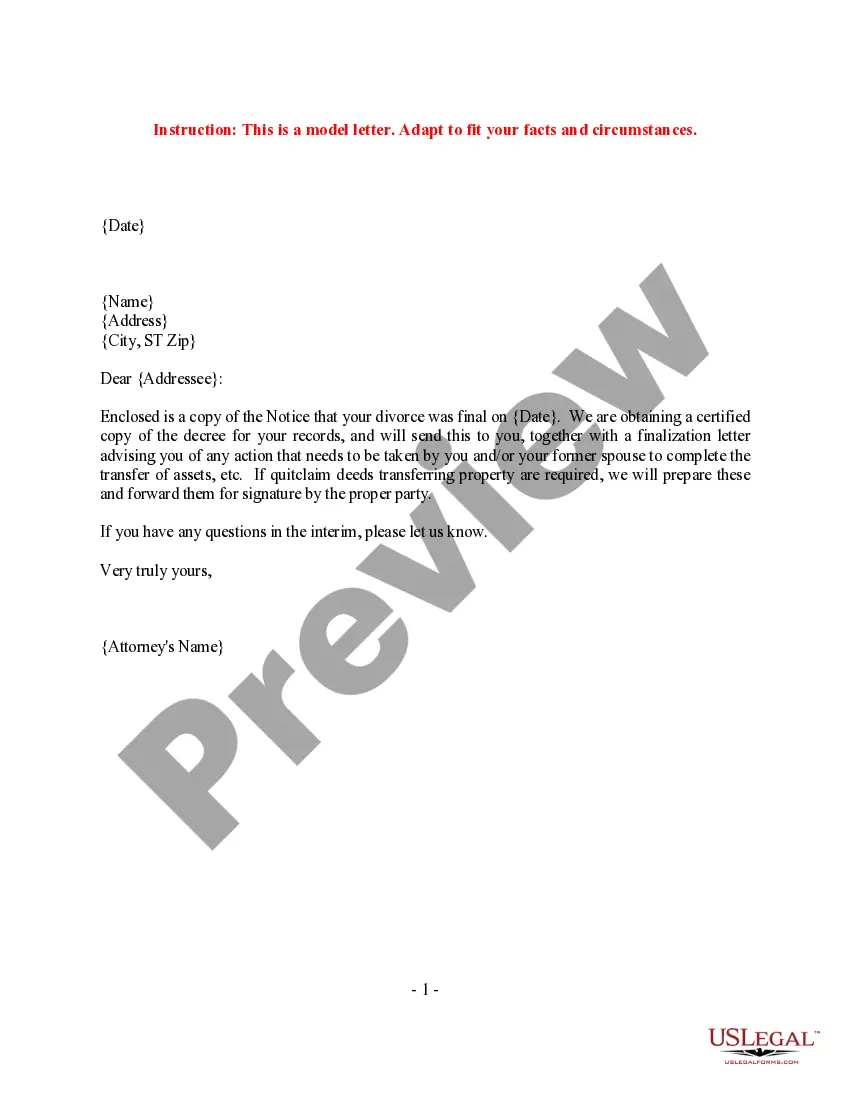
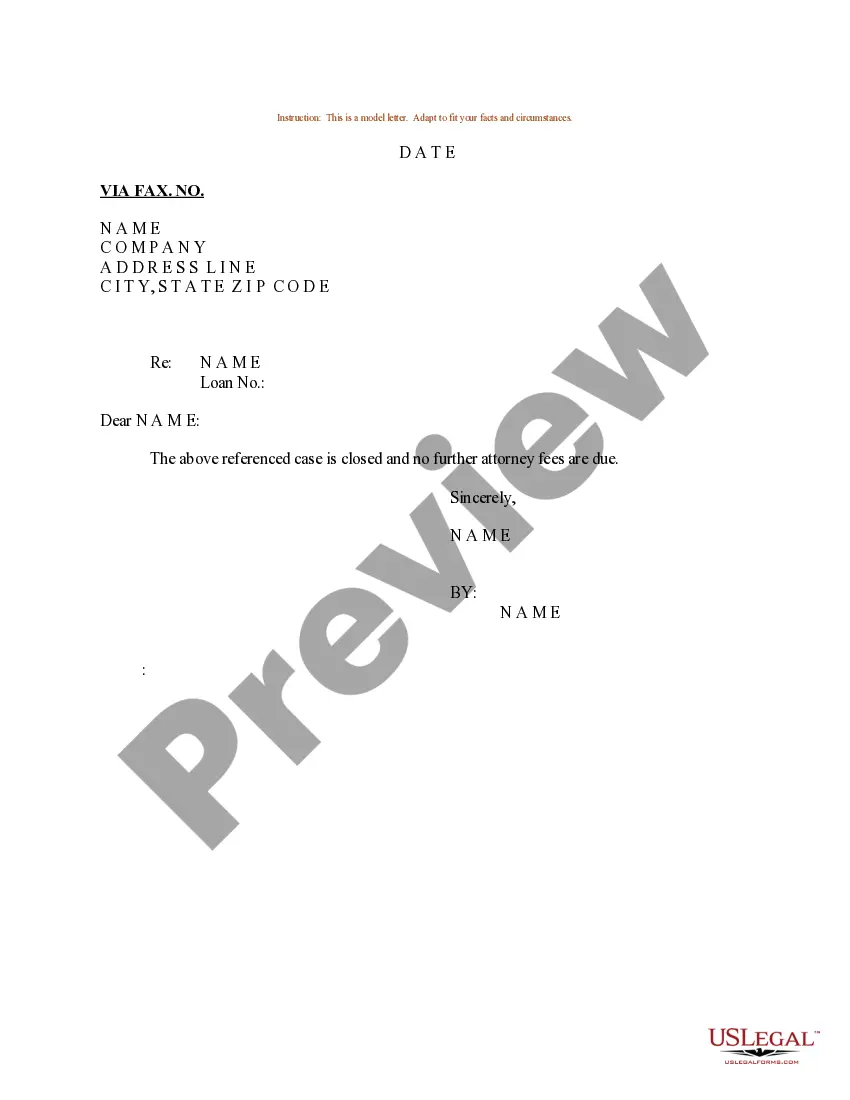
Get your form ready online
Our built-in tools help you complete, sign, share, and store your documents in one place.
Make edits, fill in missing information, and update formatting in US Legal Forms—just like you would in MS Word.
Download a copy, print it, send it by email, or mail it via USPS—whatever works best for your next step.
Sign and collect signatures with our SignNow integration. Send to multiple recipients, set reminders, and more. Go Premium to unlock E-Sign.
If this form requires notarization, complete it online through a secure video call—no need to meet a notary in person or wait for an appointment.
We protect your documents and personal data by following strict security and privacy standards.

Make edits, fill in missing information, and update formatting in US Legal Forms—just like you would in MS Word.

Download a copy, print it, send it by email, or mail it via USPS—whatever works best for your next step.

Sign and collect signatures with our SignNow integration. Send to multiple recipients, set reminders, and more. Go Premium to unlock E-Sign.

If this form requires notarization, complete it online through a secure video call—no need to meet a notary in person or wait for an appointment.

We protect your documents and personal data by following strict security and privacy standards.
Looking for another form?








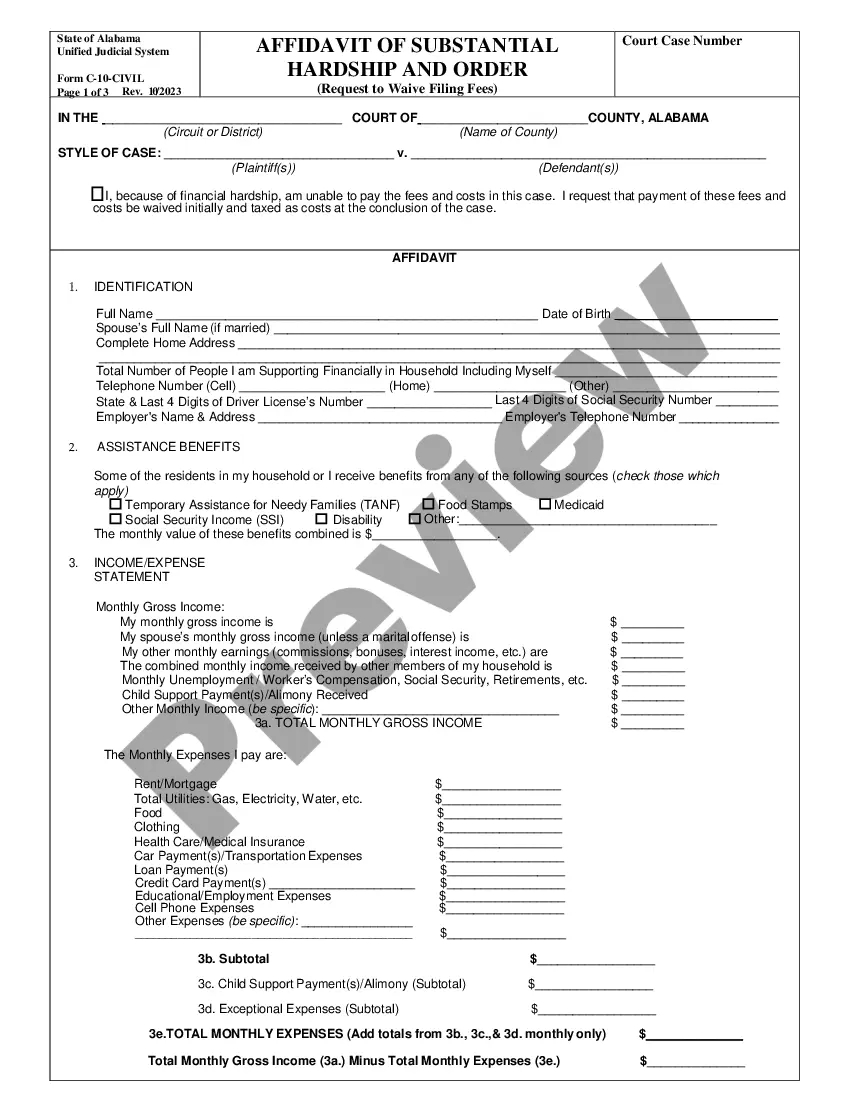

Form popularity
FAQ
A “motion for a continuance” is a request asking the judge to make an order changing your hearing date. If the judge grants your motion, your court date will be postponed to a later time. For most requests for continuances, you must provide the judge with a suitable reason (“good cause”) for postponing your court date.
How to fill out the California Declaration Form Instructions? Read the instructions for the form carefully. Fill in your personal details including name and address. Provide all requested information in the relevant sections. Review your form for accuracy and completeness. Sign and date the form before submission.
The motion provides the judge with an opportunity to reconsider their decision. If you still don't get the decision you want, you can submit an appeal. If you wish to appeal an unlawful detainer ruling, file your appeal in the court location where the original proceeding was heard.
Request to Reschedule Hearing (Family Law—Governmental—Uniform Parentage—Custody and Support) (FL-306) Ask to change your hearing date and explain why you need a new hearing date. Get form FL-306.
Circumstances that may indicate good cause for a continuance include the unavailability of an essential witness (CRC 3.1332 (c)(1)); the unavailability of a party because of death, illness, or other excusable circumstances (CRC 3.1332 (c)(2)); or a significant, unanticipated change in the status of the case as a result ...
Request to Reschedule Hearing (Family Law—Governmental—Uniform Parentage—Custody and Support) (FL-306) Ask to change your hearing date and explain why you need a new hearing date.
If you are: a person (this includes sole-proprietors) you may claim up to $12,500; if you are a Corporation, limited liability company or partnership, you may claim up to $6,250.
The Superior Court of Contra Costa implemented its E-filing system in 2022. They selected Odyssey Case Manager from Tyler Technologies, a software solution in use by 29 of the 58 courts in the state.
Generally, you can only sue for up to $12,500 in small claims court (or up to $6,250 if you're a business). You can ask a lawyer for advice before you go to court, but you can't have one with you in court.
Conclusion: Going to small claims court may be worth it for $500, but it will determine how you weigh your costs versus benefits. At a minimum, it is worth it to send a demand letter.

